Is Facebook worth it?
The Facebook — Cambridge Analytica scandal has given us a lot to think about. Is our data safe with Facebook and is there something that we could do?
This former rowing coach is using electric tech to make motorboats nearly silent.
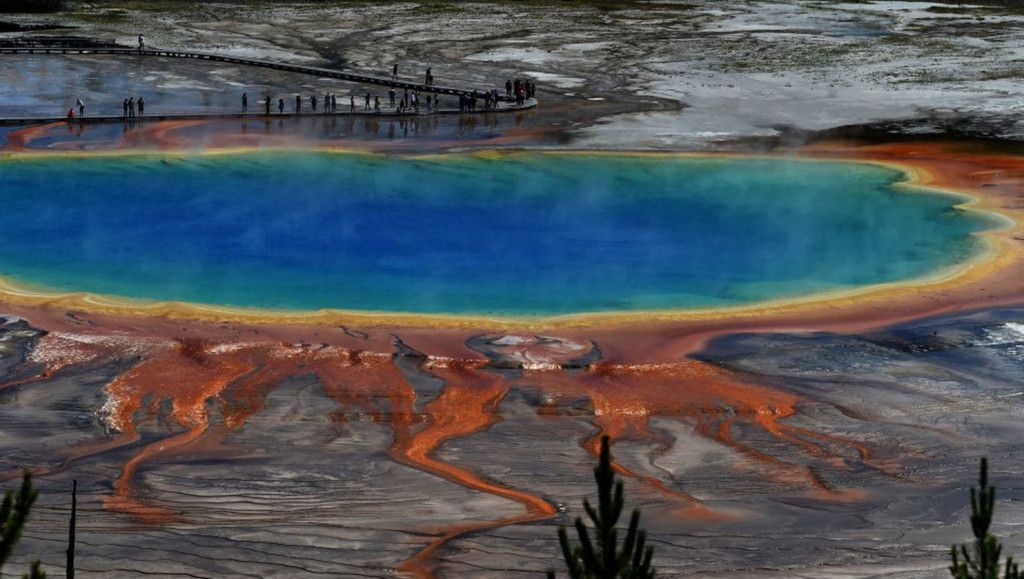
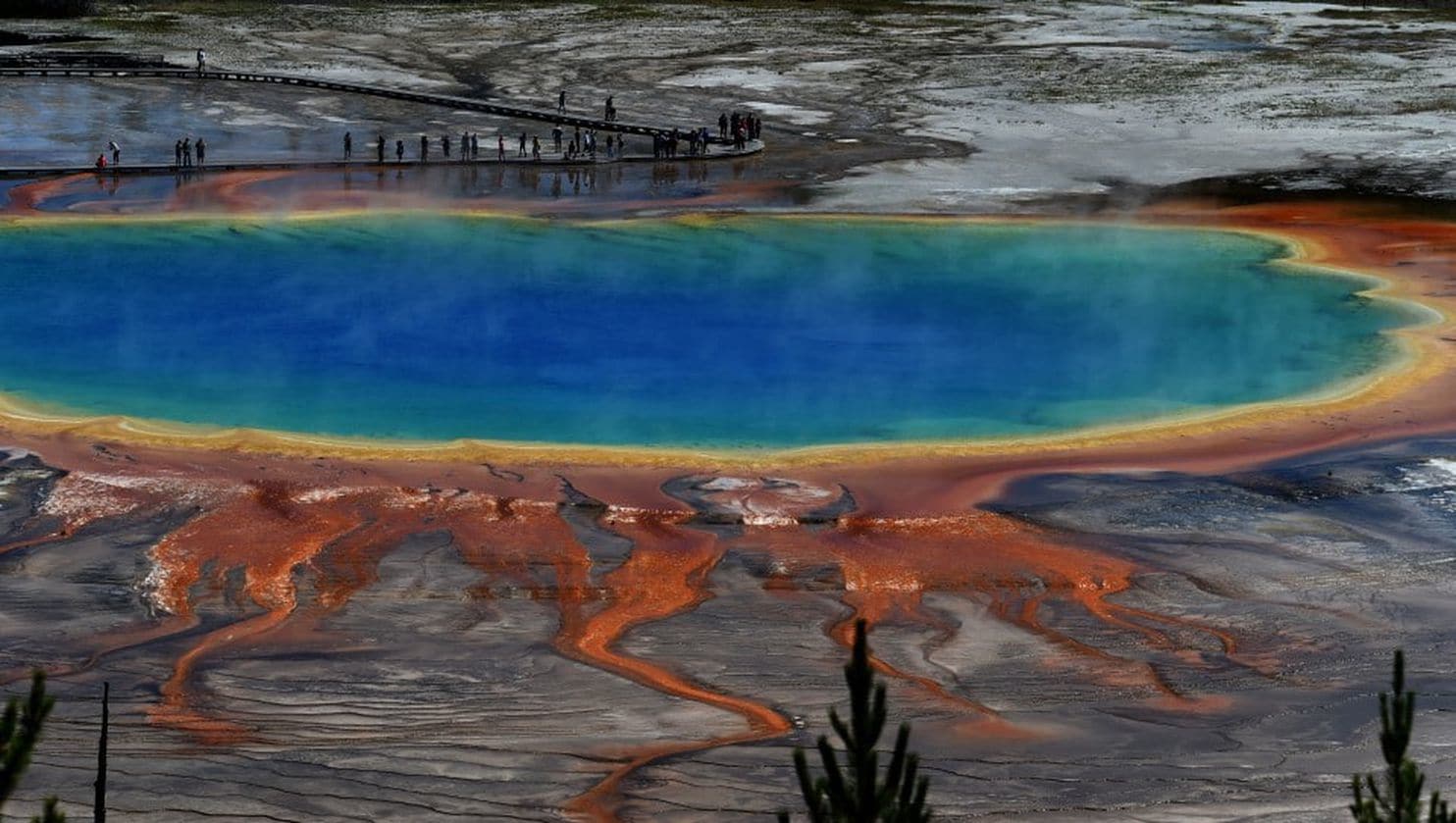
Yellowstone National Park sits squarely over a giant, active volcano. This requires attention.
Yellowstone has been a national park since 1872, but it was only in the 1960s that scientists realized the scale of the volcano – it’s 44 miles across – and not until the 1980s did they grasp that this thing is fully alive and still threatens to erupt catastrophically. Yellowstone is capable of eruptions thousands of times more violent than the Mount St. Helens eruption of 1980. The northern Rockies would be buried in multiple feet of ash. Ash would rain on almost everyone in the United States. It’d be a bad day. Thus geologists are eager to understand what, exactly, is happening below all those volcano-fueled hot springs and geysers.
Https://paper.li/e-1437691924#/
Keyword entry for the Posthuman Glossary edited by Braidotti and Hlavajova.
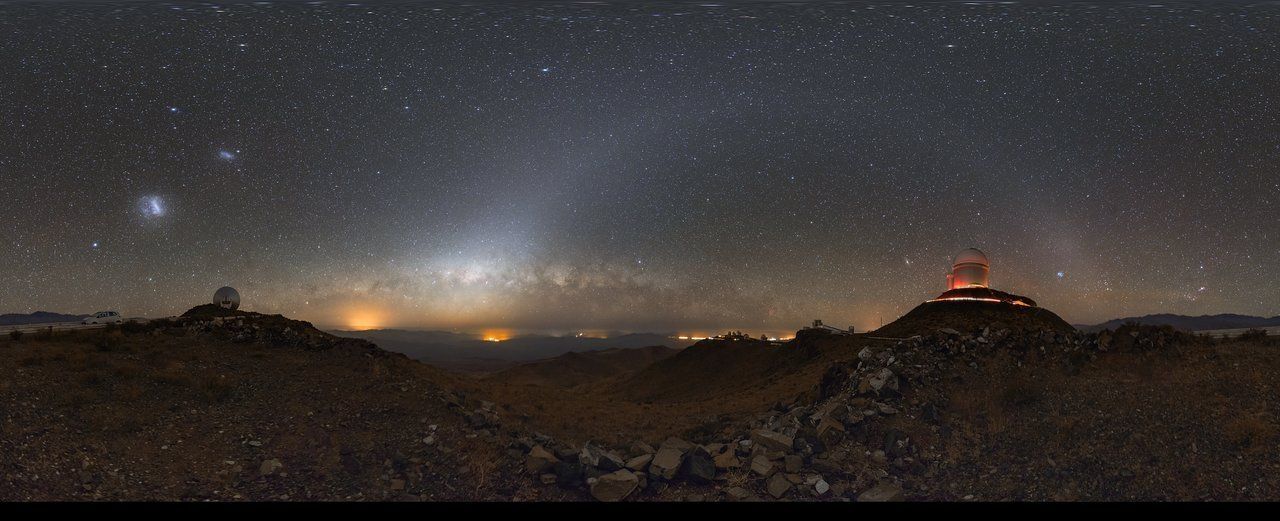
This full 360° view of La Silla Observatory showcases the mountaintop telescopes in all their glory. The telescopes are silhouetted against a starry background, with the Milky Way visible close to the horizon, the column and band of the zodiacal light across the sky, and the Magellanic Clouds rising higher in the sky.
La Silla was built in 1969 as ESO’s very first observatory, at which point it became the largest astronomical observatory of its time, leading Europe to the frontline of astronomical research. Since then, it has led to an enormous number of scientific discoveries, including several “firsts”.
This deep sky view was achieved using the Vixen Polarie mount.
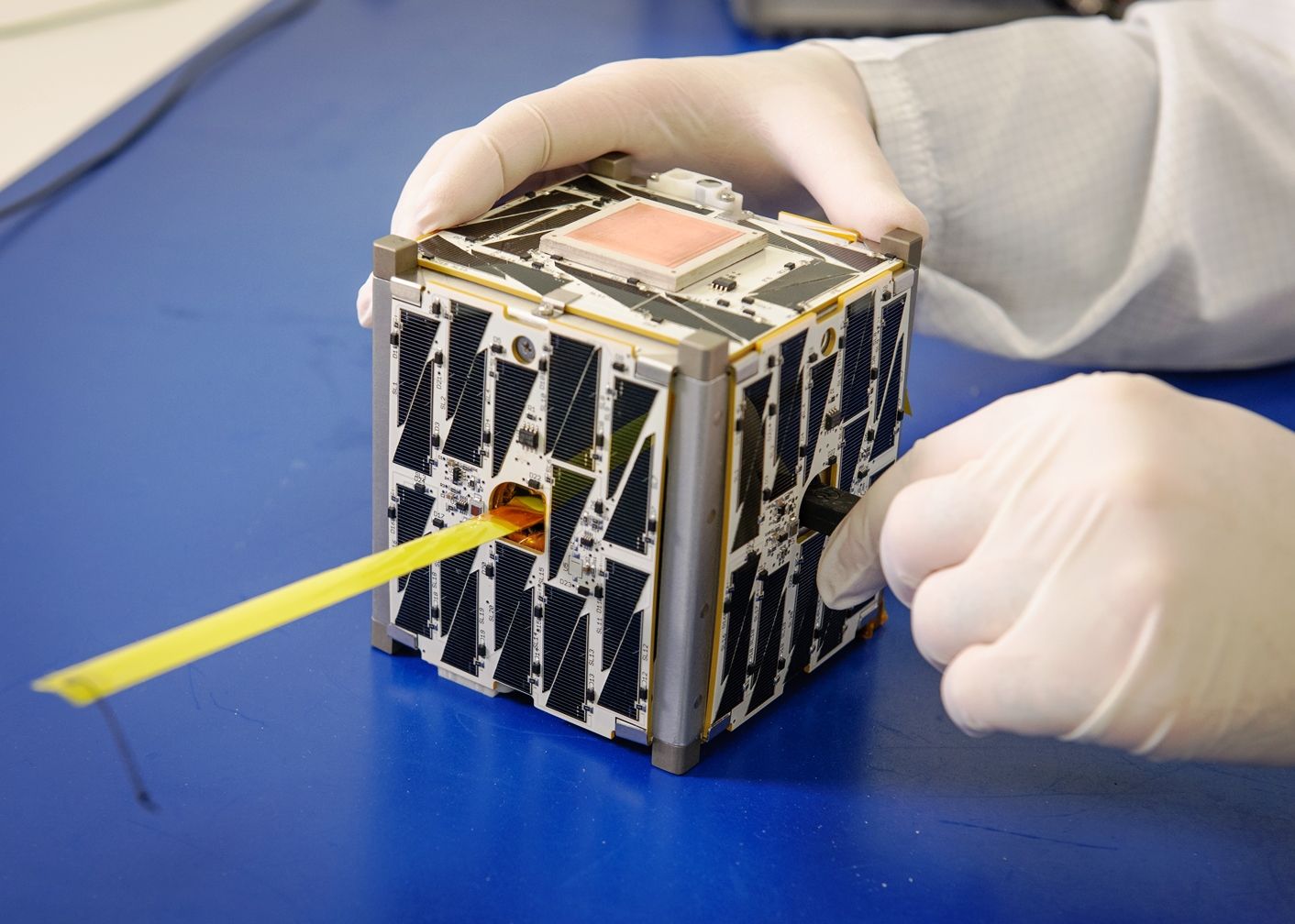
ORLANDO, Fla.—Adrienne Dove, a University of Central Florida (UCF) planetary scientist, physicist, and associate professor, capped off the university’s 2018 Distinguished Speaker series with a talk about CubeSats and UCF’s involvement with CubeSat-based science missions.
Highlights of a growing program
Dove began her talk detailing some of the key activities of the university’s Physics Department.
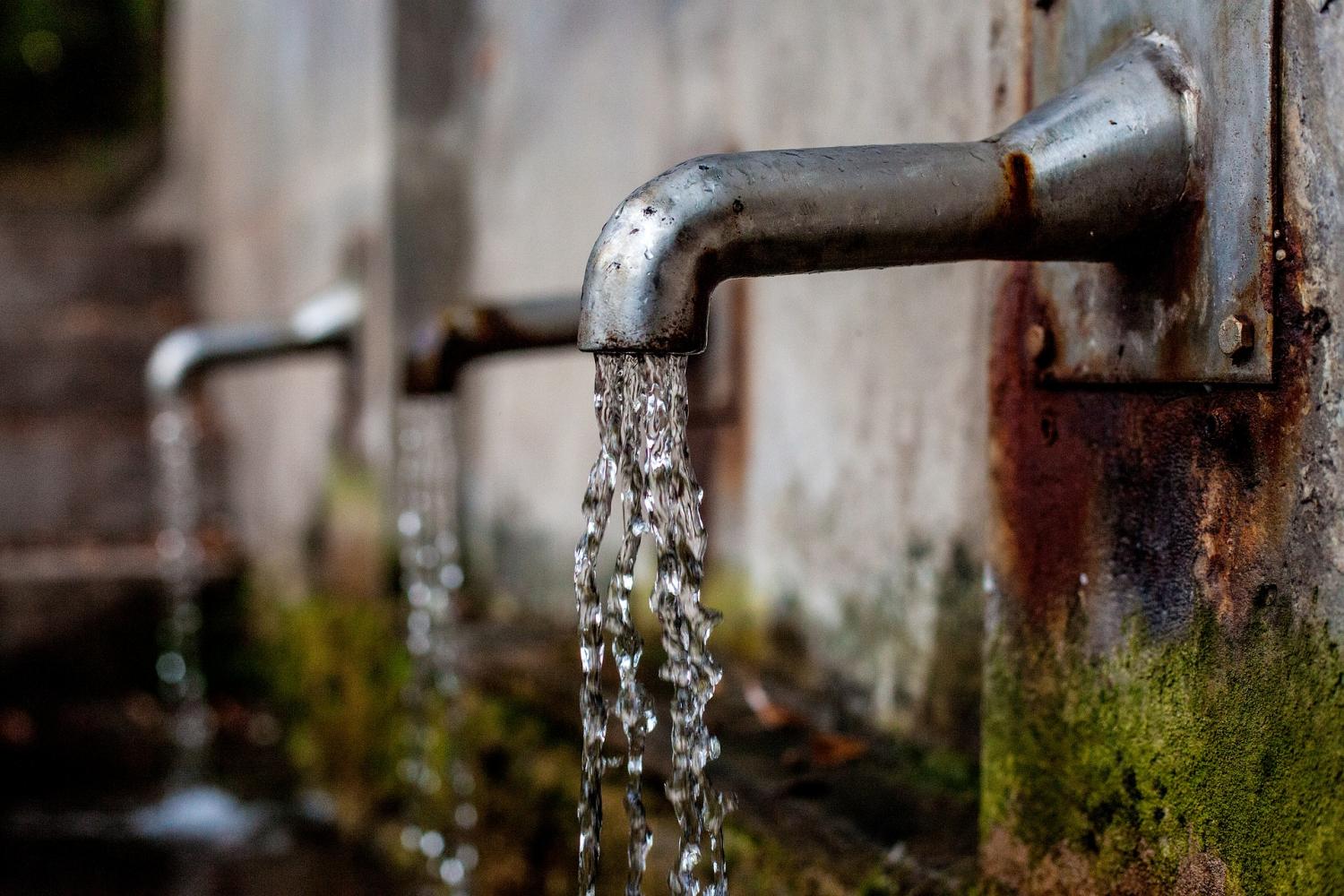
Less than eight months after Hurricane Harvey pelted the Texas Gulf Coast with torrential rainfall, drought has returned to Texas and other parts of the West, Southwest and Southeast, rekindling old worries for residents who dealt with earlier waves of dry spells and once again forcing state governments to reckon with how to keep the water flowing.
Nearly a third of the continental United States was in drought as of April 10, more than three times the coverage of a year ago. And the specter of a drought-ridden summer has focused renewed urgency on state and local conservation efforts, some of which would fundamentally alter Americans’ behavior in how they use water.
In California, for example, officials are considering rules to permanently ban water-wasting actions such as hosing off sidewalks and driveways, washing a vehicle with a hose that doesn’t have a shut-off valve, and irrigating ornamental turf on public street medians. The regulations, awaiting a final decision by the California State Water Resources Control Board, were in force as temporary emergency measures during part of a devastating five-year drought but were lifted in 2017 after the drought subsided.