Ma, X., Huang, T., Chen, X. et al. Molecular mechanisms in liver repair and regeneration: from physiology to therapeutics. Sig Transduct Target Ther 10, 63 (2025). https://doi.org/10.1038/s41392-024-02104-8
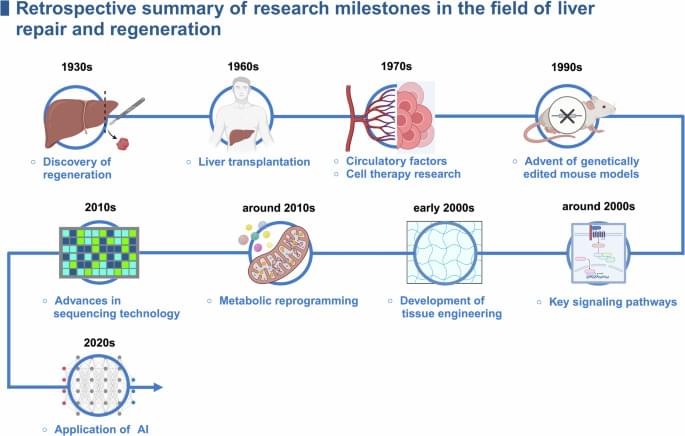
Ma, X., Huang, T., Chen, X. et al. Molecular mechanisms in liver repair and regeneration: from physiology to therapeutics. Sig Transduct Target Ther 10, 63 (2025). https://doi.org/10.1038/s41392-024-02104-8

Explore the universe’s strangest possible life—boron creatures, sulfur beasts, crystal minds, ammonia swimmers, methane organisms, and more in this deep dive into alien chemistry.
Grab one of our new SFIA mugs and make your morning coffee a little more futuristic — available now on our Fourthwall store! https://isaac-arthur-shop.fourthwall… our Website: http://www.isaacarthur.net Join Nebula: https://go.nebula.tv/isaacarthur Support us on Patreon: / isaacarthur Support us on Subscribestar: https://www.subscribestar.com/isaac-a… Facebook Group:
/ 1,583,992,725,237,264 Reddit:
/ isaacarthur Twitter:
/ isaac_a_arthur on Twitter and RT our future content. SFIA Discord Server:
/ discord Credits: Strange Lifeforms: The Chemistry of Alien Worlds Written, Produced & Narrated by: Isaac Arthur Select imagery/video supplied by Getty Images Chapters 0:00 Intro 3:23What we’ll Explore 5:11 Boron Biochemistry 13:54 Ammonia Worlds 42:01 Sulfur Worlds 46:37 Silicon-Based Life 1:08:08 Phosphorus Life 1:17:25 Crystal Aliens 1:38:40Fluorine Life 1:45:56 Void Ecology 2:09:37 Methane Worlds 2:35:17 Closing Thoughts.
Visit our Website: http://www.isaacarthur.net.
Join Nebula: https://go.nebula.tv/isaacarthur.
Support us on Patreon: / isaacarthur.
Support us on Subscribestar: https://www.subscribestar.com/isaac-a…
Facebook Group: / 1583992725237264
Reddit: / isaacarthur.
Twitter: / isaac_a_arthur on Twitter and RT our future content.
SFIA Discord Server: / discord.
Credits:
Strange Lifeforms: The Chemistry of Alien Worlds.
Written, Produced & Narrated by: Isaac Arthur.
Select imagery/video supplied by Getty Images.
Chapters.
0:00 Intro.
3:23What we’ll Explore.
5:11 Boron Biochemistry.
13:54 Ammonia Worlds.
42:01 Sulfur Worlds.
46:37 Silicon-Based Life.
1:08:08 Phosphorus Life.
1:17:25 Crystal Aliens.
1:38:40Fluorine Life.
1:45:56 Void Ecology.
2:09:37 Methane Worlds.
2:35:17 Closing Thoughts

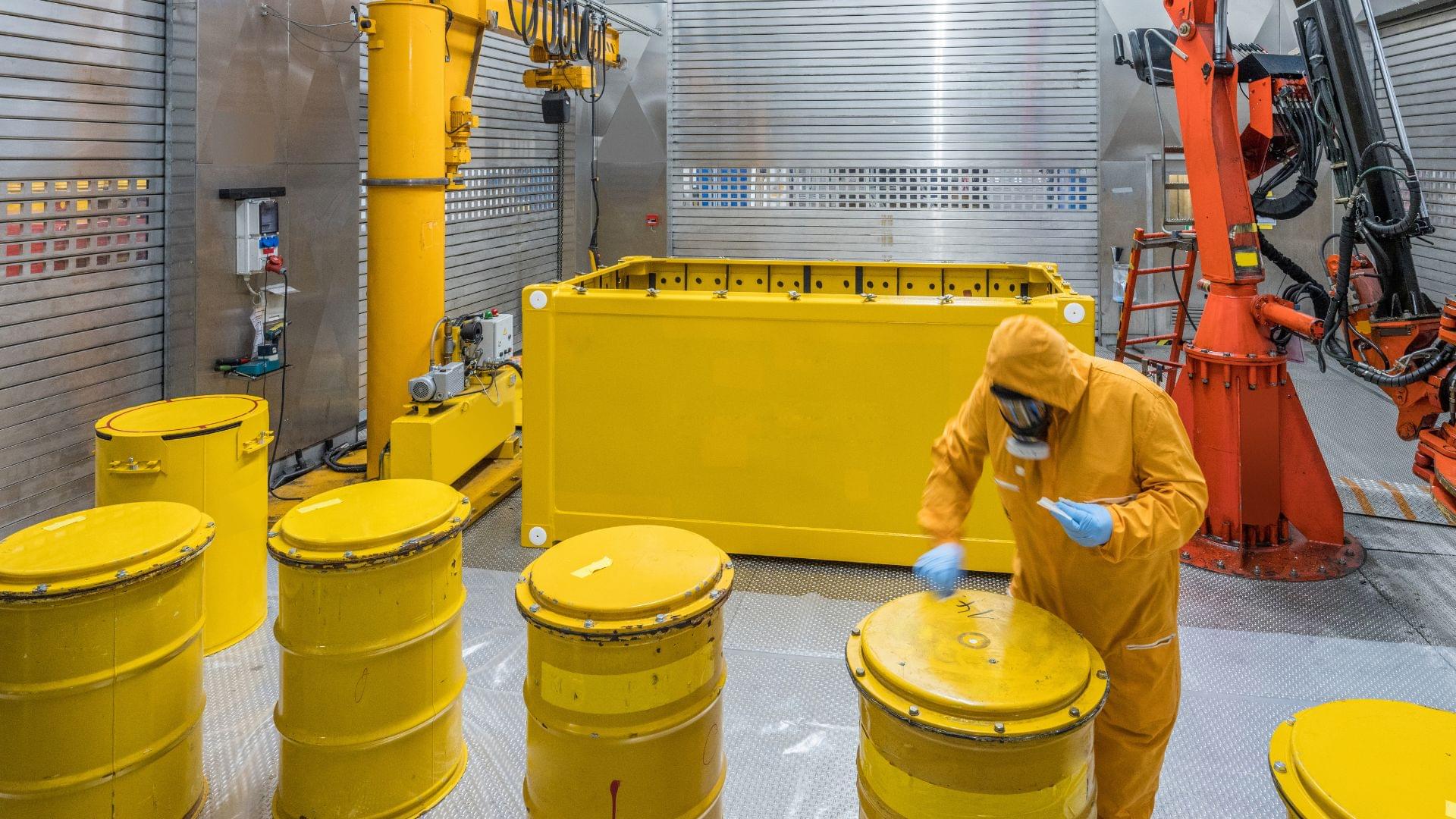
A simple instrument like mass spectrometer can revolutionize how unknown samples are investigated in the future.
A new method developed by researchers at the Los Alamos National Laboratory (LANL) can spot the origins of illegal nuclear material in just 30 minutes. Requiring only a relatively simple instrument, such as a mass spectrometer, the method can help identify the source of any nuclear material outside regulatory control.
According to the International Atomic Energy Agency (IAEA), theft or improper disposal can result in nuclear and radiological material falling out of regulatory control. In 2,024,124 such incidents were reported to the IAEA, of which at least three were linked to “trafficking or malicious use”
Earlier this year, a leader of a crime syndicate pleaded guilty to trafficking nuclear material in a New York court. The accused had discussed sale of yellowcake uranium with an undercover agent.
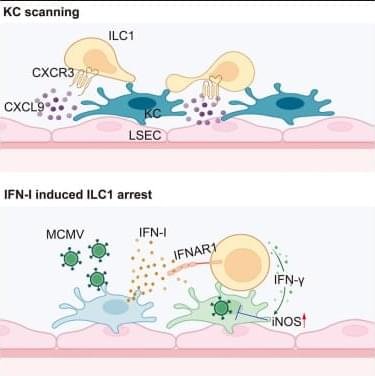
Zhang et al. reveal that hepatic ILC1s rapidly transition from intravascular patrolling to motility arrest upon encountering infected Kupffer cells (KCs) during viremia. This behavioral switch, driven by cell intrinsic type I IFN signaling and coupled to ILC1 activation, fortifies the antiviral function of KCs to restrict systemic viral dissemination.
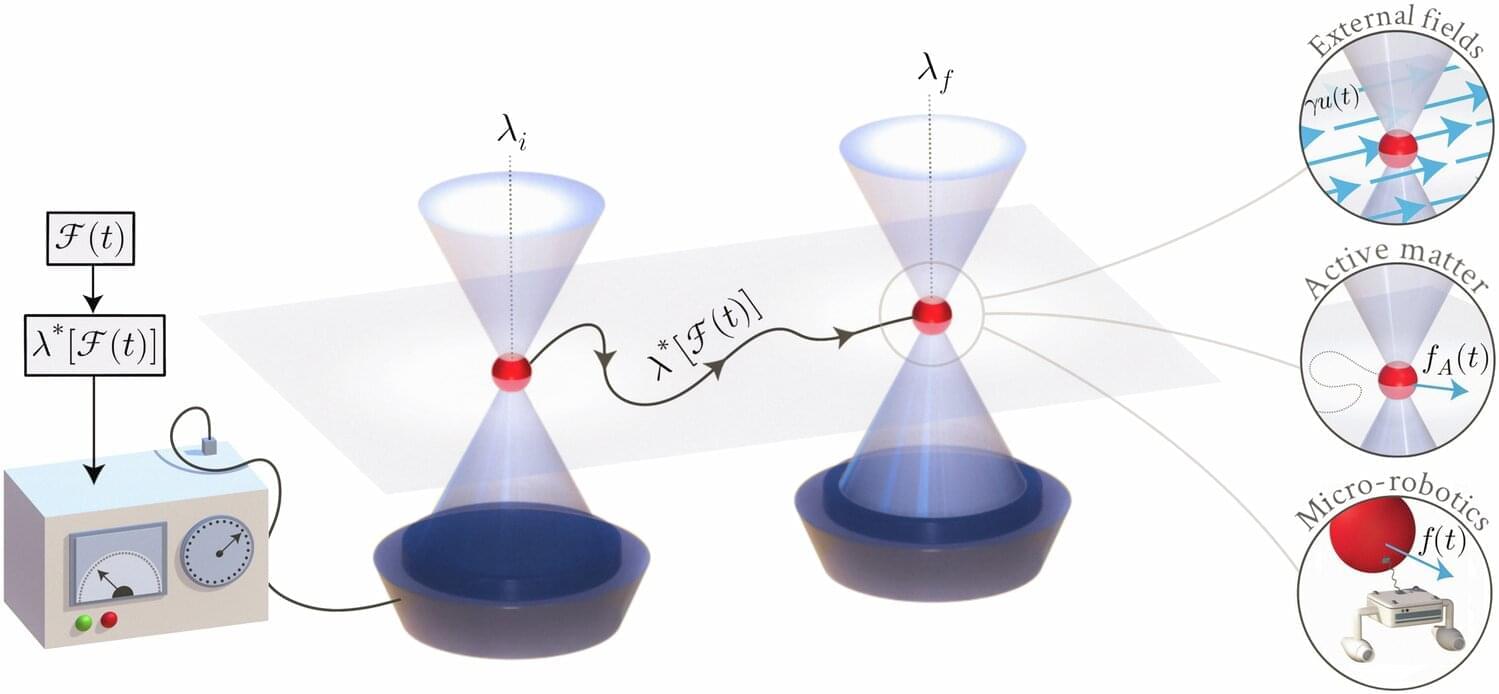
Conditions can get rough in the micro- and nanoworld. For example, to ensure that nutrients can still be optimally transported within cells, the minuscule transporters involved need to respond to the fluctuating environment. Physicists at Heinrich Heine University Düsseldorf (HHU) and Tel Aviv University in Israel have used model calculations to examine how this can succeed. They have now published their results—which could also be relevant for future microscopic machines—in the journal Nature Communications.
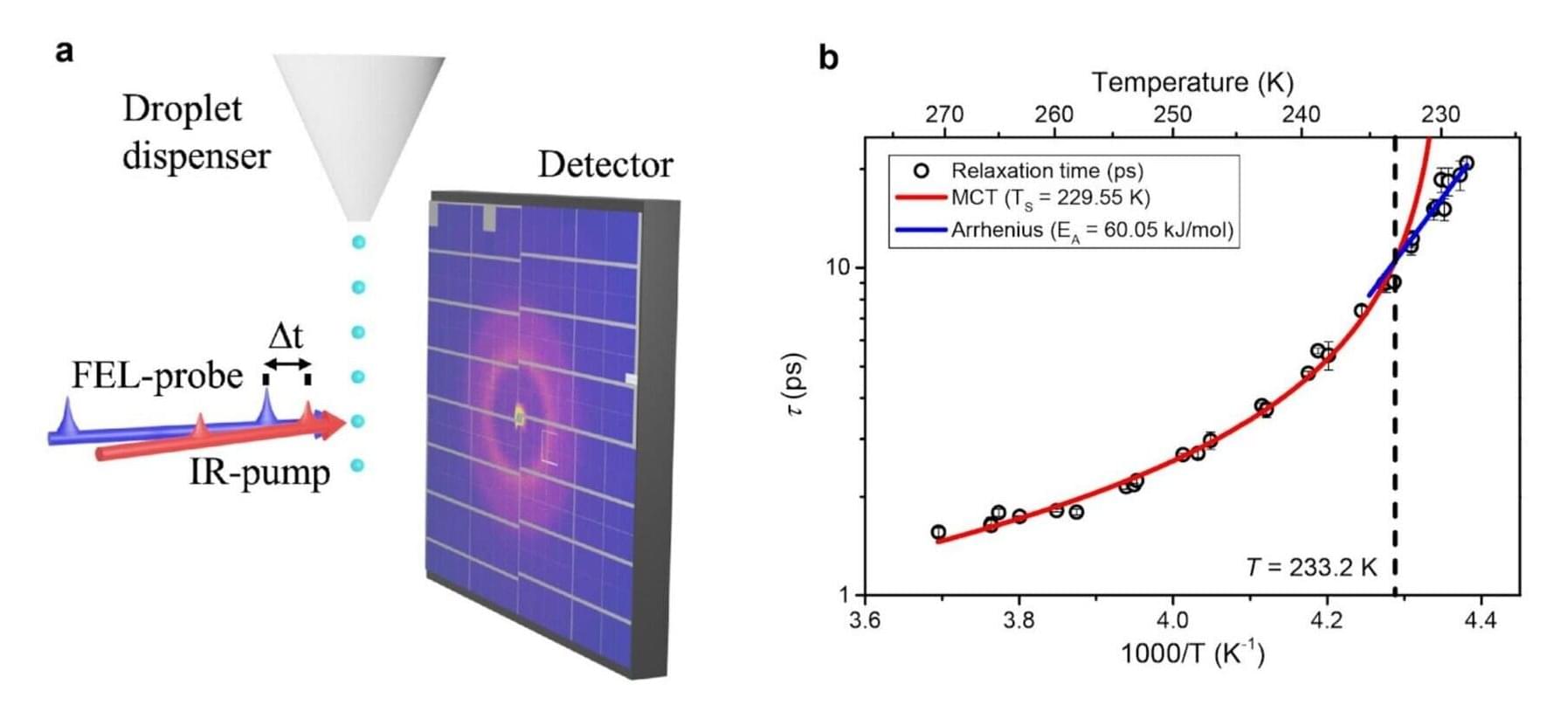
In a new study published in Nature Physics, researchers have achieved the first experimental observation of a fragile-to-strong transition in deeply supercooled water, resolving a scientific puzzle that has persisted for nearly three decades.
Water has anomalous properties when cooled below freezing without crystallization. Previous studies have tracked how water’s viscosity changes with temperature, predicting it would diverge to infinity around ~227 K (−46°C), meaning liquid water’s motion would essentially freeze.
However, this prediction conflicted with other known properties of water. As a result, scientists proposed that the viscosity trend must undergo a change at a specific low temperature—the so-called fragile-to-strong transition (FST).