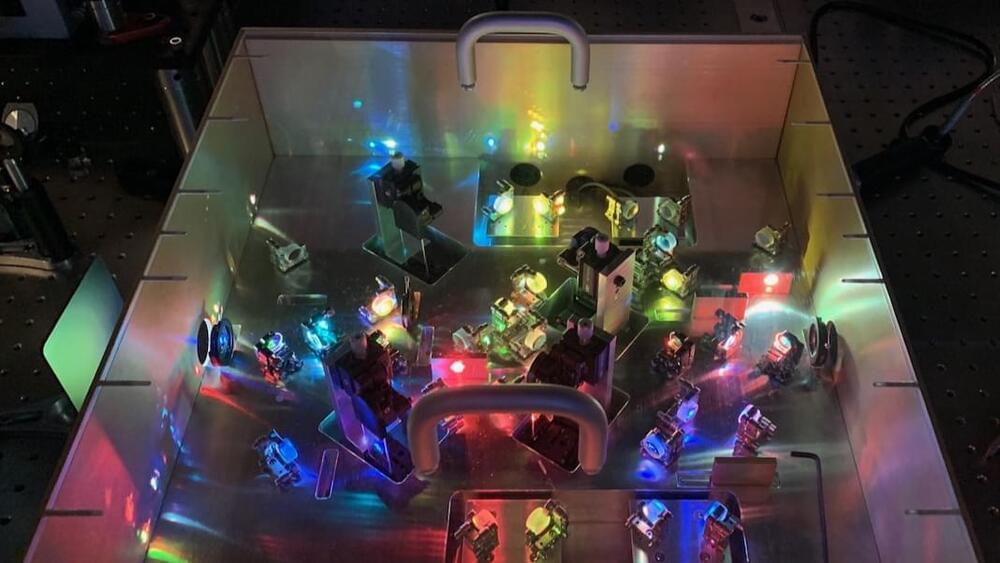
A study shows it’s possible to use laser-based systems with optical transistors to transfer information far more quickly than possible today.

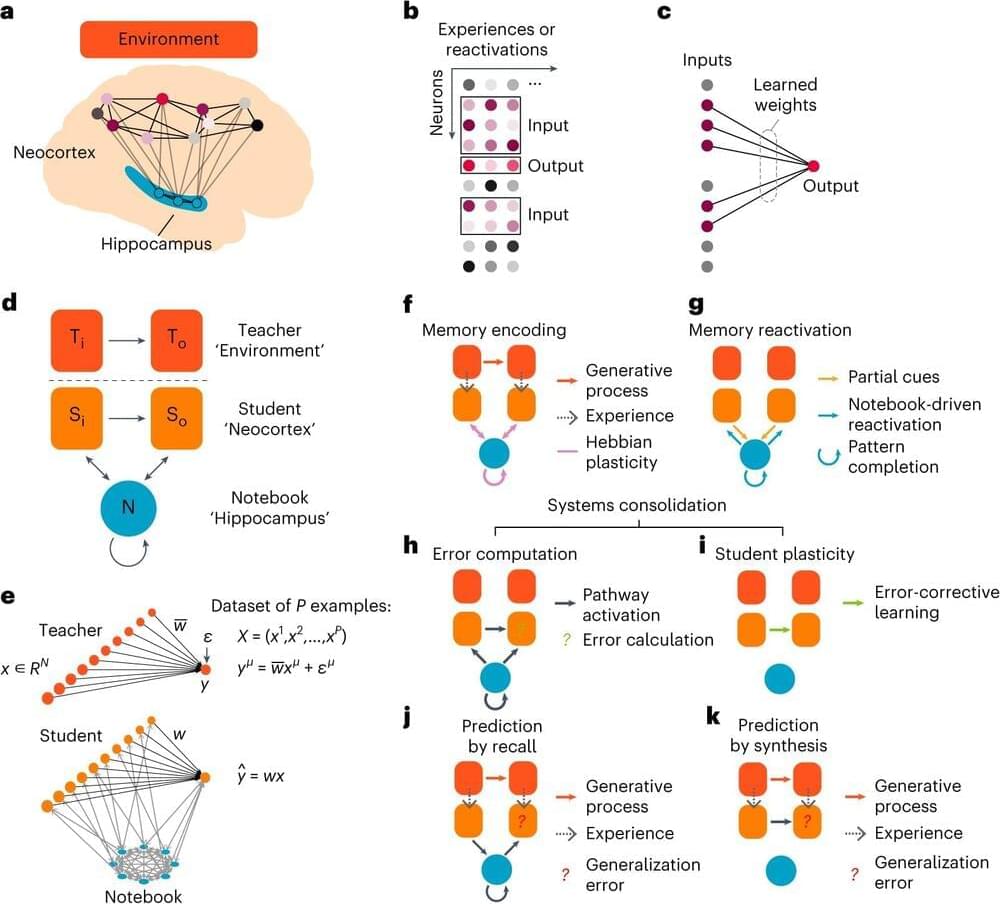
How useful a memory is for future situations determines where it resides in the brain, according to a new theory proposed by researchers at HHMI’s Janelia Research Campus and collaborators at UCL.
The theory, published in Nature Neuroscience, offers a new way of understanding systems consolidation, a process that transfers certain memories from the hippocampus —where they are initially stored—to the neocortex—where they reside long-term.
Under the classical view of systems consolidation, all memories move from the hippocampus to the neocortex over time. But this view doesn’t always hold up; research shows some memories permanently reside in the hippocampus and are never transferred to the neocortex.


Experts are worried about rising temperatures caused by human activity.
Scientists around the world are worried about recent weather events and say humans are “100 percent behind” the worrisome rise in temperatures and accompanying side effects, according to a report published by BBC News.
Among them was the hottest day ever recorded in July, breaking the global average temperature record set in 2016.
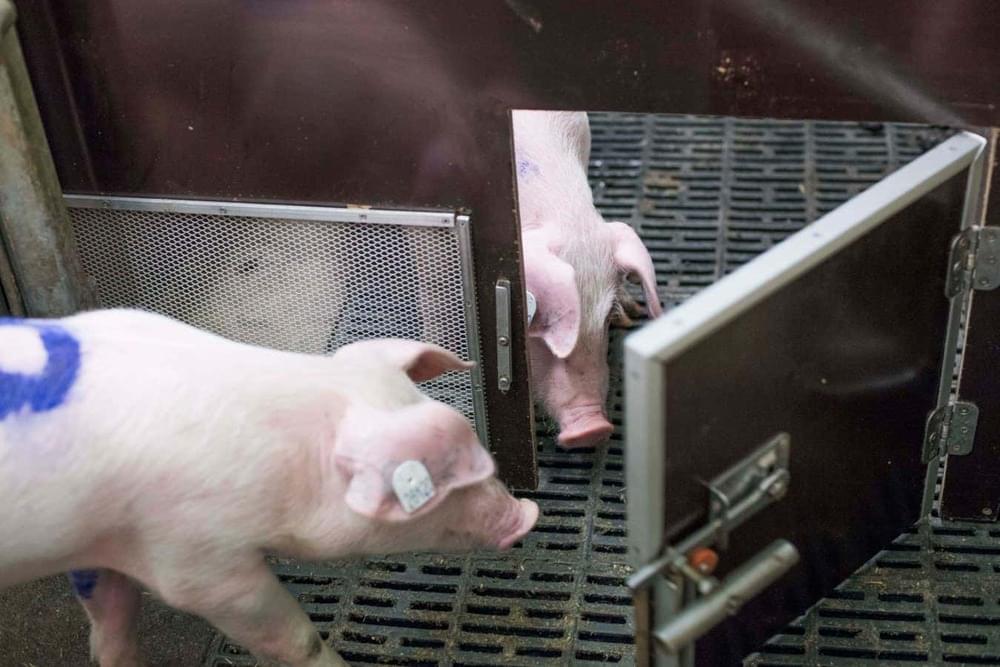
An experiment in which pigs showed an inclination to help other group members suggests they have an altruistic streak – but selfish motivations can’t be ruled out.
By Carissa Wong

It’s fair to say that the sun is one of the most-studied features in all of the cosmos, and because of that, you might expect that it’s easy to predict what it will do next. However, recent unexpected sun activity has surprised scientists and confirmed yet again how difficult it can be to predict what this cosmological phenomenon will do next.

Jiang, Y., Wu, Y., Zhang, J. et al. Dilemma in optical identification of single-layer multiferroics. Nature 619, E40–E43 (2023). https://doi.org/10.1038/s41586-023-06107-3
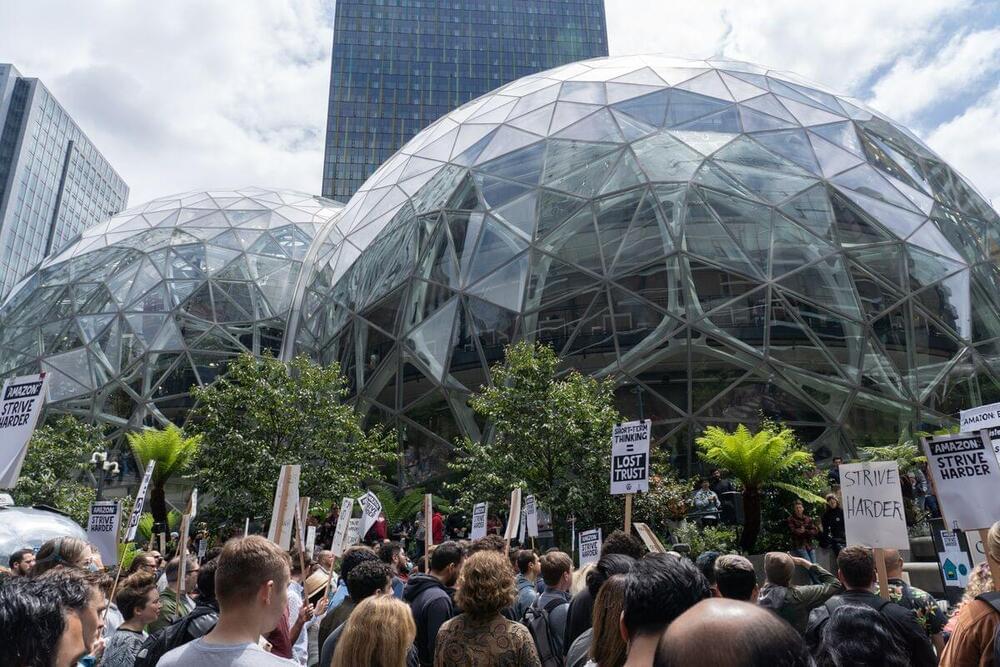
Amazon.com Inc. will require some corporate employees to relocate as part of a mandate requiring workers to be in the office three days a week, according to people familiar with the matter, the latest source of strain between the tech giant and its workforce following layoffs that began last year.