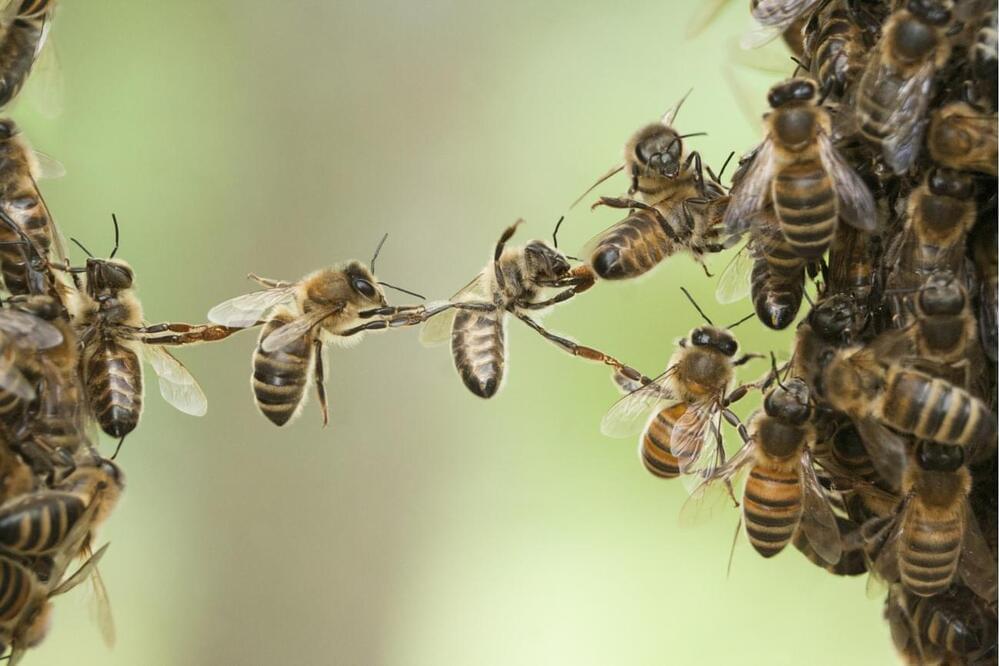
As understandings of human intelligence evolve, so, too, do understandings of animal intelligence.
A new study published in Science Advances shows female and male hearts respond differently to the stress hormone noradrenaline. The study in mice may have implications for human heart disorders like arrhythmias and heart failure and how different sexes respond to medications.
The team built a new type of fluorescence imaging system that allows them to use light to see how a mouse heart responds to hormones and neurotransmitters in real time. The mice were exposed to noradrenaline, also known as norepinephrine. Noradrenaline is both a neurotransmitter and hormone associated with the body’s “fight or flight” response.
The results reveal that male and female mouse hearts respond uniformly at first after exposure to noradrenaline. However, some areas of the female heart return to normal more quickly than the male heart, which produces differences in the heart’s electrical activity.

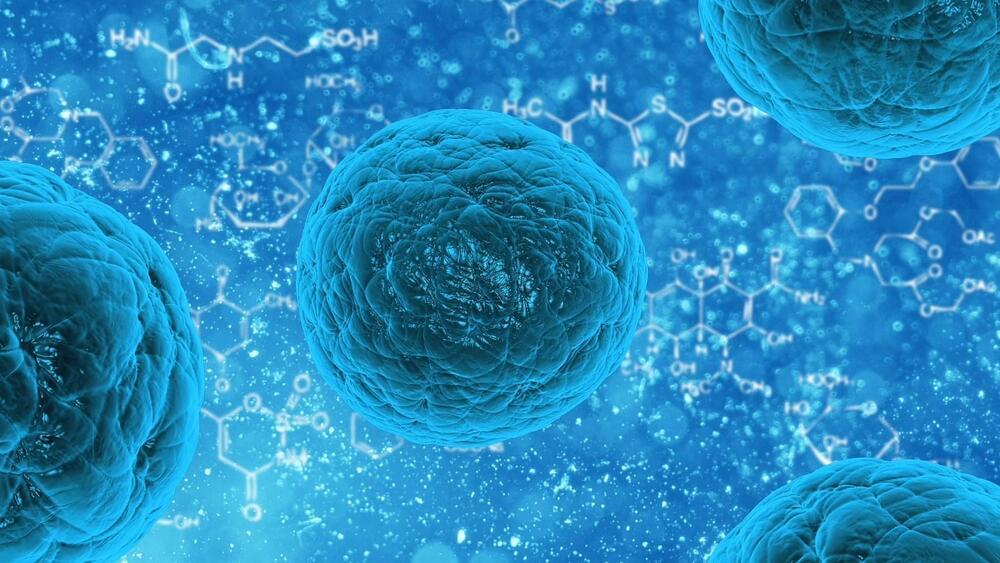
University of Queensland researchers have identified a pathway in cells that could be used to reprogram the body’s immune system to fight back against both chronic inflammatory and infectious diseases.
Dr. Kaustav Das Gupta and Professor Matt Sweet from UQ’s Institute for Molecular Bioscience discovered that a molecule derived from glucose in immune cells can both stop bacteria growing and dampen inflammatory responses. Dr. Das Gupta said that the finding is a critical step towards future therapeutics that train immune cells.
The research was published in Proceedings of the National Academy of Sciences (PNAS).
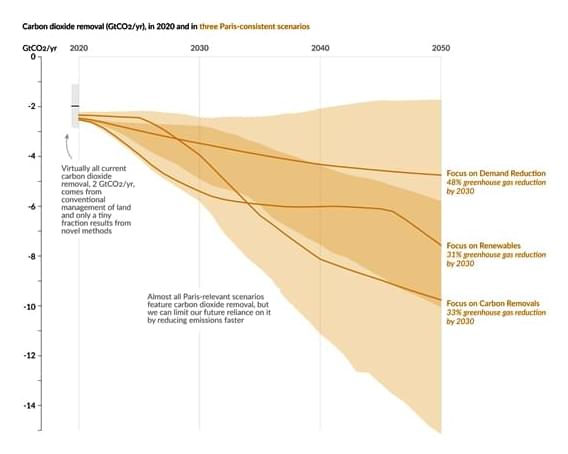
Exponential progress can be expected in the decades ahead, if all goes according to plan. […] Combined with emission reductions, and natural methods such as forest restoration, it could finally begin reversing the centuries-long build-up of CO2, which is today approaching a cumulative total of nearly 2,000 GtCO2 since the Industrial Revolution.
The first comprehensive, global assessment of carbon dioxide removal (CDR) – including both current developments and projected future trends – has been published this week by Oxford University.
The detailed analysis finds that natural methods (such as tree and soil restoration) will need to double, while new technologies such as direct air capture need a 1,300-fold capacity increase by 2050.
An overview of hints and expecations about GPT-4 and what the OpenAI CEO recently said about it.
This video explains what are mutations?
Thank You For Watching.
Please Like And Subscribe to Our Channel: https://www.youtube.com/EasyPeasyLearning.
Like Our Facebook Page: https://www.facebook.com/learningeasypeasy/
Join Our Facebook Group: https://www.facebook.com/groups/460057834950033
Support Our Channel: https://www.patreon.com/supereasypeasy
Does Tesla know how to make cars for profit? You bet.
Sandy and Cory discuss Tesla’s price cuts.
ENHANCE YOUR TESLA WITH S3XY BUTTONS
https://enhauto.com/
We are selling stickers yet again! This time, we’re raising money to buy a Tesla Semi to tear down. You can get your own Uncle Sandy sticker for $15 — or $50 if you want yours signed by the Teardown Titan himself!
Link to purchase: https://munrolive.com/store/ols/products/uncle-sandy-sticker.
According to an article by Bloomberg, investors and consumers are losing interest in plant-based meat. Could this be the end?
Not too long ago, it appeared that much of America was willing to join the plant-based beef bandwagon. But, according to various sources, including Bloomberg, plant-based meat may have seen its zenith and is already falling out of favor.
According to Global Citizen, in 2019, plant-based meat accounted for only about 1% of all meat sales nationwide. Still, it appeared that the percentage would rise due to the development of better products, significant infusions of cash into plant-based meat companies, and an initiative by restaurants like Burger King to promote protein.
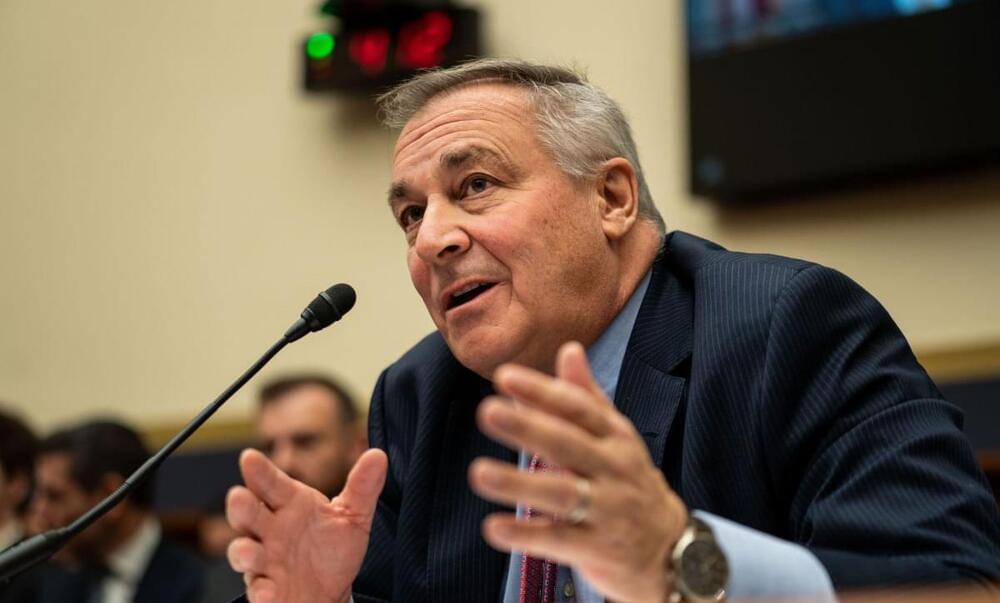
As FTX news subsided in recent weeks, the new CEO of the crypto exchange shared that he is exploring the possibility of restarting the company, according to a report from The Wall Street Journal.
John Ray III, the new FTX CEO, said in an interview that “everything is on the table,” in regards to reviving the bankrupt company’s international exchange and he has set up a task force to explore that opportunity.
WSJ also reported that Ray is looking into whether reviving the main international exchange would provide greater value to company’s customers and creditors as he and others try to return funds lost.