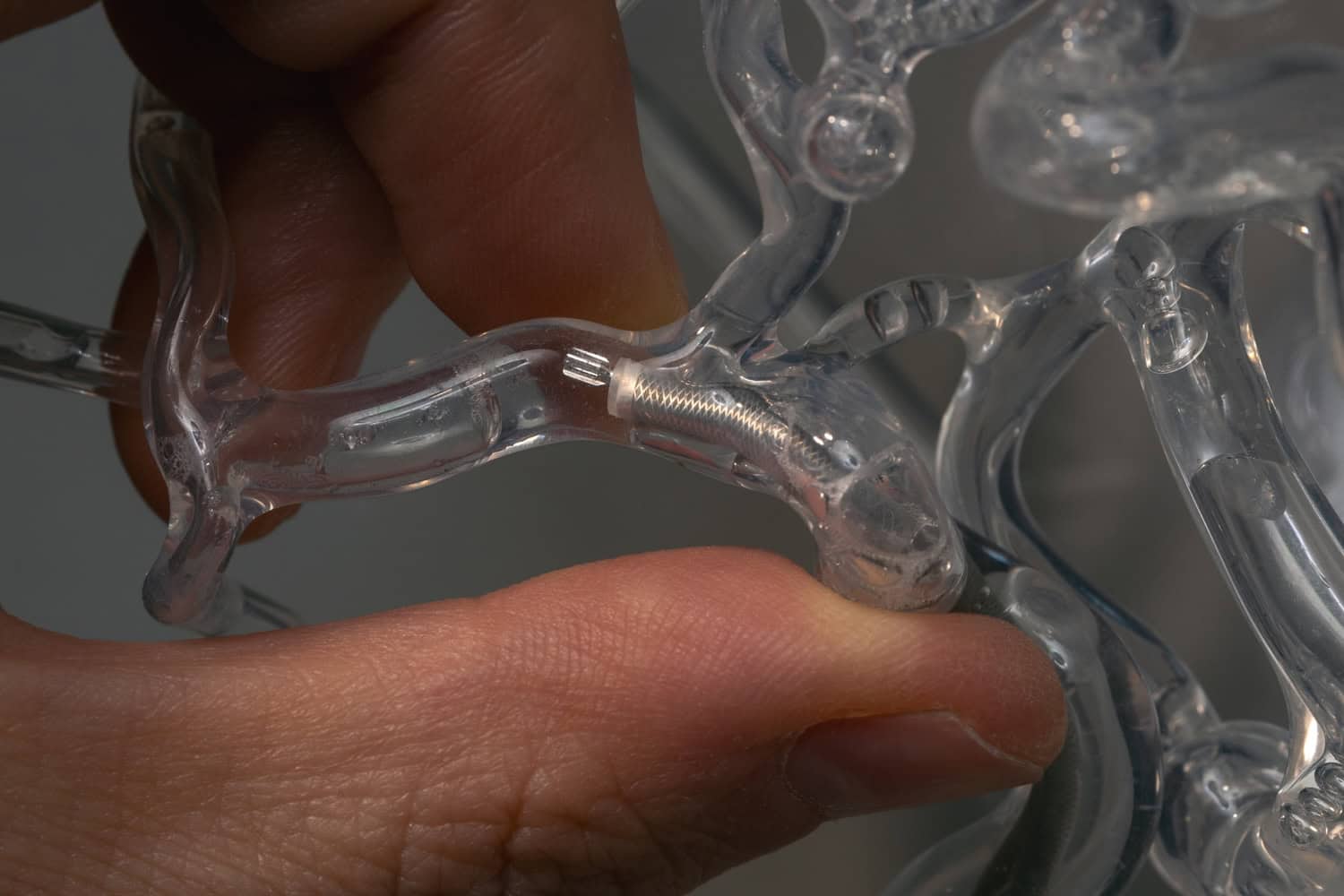
Forget brute force—Stanford engineers are using finesse to tackle deadly clots.
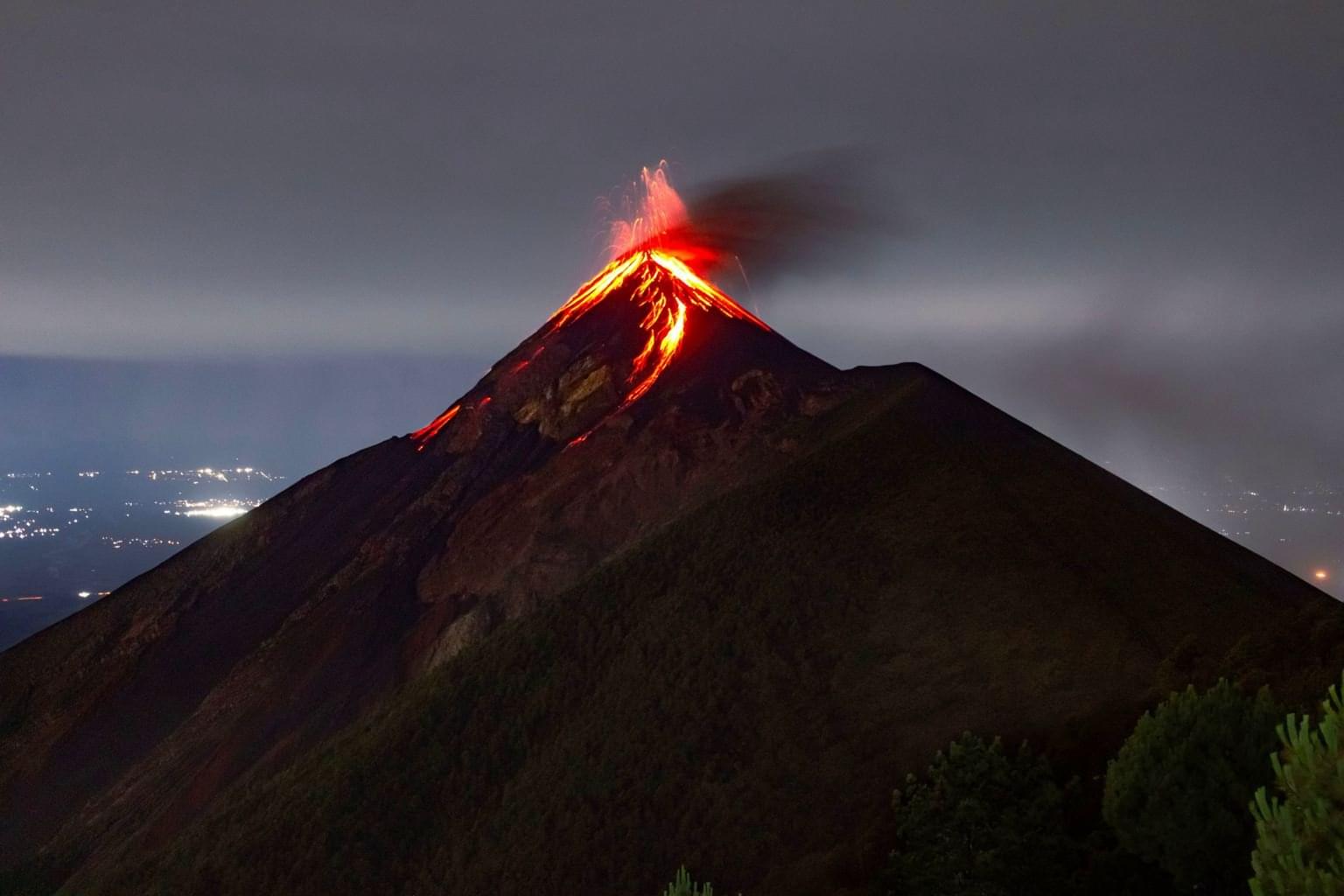
A sudden volcano eruption has shaken a beloved vacation paradise, turning a dream getaway into a scene of danger and disruption. On the scenic island of Flores in Indonesia, the Lewotobi Laki-Laki volcano has erupted, casting a thick ash plume high into the sky and prompting urgent travel warnings from the German foreign office. If you were planning a trip to this stunning island near Bali, now is the time to pause and reconsider.
The Lewotobi Laki-Laki volcano, standing nearly 5,200 feet tall, sent a towering cloud of ash nearly 6 miles above its summit, according to Indonesia’s agency for volcanic and geological hazards. This spectacular but ominous plume has blanketed the area, forcing closures and safety zones as ash drifts across the island’s lush landscapes.
After 185 years, the Asian small-clawed otter—world’s tiniest otter—rediscovered in Nepal

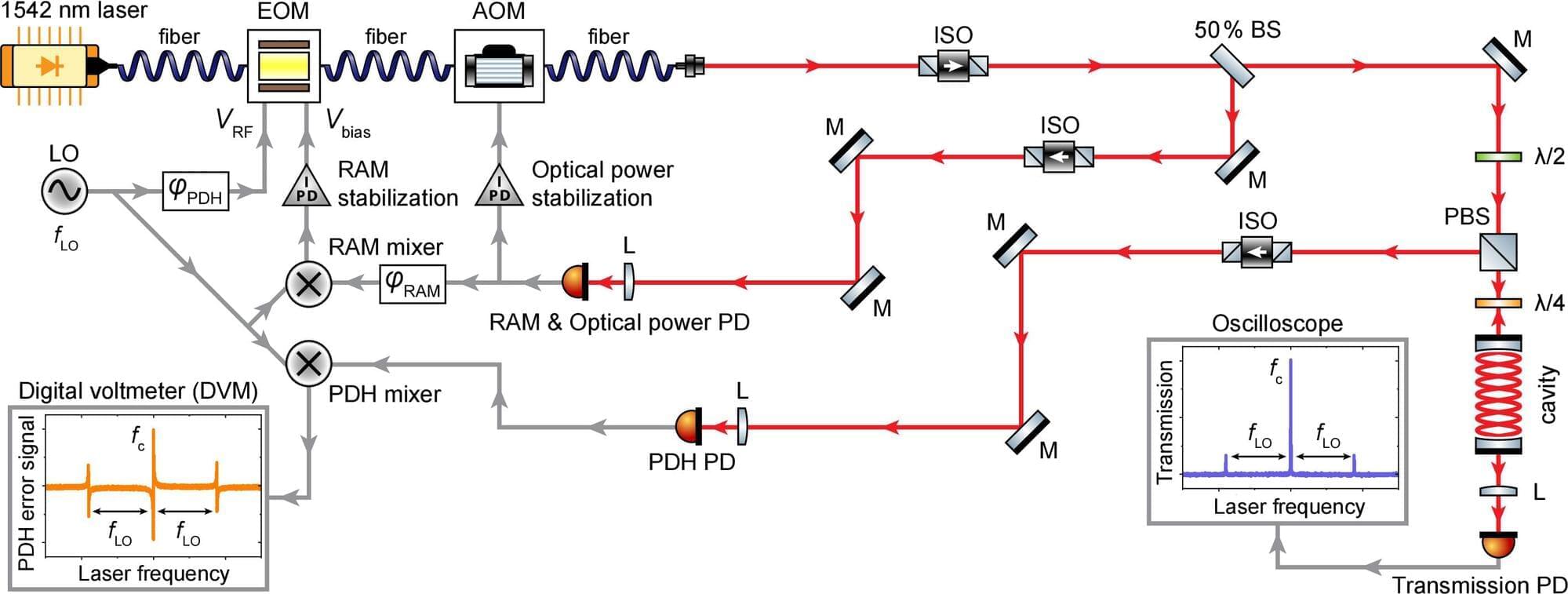
Scientists at NPL recently published findings on laser frequency stabilization, demonstrating an unprecedented level of performance using an optical reference cavity. This advancement features a beyond state-of-the-art optical storage time and a novel approach to actively cancel spurious stabilization noise.
Frequency stabilization of lasers to optical reference cavities is a well-established method for achieving superior stability. The recent work, published in Optics Letters, significantly reduces technical stabilization noise, enabling the realization of lasers with enhanced stability performance.
The team developed an optical reference cavity measuring an extraordinary 68 cm in length, achieving a record optical storage time of 300 microseconds. To put this achievement into perspective, the light trapped between the high reflectivity mirrors at either end of the 68 cm cavity can travel approximately 100 kilometers, equivalent to twice the length of the Eurotunnel.

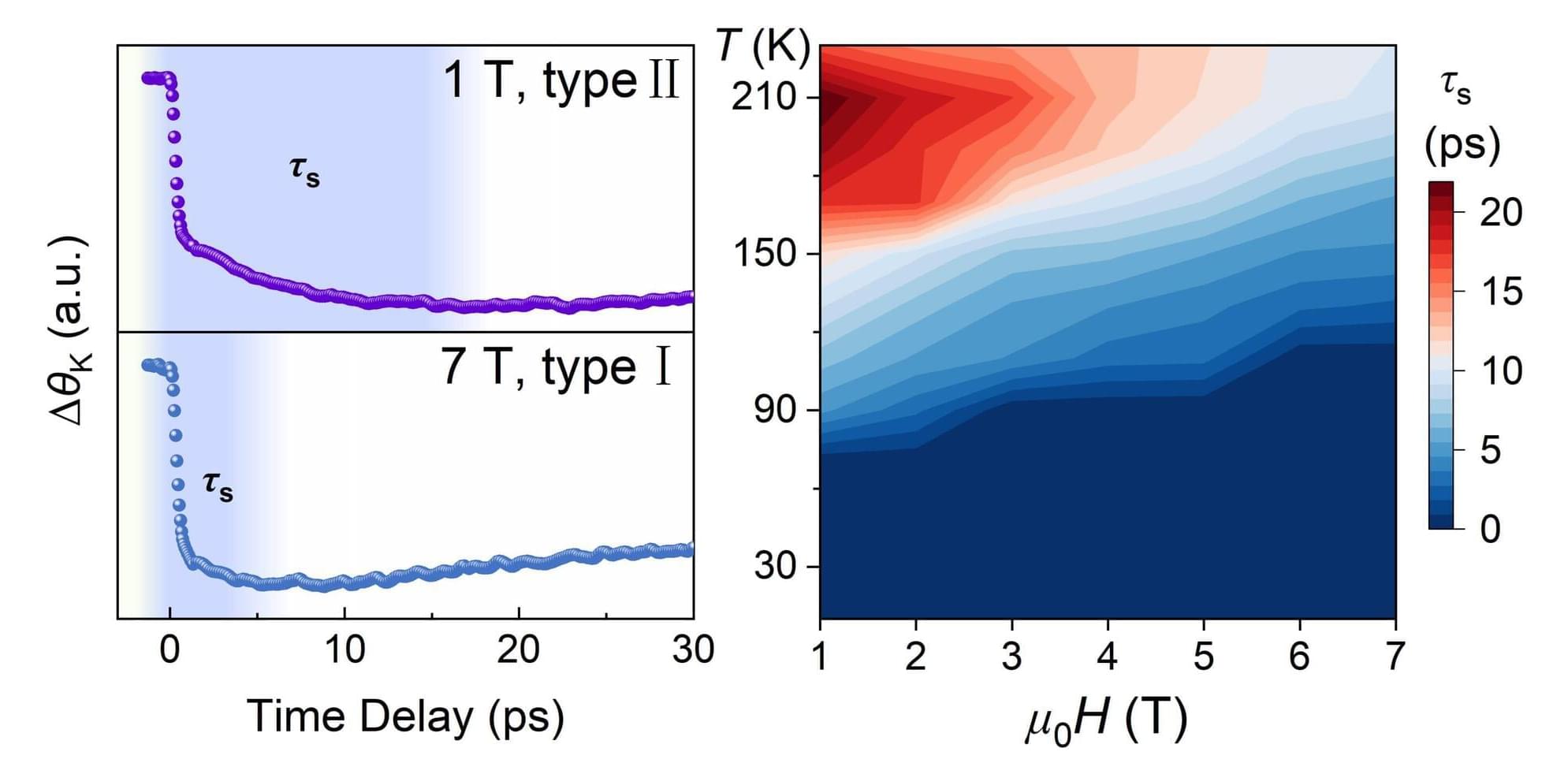
A research team led by Prof. Sheng Zhigao from the Hefei Institutes of Physical Science of the Chinese Academy of Sciences, in collaboration with Prof. A.V. Kimel from Radboud University, has demonstrated that strong magnetic fields can effectively regulate laser-induced ultrafast demagnetization in a two-dimensional (2D) van der Waals (vdW) ferromagnet.