Toggle light / dark theme

Scientists Create “Off-the-Shelf” Cartilage That Safely Guides the Body To Regrow Bone

A new study shows that engineered, cell-free cartilage can safely support bone regeneration without provoking immune rejection. New research suggests it may be possible to repair major bone damage using a tissue implant that contains no living cells. By relying on the body’s own repair machine
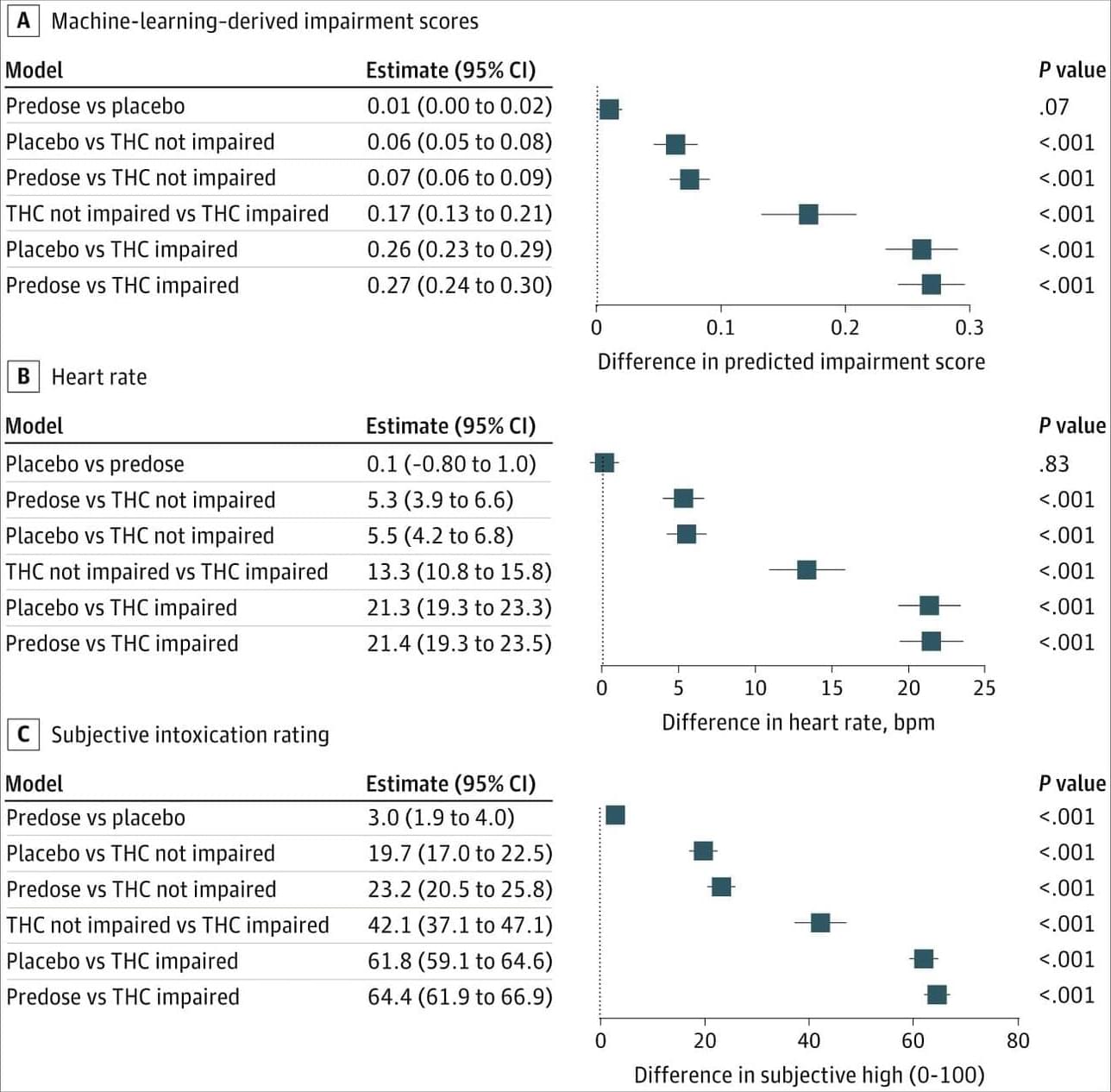
Detection of THC Impairment Using Functional Near-Infrared Spectroscopy

Among adults receiving oral THC, portable fNIRS scans detected impairment with higher accuracy and fewer false positives than field sobriety tests, supporting fNIRS as a more objective approach for cannabis impairment detection.


This crossover trial compares the accuracy of resting-state functional near-infrared spectroscopy vs standard field sobriety testing to detect ∆9-tetrahydrocannabinol (THC) impairment among adults who use cannabis.

Mechanistic insights into RNA chaperoning by Ro60 and La autoantigens

Now online! Structural and functional analyses elucidate the mechanisms by which two ATP-independent RNA chaperones, Ro60 and La, recognize and unfold misfolded RNAs. Diverse noncoding RNAs are associated with this chaperone machine, supporting a wide-ranging role in maintaining RNA homeostasis.

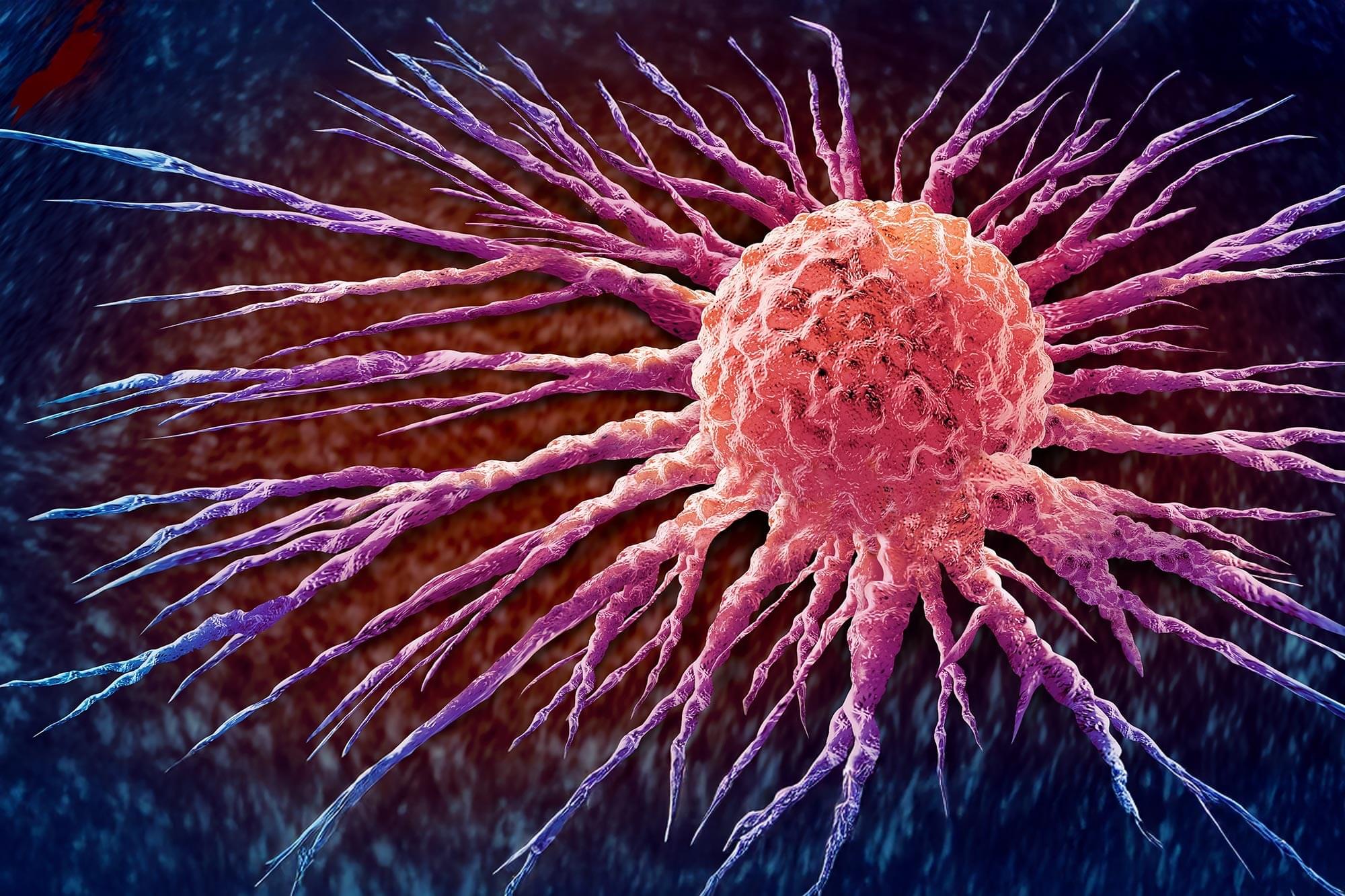
Toxin Stops Colon Cancer Growth, Without Harming Healthy Tissue

Researchers in Sweden have identified an unexpected biological mechanism that could influence future cancer treatments. Scientists in Sweden have uncovered an unexpected anti-cancer effect from a molecule produced by the bacteria responsible for cholera. In a new study from Umeå University, resea

/* */