My sixth installment of interesting research papers that I have read over the past few weeks and would like to share with my community.



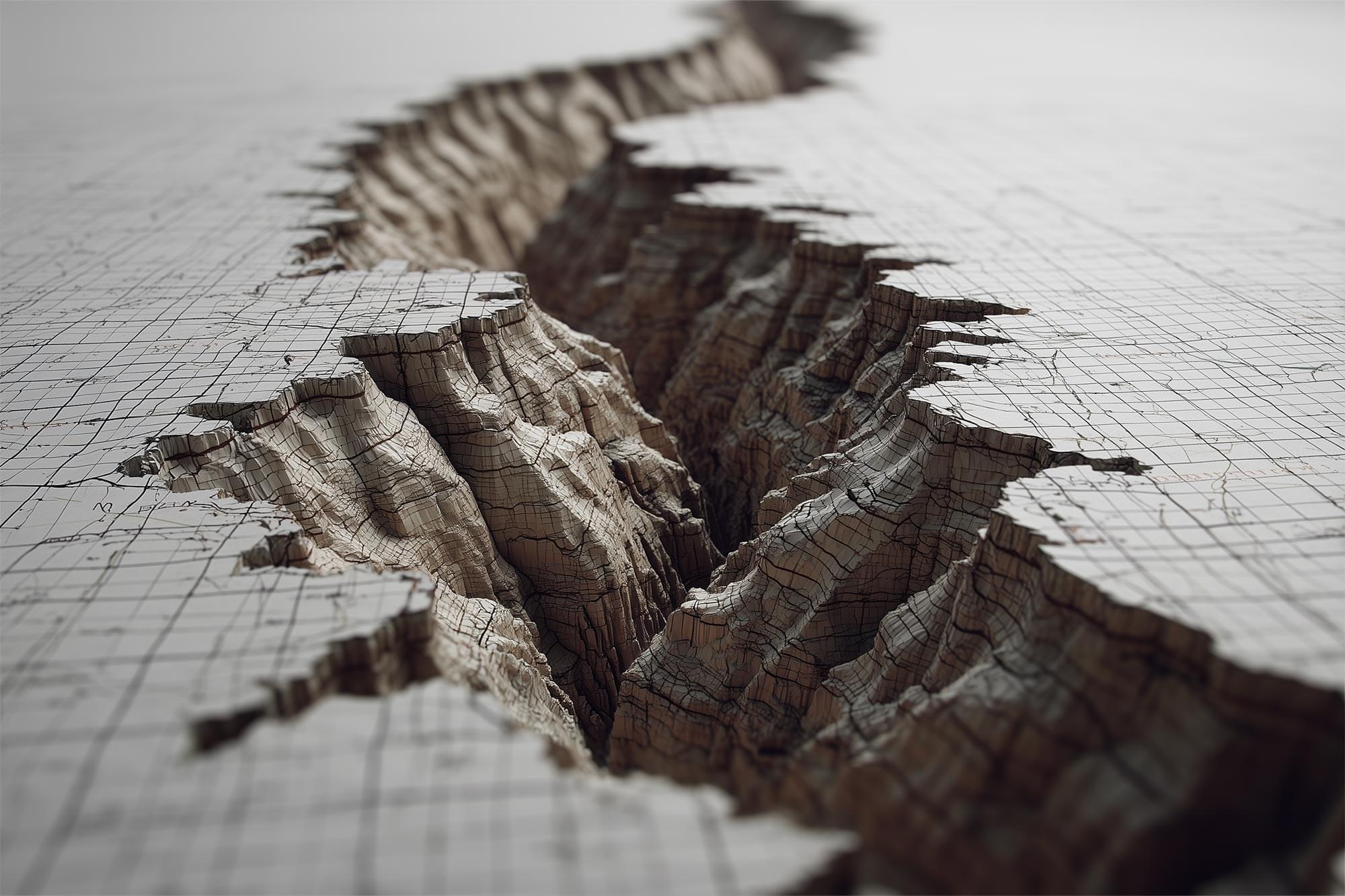
In some parts of Earth’s interior, seismic waves travel at different speeds depending on the direction in which they are moving through the layers of rock in Earth’s interior. This property is known as seismic anisotropy, and it can offer important information about how the silicate rock of the mantle—particularly at the mantle’s lowermost depths—deforms. In contrast, areas through which seismic waves travel at the same speed regardless of direction are considered isotropic.
In the bottom 300 kilometers of the mantle, also known as the D layer, anisotropy is potentially caused by mantle plumes or mantle flow interacting with the edges of large low-shear-velocity provinces: continent-sized, dense, hot BLOBs (big lower-mantle basal structures) at the base of the mantle above the core. Many questions persist about the viscosity, movement, stability, and shape of the BLOBS, as well as about how they can be influenced by mantle plumes and subduction.
Published in the journal Geochemistry, Geophysics, Geosystems, Roy and team used ASPECT, a 3D mantle convection modeling software, and ECOMAN, a mantle fabric simulation code, to examine the deep mantle. They tested five different mantle model configurations, adjusting the viscosity and density of the BLOBs. The goal was to see which configuration would most closely re-create the observed seismic anisotropy.