Toggle light / dark theme

Mystery of why humans die around 80 may finally be solved

Very good news, if unsurprising.

We already have multiple viable avenues of reducing — or eliminating altogether — this particularly pernicious form of remorseless biological entropy.

So good news… UNLESS you’re one of those people who think death is what MAKES life somehow MEANINGFUL, or that living for thousands of years or more would be BORING.

I — incase you haven’t noticed — am NOT one of those people! 😉👈


The mystery of why humans die at around 80, while other mammals live far shorter or longer lives, may finally have been solved by scientists.

Humans and animals die after amassing a similar number of genetic mutations, researchers have found, suggesting the speed of DNA errors is critical in determining the lifespan of a species.

Genetic Link Between Routine Blood Test Results and Mental Health Disorders Discovered

Summary: Researchers identified a genetic correlation between blood biomarkers and a range of mental health disorders. The study provides evidence some substance measures within the blood may be involved in the cause of mental illnesses. For example, immune system proteins may be involved in the development of depression, schizophrenia, and anorexia.

Source: The Conversation.

Mental health disorders including depression, schizophrenia, and anorexia show links to biological markers detected in routine blood tests, according to our new study of genetic, biochemical and psychiatric data from almost a million people.

Doctors Successfully Transplant a Pig Kidney to a Human for First Time Ever

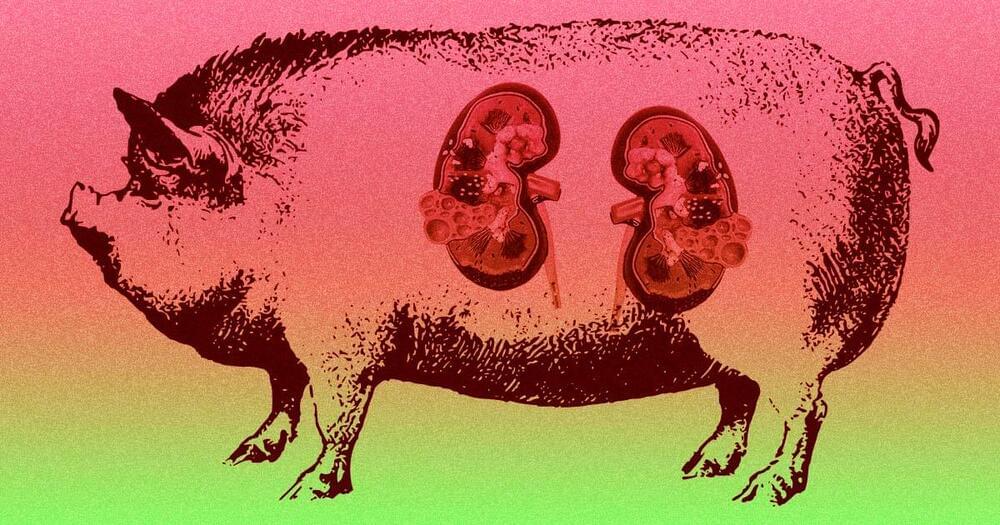
For the first time ever, doctors have successfully transplanted a kidney from a pig to a human — and, they say, the organ functioned normally.

The procedure occurred between a genetically-altered pig and a brain dead human patient at NYU Langone Health, according to The New York Times. The pig was genetically engineered to grow a kidney that would be accepted by a human body. The organ was then attached to the patient’s blood vessels in the upper leg, outside of the abdomen, where the researchers observed it functioning normally.

“It was better than I think we even expected,” Dr. Robert Montgomery, director of the NYU Langone Transplant Institute, told the NYT. Montgomery helped perform the procedure in September and told the paper that itlooked like any transplant I’ve ever done from a living donor. A lot of kidneys from deceased people don’t work right away, and take days or weeks to start. This worked immediately.”

Thousands of new viruses discovered in the ocean

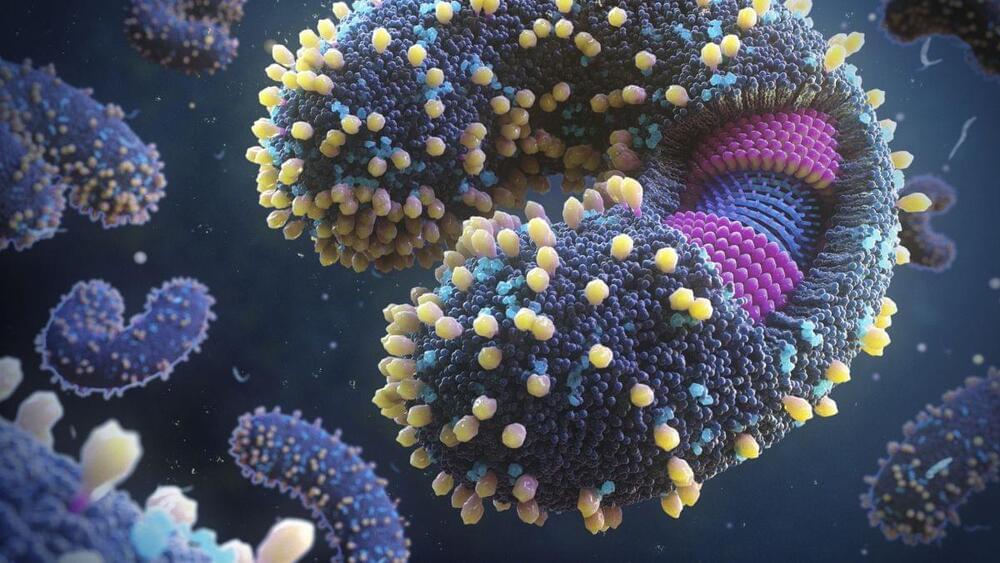
More than 5,000 new virus species have been identified in the world’s oceans, according to a new study.

The study researchers analyzed tens of thousands of water samples from around the globe, hunting for RNA viruses, or viruses that use RNA as their genetic material. The novel coronavirus, for instance, is a type of RNA virus. These viruses are understudied compared with DNA viruses, which use DNA as their genetic material, the authors said.

Lung Cancer Patients With Variant of the CTLA-4 Gene May Respond Better to Immunotherapy

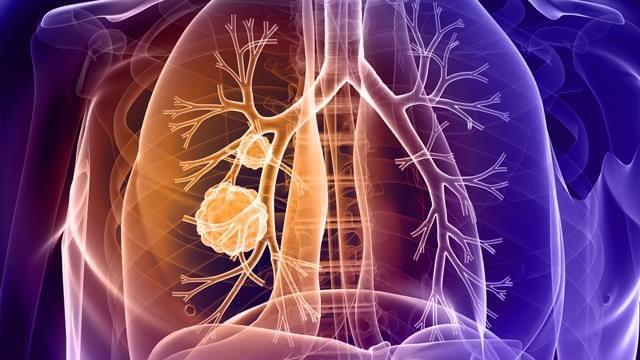
A variant of the CTLA-4 gene associated with autoimmune disease was found to be more frequent in non-small cell lung cancer (NSCLC) patients who experienced an exceptionally high response to anti-PD-1 immunotherapy and higher immune-related side effects than in a comparable cohort of lung cancer patients and healthy individuals, according to data presented during the AACR Annual Meeting 2022, held April 8–13.

“Inhibitors of the immune checkpoint proteins PD-1/PD-L1 have transformed the cancer treatment landscape. However, there remains large variability in response and unpredictable adverse events, including autoimmune reactions, in NSCLC patients who undergo this treatment,” said presenter India Allen, BSc, from the Garvan Institute of Medical Research, St Vincent’s Medical School, UNSW, Australia. “There are currently limited biomarkers to effectively predict this variability, and the extent to which a patient’s genetic makeup contributes to response is not well understood.”

The occurrence of immune-related adverse events (irAEs)—the side effects that arise in response to activation of the immune system by immunotherapy—is known to correlate with higher response to anti-PD-1 therapy and improved outcomes in NSCLC patients.

Researchers discover more than 5,500 new RNA virus species in the ocean

Our next challenge, then, was to determine the evolutionary connections between these genes. The more similar the two genes were, the more likely viruses with those genes were closely related. Because these sequences had evolved so long ago (possibly predating the first cell), the genetic signposts indicating where new viruses may have split off from a common ancestor had been lost to time. A form of artificial intelligence called machine learning, however, allowed us to systematically organize these sequences and detect differences more objectively than if the task were done manually.

We identified a total of 5,504 new marine RNA viruses and doubled the number of known RNA virus phyla from five to 10. Mapping these new sequences geographically revealed that two of the new phyla were particularly abundant across vast oceanic regions, with regional preferences in either temperate and tropical waters (the Taraviricota, named after the Tara Oceans expeditions) or the Arctic Ocean (the Arctiviricota).

Scientists Transformed Plastic Bottles Into Edible Material Using Bacteria

We produce more than 380 million tonnes of plastic every year, with over 8 million tons of plastic waste escaping into our oceans. Scientists have come up with a creative solution to address this growing plastic problem, and the best thing is that their solution smells and tastes divine.

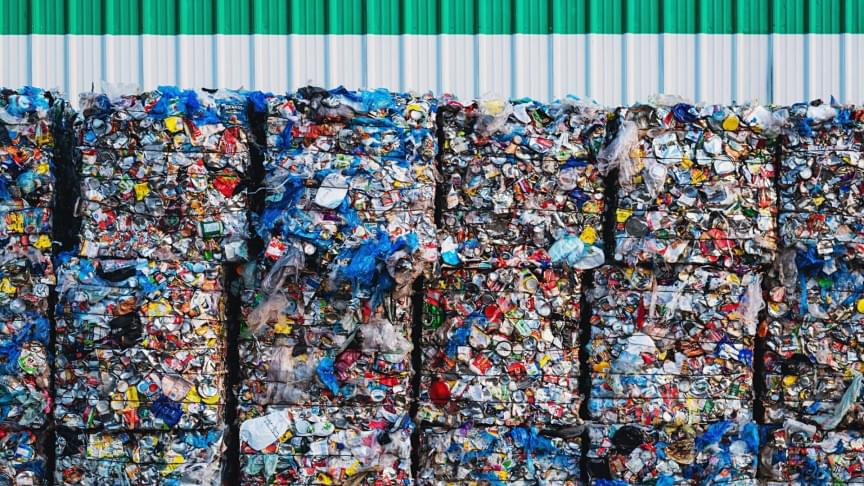
By getting help from a genetically modified bacteria, a team of researchers at the University of Edinburgh was able to turn plastic bottles into vanilla flavoring. This is the first time a valuable chemical has been achieved from plastic waste.

The study, published in the journal Green Chemistry, explains how bacteria may be used to transform plastic into vanillin, a compound that is used not just in food, but also in cosmetics and pharmaceuticals.

Over 5,000 Previously Unknown Viruses Have Been Discovered Lurking in The Oceans

An analysis of the genetic material in the ocean has identified thousands of previously unknown RNA viruses and doubled the number of phyla, or biological groups, of viruses thought to exist, according to a new study our team of researchers has published in the journal Science.

RNA viruses are best known for the diseases they cause in people, ranging from the common cold to COVID-19. They also infect plants and animals important to people.

These viruses carry their genetic information in RNA, rather than DNA. RNA viruses evolve at much quicker rates than DNA viruses do. While scientists have cataloged hundreds of thousands of DNA viruses in their natural ecosystems, RNA viruses have been relatively unstudied.

Age of skin cells reversed by 30 years

The researchers looked at multiple measures of cellular age. First, they used the epigenetic clock, where chemical tags throughout the genome indicate age. Secondly, they looked at the transcriptome, all the gene readouts produced by the cell. By these two measures, the reprogrammed cells matched the profile of cells that were 30 years younger, compared to reference data sets. In other words, cells from a woman of 53 now appeared like those of a woman aged 23.

The potential applications of this technique are dependent on cells not only appearing younger, but functioning like young cells too. Fibroblasts produce collagen – a molecule found in bones, skin tendons, and ligaments, helping provide structure to tissues and heal wounds. In this study, the rejuvenated fibroblasts produced more collagen proteins compared to control cells that did not undergo the reprogramming process. Fibroblasts also move into areas that need repairing. Researchers tested the partially rejuvenated cells by creating an artificial cut in a layer of cells in a dish, seen in the video below. The treated fibroblasts moved into the gap faster than older cells. This is a promising sign that one day this research could eventually be used to create cells that are better at healing wounds.

In the future, this research may also open up other therapeutic possibilities; the researchers observed that their method also influenced other genes linked to age-related diseases and symptoms. The APBA2 gene – associated with Alzheimer’s, and the MAF gene with a role in the development of cataracts – both showed changes towards youthful levels of transcription.


/* */