AUSTIN, Texas — Producing clean water at a lower cost could be on the horizon after researchers from The University of Texas at Austin and Penn State solved a complex problem that had baffled scientists for decades, until now.
Desalination membranes remove salt and other chemicals from water, a process critical to the health of society, cleaning billions of gallons of water for agriculture, energy production and drinking. The idea seems simple — push salty water through and clean water comes out the other side — but it contains complex intricacies that scientists are still trying to understand.
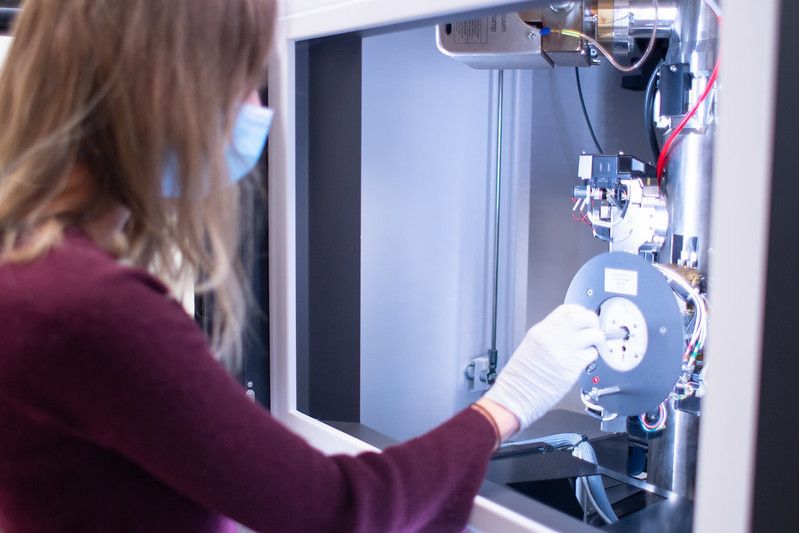
The research team, in partnership with DuPont Water Solutions, solved an important aspect of this mystery, opening the door to reduce costs of clean water production. The researchers determined desalination membranes are inconsistent in density and mass distribution, which can hold back their performance. Uniform density at the nanoscale is the key to increasing how much clean water these membranes can create.
Ralph Baric, PhD, is the William R. Kenan, Jr. Distinguished Professor in the Department of Epidemiology and Professor in the Department of Microbiology and Immunology. He is a Harvey Weaver Scholar from the National Multiple Sclerosis Society and an Established Investigator Awardee from the American Heart Association. In addition, he is a World Technology Award Finalist and a fellow of the American Association for Microbiology. He has spent the past three decades as a world leader in the study of coronaviruses and is responsible for UNC-Chapel Hill’s world leadership in coronavirus research. For these past three decades, Dr. Baric has warned that the emerging coronaviruses represent a significant and ongoing global health threat, particularly because they can jump, without warning, from animals into the human population, and they tend to spread rapidly.
The Baric Lab uses coronaviruses as models to study the genetics of RNA virus transcription, replication, persistence, pathogenesis, genetics and cross-species transmission. He has used alphavirus vaccine vectors to develop novel candidate vaccines. Dr. Baric has led the world in recognizing the importance of zoonotic viruses as a potentially rich source of new emerging pathogens in humans, with detailed studies of the molecular, genetic and evolutionary mechanisms that regulate the establishment and dissemination of such a virus within a newly adopted host. Specifically, he works to decipher the complex interactions between the virion and cell surface molecules that function in the entry and cross-species transmission of positive-strand RNA viruses.
In 20172018 and 2019, Dr. Baric was named to Clarivate Analytics’ Highly Cited Researchers list, which recognizes researchers from around the world who published the most widely-cited papers in their field. Also in 2017, he was awarded a grant for more than $6 million from the National Institute of Allergy and Infectious Diseases (NIAID) to accelerate the development of a promising new drug in the fight against deadly coronaviruses, which is currently in clinical trials to reverse COVID-19 disease in humans. In this collaboration, he continued his partnership between the Gillings School and Gilead Sciences Inc. to focus on an experimental antiviral treatment that he had previously shown to prevent the development of severe acute respiratory syndrome coronavirus (SARS-CoV) in mice. The drug also was shown to inhibit MERS-CoV and multiple other coronaviruses (CoV), suggesting that it may actually inhibit all CoV. He continues to work with this drug.
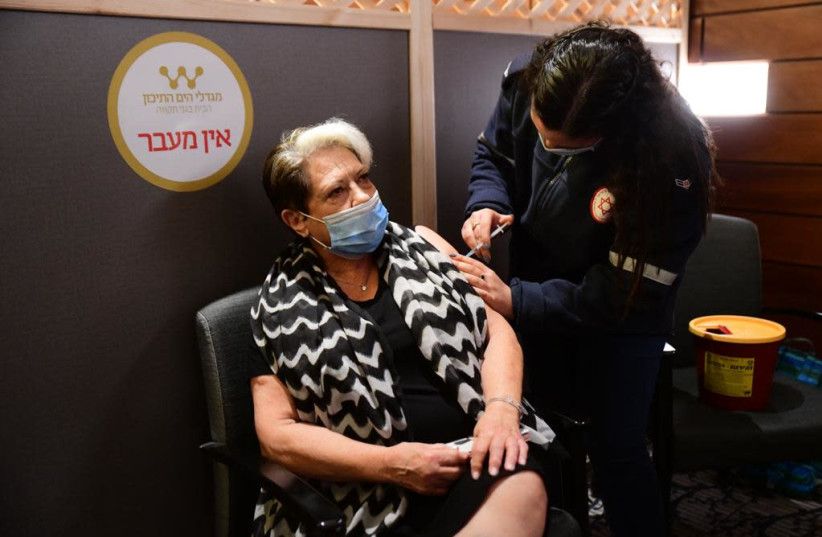
Some 21 residents of a Bat Yam retirement home tested positive for the coronavirus after they were vaccinated but before they had developed antibodies, according to Ynet.
The other 150 residents of the home will be tested for the virus.
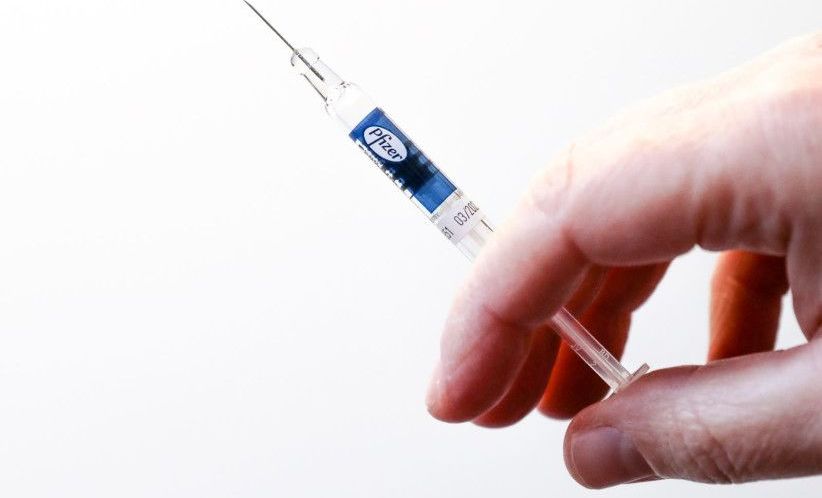
Health officials have stressed that the two-dose Pfizer vaccine regimen means that the vaccine is only fully effective about five weeks after the first dose. This means it could take until sometime in February for enough elderly and high-risk people to be vaccinated to help lower the spread of infection and start reopening the economy.
Moreover, the risk of catching coronavirus after the first jab has been confirmed in that some 15000 patients who received the first dose of the vaccine were screened and 428 were confirmed positive for COVID-19 and some 12 people were hospitalized, according to reports. It is possible that some of them were exposed to the virus even before being vaccinated.
On Friday morning, Israel’s one millionth citizen was vaccinated against the novel coronavirus in the presence of Prime Minister Benjamin Netanyahu and Health Minister Yuli Edelstein.
MEXICO CITY (Reuters) — Mexican authorities said they are studying the case of a 32-year-old female doctor who was hospitalized after receiving the Pfizer-BioNTech COVID-19 vaccine.
The doctor, whose name has not been released, was admitted to the intensive care unit of a public hospital in the northern state of Nuevo Leon after she experienced seizures, difficulty breathing and a skin rash.
“The initial diagnosis is encephalomyelitis,” the Health Ministry said in a statement released on Friday night. Encephalomyelitis is an inflammation of the brain and spinal cord.
Summary: Treatment with LAU-0901, a synthetic molecule that blocks pro-inflammatory platelet-activating factor, in addition to aspirin-triggered NPD1, reduced the size of damage areas in the brain, initiated repair mechanisms, and improved behavioral recovery following ischemic stroke.
Source: LSU
Research conducted at LSU Health New Orleans Neuroscience Center of Excellence reports that a combination of an LSU Health-patented drug and selected DHA derivatives is more effective in protecting brain cells and increasing recovery after stroke than a single drug.
Colorado public health officials on Tuesday confirmed the first U.S. case of the new highly contagious strain of the coronavirus that was first discovered in Britain weeks ago, prompting a new set of lockdowns there.
A state lab informed the Centers for Disease Control and Prevention (CDC) about the presence of the strain in a man in his 20s from Elbert County. He has no travel history and is isolating himself until cleared by public health officials, Gov. Jared Polis said in a statement.
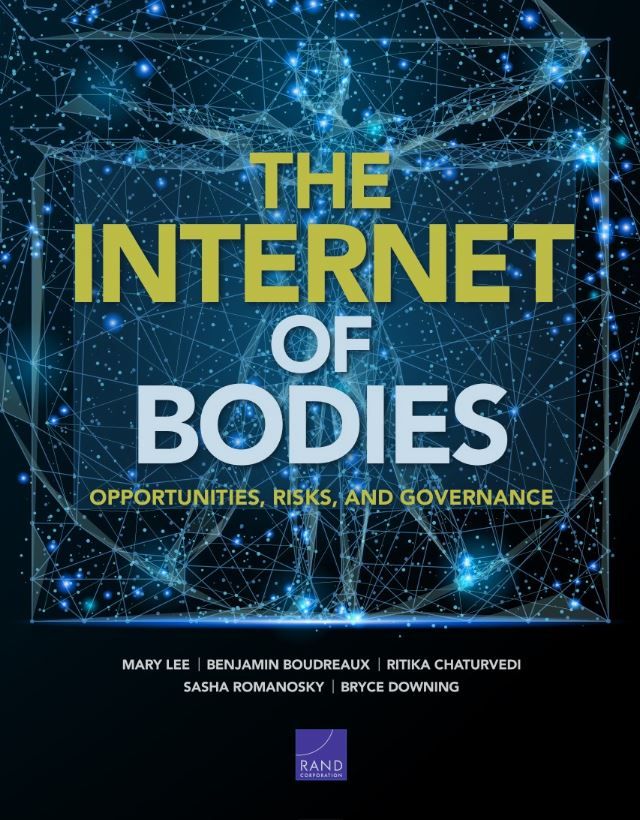
For those of us who don’t think that even our bowel movements will soon be inventoried, tracked and timestamped during every moment of existence, here is a just published white paper from the Rand Corporation, an influential think tank created in 1948 to offer research and analysis to the US military, which begs to differ.
The November 2020 whilte paper, published under the title “The Internet of Bodies,” focuses on the advantages and disadvantages, security and privacy risks, plus the ethical implications of what it calls a growing “Internet of Bodies (IoB).”
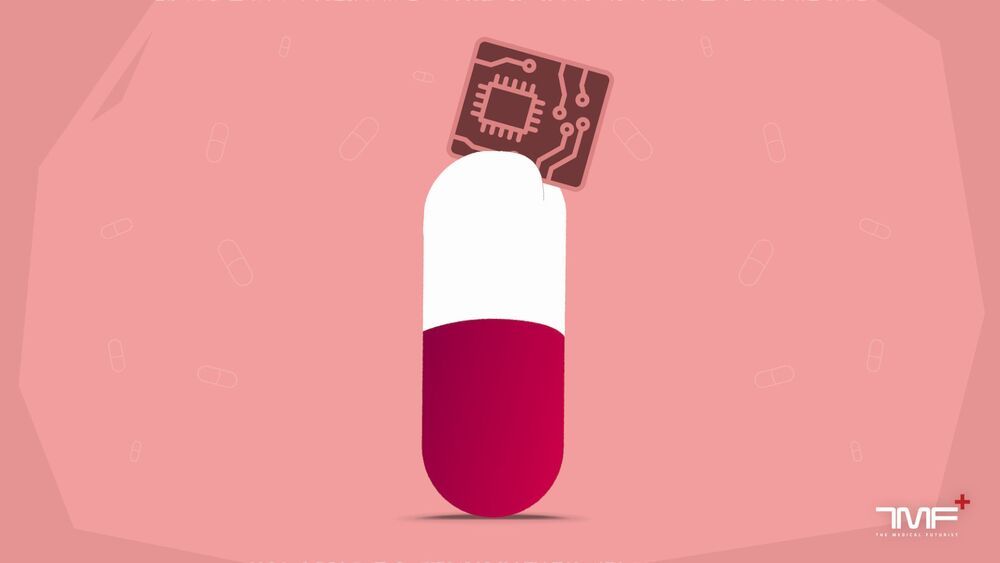
IoB tools are internet-connected “smart” devices increasingly available in the marketplace which promise to track and upload to the internet measurements related to individual heartbeat, blood pressure and other bodily functions in real time for purposes of health, exercise, security or other reasons.
In October, threat actors hit the Wyckoff Heights Medical Center in Brooklyn and the University of Vermont Health Network. The cyber attack took place on October 28 and disrupted services at the UVM Medical Center and affiliated facilities.
A month later, the University of Vermont Medical Center was continuing to recover from the cyber attack that paralyzed the systems at the Burlington hospital.
In early December, Hospital CEO Dr. Stephen Leffler announced that the attack that took place in late October on the computer systems of the University of Vermont Medical Center is costing the hospital about $1.5 million a day in lost revenue and recovery costs.
A 75-year-old man from Northern Israel died of a heart attack about two hours after being vaccinated against the novel coronavirus, the Health Ministry has confirmed. The man had pre-existing conditions and had suffered from heart attacks in the past, the ministry said. Health Ministry director-general Chezy Levy has launched an investigation into the incident. “We share in the grief of the family,” Levy said in a statement. The man was inoculated at around 8:30 a.m. at a Clalit clinic. He stayed at the facility, as is customary, for a short period of time to ensure he had no side effects. When he felt well, the clinic released him. Levy noted that the initial findings do not show a link between the man’s death and his vaccination. Recall that when Pfizer presented its safety data to the US Food and Drug Administration back in early December, it was found that two trial participants had died after receiving the vaccine.
A 75-year-old man from Beit She’an died of a heart attack about two hours after being vaccinated against the novel coronavirus on Monday morning, the Health Ministry reported. The man had preexisting conditions and had suffered from heart attacks in the past, it said. Health Ministry director-general Chezy Levy has launched an investigation into the incident. “We share in the grief of the family,” he said in a statement. The man was inoculated at around 8:30 a.m. at a Clalit Health Services clinic. He stayed at the facility, as is customary, for a short period of time to ensure he had no side effects. When he felt well, the clinic released him. The initial findings do not show a link between the man’s death and his vaccination, Levy said. When Pfizer presented its safety data to the US Food and Drug Administration in early December, it was found that two trial participants had died after receiving the vaccine. One of the deceased was immunocompromised, meaning the person’s immune defenses were low. In response to the report of those deaths, Israel’s Midaat Association said when vaccines are administered to at-risk populations, “there may be unfortunate cases. One should not infer from this about the safety of the vaccine, but welcome the transparency required from the pharma companies in the drug approval process.”