Toggle light / dark theme

Cryotechnology in Diagnosing and Treating Lung Diseases

Cryotechnology has been used in treating lung cancer for many years, now it is emerging to have a new indication in diagnosing lung diseases. Cryoprobe transbronchial lung biopsy has been introduced into clinical practice as a new technique, providing a larger biopsy specimen, potentially improving the diagnostic yield of transbronchial biopsies in parenchymal lung diseases. Although recent small pilot studies suggest that cryotransbronchial lung biopsies are comparable to conventional transbronchial biopsies in terms of diagnostic yield and safety profile in lung transplant patients, cryoprobe transbronchial lung biopsy is still being evaluated and its role in clinical practice is not well defined. Cryotherapy has been proven as a safe and effective method to debulk endobronchial lesions, providing palliation for advanced central obstructive tumors. Its use and efficacy is also studied in direct cryosurgery and percutaneous application in lung cancer. Cryoprobes can also be used to extract foreign bodies from the airways by causing cryoadhesion. We aim to summarize the therapeutic and diagnostic application of cryotechnology in pulmonary diseases.

Conquering the Challenge of Isolation in Space: NASA’s Human Research Program Director Receives National Recognition

On a recent afternoon at the Johnson Space Center, Bill Paloski, Ph.D., Director of NASA’s Human Research Program (HRP), commented on HRP’s mission to protect the health and safety of astronauts. He reflected on some of the human hazards of space, including radiation, isolation and confinement, distance from Earth, altered gravity, and hostile/closed environments.

“We still have a lot to learn about these hazards,” says Paloski. “For instance, how long does it take for space radiation to damage the human body? When you’re isolated, and can’t get home or talk to your family, how long can you stay positive? NASA’s Human Research Program exists to ensure the safety of brave people who are navigating unfamiliar territory in very stressful conditions. We need this program and its research teams to develop strategies to protect our explorers and pioneers who represent the front line of our nation’s space program.”

Paloski’s dedication to improving the lives of this “front line” has provided benefit to other sectors of the federal government, including those who serve the nation in high-risk missions and those in our military services. In recognition of these benefits, Paloski recently received the prestigious Robert M. Yerkes Award for significant contributions to military psychology by a non-psychologist.

How Bullying May Shape Adolescent Brains

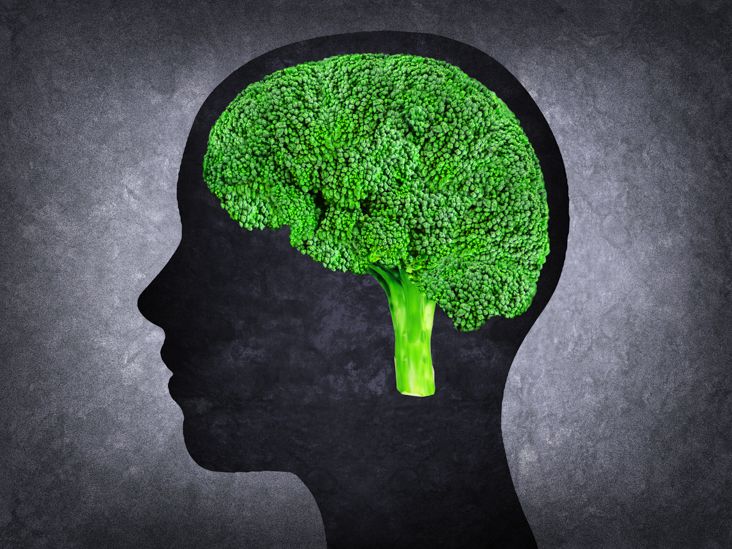
In recent years, a steadily increasing volume of data has demonstrated that peer victimization — the clinical term for bullying — impacts hundreds of millions of children and adolescents, with the effects sometimes lasting years and, possibly, decades. The problem is even recognized as a global health challenge by the World Health Organization and the United Nations. And yet, researchers maintain there is still a limited understanding of how the behavior may physically shape the developing brain.

Three Americans Have Died After Contracting Rare Brain-Infecting Virus Spread by Mosquitoes

On Monday, Rhode Island health officials reported that a resident had died after contracting the Eastern equine encephalitis (EEE) virus. The death marks the third fatality linked to EEE reported this year, and the second such case documented in less than a week.

The summer is winding down for many in the U.S., but this rare viral infection spread by mosquitoes is still claiming lives. Health officials first reported the resident’s case of EEE in late August, noting at the time that the person was in critical condition. It was the first case reported in Rhode Island since 2010. The resident, only disclosed to be in their 50s, died Sunday, making theirs the first EEE-related death documented in the state since 2007.

Honey With Turmeric The Most Potent Antibiotic That Not Even Doctors Can Explain

The amazing properties and unique flavor of turmeric have been valued and used for centuries. This incredibly healthy deep-yellow spice offers a myriad of medicinal qualities, and is commonly used in the Chinese, Indian and Ayurvedic medicine. health, medicine, science, health, medicine, science, health, medicine, science, health, science.

People have used turmeric in the treatment of wounds and cuts, skin issues, muscle sprains, liver diseases, respiratory issues, and gastric issues, as well as digestive problems, inflammations, infections, and malignant tumors.

Its active ingredient, curcumin, provides powerful antimicrobial, anti-inflammatory, and antioxidant properties. Turmeric effectively fights inflammation in the body, osteoarthritis, gastritis, microbes, gastric and peptic ulcers, improves the function of the brain and treats Alzheimer’s disease, and helps in the case of countless other health issues. health, medicine, science, health, medicine, science, health, medicine, science, health, science.

A Month Before a Heart Attack, Your Body Will Warn You With These 8 Signals

Prevention is better than cure. This simple rule applies to any disease and is especially valuable when symptoms are not properly acknowledged.

We will describe crucial symptoms that might occur one month (or even earlier) before a heart attack. You don’t need to become a total hypochondriac, but a bit of health awareness never hurt anybody. Pay close attention in case you are at risk. Several often-missed indicators are listed at the end of the article. health, medicine, science, health, medicine, science, health, science, health, science.

A Month Before a Heart Attack, Your Body Will Warn You With These 8 Signals

/* */