Toggle light / dark theme

New system allows rapid response to heart attacks, limits cardiac damage

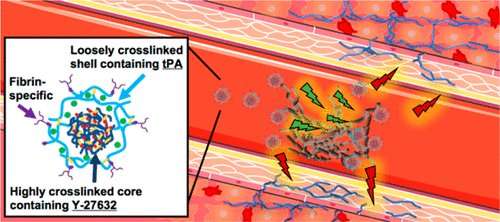
Researchers from North Carolina State University and the University of North Carolina at Chapel Hill have developed a drug-delivery system that allows rapid response to heart attacks without surgical intervention. In laboratory and animal testing, the system proved to be effective at dissolving clots, limiting long-term scarring to heart tissue and preserving more of the heart’s normal function.

“Our approach would allow health-care providers to begin treating heart attacks before a patient reaches a surgical suite, hopefully improving patient outcomes,” says Ashley Brown, corresponding author of a paper on the work and an assistant professor in the Joint Biomedical Engineering Program (BME) at NC State and UNC. “And because we are able to target the blockage, we are able to use powerful drugs that may pose threats to other parts of the body; the targeting reduces the risk of unintended harms.”

Heart attacks, or myocardial infarctions, occur when a thrombus – or clot – blocks a blood vessel in the heart. In order to treat heart attacks, doctors often perform surgery to introduce a catheter to the blood vessel, allowing them to physically break up or remove the thrombus. But not all patients have quick access to surgical care.
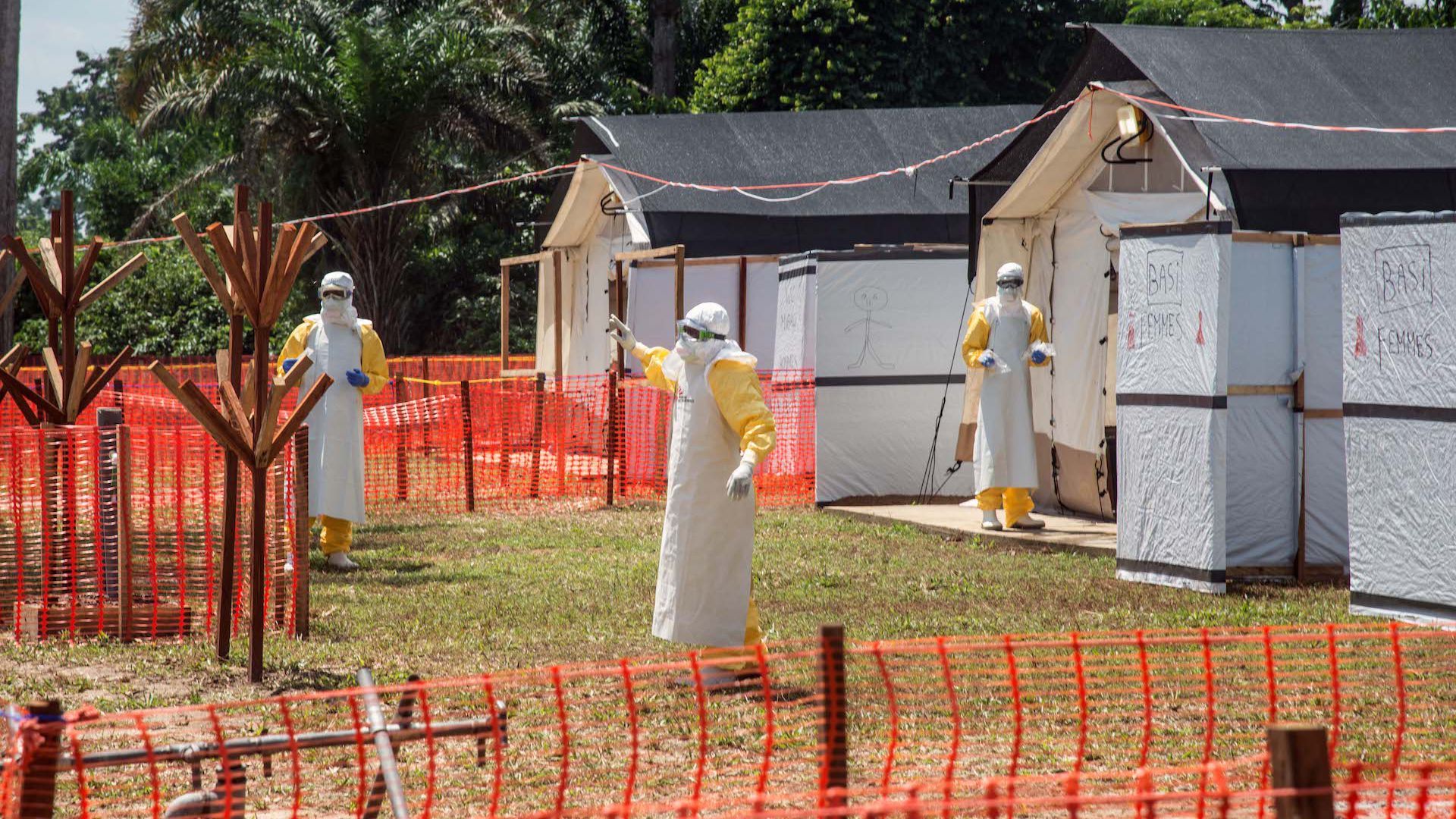
The ordinary people making medical breakthroughs via crowdsourcing – solving problems that have doctors beat

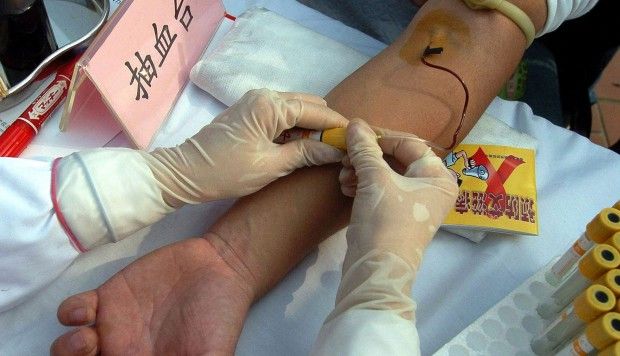
The WHO Special Programme for Research and Training in Tropical Diseases developed the guide to help boost public health by using crowdsourcing, where a group of experts and non-experts solve a problem and then share the solution with the public.


Researchers can get too close to their subject and a layman’s intuition can achieve medical breakthroughs, as World Health Organisation crowdsourcing initiatives continue to show.

AI & Technology Taking Over White Collar Jobs

This podcast is from my article called, The U.S. Economy is Built on a Foundation of Sand.

While many Economists, are saying that the U.S. economy looks great and has a forward momentum, I’m going to take a different tone. Not a pessimistic tone but a realistic view based upon facts and my futurist intuitive insight.

Here are all the links for this podcast

Tesla is going to cut about 9% of its global workforce
https://www.wsj.com/articles/tesla-cutting-about-9-of-global…1528827145

McDonald’s layoffs as it restructures and streamlines management
http://www.nrn.com/quick-service/mcdonald-s-layoffs-tied-res…operations

IBM layoffs at Watson Health

Locally Grown: 07/27/2018

Harvesting plants in microgravity with resident farmer, astronaut Ricky Arnold, studying tiny organisms and their big role in astronaut health and uncovering how the crew catches 💤’s aboard the International Space Station. For all this and more, watch the latest episode of NASA’s Space to Ground:

Online portal of thousands of clinical trials could aid disease research

Vivli, which spun out of a policy think tank at Harvard University–affiliated Brigham and Women’s Hospital in Boston, is part of a push to encourage drug developers to share trial data—even negative results, findings that show a treatment has no benefit. Companies seeking U.S. regulatory approval for a drug, as well as investigators funded by the National Institutes of Health, must post limited, summary results on ClinicalTrials.gov. But many researchers and policy analysts believe sharing detailed raw data on individual patients, stripped of identifying information, would be valuable. Researchers could confirm that a drug works, look for side effects, or explore new questions.


Vivli aims to ease sharing of anonymized clinical studies.

/* */