Toggle light / dark theme

Developing ‘Indoor Solar’ to Power the Internet of Things

From Wi-Fi-connected home security systems to smart toilets, the so-called Internet of Things brings personalization and convenience to devices that help run homes. But with that comes tangled electrical cords or batteries that need to be replaced. Now, researchers reporting in ACS Applied Energy Materials have brought solar panel technology indoors to power smart devices. They show which photovoltaic (PV) systems work best under cool white LEDs, a common type of indoor lighting.

Indoor lighting differs from sunlight. Light bulbs are dimmer than the sun. Sunlight includes ultraviolet, infrared and visible light, whereas indoor lights typically shine light from a narrower region of the spectrum. Scientists have found ways to harness power from sunlight, using PV solar panels, but those panels are not optimized for converting indoor light into electrical energy.

Some next-generation PV materials, including perovskite minerals and organic films, have been tested with indoor light, but it’s not clear which are the most efficient at converting non-natural light into electricity; many of the studies use various types of indoor lights to test PVs made from different materials. So, Uli Würfel and coworkers compared a range of different PV technologies under the same type of indoor lighting.

This company is building AI for African languages

The AI startups working to build products that support African languages often get ignored by investors, says Hadgu, owing to the small size of the potential market, a lack of political support, and poor internet infrastructure. However, Hadgu says small African startups including Lesan, GhanaNLP, and Lelapa AI are playing an important role: “Big tech companies do not give focus to our languages,” he says, “but we cannot wait for them.”

Lelapa AI is trying to create a new paradigm for AI models in Africa, says Vukosi Marivate, a data scientist on the company’s AI team. Instead of tapping into the internet alone to collect data to train its model, like companies in the West, Lelapa AI works both online and offline with linguists and local communities to gather data, annotate it, and identify use cases where the tool might be problematic.

Bonaventure Dossou, a researcher at Lelapa AI specializing in natural-language processing (NLP), says that working with linguists enables them to develop a model that’s context-specific and culturally relevant. “Embedding cultural sensitivity and linguistic perspectives makes the technological system better,” says Dossou. For example, the Lelapa AI team built sentiment and tone analysis algorithms tailored to specific languages.

WTF is going on at OpenAI? We have theories

In perhaps the most unexpected tech news of the year, billionaire and AI evangelist Sam Altman has been ejected from his CEO role at OpenAI by the company’s board after an apparent vote of no confidence. Its exact wording in a release issued this afternoon: Altman’s “departure follows a deliberative review process by the board, which concluded that he was not consistently candid in his communications with the board, hindering its ability to exercise its responsibilities.”

What the hell is happening at the most hyped company in the world?! Here are some totally speculative theories that occurred to us and others around the web.

China launches world’s first 1.2 Tbps speed internet connection

The service can transfer 150 HD movies in just one second and has arrived two years before industry estimates.


Nadla/iStock.

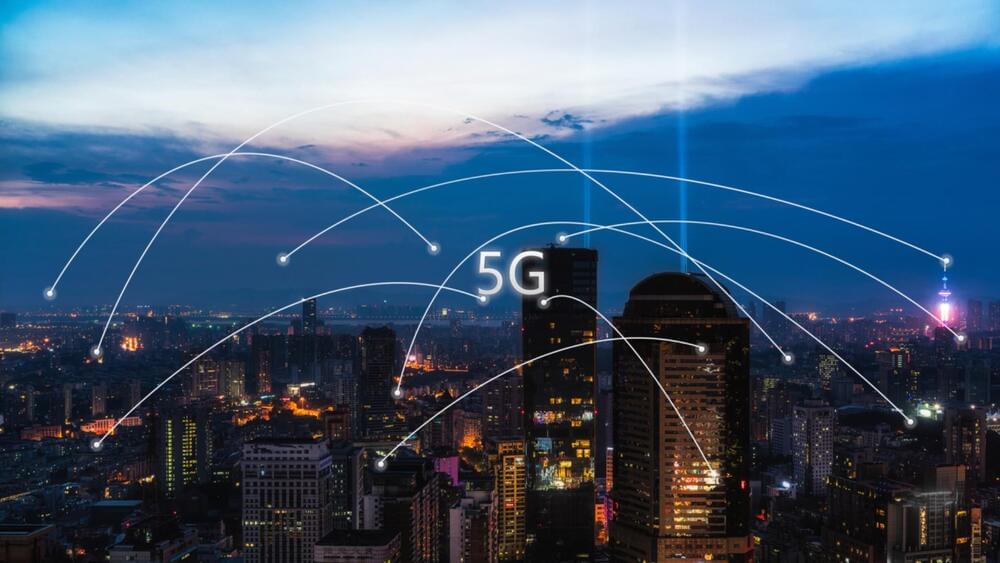
China’s achievements in wired data transmission come shortly after the country boasted about the installation of 3.19 million base stations, demonstrating 5G dominance in wireless telephony. Not only do these installations outpace the US in sheer numbers, but they are also helping the eastern country transform its industrial sector to engage in high-tech manufacturing, Interesting Engineering had previously reported.

Starlink’s rapid growth and influence has made it an indispensable part of Elon Musk’s SpaceX

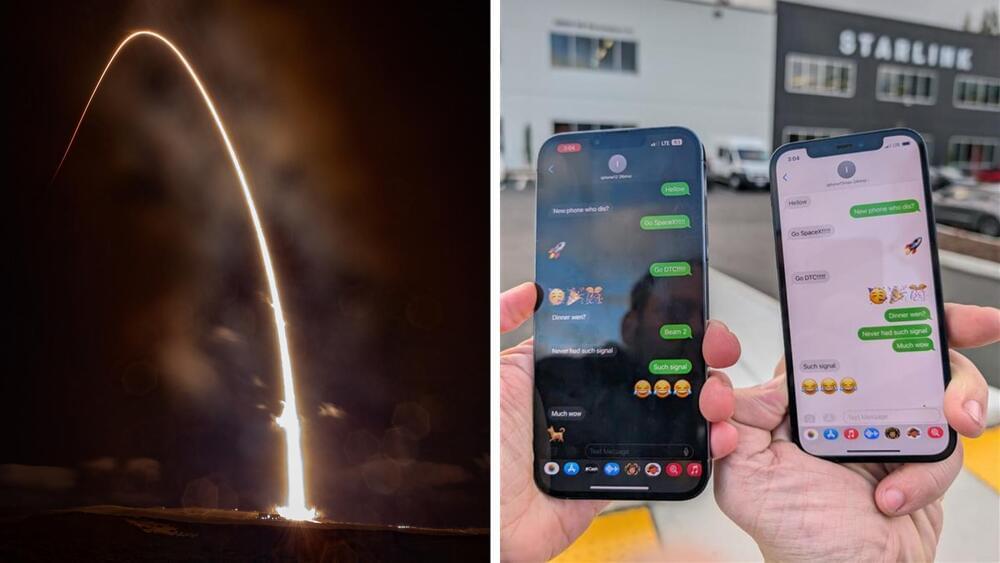
Elon Musk’s SpaceX is known for its frequent launches, which now dominate the space industry. But the satellites that the rockets send to space are just as important for the company as the launches. Starlink is SpaceX’s answer to providing global, high-speed internet coverage using a network of thousands of satellites buzzing around the planet in a region known as low Earth orbit (LEO), about 342 miles above the Earth’s surface.

SpaceX launched its first batch of Starlink satellites in 2019. Adoption of the service has ballooned since then. The company has said Starlink has more than 2 million active customers and is available on all seven continents and in over 60 countries.

“This growth is uncharacteristic in the sense of its magnitude. Whereas prior satellite service providers have ramped up to anywhere at most between 500,000 to a little bit over a million subscribers. And this has taken, you know, a ten-year period, Starlink’s race to 2 million subscribers has taken only the better part of two years,” says Brent Prokosh, a Senior Affiliate Consultant at Euroconsult.

/* */