Toggle light / dark theme

Understanding Aging through the Lense of Gut Microbiome

Intestinal stem cells play an important role in maintaining intestinal homeostasis and repairing damaged epithelial tissue. These cells function in a regenerative manner to generate new tissue throughout the growth phase and repair damaged tissue during the aging process.101 The interactions between the gut microbiome and intestinal stem cells are crucial because, if this interaction is comprehended, it may be possible to address various disorders that require stem cell therapy, heal wounds, and improve the durability of organ transplants.101 A recent study showed a connection between hematopoietic stem cells and the microbiome through altering metabolic stress.66 Therefore, the microbiota is crucial for maintaining microbial homeostasis, regulating metabolism, and the innate and adaptive immune systems.101 Furthermore, the study reveals that compositional alterations in the gut microbiome driven by dysbiosis are related to stem cell aging, metabolic dysregulations, stem cells’ epigenetic instability, and abnormal immune system activation.66

In the field of anti-aging, stem cells are regarded to have great potential. In numerous organs, it has been demonstrated that as we age, stem cells lose their capacity for self-renewal and differentiation and run out of resources.89 The emergence of anti-aging medications should address the dysregulation caused by aging that affects stem cells’ capacity for differentiation and self-renewal by re-regulating intrinsic and extrinsic variables. The host microbiome, hormones, local immune system, systemic inflammation, and niche structure are just a few examples of microenvironmental and systemic factors that influence stem cell aging.66

Endogenous ethanol is a class of microbiological metabolites. Proteobacteria, including E. coli and other Enterobacteriaceae, produce ethanol with bacterial origins. High endogenous ethanol levels in the human hippocampus inhibit proliferating stem cells and reduce progenitor and stem cells.102 Additionally, when more ethanol accumulates in the gut, it enhances the permeability of the gut by disrupting epithelial tight junctions, particularly zonula occludens. This enables the movement of pathogenic microbes, their endotoxins, and ethanol across the epithelial layer, causing more immediate and adverse effects on tissues. As a result, the stem cell reserve depletes, hastening the aging process and compensating for damaged tissues.103
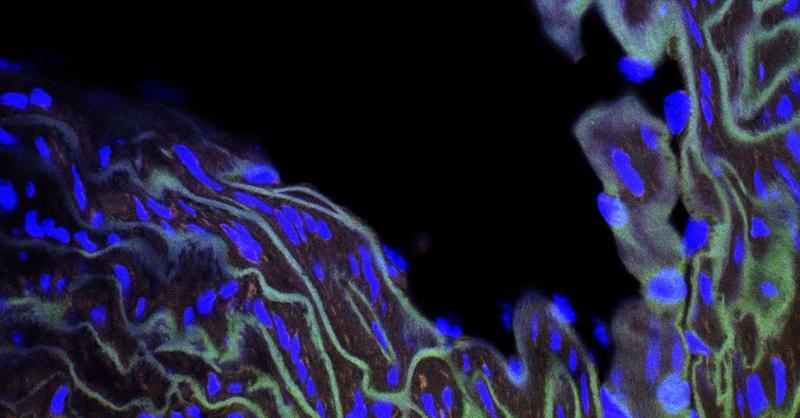
New Genes Linked to Muscle Aging Discovered

Source: Nottingham Trent University.

Scientists have identified previously unreported genes which appear to play a key role in the muscle aging process. It is hoped that the findings from a Nottingham Trent University study could be used to help delay the impact of the aging process.

The study, which also involved Sweden’s Karolinska Institute, Karolinska University Hospital, and Anglia Ruskin University, is reported in the Journal of Cachexia, Sarcopenia and Muscle.

UMD-led Study Could Lead to Lengthened Lives for Patients With Premature Aging Disease

A new University of Maryland-led discovery could spur the development of new and improved treatments for Hutchinson-Gilford progeria syndrome (HGPS), often simply called “progeria”—a rare genetic disorder with no known cure that causes accelerated aging in children.

Publishing in the journal Aging…


Researchers identify protein that could improve cardiovascular health of those with progeria.

Key Enzyme Found to Drive Inflammation in Aging Cells

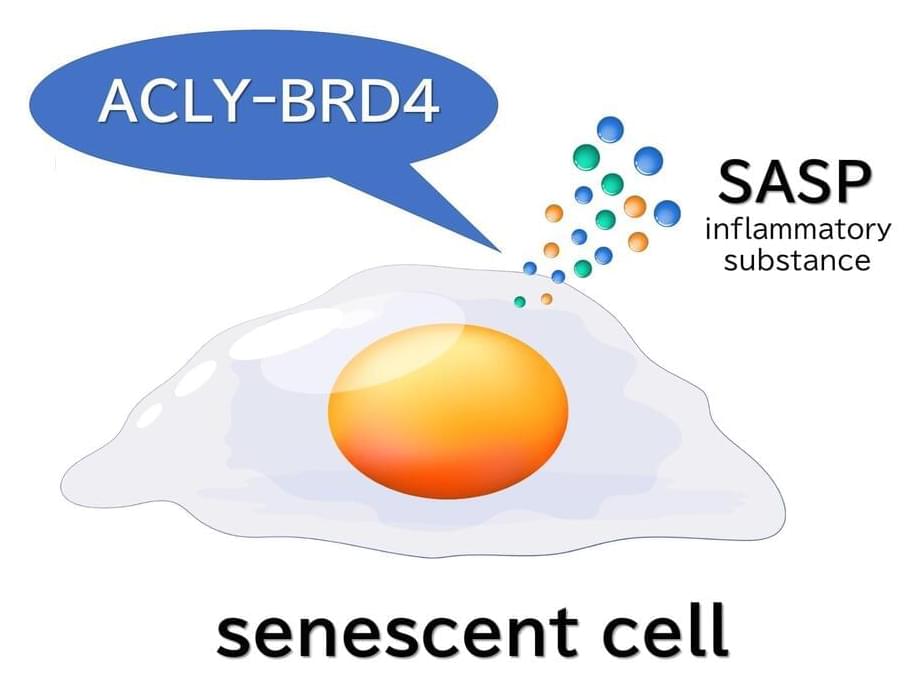
The research focuses on “cellular senescence,” a process where cells stop dividing and enter a state associated with chronic inflammation and aging.

This cellular state, known as the senescence-associated secretory phenotype (SASP), involves the secretion of inflammatory proteins that accelerate aging and disease, such as dementia, diabetes, and atherosclerosis.

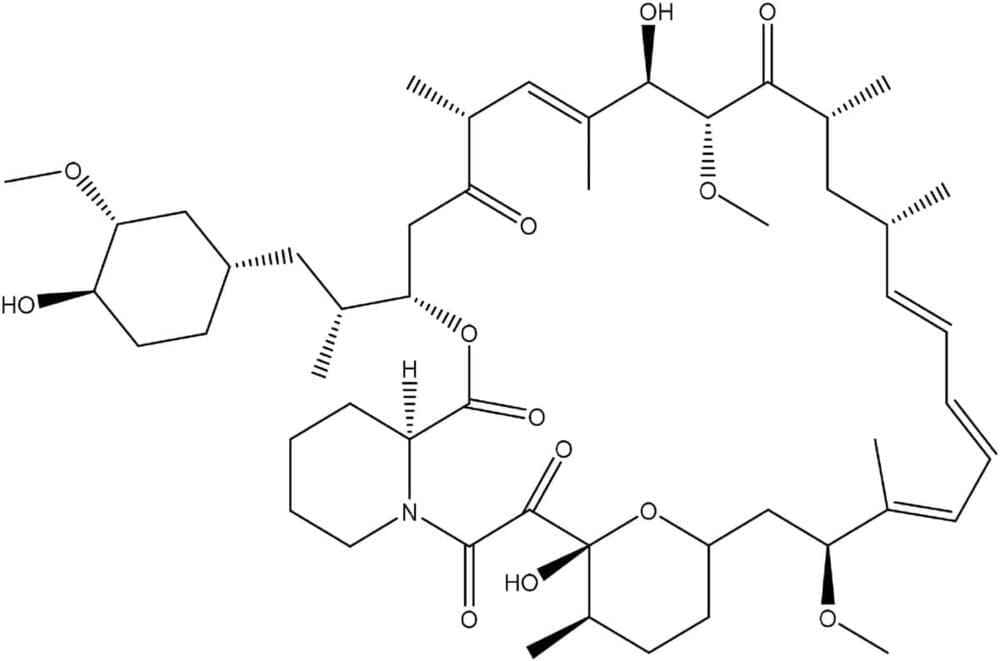
Frontiers: To date, the most studied drug in anti-aging research is the mTOR inhibitor – rapamycin

Despite its almost perfect anti-aging profile, rapamycin exerts one significant limitation – inappropriate physicochemical properties. Therefore, we have decided to utilize virtual high-throughput screening and fragment-based design in search of novel mTOR inhibiting scaffolds with suitable physicochemical parameters. Seven lead compounds were selected from the list of obtained hits that were commercially available (4, 5, and 7) or their synthesis was feasible (1, 2, 3, and 6) and evaluated in vitro and subsequently in vivo. Of all these substances, only compound 3 demonstrated a significant cytotoxic, senolytic, and senomorphic effect on normal and cancerous cells. Further, it has been confirmed that compound 3 is a direct mTORC1 inhibitor. Last but not least, compound 3 was found to exhibit anti-SASP activity concurrently being relatively safe within the test of in vivo tolerability. All these outstanding results highlight compound 3 as a scaffold worthy of further investigation.

GRAPHICAL ABSTRACT

Key Protein Regulates DNA Enzymes, Supporting Genome Stability

Summary: Researchers have discovered that the protein USP50 regulates DNA replication by managing which enzymes—nucleases or helicases—cleave or unwind DNA strands during replication. This control is crucial for stable replication, especially when the process encounters issues that need restarting. When USP50 is absent, cells struggle to coordinate enzyme use, leading to replication errors and potential genetic instability.

The findings provide new insights into genome maintenance and may help explain some hereditary conditions, such as early-onset aging and certain cancers. Understanding USP50’s role opens doors to potential therapeutic strategies aimed at protecting DNA integrity.

Inhibition of IL-11 signalling extends mammalian healthspan and lifespan

To support the data generated in Il11ra1-deleted mice on a mixed C57BL6/129 genetic background30 and to more deeply dissect age-related effects, we studied young (3-month-old) and aged (2-year-old) female mice with deletion of Il11 (Il11−/−) on a C57BL6/J background31.

Immunoblots confirmed IL-11 up-regulation across tissues in old age in this additional strain (Fig. 1m). Old female Il11−/− mice had lower body weights and fat mass and preserved lean mass (Fig. 2a–c). The frailty score15 of old female Il11−/− mice was lower than that of old wild-type mice and their body temperatures were mildly increased (Fig. 2d and Extended Data Fig. 5a). Lower frailty scores were largely driven by improvements in tremor, loss of fur colour, gait disorders and vestibular disturbance (Supplementary Table 1). Muscle strength was higher in both young and old Il11−/− mice (a phenomenon that was observed for some other phenotypes) compared with age-matched controls (Fig. 2e and Extended Data Fig. 5b).

Chronic inhibition of mTORC1 with rapamycin can cause glucose intolerance owing to indirect inhibition of mTORC235. It was therefore important to more fully assess the effects of IL-11 inhibition on liver function, metabolism and glucose utilization in old mice. As wild-type mice aged, there were increases in serum AST, ALT, cholesterol and triglycerides, which were collectively mitigated in old Il11−/− mice (Fig. 2f and Extended Data Fig. 5c, d). Glucose tolerance test (GTT) and insulin tolerance test (ITT) profiles of old Il11−/− mice were similar to those of young wild-type mice, whereas GTTs and ITTs of old wild-type mice showed impairment (Fig. 2g and Extended Data Fig. 5e, f). Indexed skeletal muscle mass was greater in both young and old Il11−/− mice compared with the equivalent wild-type mice (Extended Data Fig. 5g).

/* */