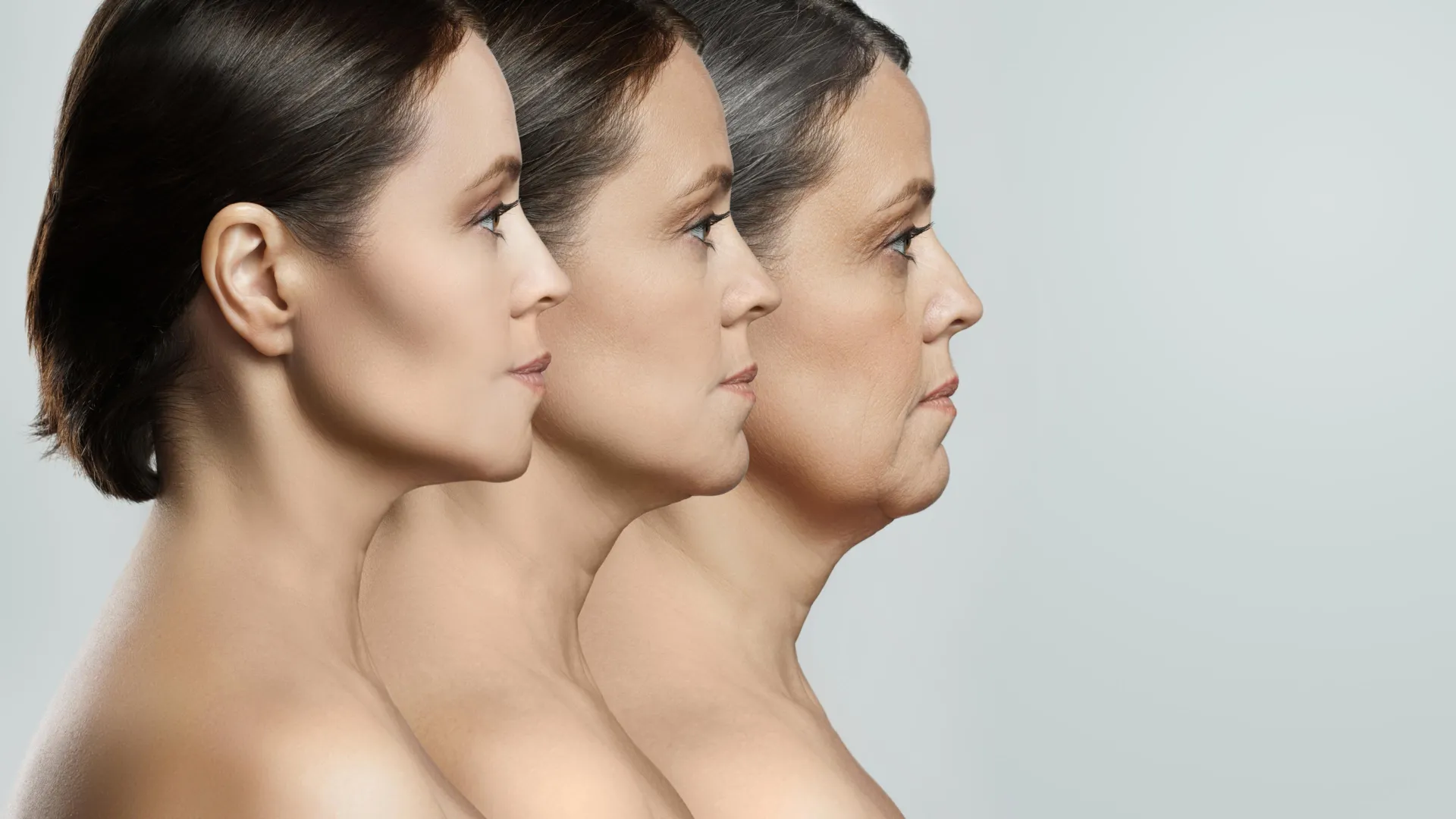
Aging involves a decline in physiological functions and increased disease susceptibility, with the immune system playing a pivotal role. Recent research reveals that nonimmune structural cells, such as fibroblasts, epithelial cells, and neurons, develop immune-like properties crucial for stress response and tissue integrity. However, with aging, these organized, nonimmune cells in multicellular organisms gradually lose their identity and organization. They may exhibit unicellular properties, acquire macrophage-like characteristics, or enter a state of senescence, contributing to chronic inflammation.
Two of my favorite people. Definitely worth a view if you are interested in either.
Few thinkers have shaped our understanding of the future as profoundly as Ray Kurzweil. An American inventor, computer scientist, futurist, entrepreneur, and bestselling author, Kurzweil is widely regarded as one of the most influential technological forecasters of our time. For decades, he has accurately predicted many of the innovations that now define modern life, from mobile computing and artificial intelligence to digital assistants and large language models often years before they entered the mainstream.
In this special conversation, Tony Robbins sits down with Ray Kurzweil in San Francisco to explore one of the most important questions facing humanity: What happens next?
Together, they examine the accelerating pace of artificial intelligence, the path toward Artificial General Intelligence (AGI), the rise of autonomous agents, the future of work and education, breakthroughs in healthcare and longevity, and how these technologies may transform society over the coming decade.
Kurzweil explains why his long-standing prediction of AGI by 2029 now appears increasingly conservative, why the next few years may bring more change than any period in human history, and how humanity may ultimately merge with the very technologies it creates.
Boston-based biotechnology company Life Biosciences has launched the first-in-human clinical trials of a pioneering “partial cellular reprogramming” technique designed to treat optic nerve damage caused by glaucoma and NAION. Based on previous genetic research, the therapy utilizes a modified virus to deliver three youth-restoring genes to retinal cells, aiming to reverse cellular aging while preserving their specialized functions. Addressing the critical risk of inducing cancer through uncontrolled cell division, the protocol incorporates a vital safety switch: the rejuvenating genes are only activated in the presence of the antibiotic doxycycline. The eye was strategically selected for these initial trials because its relative isolation minimizes the risk of systemic, life-threatening side effects. Involving up to 12 patients, this groundbreaking study serves as a crucial test not only for the potential restoration of vision but for the safety, viability, and future reputation of partial reprogramming as a broader anti-aging and regenerative medicine therapy.
A participant in a landmark clinical trial has been given a cellular-reprogramming treatment that aims to rejuvenate damaged cells in the eye.
As AI transforms biology, longevity startups are attracting investors, advancing toward clinical milestones, and reshaping the future of aging research.
Ok so, the parabiosis was a temporary effect, but the answer turned out to be having a blood transfusion with yourself instead. So if this video is right there is a molecule called HMGB1 which can be blocked rather than having said transfusion.
Scientists may have identified one of the molecules that helps aging spread through the body. Block HMGB1 in mice → less inflammation, better muscle regeneration, improved tissue repair. The next wave of longevity therapies may focus on stopping aging signals, not just repairing the damage.
Just 90–120 minutes of strength training a week may deliver some of the biggest long-term health rewards, according to a study tracking more than 147,000 people for 30 years. That amount was linked to lower risks of death overall, particularly from cardiovascular and neurological diseases. Combining strength workouts with aerobic exercise produced even stronger benefits.
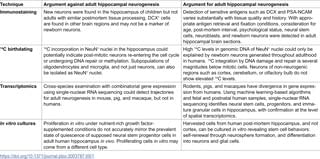
The field of human adult neurogenesis has been controversial despite mounting evidence. This Perspective proposes moving beyond debating the existence of adult neurogenesis, and towards discovering strategies to harness endogenous stem cell potential for resilience against cognitive aging.
Inherited genetic mutations may also stay silent for decades before increasing the risk of diseases such as cancer or fibrosis later in life.
Evolutionary Biology and Aging Research
The researchers say their model builds on long-standing evolutionary theories of aging. One influential idea is that natural selection becomes weaker later in life, allowing harmful biological processes to emerge with age because they have less impact on reproduction and survival earlier in life.
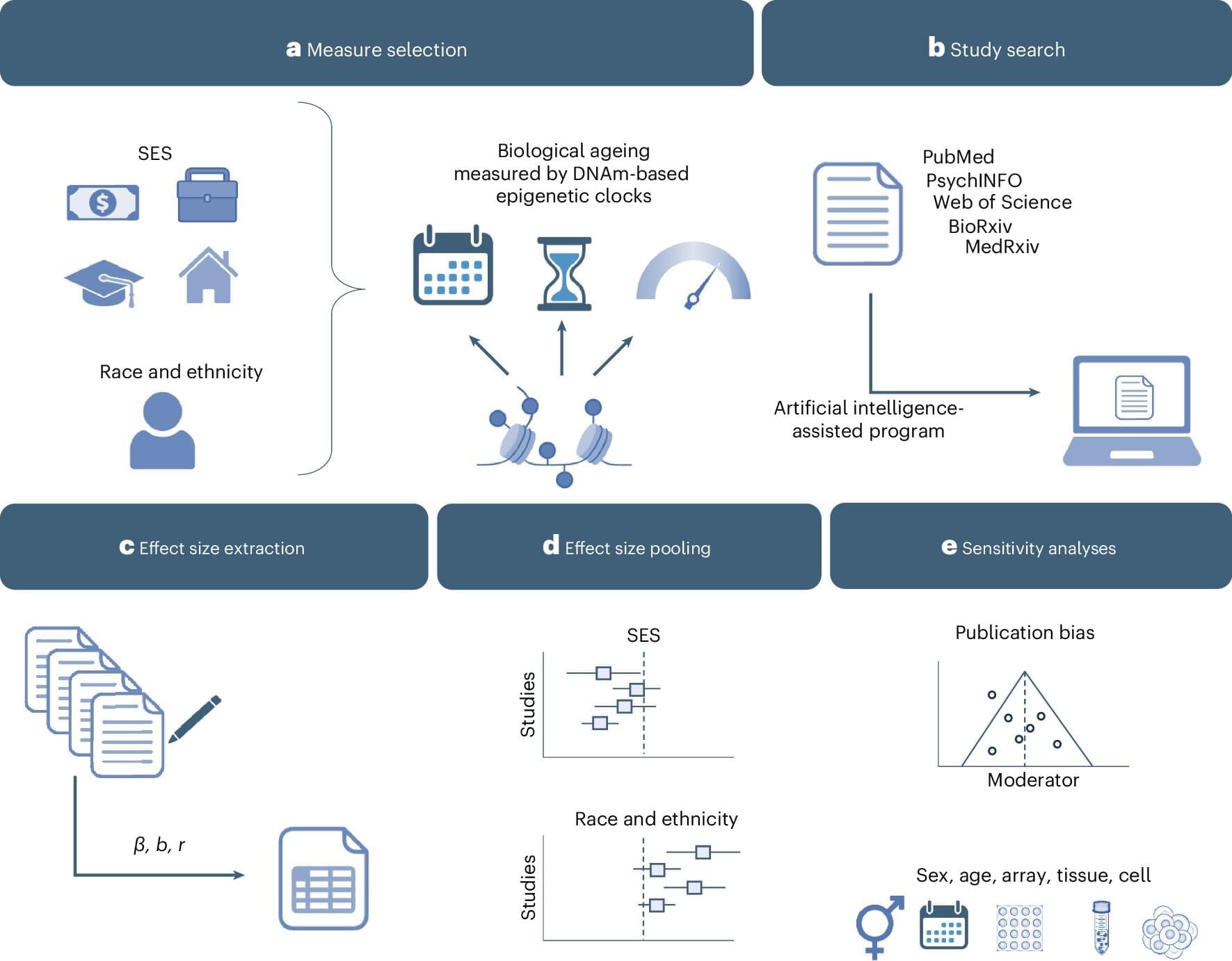
The study, published in Nature Human Behaviour, demonstrates that social inequality, such as poverty and racism, is related to biological aging measured in the epigenome, also known as “epigenetic clocks.” Epigenetic clocks analyze patterns of chemical marks on DNA to estimate a person’s biological age or the rate at which their body is aging. These tools are increasingly used by scientists to study how environmental exposures, lifestyle and social conditions affect health across the life course.
Previous individual studies have shown that epigenetic clocks are sensitive to socioeconomic and racial or ethnic disparities. However, because multiple types of epigenetic clocks exist, it has remained unclear which measures best capture the effects of social determinants of health, at which stages of life socioeconomic exposures most affect epigenetic aging, and whether associations differ by sex or by technical factors such as the tissue in which epigenetic data are collected. This study integrates findings across many independent studies, offering a comprehensive test of whether these associations are consistent and robust.