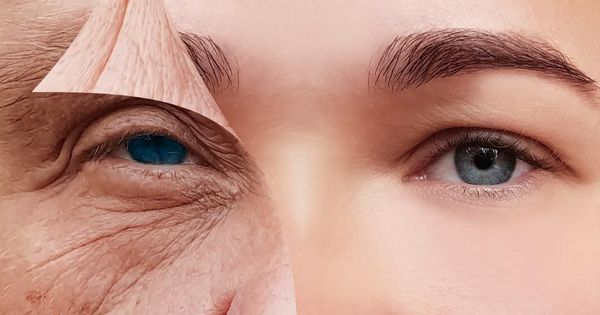
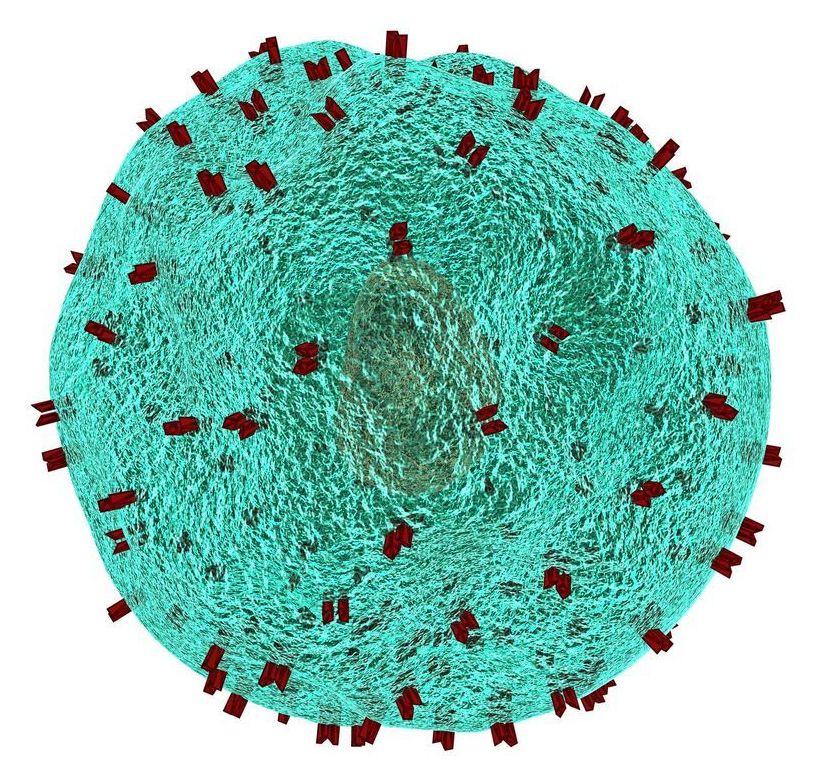
An international research team led by Nanyang Technological University, Singapore (NTU Singapore) has found that microorganisms living in the gut may alter the aging process, which could lead to the development of food-based treatment to slow it down.
All living organisms, including human beings, coexist with a myriad of microbial species living in and on them, and research conducted over the last 20 years has established their important role in nutrition, physiology, metabolism and behavior.
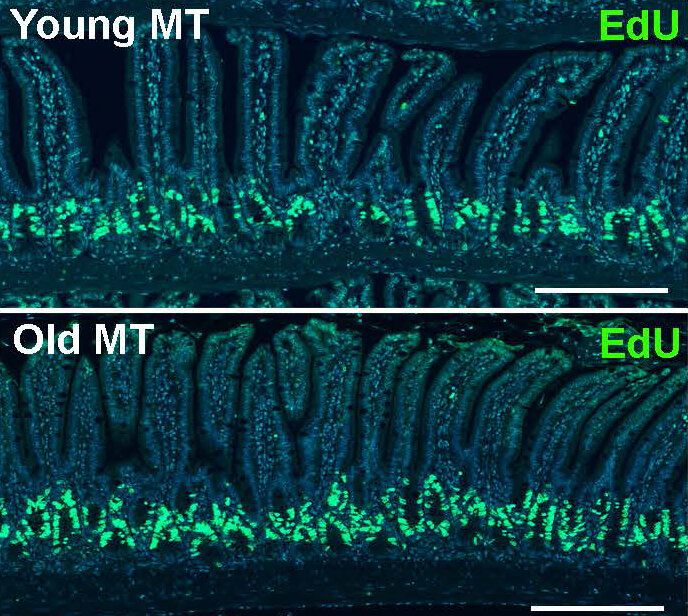
Using mice, the team led by Professor Sven Pettersson from the NTU Lee Kong Chian School of Medicine, transplanted gut microbes from old mice (24 months old) into young, germ-free mice (six weeks old). After eight weeks, the young mice had increased intestinal growth and production of neurons in the brain, known as neurogenesis.
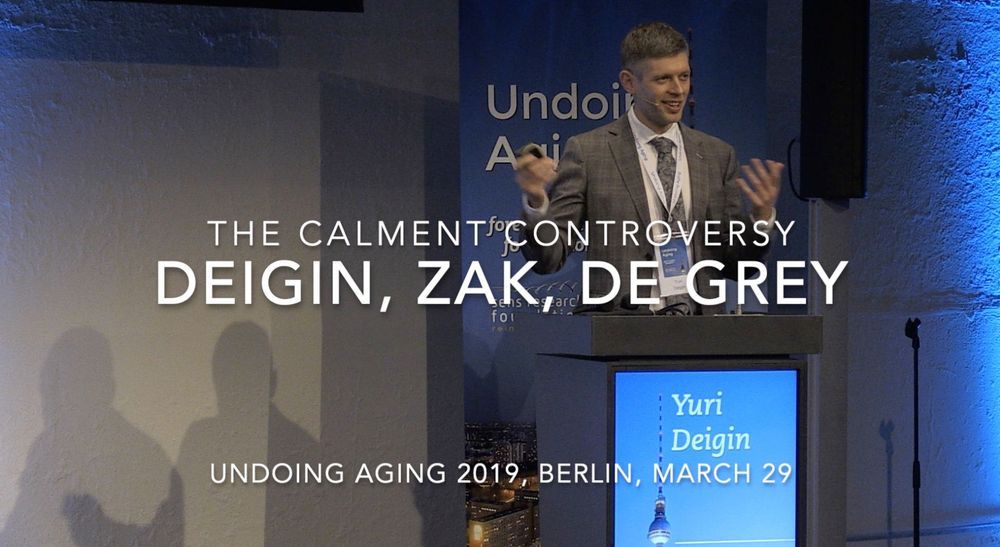
I HAVE not heard of or seen this Debate-video??? I thought poor Doctor Aubrey de Grey had shot with “escape velocity” let us say past debates about the probability-guarantee of ending aging. Vadim has his beliefs and yet his beliefs are wrong. {As I have stated and have posted memes for many years that state “WHO IN SCIENCE IS CORRECT??? THE SCIENTISTS WHO ARE WRONG OR THE SCIENTISTS WHO ARE RIGHT??? De Grey is correct as am I. I am a mere data researcher solutions analyst {Yet very dedicated.} So with my dedication I have taken the data of Mankind and found all causes of aging and I have found a cure sitting in data.}.
Is comprehensive damage repair feasible? A debate at Undoing Aging 2019 between Vadim Gladyshev, Harvard Medical School and Aubrey de Grey, SENS Research Foundation.
MOUNTAIN VIEW, Calif., Nov. 14, 2019 (GLOBE NEWSWIRE) — Underdog Pharmaceuticals, Inc. (Underdog), and SENS Research Foundation (SRF) today announced the launch of Underdog and the completion of its seed round, providing $3.95 million to promote Underdog’s development of disease-modifying treatments for atherosclerosis and other age-related diseases. SRF also announced two senior appointments.
The Underdog round is led by Michael Greve’s Kizoo Technology Capital, part of the Forever Healthy Group and one of the premier organizations focusing on accelerating rejuvenation biotechnologies. It also includes Oculus co-founder Michael Antonov through Tubus, LLC, and financier Harald McPike through Chambray Worldwide, Ltd.
Underdog was built from an SRF flagship program that has driven two years of applied development designed to explore and repair the underlying causes of cardiovascular disease. Its co-founders are Matthew O’Connor, Ph.D. and Michael Kope, formerly the V.P. of Research and the founding CEO, respectively, of SRF.
Deep Knowledge Group is delighted to have supported and participated in the landmark International Longevity Policy and Governance and AI for Longevity Summits that took place on November 12th at King’s College London, which gathered an unprecedented density and diversity of speakers and panelists at the intersection of Longevity, AI, Policy and Finance. The summits were organized by Longevity International UK and the AI Longevity Consortium at King’s College London, with the strategic support of Deep Knowledge Group, Aging Analytics Agency, Ageing Research at King’s (ARK) and the Biogerontology Research Foundation. Together they managed to attract the interest of major financial corporations, insurance companies, investment banks, Pharma and Tech corporations, and representatives of international governmental bodies, organisations and embassies, as well as leading media, and featured presentations and panel discussions from top executives and directors of Prudential, Barclays Business UK, HSBC, AXA, L&G, Longevity. Capital, Longevity Vision Fund, Juvenescence, the UK Office of AI, Microsoft, NVIDIA, Babylon Health, Huawei Europe, Insilico Medicine, Longevity International UK, the Longevity AI Consortium and others.
November 14, 2019, London, UK: Deep Knowledge Group executives Dmitry Kaminksiy and Eric Kihlstrom spoke at a landmark one-day event held yesterday at King’s College London with the strategic support Deep Knowledge Group. The event united two Longevity-themed summits under the shared strategic agenda of enabling a paradigm shift from treatment to prevention and from prevention to Precision Health via the synergistic efforts of science, industry, AI, policy and governance, to enable the UK to become an international leader in Healthy Longevity.
TABLE OF CONTENTS ————— 0:00–17:57 : Introduction (Meaning of Life) 17:58–37:45 CHAPTER 1: Longevism and Life Extension —————————————————————————————– WHY DOES AGING HAPPEN? —————————————————————————————– 37:46–54:39 CHAPTER 2 : Gerontonology and Aging a. Free Radical Theory of Aging b. Waste Accumulation Theory of Aging c. Stem Cell Theory of Aging d. DNA Damage Theory of Aging. —————————————————————————————– HOW DO WE CURE AGING? —————————————————————————————– 54:39–1:08:39 : CHAPTER 3 :The Biochemical Solution (#1) a. mitoSENS b. oncoSENS c. lysoSENS d. amyloSENS e. apoptoSENS f. repliSENS g. glycoSENS 1:08:40–2:13:12 CHAPTER 4 : The Physiological Solution (#2) a. Parabiosis and Biovampirism b. Regeneration and Stem Cells c. Lab Grown Organs and Bioprinting d. Head Transplants and Doppleganger Bodies. 2:13:12–2:33:19 CHAPTER 5 : The Genetic Solution (#3) a. TALEN genetic engineering b. Zinc-Finger gene tailoring c. CRISPR-Cas9 gene editing. —————————————————————————————– WILL WE CURE AGING GENETICALLY? —————————————————————————————– 2:33:20–2:49:58 : CHAPTER 6 : Genomics and DNA 2:49:59–3:05:48 : CHAPTER 7 : Transcriptomics and RNA 3:05:49–3:22:08 : CHAPTER 8 : Proteomics and TNA 3:22:09–3:39:38 : CHAPTER 9 : Xenobiology and XNA a. alien proteins b. alien base pairs c. alien DNA 3:39:39–3:54:58 : CHAPTER 10 : Vectors and Gene Therapy (Gene Editing #1) 3:54:59–4:14:57 : CHAPTER 11 : Synthetic Biology (Gene Editing #2) 4:14:58–4:32:14 : CHAPTER 12 : Chimeras, Rianths, and Splices (Gene Editing #3) 4:32:15–4:48:35 : CHAPTER 13 : Ouroborology and Immortal Chimeras (Gene Editing #4) 4:48:36-:5:03:52 : CHAPTER 14 : Kleptoplasty and Photosynthesis (Gene Editing #5) —————————————————————————————- HOW TO SURVIVE UNTIL AGING IS CURED —————————————————————————————- 5:03:53–5:14:27 : CHAPTER 15 : Survive to the Singularity a. the breakeven point b. longevity escape velocity c. the longevity dividend. 5:14:28–5:30:16 : CHAPTER 16 : Centennarians and Blue Zones (Survival Method #0) a. loma linda b. ikaria c. sardinia d. okinawa. 5:30:17–5:42:26 : CHAPTER 17 : Risk Aversion and Micromorts (Survival Method #1) a. micromorts b.microlives 5:42:27–5:58:18 : CHAPTER 18 : Nutraceuticals and Geroprotectors (Survival Method #2) a. rapamycin b. metformin c. selegilene d. nicotinamide riboside e. resverratrol. 5:58:19–6:12:51 : CHAPTER 19 : Caloric Restriction (Survival Method #3) a. endocrine b. epigenetic c. genetic 6:12:52–6:51:57 : CHAPTER 20 : Cryonics & Cryogenics (Survival Method #4) a. the efficacy question b. the cost question c. the resurrection question d. the identity question e. the legal question f. the catastrophe question g. the culture question. —————————————————————————————– CAN WE BE IMMORTAL WITHOUT CURING AGING? —————————————————————————————– _______________________________________________________ 6:51:58–7:04:08 : CHAPTER 21 : Genetic Immortality — Test Tube Babies 7:04:09–7:24:02 : CHAPTER 22 : Genetic Immortality — Designer Babies 7:24:03–7:41:55 : CHAPTER 23 : Genetic Immortality — Clone Babies 7:41:56–7:53:08 : CHAPTER 24 : Genetic Immortality — Artificial Wombs 7:53:08–7:53:09 CHAPTER 25 : Immortalism and Ethics a. the crime argument b. the natural argument c. the boredom argument d. the inequality argument e. the overpopulation argument f. the gerontocracy argument g. the economic argument h. EPILOGUE
What is needed as a cocktail is the Gerevivify Algorithms Serum Elixir. An Elixir that enters the body that then goes into battle fighting the infection that is aging. I search for strong-minded partners and investors to join me in the growth and development of the specially grown 13 ingredients that make up the powerful serum. Respect r.p.berry & AEWR https://gerevivify.blogspot.com/
“Fahy’s fascination with the thymus goes back to 1986, when he read a study in which scientists transplanted growth-hormone-secreting cells into rats, apparently rejuvenating their immune systems,” Nature reported. “He was surprised that no one seemed to have followed up on the result with a clinical trial. A decade later, at age 46, he treated himself for a month with growth hormone and DHEA, and found some regeneration of his own thymus.”
The thymus is located in the chest between the lungs and the breastbone and is crucial for efficient immune function. “White blood cells are produced in bone marrow and then mature inside the thymus, where they become specialized T-cells that help the body to fight infections and cancers,” Nature reported. “But the gland starts to shrink after puberty and increasingly becomes clogged with fat. Evidence from animal and some human studies shows that growth hormone stimulates regeneration of the thymus. But this hormone can also promote diabetes, so the trial included two widely used anti-diabetic drugs, dehydroepiandrosterone (DHEA) and metformin, in the treatment cocktail.”
The TRIIM trial showed regenerated thymus tissue had replaced accumulated fat in seven of the nine participants. Horvath was charged with analyzing the effect of the drugs on the participants’ epigenetic clocks after the trial was finished.
Scientists from the RIKEN Center for Integrative Medical Science (IMS) and Keio University School of Medicine in Japan have used single-cell RNA analysis to find that supercentenarians—meaning people over the age of 110—have an excess of a type of immune cell called cytotoxic CD4 T-cells.
Supercentenarians are a unique group of people. First, they are extremely rare. For example, in Japan in 2015 there were more than 61,000 people over the age of 100, but just 146 over the age of 110. And studies have found that these individuals were relatively immune to illnesses such as infections and cancer during their whole lifetimes. This led to the idea that it might be that they have a particularly strong immune system, and the researchers set out to find out what might explain this.
To answer the question, they looked at circulating immune cells from a group of supercentenarians and younger controls. They acquired a total of 41,208 cells from seven supercentenarians (an average of 5,887 per subject) and 19,994 cells for controls (an average of 3,999 per subject) from five controls aged in their fifties to eighties. They found that while the number of B-cells was lower in the supercentenarians, the number of T-cells was approximately the same, and in particular, the number of one subset of T-cells was increased in the supercentenarians. Analyzing these cells, the authors found that the supercentenarians had a very high level of cells that are cytotoxic, meaning that they can kill other cells, sometimes amounting to 80 percent of all T-cells, compared to just 10 or 20 percent in the controls.
We’ve been raised with the belief that death is inevitable, and so during our lives we consider the legacy of what each of us leaves behind. But what if you had unlimited time to pursue your life’s work, your hobbies, and your dreams.
What if you didn’t have to die? As science and medicine advances, the average human lifespan continues to increase from better care and medicines that treat diseases. Some scientists say that in the near future, perhaps within the next 50 years, immortality might be within our grasp.
To begin to understand the aging process, we have to look at the laws of physics. There are four laws of thermodynamics, and the second law of thermodynamics basically implies that everything made up of atoms rusts, falls apart and disintegrates. We are all made of atoms, and those atoms must obey the second law of thermodynamics.
Currently there are drugs based on small molecules called senolytics which are designed to eliminate these zombie cells which refuse to die. This is a good thing, because such defective senescent cells persist to emit harmful chemicals that damage other healthy cells, and cause inflammation; a process that is one of the basic mechanisms of aging. But this is only a small part of the process.