In this talk, Klaus Mainzer explores the connections between the Leibniz’ Monadology, the structure and function of the brain, and recent developments in quantum computing. He reflects on the nature of complexity, intelligence, and the possibilities of quantum information technologies.
Category: neuroscience – Page 247
Live human brain tissue reveals how Alzheimer’s-linked protein damages connections
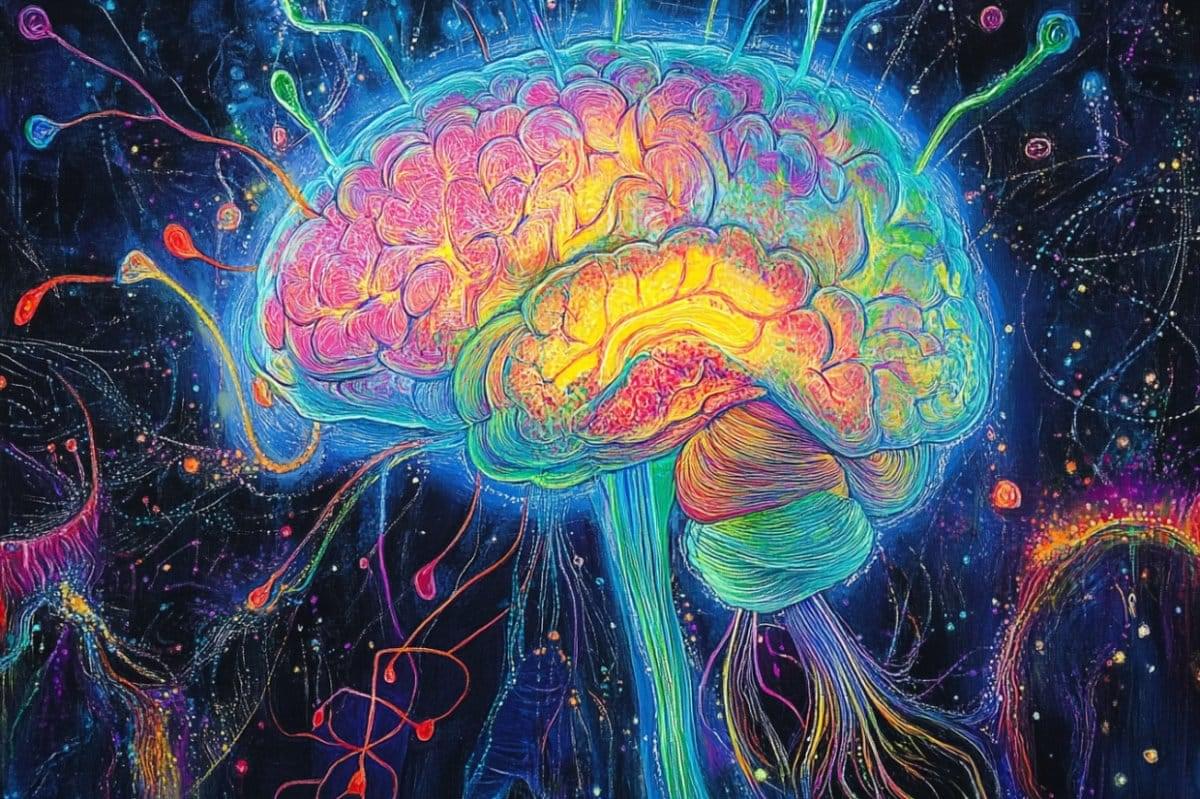
Scientists using living human brain tissue have shown for the first time how a toxic form of a protein linked to Alzheimer’s can stick to and damage the connections between brain cells.
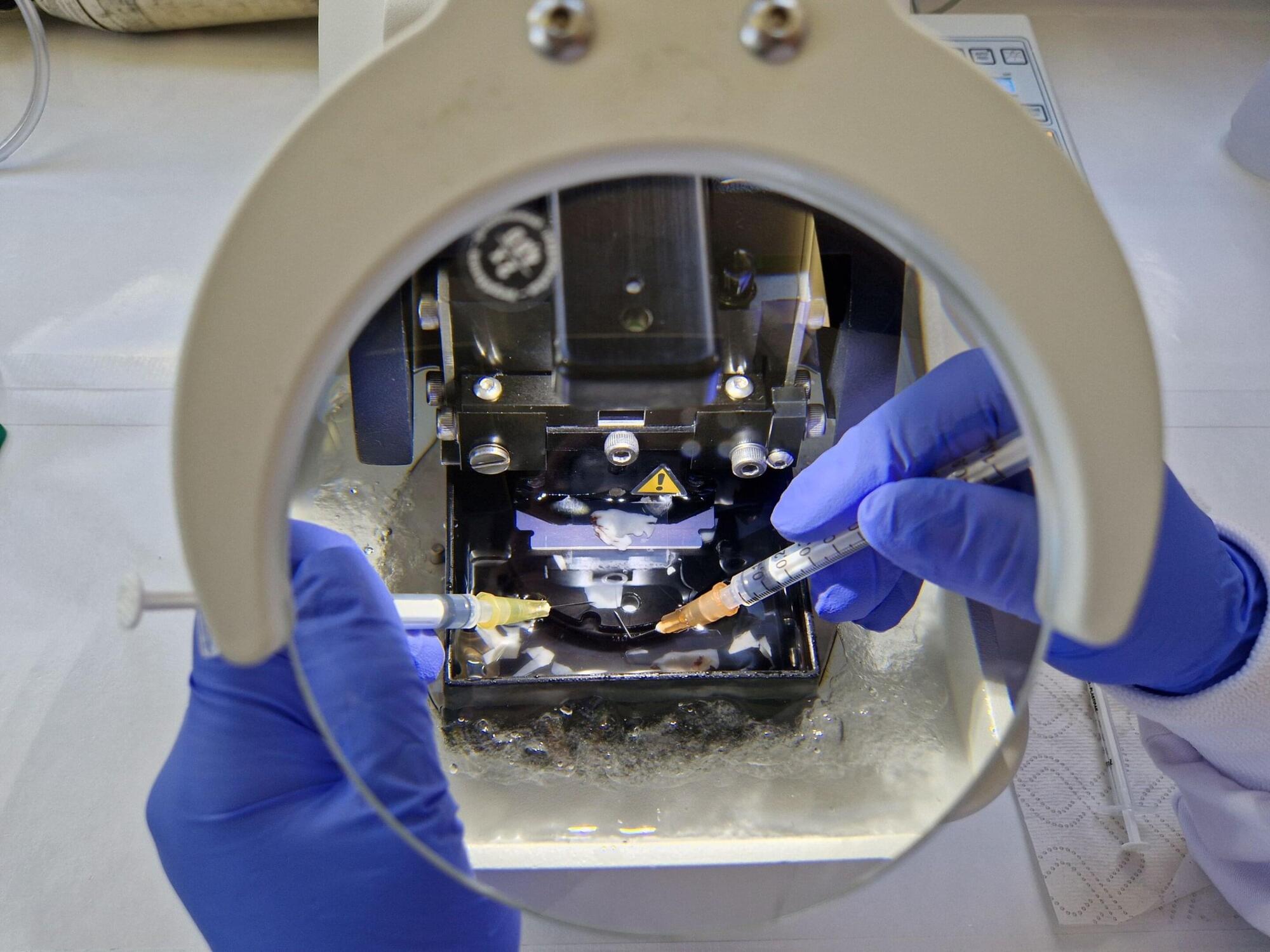
Small pieces of healthy human brain tissue —collected during routine neurosurgery operations—were exposed to the protein, known as amyloid beta.
Unlike when subjected to a normal form of the protein, the brain tissue did not attempt to repair damage caused by the toxic form of amyloid beta, experts say.
Depression and other mental health conditions linked to immune response, study finds
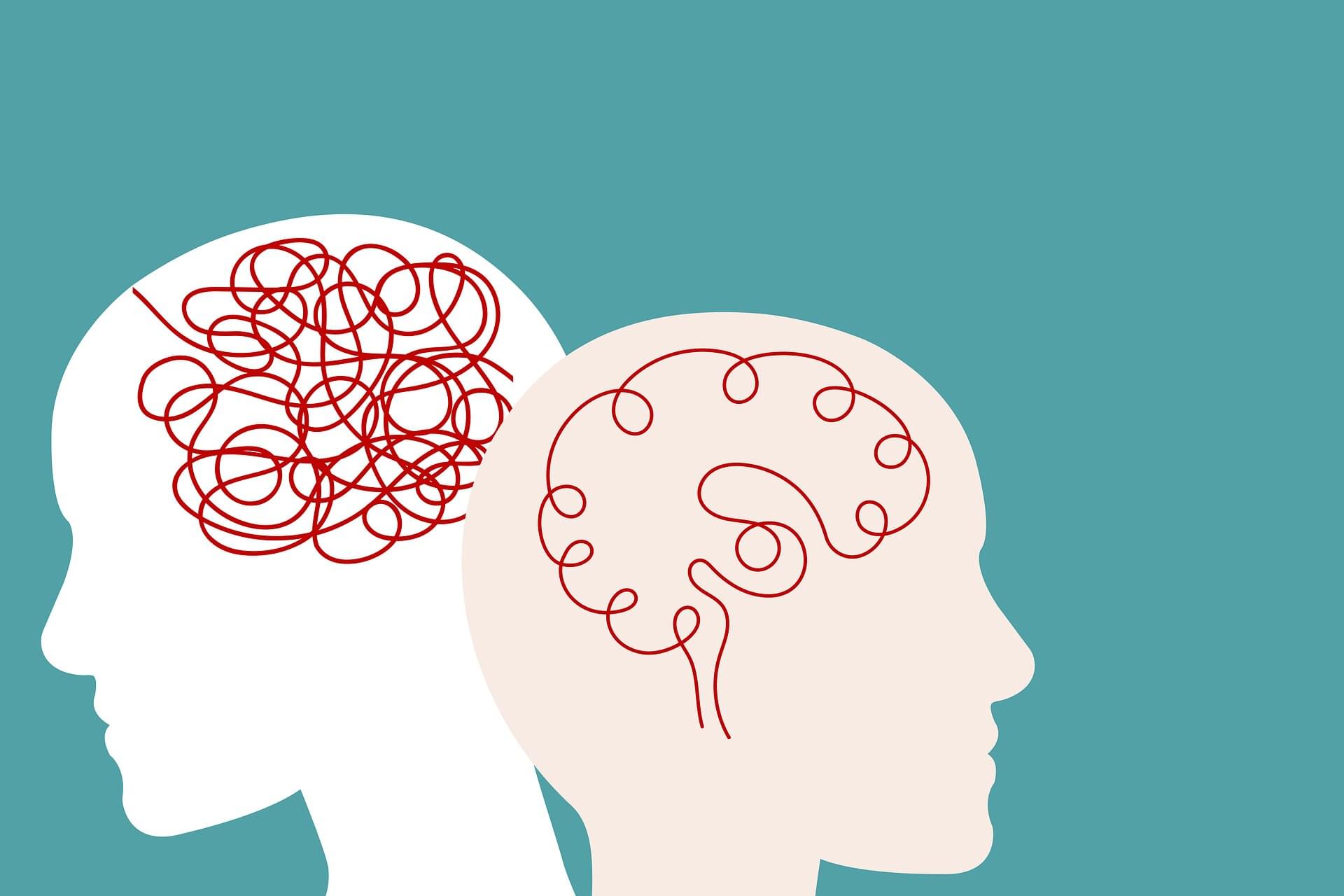
Depression, schizophrenia and other mental health conditions affect 1 in 4 people in their lifetime, but the mechanisms underlying these conditions are poorly understood. New research led by researchers at the University of Bristol has linked the body’s immune response with schizophrenia, Alzheimer’s disease, depression, and bipolar disorder. The study demonstrates mental health conditions might be affected by the whole body as well as changes in the brain. The findings could pave the way for better treatments of some mental health conditions.
The work appears in Molecular Psychiatry.
Most people with depression or schizophrenia are treated with drugs that work on brain chemicals such as serotonin and dopamine. However, one in three people with these conditions do not benefit from these treatments, suggesting that other mechanisms are involved.
Skin Test Detects Neurodegenerative Disease PSP with High Accuracy
This could also have a negative impact on research since patients with PSP may be misdiagnosed with Parkinson’s disease and be included in a trial that targets the wrong protein, influencing the results.
The research that led to the PSP breakthrough has roots in an earlier study. In previous research, Martinez-Valbuena and his colleagues developed a test that could detect misfolded alpha synuclein protein in the skin in patients with Parkinson’s.
Researchers have since validated that assay and hope it can be used in clinical trials, although the test is not yet available for clinical diagnoses.
Technological Approach to Mind Everywhere | Michael Levin
Extract from “Evolution, Basal Cognition and Regenerative Medicine”, kindly contributed by Michael Levin in SEMF’s 2023 Interdisciplinary Summer School (https://semf.org.es/school2023/). Full talk: • Michael Levin | Evolution, Basal Cogn… TALK ABSTRACT Each of us has made the remarkable journey from a single cell (a quiescent oocyte) to a complex embodied mind. How do cells, which were once independent organisms, work together to pursue the anatomical and physiological goals that enable form and function to reliably self-assemble? In this talk, I will tell the story of the collective intelligence of cellular swarms that embodies William James’ definition of intelligence: same ends by different means. I will describe the amazing competencies of the morphogenetic process that builds bodies and minds, and our discoveries on bioelectricity — the cognitive glue that implements embryogenesis, regeneration, and cancer suppression. I will end with a perspective on how biophysical, informational, and behavioral sciences are coming together to redefine the boundaries of the possible in biomedicine and beyond. MICHAEL LEVIN Department of Biology, Tufts University: https://as.tufts.edu/biology Tufts University profile: https://ase.tufts.edu/biology/labs/le… Institute profile: https://wyss.harvard.edu/team/associa… Wikipedia: https://en.wikipedia.org/wiki/Michael… ) Google Scholar: https://scholar.google.com/citations?… Twitter:
/ drmichaellevin LinkedIn:
/ michael-levin-b0983a6 SEMF NETWORKS Website: https://semf.org.es Twitter:
/ semf_nexus LinkedIn:
/ semf-nexus Instagram:
/ semf.nexus Facebook:
/ semf.nexus
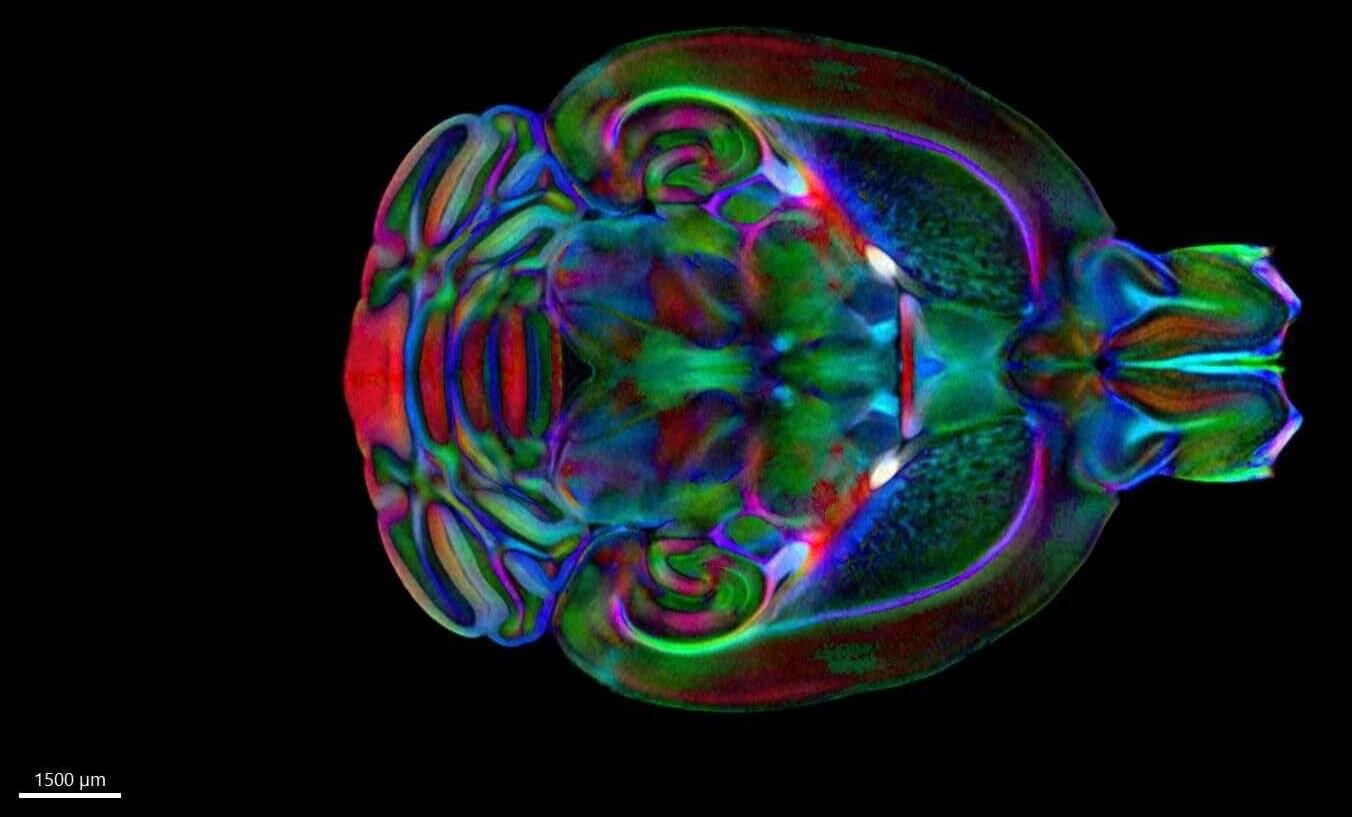
3D mouse brain atlas promises to accelerate studies of neurological disorders
A new “atlas” developed by researchers at Duke University School of Medicine, University of Tennessee Health Science Center, and the University of Pittsburgh will increase precision in measuring changes in brain structure and make it easier to share results for scientists working to understand neurological diseases such as Alzheimer’s disease.
The tool, the Duke Mouse Brain Atlas, combines microscopic resolution, three-dimensional images from three different techniques to create a detailed map of the entire mouse brain, from large structures down to individual cells and circuits.
“This is the first truly three-dimensional, stereotaxic atlas of the mouse brain,” said G. Allan Johnson, Ph.D., Charles E. Putman University Distinguished Professor of Radiology at Duke. He is also professor in the Department of Physics and the Department of Biomedical Engineering.