Toggle light / dark theme

What Are the Roles of Mitochondrial Stress Responses and Mitohormesis in Neurodegenerative Disorders?

Structure basis for the activation of KCNQ2 by endogenous and exogenous ligands.


Zhao et al. report cryo-EM structures of human KCNQ2 in complex with QO-58 and QO-83 in multiple conformations, with or without PIP2. Together with electrophysiological and computational analyses, these structures provide insight into the channel’s activation mechanism and support the rational design of targeted anti-epileptic therapies.

Rim Lesions and Development of MS in Radiologically Isolated Syndrome

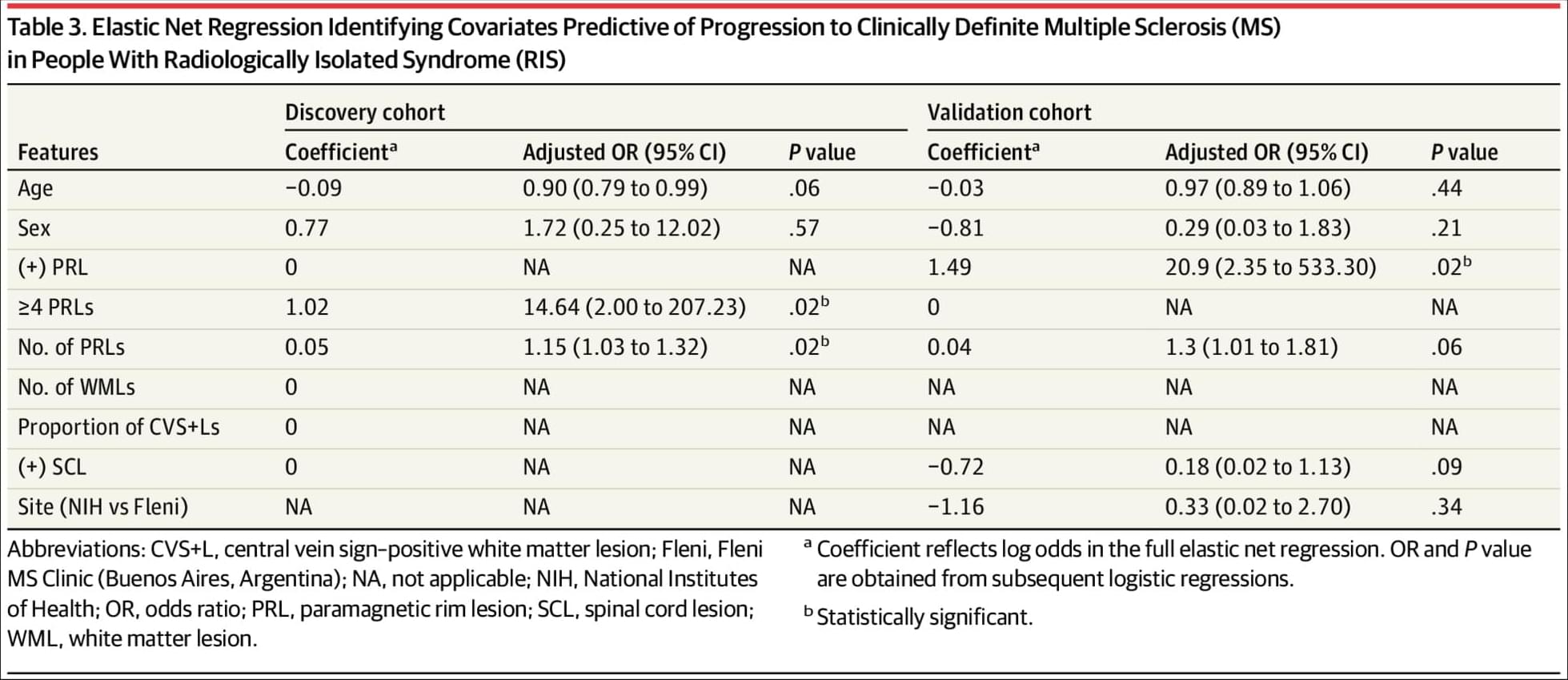
In #RadiologicallyIsolatedSyndrome, greater paramagnetic rim lesion burden on MRI was associated with increased risk and earlier development of clinical MultipleSclerosis.


Question Are paramagnetic rim lesions (PRLs) and central vein sign–positive white matter lesions (CVS+L) associated with developing clinical symptoms of multiple sclerosis (MS) in people with radiologically isolated syndrome (RIS)?

Findings In this cohort of 36 people with RIS, a higher PRL count was associated with a shorter time to developing clinical symptoms of MS and was an independent predictor of symptom onset; these findings were validated in an independent cohort of 43 people with RIS.

Meaning Results show that PRLs may have prognostic utility for risk stratification and help guide treatment decisions in people with RIS, the earliest detectable stage of MS.

Regulating the Impact of Hypertension on Stroke: Therapeutic Potential of a Peptide Mimetic of Tyrosine Phosphatase STEP

Even with delayed intervention, this neuroprotective agent delivers lasting protection to the hypertensive brain from ischemic injury.


BackgroundIn spite of the advances in understanding the pathophysiology of stroke, successful treatment remains a major challenge. The lack of consideration of preclinical studies with associated comorbidities is a primary factor for the translational failure, as ~94% of patients with stroke have ≥1 preexisting comorbidities. Because hypertension is the most common comorbid condition in patients with stroke and predisposition to hypertension is known to worsen stroke outcome, we evaluated the efficacy of a novel neuroprotective peptide derived from the brain‐enriched and neuron‐specific tyrosine phosphatase striatal enriched phosphatase (STEP) in attenuating ischemic brain damage under hypertensive conditions.

Smaller Than a Grain of Salt: Engineers Create the World’s Tiniest Wireless Brain Implant

A salt-grain-sized neural implant can record and transmit brain activity wirelessly for extended periods. Researchers at Cornell University, working with collaborators, have created an extremely small neural implant that can sit on a grain of salt while wirelessly sending brain activity data from

Scientists Discover a New “Cleanup Hub” Inside the Human Brain

How does the brain clear away waste? This task is handled by the brain’s lymphatic drainage system, and attempts to understand how it operates have driven major advances in brain imaging.

A new study published in iScience by researchers at the Medical University of South Carolina reports the first human evidence of a previously unrecognized center of lymphatic drainage in the brain, the middle meningeal artery (MMA).

Using a NASA collaboration that gave them access to real-time MRI tools originally designed to study how spaceflight alters fluid movement in the brain, the MUSC team, led by Onder Albayram, Ph.D., followed the movement of cerebrospinal and interstitial fluids along the MMA in five healthy volunteers over six hours. Their observations showed that cerebrospinal fluid moved slowly and passively, a pattern consistent with lymphatic drainage rather than blood circulation, which would be faster and more pulsatile.

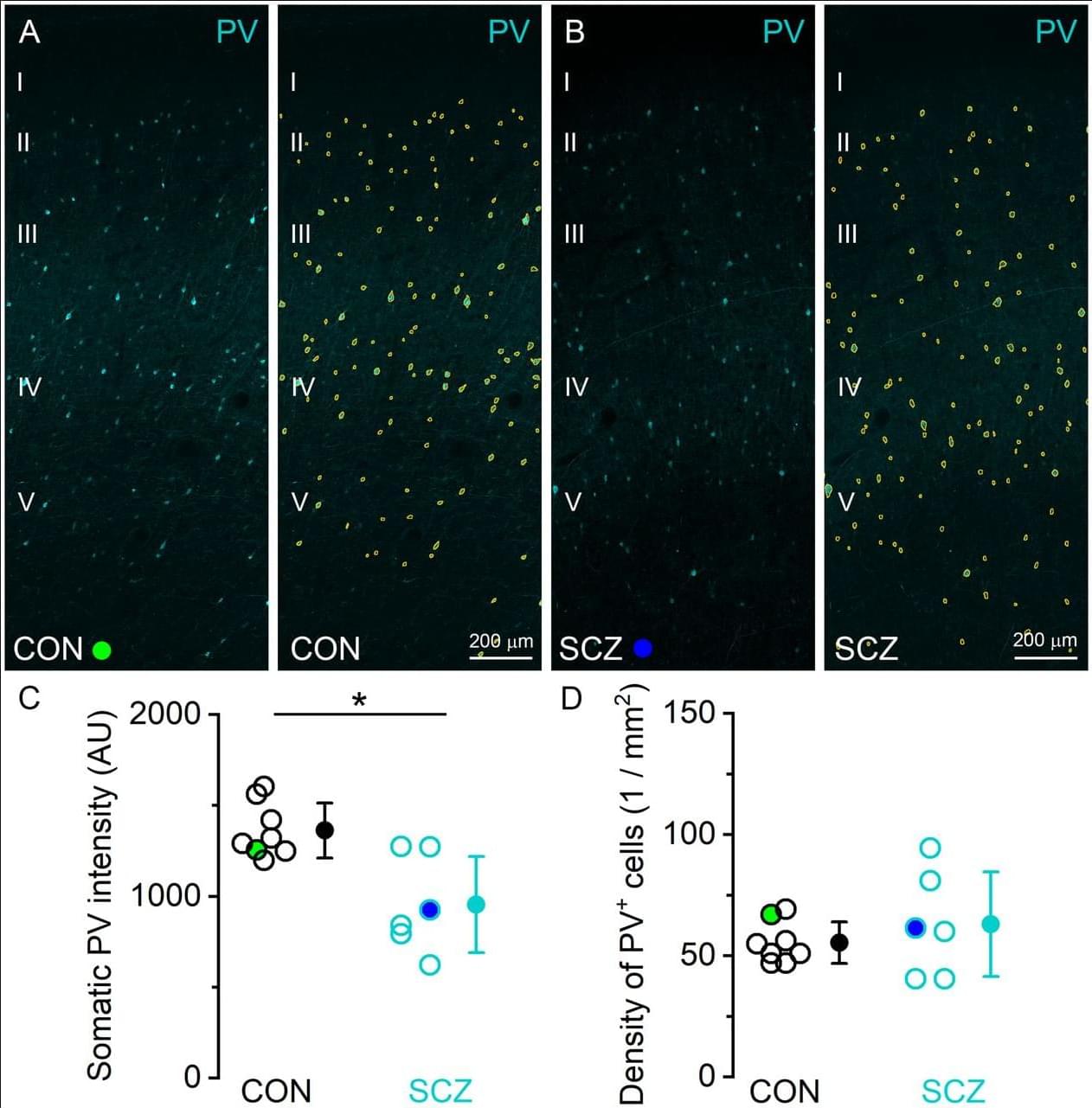
Altered Molecular Composition of a Specific Subset of Prefrontal Cortical Excitatory Synapses in Schizophrenia

JNeurosci: Lorincz et al. provide novel insights into the molecular mechanisms underlying excitatory synaptic dysfunction in schizophrenia.

▶️


Abnormal excitatory synaptic transmission in the human prefrontal cortex has been implicated in the pathophysiology of schizophrenia based primarily on genetic evidence. However, changes in synaptic function cannot be predicted from altered gene expressions, but determining the amount, density, and subsynaptic distribution of synaptic proteins is the only reliable indirect readout of function. Detecting proteins in individual synapses of human postmortem tissues has been severely constrained by technical limitations. Here we overcome this limitation by optimizing a high-resolution, quantitative localization method to facilitate antigen recognition at excitatory synapses in postmortem brains of both sexes.

Stress-reduction molecule has potential to treat aging and metabolic disorders

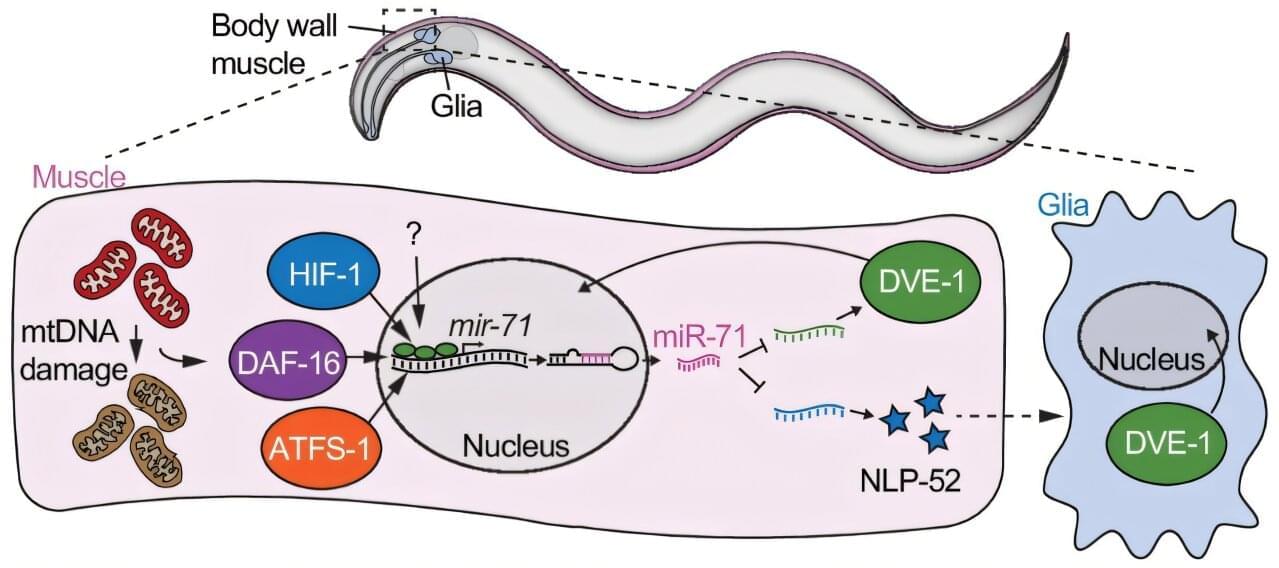
University of Queensland researchers say the discovery of a new stress reduction role for a naturally occurring molecule in the body could lead to new drugs and treatment for metabolic disorders and aging.

Professor Steven Zuryn, a molecular geneticist from UQ’s Queensland Brain Institute, was part of a team that found that very small RNA molecules, called microRNAs, bind to genes and prevent them from being over-activated.

MicroRNAs were discovered in C. elegans about 30 years ago and have since been shown to be important in human health and disease. This initial discovery led to the 2024 Nobel Prize in Physiology or Medicine.

Exploring the neural mechanisms that enable conscious experience

Recently, there has been convergence of thought by researchers in the fields of memory, perception, and neurology that the same neural circuitry that produces conscious memory of the past not only produces predictions of the future, but also conscious perception of the present.

In a new perspective in the Journal of Cognitive Neuroscience, researchers explain that although our conscious perception appears to simply mirror the external world, due to neural processing delays this intuitive feeling must be wrong. Instead, unconscious perceptual mechanisms represent a timeline that is then consciously remembered. Because the default mode network, along with the frontoparietal control and salience networks, are critical for simulation and memory, they are also critical for consciousness.

“The same simulation processes are used whether we are consciously remembering the past, experiencing the present or imagining the future. Perceptual mechanisms represent an ongoing, editable, ‘best estimate’ of our past, present, and future. There is no hard boundary between conscious perception and memory at milliseconds to seconds timescales,” explains corresponding author Andrew Budson, MD, professor of neurology at Boston University Chobanian & Avedisian School of Medicine.

/* */