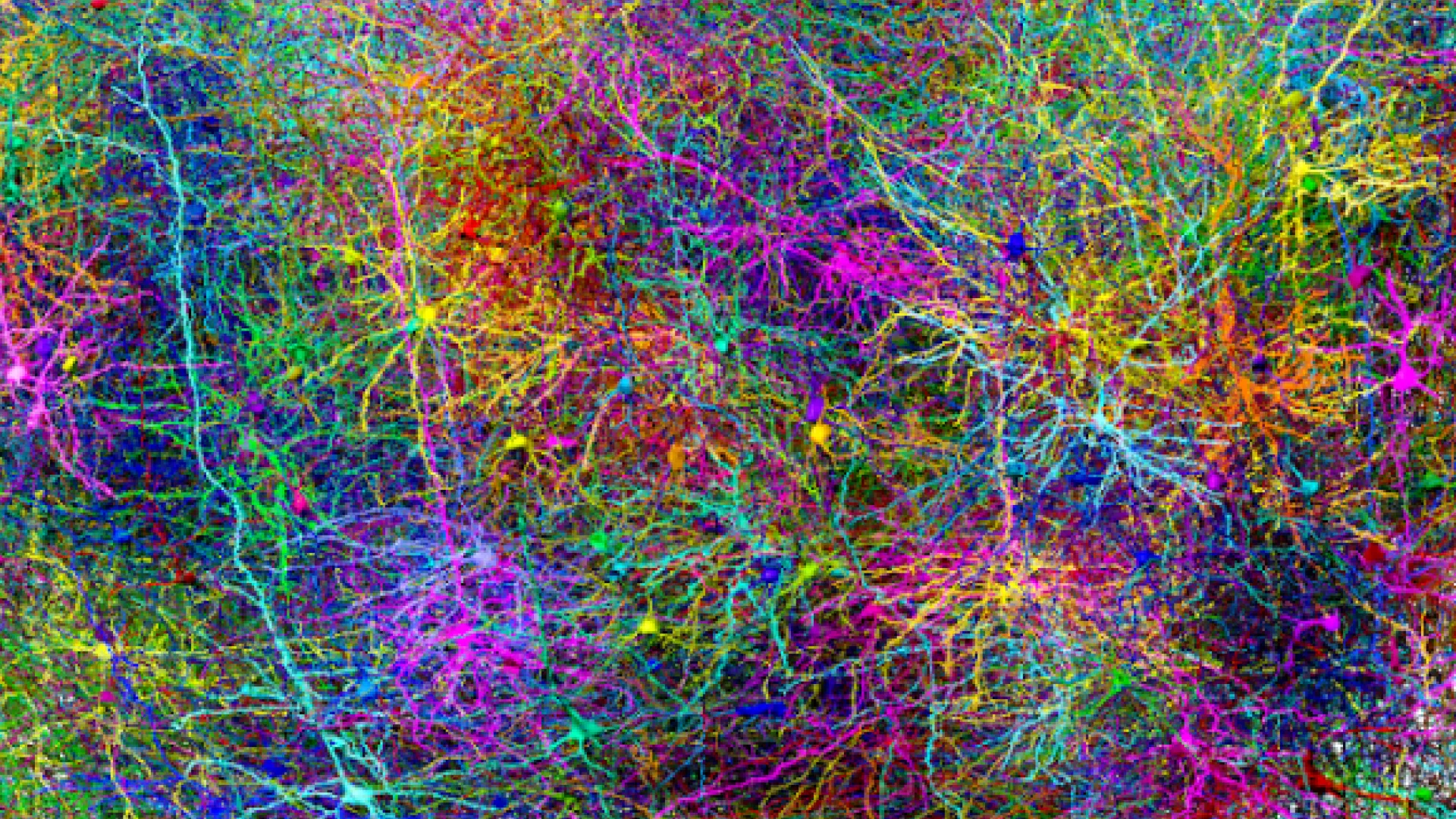
A team of over 150 scientists has achieved what once seemed impossible: a complete wiring and activity map of a tiny section of a mammalian brain. This feat, part of the MICrONS Project, rivals the Human Genome Project in ambition and scope, using cutting-edge AI, microscopy, and teamwork to map
The idea of living forever has fascinated humans for centuries—but what if technology could actually make it happen? With advancements in AI and neuroscience, scientists believe that digital immortality might soon be a reality. Here’s how!
The idea of living forever has fascinated humans for centuries—but what if technology could actually make it happen? With advancements in AI and neuroscience, scientists believe that digital immortality might soon be a reality. Here’s how!
In this episode of the Neural Implant Podcast, we’re joined by Nathan Piland, CEO of Nunex, a consulting firm that specializes in helping MedTech companies navigate the complex journey from concept to commercialization. With over two decades of experience across regulatory strategy, product development, and market access, Nathan shares invaluable insights into the critical steps for MedTech startups and established companies looking to succeed in today’s competitive landscape. Tune in as we discuss the unique challenges of the neurotech industry, strategic consulting for MedTech ventures, and how Nunex is helping companies grow and scale through a holistic, tailored approach.
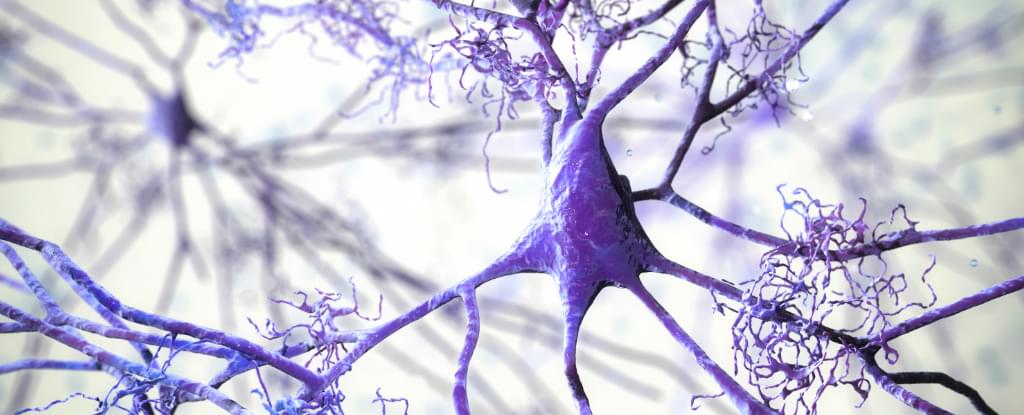
A revolutionary blueprint is emerging from a fragment of brain tissue, promising new insights into the mysteries of the human mind. At the heart of this innovation is NEURD—short for “NEURal Decomposition”—a groundbreaking software package developed by researchers at Baylor College of Medicine.
- Advertisement -
With NEURD, the time-consuming process of mapping the intricate “street map” of brain connections is being transformed, enabling faster error detection and data corrections that pave the way for discovery.
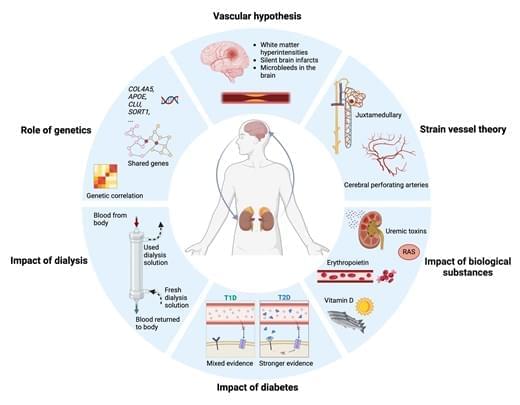
The brain does not function in isolation from other biological systems in the body. Zuo et al. review evidence for and against an association between kidne
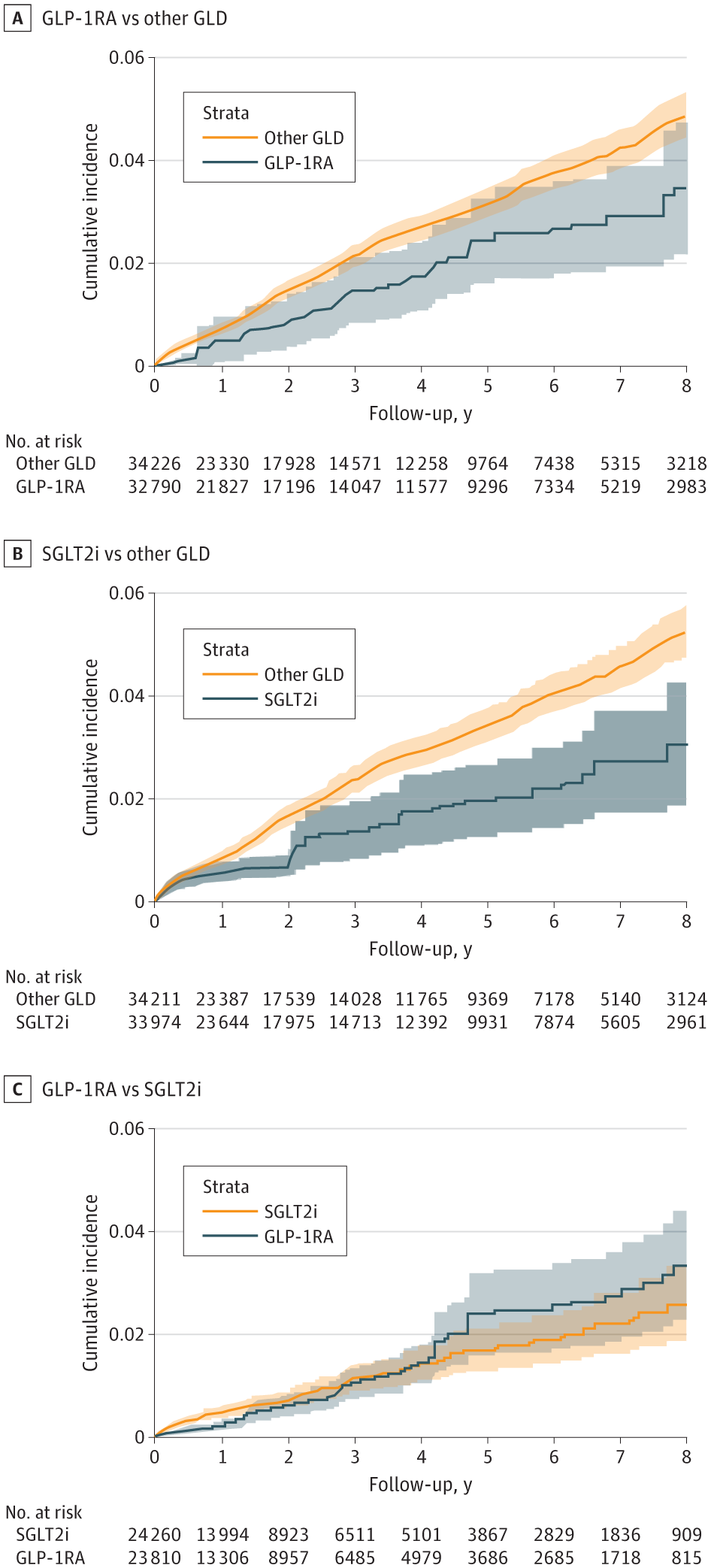
This population-based cohort study examines the association of glucagon-like peptide-1 receptor agonists and sodium-glucose cotransporter-2 inhibitors with the risk of Alzheimer disease and related dementias in patients with type 2 diabetes.