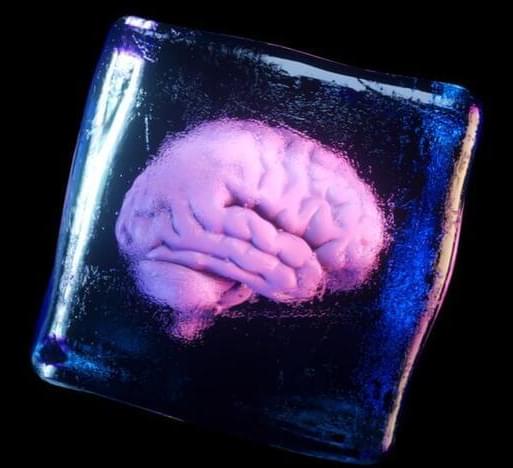
Futurists, including some medical doctors, are signing up to be decapitated—and then have their brains frozen. But without a body, what will their minds become?
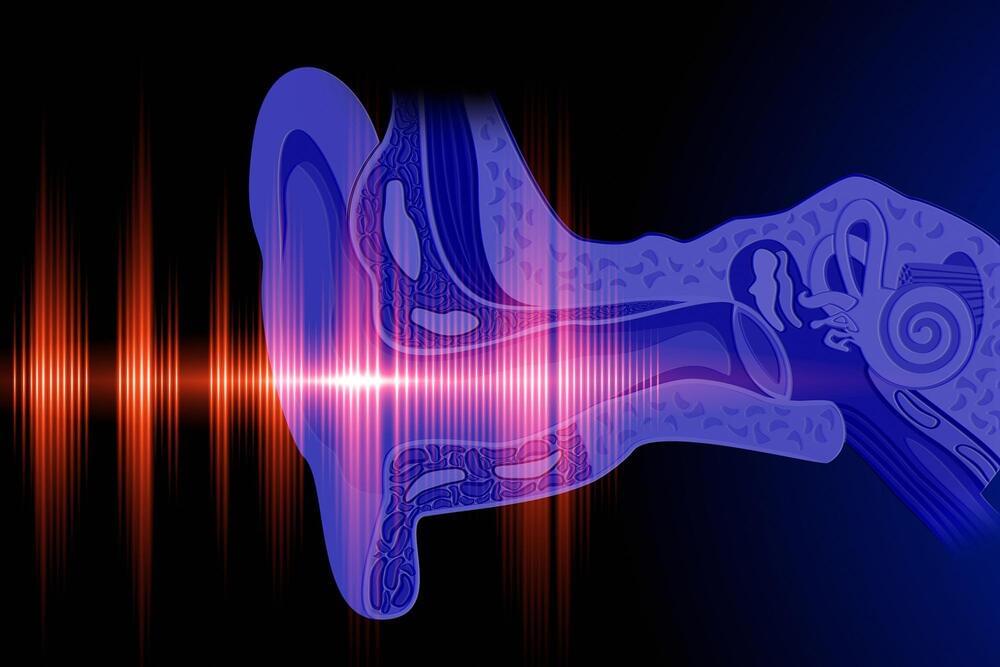
Researchers show that the possible cause of local bone erosion in cholesteatomas are fibroblasts from the bone that express a protein called activin A.
Chronic inflammation of the middle ear can cause several problems and complications that can affect a person’s hearing and balance. One such problem is the formation of a cholesteatoma, which is an abnormal collection of cells in the ear that can cause bone erosion if left untreated. In turn, this can cause symptoms such as hearing loss, dizziness, facial paralysis, and even a brain infection.
In a study published in the journal Nature Communications, researchers from Osaka University have revealed the cause of cholesteatomas, which may help in developing new therapies for patients who are suffering from this disease.

Reflections on a philosopher who believed we can solve the problem of consciousness.

Often perceived as abstract and challenging, physics covers fundamental aspects of the universe, from the tiny world of quantum mechanics to the vast cosmos of general relativity. However, it often comes with intricate mathematical formulations that intimidate many learners. Visual Intuitive Physics is an emerging field that seeks to transform this complexity into accessible visual experiences, making physics more tangible and relatable. By employing visual aids and intuitive methodologies, this approach enhances the understanding of physical principles for students, researchers, and enthusiasts.
Understanding complex physics concepts often requires intuitive visualization that transcends verbal and mathematical explanations. Visualization in physics involves using graphs, diagrams, simulations, and other visual tools to provide a tangible understanding of abstract concepts. For instance, Marr and Bruce emphasized that visual tools significantly enhance conceptual understanding in students by providing concrete ways to comprehend physical laws.
Visualization helps bridge the gap between theoretical concepts and practical understanding. Per Kozma and Russell, visualization is pivotal in building cognitive structures that make understanding and remembering scientific principles easier. This is particularly significant for concepts that lack direct physical analogs, such as quantum mechanics and relativity.

Researchers at Sylvester Comprehensive Cancer Center at the University of Miami Miller School of Medicine have developed a nanoparticle that can penetrate the blood-brain barrier. Their goal is to kill primary breast cancer tumors and brain metastases in one treatment, and their research shows the method can shrink breast and brain tumors in laboratory studies.
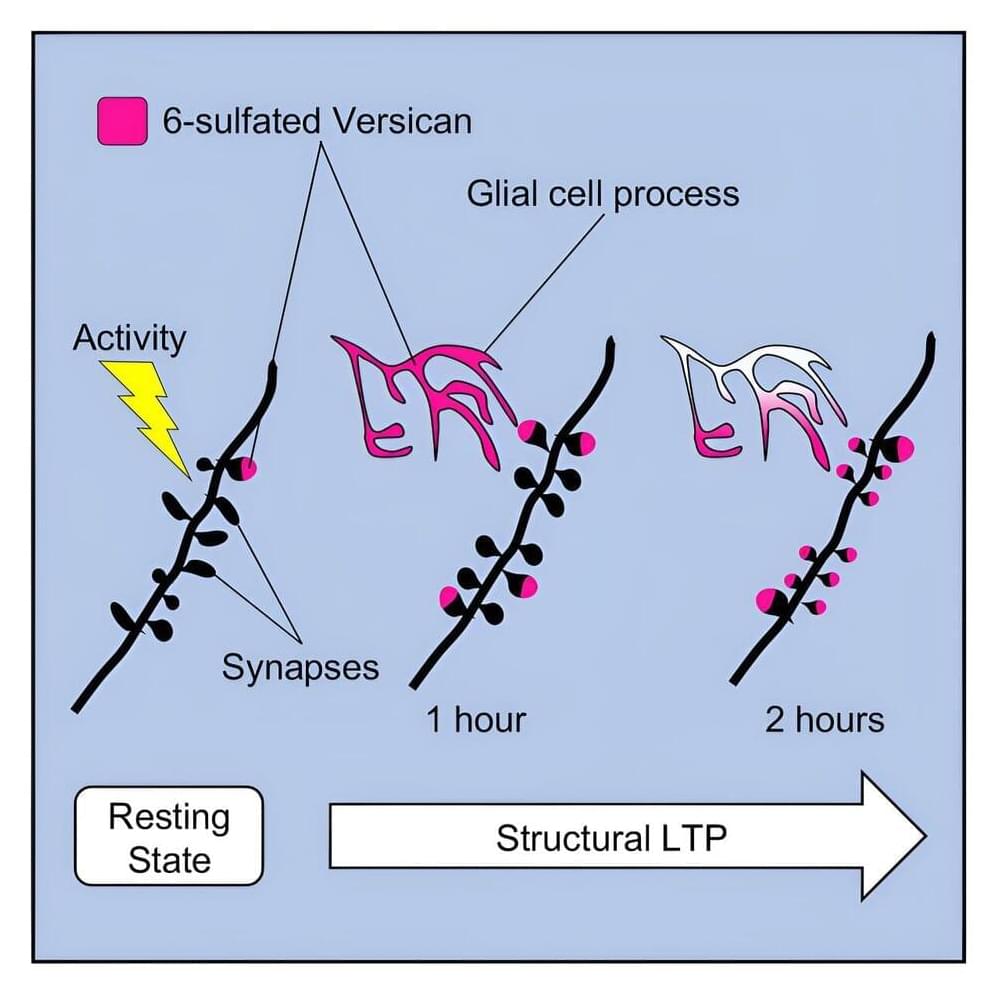
Some problems of the very intuitive evolutionary emergentist paradigm trying to explain consciousness from neurons, thanks to Andrés Gómez Emilsson and Chris Percy at Qualia Research Institute:
The “Slicing Problem” is a thought experiment that raises questions for substrate-neutral computational theories of consciousness, particularly, in functionalist approaches.
The thought experiment uses water-based logic gates to construct a computer in a way that permits cleanly slicing each gate and connection in half, creating two identical computers each instantiating the same computation. The slicing can be reversed and repeated via an on/off switch, without changing the amount of matter in the system.

Dementia has become rampant among human beings who are pushed into a deep mental abyss, devoid of memories and remembrance.
It has been termed as “the long goodbye”. Even though the person remains alive, memories fade away slowly and irreversibly due to dementia.
Dementia eventually snatches away the ability of a person to communicate, eat and drink on their own, recognise family members and understand where they are.
Now that’s Wonderful. It’s touching by how they were brought to tears in making progress in fighting neurogenitive disease.
Auckland scientists are celebrating an important breakthrough after zeroing in on a rare genetic mutation causing motor neuron disease. Their work is now being published in the journal Brain, and national correspondent Amanda Gillies spoke to the lead researcher. ➡️ SUBSCRIBE: https://bit.ly/NewshubYouTube.
You’re joining us on the official YouTube channel for Warner Bros. Discovery’s Newshub. Here you will find livestreams and news videos from our award-winning team of journalists working across our bulletins and shows — AM, Paddy Gower Has Issues, Newshub Nation, and The Hui.
* Follow Newshub on Facebook: http://bit.ly/NewshubFacebook.
* Follow Newshub on Twitter: http://bit.ly/NewshubTwitter.
* Follow Newshub on Instagram: http://bit.ly/NewshubInstagram.
* Follow Newshub on TikTok: http://bit.ly/NewshubTikTok