Toggle light / dark theme

Neuromorphic Computing: The Future of Artificial Intelligence

In the vast and ever-evolving landscape of technology, neuromorphic computing emerges as a groundbreaking frontier, reminiscent of uncharted territories awaiting exploration. This novel approach to computation, inspired by the intricate workings of the human brain, offers a path to traverse the complex terrains of artificial intelligence (AI) and advanced data processing with unprecedented efficiency and agility.

Neuromorphic computing, at its core, is an endeavor to mirror the human brain’s architecture and functionality within the realm of computer engineering. It represents a significant shift from traditional computing methods, charting a course towards a future where machines not only compute but also learn and adapt in ways that are strikingly similar to the human brain. This technology deploys artificial neurons and synapses, creating networks that process information in a manner akin to our cognitive processes. The ultimate objective is to develop systems capable of sophisticated tasks, with the agility and energy efficiency that our brain exemplifies.

The genesis of neuromorphic computing can be traced back to the late 20th century, rooted in the pioneering work of researchers who sought to bridge the gap between biological brain functions and electronic computing. The concept gained momentum in the 1980s, driven by the vision of Carver Mead, a physicist who proposed the use of analog circuits to mimic neural processes. Since then, the field has evolved, fueled by advancements in neuroscience and technology, growing from a theoretical concept to a tangible reality with vast potential.

After 180 years, new clues are revealing just how general anaesthesia works in the brain

Over 350 million surgeries are performed globally each year. For most of us, it’s likely at some point in our lives we’ll have to undergo a procedure that needs general anaesthesia.

Even though it is one of the safest medical practices, we still don’t have a complete, thorough understanding of precisely how anaesthetic drugs work in the brain.

In fact, it has largely remained a mystery since general anaesthesia was introduced into medicine over 180 years ago.

Tuberous Sclerosis

Tuberous sclerosis is a rare genetic disease that causes benign tumors to grow in the brain and other organs. The disease can be mild, or it can cause severe disabilities. Tuberous sclerosis has no cure, but treatments can help symptoms. More info here.


Tuberous sclerosis (TSC) is a rare genetic disease. It causes benign tumors in the brain and other organs. Learn about symptoms and what can help.

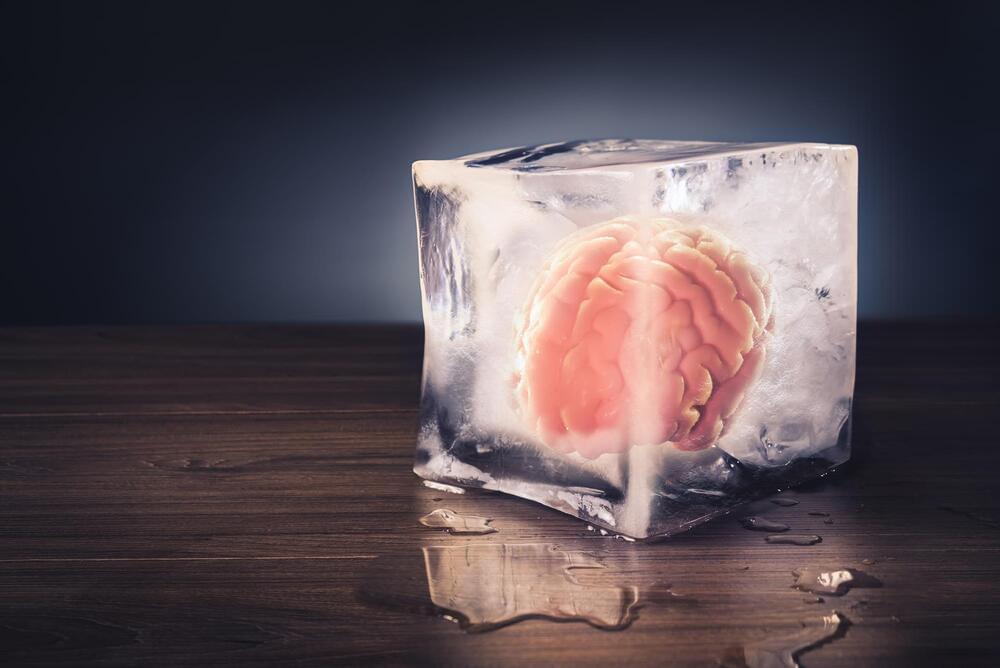
Frozen human brain tissue works perfectly when thawed 18 months later

In good news for future animation figureheads, there might be a new way to revive frozen brains without damaging them. Scientists in China have developed a new chemical concoction that lets brain tissue function again after being frozen.

Freezing is effective at keeping organic material from decomposing, but it still causes damage. As the water inside turns to ice, the crystals tear apart the cells. That’s why frozen meat or fruit goes a bit mushy after it’s defrosted – but a bigger problem is that it also happens with organs or tissues chilled for transplant or research.

For the new study, scientists at Fudan University in China experimented with various chemical compounds to see which ones might work to preserve living brain tissue during freezing. They started by testing out promising chemicals on brain organoids – small, lab-grown lumps of brain tissue that develop into different types of related cells.

Ed Boyden: Let’s Bring Engineers into Studying the Brain

Subscribe: RSS

I met Prof. Ed Boyden at last year’s Global Future 2045 conference in New York. There I was highly impressed with Boyden’s impressive work in neuroscience in general and optogenetics in particular, as well as the profound implications it would have on our ability to understand and manipulate the brain. And so I knew instantly I must bring him for an interview.

/* */