Toggle light / dark theme

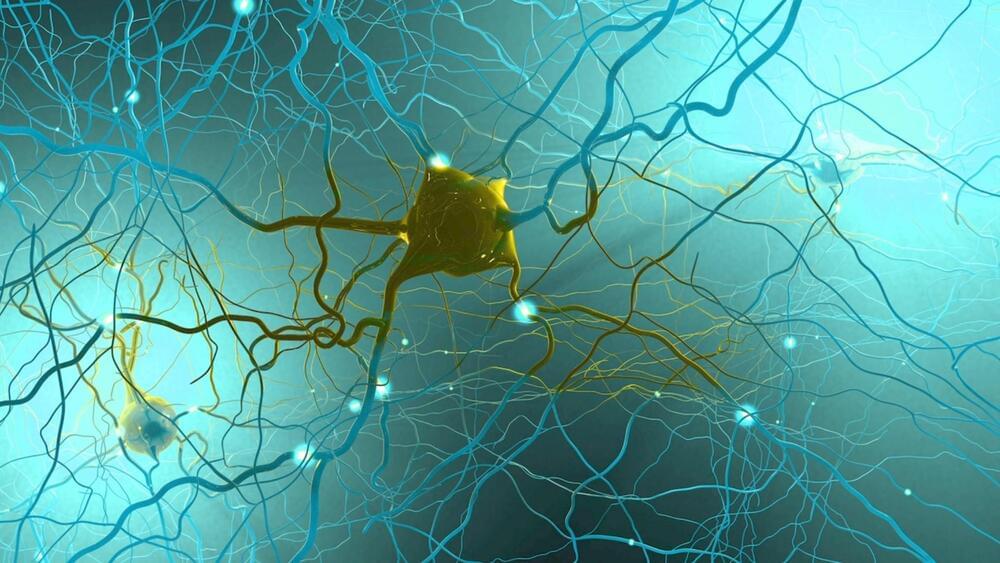
First functional human brain tissue produced through 3D printing

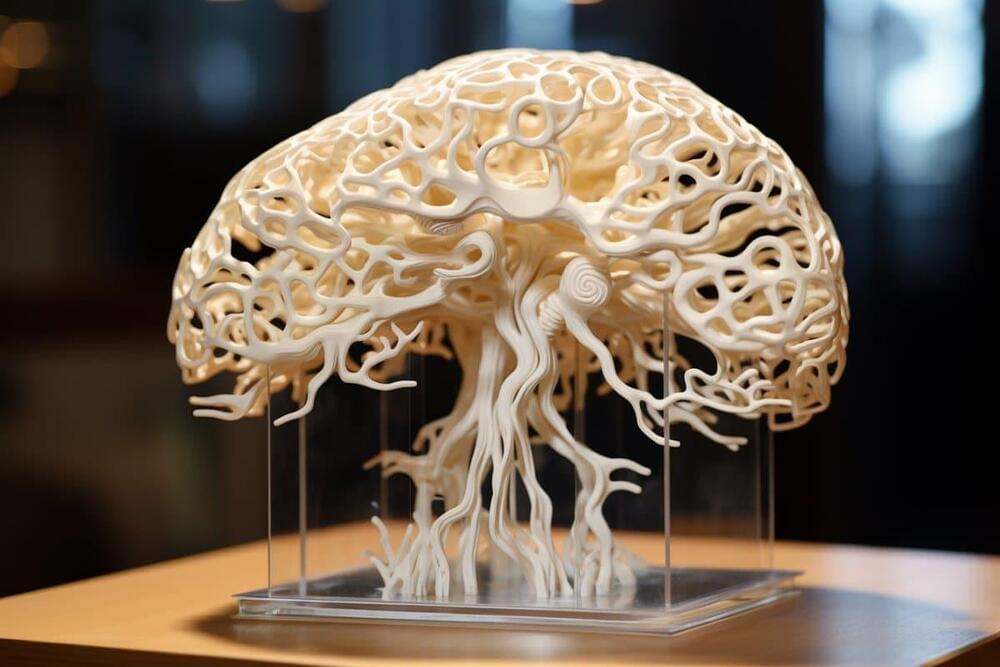
A team of researchers has created the first functional 3D-printed brain tissue to examine the brain’s function and study various neurological disorders.


The first functional 3D-printed brain tissue has been developed to examine the human brain’s function and study various neurological disorders.

According to experts at the University of Wisconsin-Madison, printed tissue can “grow and function like typical brain tissue.”

This 3D-printed brain model might be useful in studying various neurological and neurodevelopmental problems, including Alzheimer’s and Parkinson’s disease.
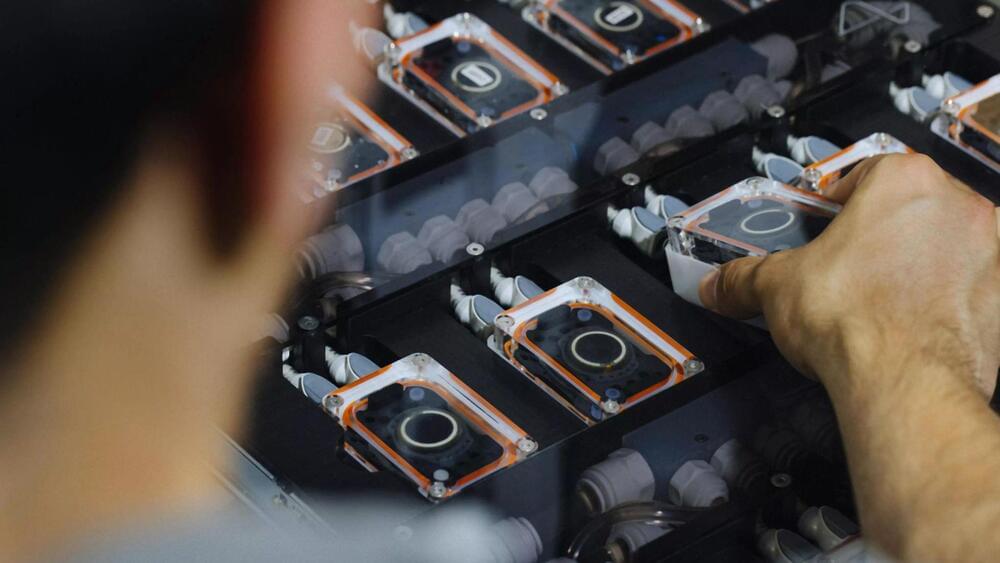
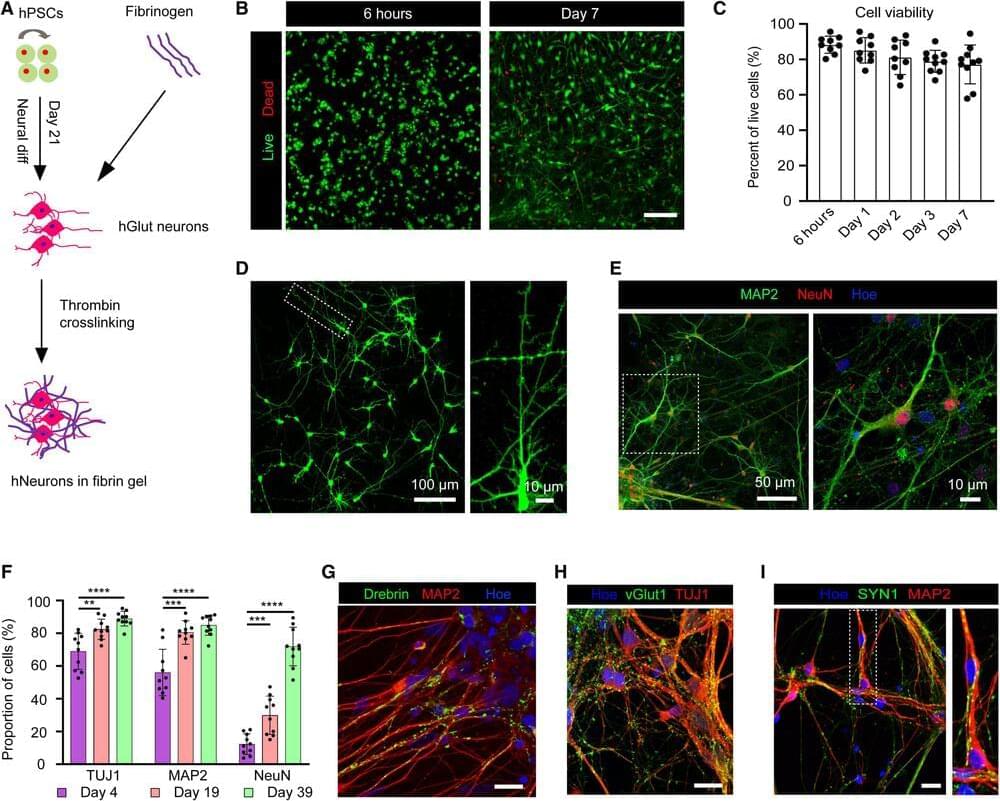
Researchers produce the first 3D-printed functional human brain tissue

A team of University of Wisconsin–Madison scientists has developed the first 3D-printed brain tissue that can grow and function like typical brain tissue.

It’s an achievement with important implications for scientists studying the brain and working on treatments for a broad range of neurological and neurodevelopmental disorders, such as Alzheimer’s and Parkinson’s disease.

“This could be a hugely powerful model to help us understand how and parts of the brain communicate in humans,” says Su-Chun Zhang, professor of neuroscience and neurology at UW–Madison’s Waisman Center. “It could change the way we look at , neuroscience, and the pathogenesis of many neurological and psychiatric disorders.”

Several Bizarre Visual Symptoms Shown to Be a Strong Predictor For Alzheimer’s

The rare condition posterior cortical atrophy (PCA) involves strange, troubling issues with vision and spatial awareness – including difficulty judging distances, seeing movement, and recognizing objects – and a new study highlights its close relationship to Alzheimer’s disease in more detail than ever before.

PCA and Alzheimer’s have long been linked with each other, because they share a lot of the same pathological changes in the brain. However, the rarity of PCA has made it hard for researchers to fully assess it in relation to Alzheimer’s.

To address that, an international team of researchers analyzed data on 1,092 individuals with PCA, finding that it was a very strong predictor for Alzheimer’s: in 94 percent of cases, tell-tale Alzheimer’s brain changes were observed, and were most likely contributing to PCA.

Revolutionary 3D-Printed Brain Tissue Mimics Human Function

Summary: Researchers developed the world’s first 3D-printed brain tissue that grows and behaves similarly to natural brain tissue, marking a significant leap forward for neurological and neurodevelopmental disorder research.

This novel 3D-printing technique uses a horizontal layering approach and a softer bio-ink, allowing neurons to interconnect and form networks akin to human brain structures.

The ability to precisely control cell types and arrangements provides unparalleled opportunities to study brain functions and disorders in a controlled environment, offering new avenues for drug testing and understanding brain development and diseases like Alzheimer’s and Parkinson’s.

China plans big tech move to rival Elon Musk’s Neuralink by 2025

The recently published tech policy document by the Ministry of Industry and Information Technology reflects their dedication to fostering innovation and development in future industries. The roadmap emphasizes the importance of forward-looking planning, policy guidance, and cultivating new quality productive forces to support the country’s aspirations for global technological leadership.

The race for supremacy in brain-computer interfaces intensifies as the world watches China’s technological journey unfold. With Neuralink marking its milestones, China’s bold ambitions signal a new era of competition in the ever-evolving landscape of cutting-edge technologies.

The question now is not just about who will lead the race but what groundbreaking innovations lie ahead for humanity.

Mental Health Statistics And Facts In 2024

I believe that the nanotransfection using internal biocomputing will change psychiatric problems because it will physically repair problems with biocomputing rather chemical based computers. Also this could heal the software components aswell of the mind aswell.


Millions of Americans experience symptoms of a mental health condition each year, and the number of people seeking care is trending upward. While a mental health diagnosis may impact an individual’s daily life, it can also have a ripple effect across families, communities and even economies.

Here’s a closer look at the current state of mental health, including how many people experience mental health conditions and which populations are most at risk.

/* */