The Most Powerful Neurotransmitter in the World Join Thrive Market Today to get 30% Off Your First Order AND a Free Gift Worth up to $60!
Category: neuroscience – Page 557
Arnold Schwarzenegger’s Insights on Equality, Inclusivity, and Success
Ryan speaks with Arnold Schwarzenegger on how to be useful while we still have the time, the mental, physical and psychological benefits to nurturing the mind and body, keys moments during his bodybuilding career, running for governor and more… Arnold Schwarzenegger is an Austrian and American actor, businessman, filmmaker, former politician, and former professional bodybuilder best known for his roles in high-profile action movies. He served as the 38th governor of California from 2003 to 2011 and was among Time magazine’s 100 most influential people in the world in 2004 and 2007. Be Useful: Seven Tools For Life is written with Arnold Schwarzenegger’s uniquely earnest, blunt, powerful voice. It takes readers on an inspirational tour through his toolkit for a meaningful life. Arnold shows us how to put those tools to work, in service of whatever fulfilling future we can dream up for ourselves. He brings his insights to vivid life with compelling personal stories, life-changing successes and life-threatening failures alike—some of them famous, some told here for the first time.
Neuroscience Beyond Neurons: bioelectricity underlies the collective intelligence of cellular swarms
This is a talk I gave to a neuroscience audience for the Harley Hotchkiss Memorial Lecture at the Canadian Centre for Behavioural Neuroscience at the Univers…
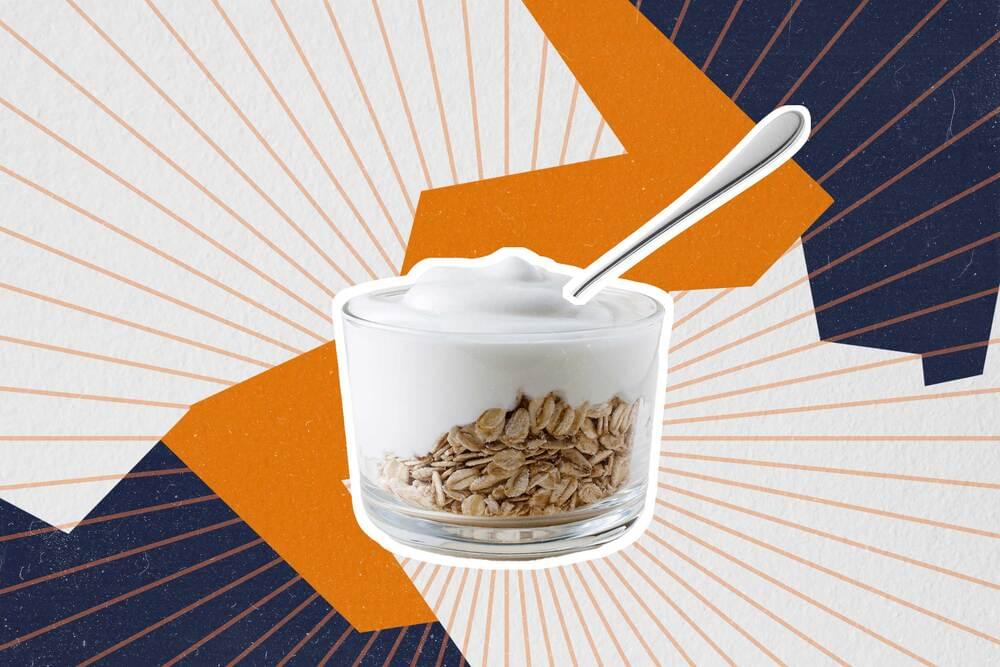
The way to Better Mental Health may go through your Stomach
University of Virginia School of Medicine researchers have discovered how Lactobacillus, a bacterium found in fermented foods and yogurt, helps the body manage stress and may help prevent depression and anxiety.
The findings open the door to new therapies to treat anxiety, depression and other mental health conditions.
UVA researcher Alban Gaultier and collaborators say the discovery is notable because it pinpoints the role of Lactobacillus, separating it out from all the other microorganisms that naturally live in and on our bodies.
Unlock Adult Learning Potential: Neuroscientist Reveals Best Methods
Adults can learn new skills and reshape their neural circuitry through focused effort, intensity, and utilizing psychological means and supplements to increase brain plasticity.
Questions to inspire discussion.
Can adults learn new skills effectively?
—Yes, adults can learn new skills effectively through focused effort and intensity, reshaping their neural circuitry in the process.
Boost Neuroplasticity & Strengthen Your Brain: Expert Tips
IN THIS EPISODE OF THE HUMAN UPGRADE™…you’ll learn how much control you can actually have over your brain. There’s a new way of accessing your meat operating system that adds an important element that’s been missing from the brain training conversation. Moha Bensofia joins the show to explain a new piece of neurotech called Mendi. He shares the benefits of getting more blood to the front of your brain. Mendi uses neurofeedback to provide visual feedback based on your brain activity.
A headset measures the activity while you play a fun brain-training mobile game. The system uses fNIRS technology to measure blood flow and oxygenation in the pre-frontal cortex of the brain. The brain training game requires focus and calmness, which increases activity and control of your brain’s pathways.
Unlocking the Power of Neuroplasticity: Transforming Your Brain for Lifelong Growth
The Sentis Brain Animation Series takes you on a tour of the brain through a series of short and sharp animations. The fourth in the series explains how our most complex organ is capable of changing throughout our lives. This inspiring animation demonstrates how we all have the ability to learn and change by rewiring our brains. Who is Sentis? We are a global team assisting individuals and organisations change their lives for the better. The human mind is our focus and we believe the mind is an individual’s most important performance tool. We are the world leaders in the application of psychology and neuroscience to safety, leadership development, and wellbeing in the workplace. The Sentis Brain Animation Series is the intellectual property of Sentis Pty Ltd and only approved for third party use under a formal licensing agreement.
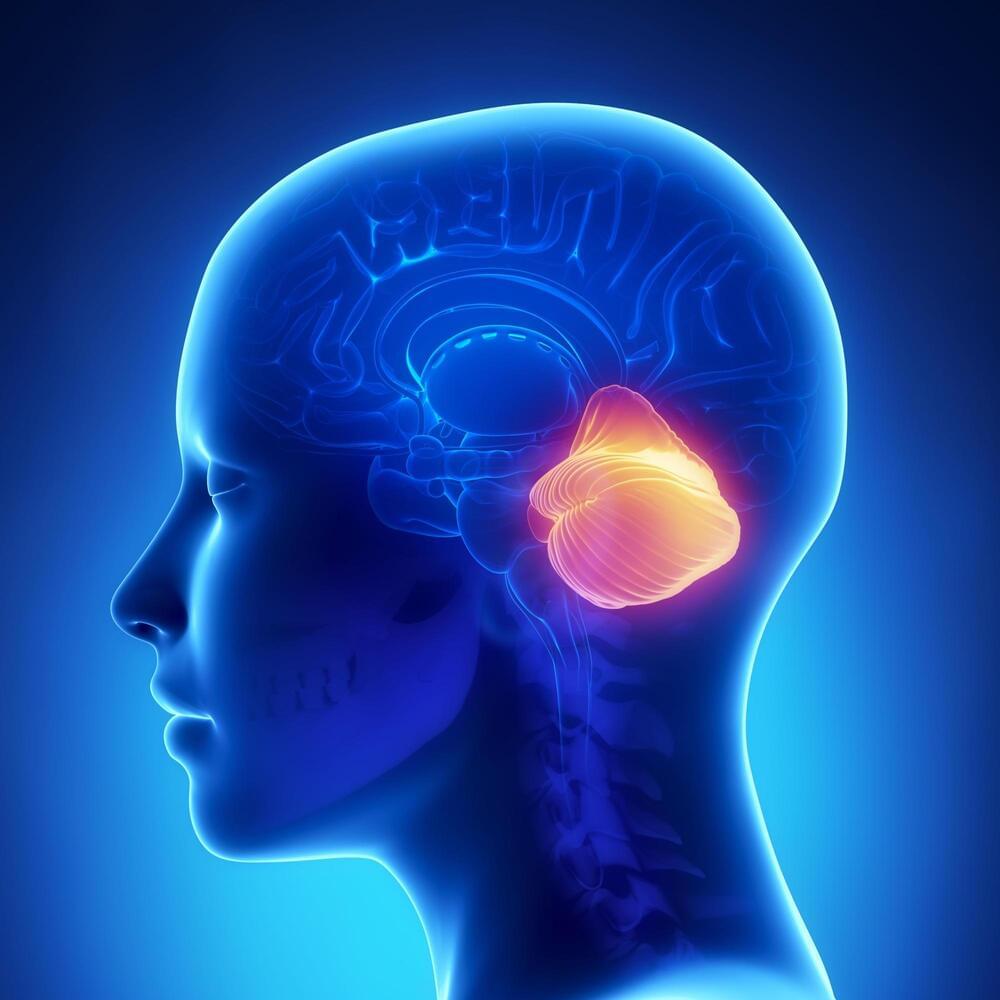
Redefining Brain Evolution: Unveiling the “Little Brain’s” Role in the Human Cognitive Leap
The advancement of higher cognitive abilities in humans is predominantly associated with the growth of the neocortex, a brain area key to conscious thinking, movement, and sensory perception. Researchers are increasingly realizing, however, that the “little brain” or cerebellum also expanded during evolution and probably contributes to the capacities unique to humans, explains Prof. Henrik Kaessmann from the Center for Molecular Biology of Heidelberg University.
His research team has – together with Prof. Dr Stefan Pfister from the Hopp Children’s Cancer Center Heidelberg – generated comprehensive genetic maps of the development of cells in the cerebella of humans, mice, and opossums. Comparisons of these data reveal both ancestral and species-specific cellular and molecular characteristics of cerebellum development spanning over 160 million years of mammalian evolution.
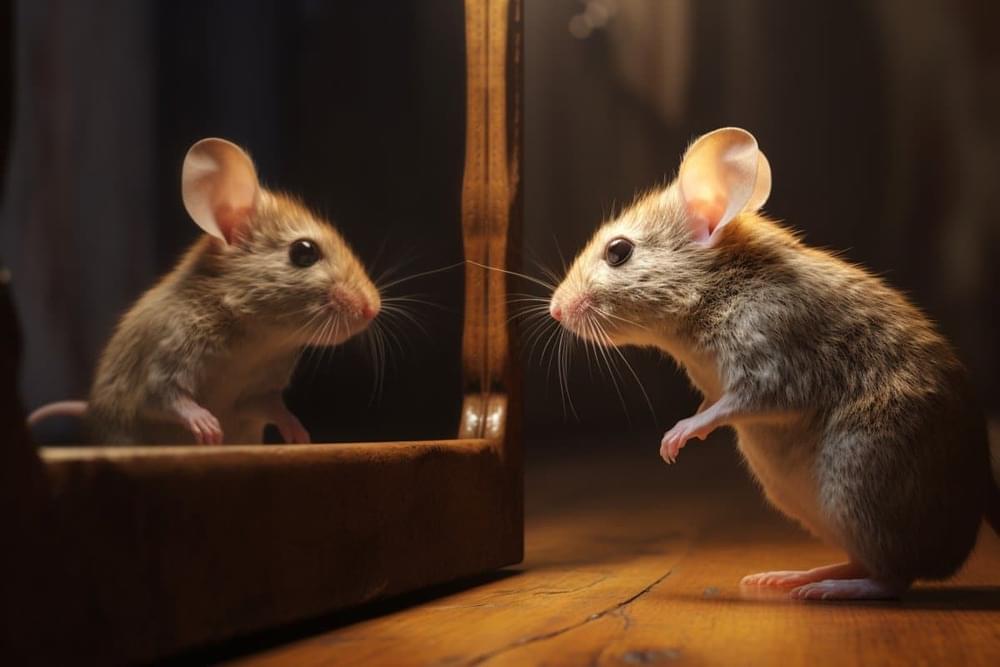
Mirror Insight: Mice Show Glimpses of Self-Recognition
Summary: Mice display behavior akin to self-recognition when viewing their reflections in mirrors. This behavior emerges under specific conditions: familiarity with mirrors, socialization with similar-looking mice, and visible markings on their fur.
The study also identifies a subset of neurons in the hippocampus that are crucial for this self-recognition-like behavior. These findings provide valuable insights into the neural mechanisms behind self-recognition, a previously enigmatic aspect of neurobehavioral research.