Toggle light / dark theme

Mind-Body Link Exposed: Unraveling the Physical Costs of Mental Disorders

Psychiatric patients almost twice as likely to have multiple physical ailments – new study.

A new study, conducted by Anglia Ruskin University (ARU) in collaboration with the University of Cambridge’s Biomedical Research Centre, has revealed significant findings about the physical health of psychiatric patients. This extensive analysis incorporated data from 19 different studies, involving 194,123 psychiatric patients globally, and compared them to 7,660,590 individuals in control groups.

Findings on Multimorbidity.

Maternal metabolic conditions linked to children’s neurodevelopmental risks, study shows

🤰 🧠 👶


Study investigates how maternal metabolic conditions like pregestational diabetes, gestational diabetes, and obesity mediate the risk of neurodevelopmental conditions in children. It highlights the significant role of obstetric and neonatal complications in this relationship, emphasizing the need for managing these complications to mitigate children’s risk of developing conditions like ADHD and autism.

New Mosasaur Species, Jormungandr the World Serpent, Found in North Dakota

Mosasaurs were a diverse group of marine lizards which, much like whales and other cetaceans, adapted to life in the oceans. And though we’ve been digging them up for 200 years now, new species are still being discovered. Recently a team of paleontologists discovered not just a new species but an entirely new genus in the Pembina Member of the Pierre Shale Formation in North Dakota, United States.

RELATED: Giant mosasaur digested large prey then spit up the bones

Researchers found a mostly complete skull and jaws as well as 7 cervical vertebrae, 5 anterior dorsal vertebrae, 11 ribs, and 3 structural bones supporting the brain called hypapophyseal peduncles. The bones belonged to an animal which lived approximately 80 million years ago during the Late Cretaceous period. Scientists dubbed the creature Jormungandr walhallaensis for Walhalla, North Dakota where it was found and for Jörmungandr, the world serpent from Norse mythology.

This Brain Implant Turns Thoughts into Speech

This post is also available in: he עברית (Hebrew)

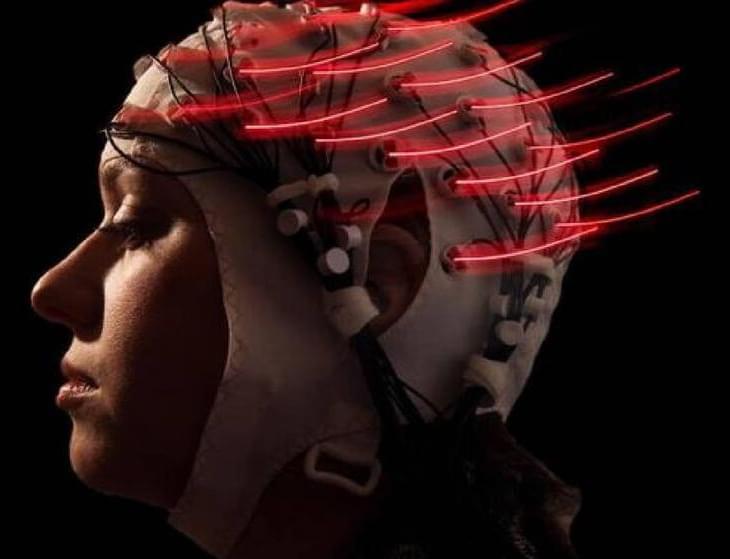
A revolutionary brain implant invented by a team of neuroscientists, neurosurgeons, and engineers can transform thoughts into speech. This technology will hopefully help people who cannot speak because of neurological conditions be able to communicate once more.

Gregory Cogan, a professor of neurology at Duke University’s School of Medicine and one of the lead researchers in the project, explains: “There are many patients who suffer from debilitating motor disorders, like Amyotrophic Lateral Sclerosis (ALS) or locked-in syndrome, that can impair their ability to speak… But the current tools available to allow them to communicate are generally very slow and cumbersome.”

Turns Out, Rocket Scientists and Brain Surgeons Are Not Smarter Than the Rest

In an interesting revelation, a collaborative team of researchers across various institutions in London has shown that rocket scientists and neurosurgeons, who are often held on a high pedestal for their superior intellect are, in fact, no smarter than the general public, BBC reported.

When failing to complete day-to-day tasks, one often comes across the term “It’s not rocket science”. The phrases that have been used by the public at large tacitly imply that rocket science or brain surgery is not a menial job and requires an individual of a higher intellect. Interestingly, it was a team of neurosurgeons and those involved in studying the human brain who decided to probe whether this held true.

Scientists genetically engineer yeast to make safer schizophrenia drugs

Treating mental disorders with fewer side effects

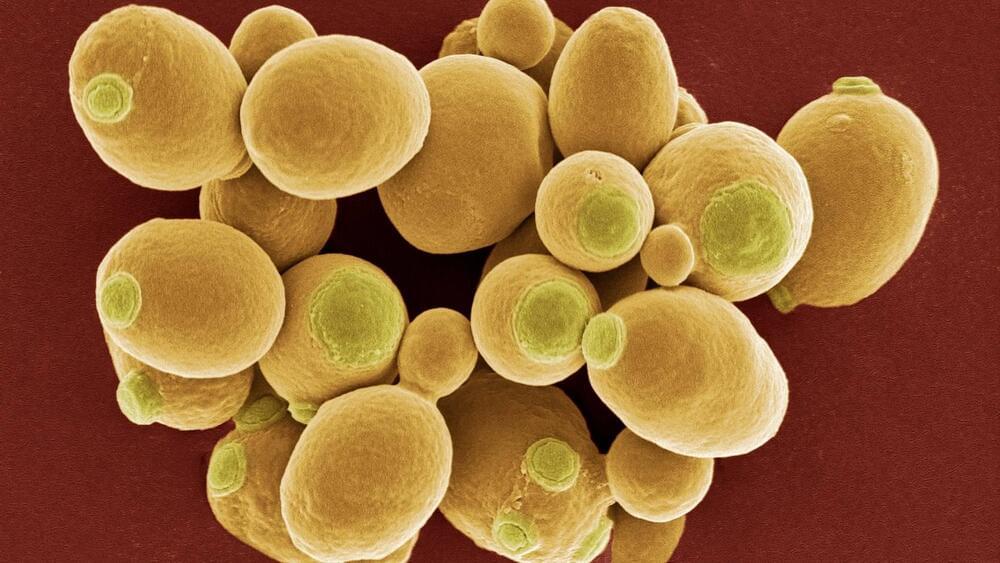
Now, researchers have managed to genetically modify yeast cells to produce drugs for mental disorders such as schizophrenia with fewer side effects.

“Development of medicines from natural plant substances is widely used. However, since plants do not produce these substances to fight human diseases, there is often a need to modify them to make them more effective and safe,” said Michael Krogh Jensen, a senior researcher at DTU Biosustain and co-founder of the biotech company Biomia.

/* */