“Our study may be as good as it will ever get for finding neural signatures of near-death consciousness,” said the study’s senior author.
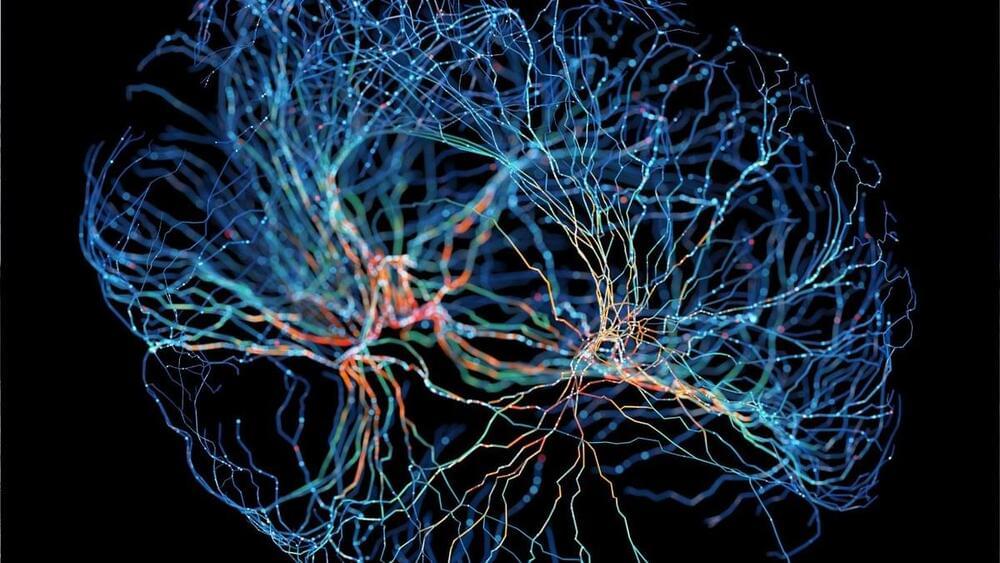
Upon removal of ventilator support, two of the patients showed an increase in heart rate along with a surge of gamma wave activity, considered the fastest brain activity and associated with consciousness.
Furthermore, the activity was detected in the so-called hot zone of neural correlates of consciousness in the brain, the junction between the temporal, parietal and occipital lobes in the back of the brain. This area has been correlated with dreaming, visual hallucinations in epilepsy, and altered states of consciousness in other brain studies.

Technophobia is an extreme fear of technology. People with technophobia may fear the power of artificial intelligence, robots or computers.
Technophobia is more than resistance to learning new technology. Rather, people with the condition may obsess over technology. Or, they may go to great lengths to avoid incorporating technology into their lives.
Technophobia is not a clinical diagnosis in the Diagnostic and Statistical Manual of Mental Disorders (DSM-5). Still, as technology has expanded rapidly in recent years, some clinicians treat technophobia like a specific phobia. Specific phobias are irrational fears of a particular situation, object, animal or interaction. The fear isn’t in proportion to the actual danger.
Is mind reading possible? An age-old question with multiple unproven answers. Those who study psychology often claim that they can understand what the other person is saying as they study mental processes, brain functions, and behaviour, but even they can be 100 per cent accurate.
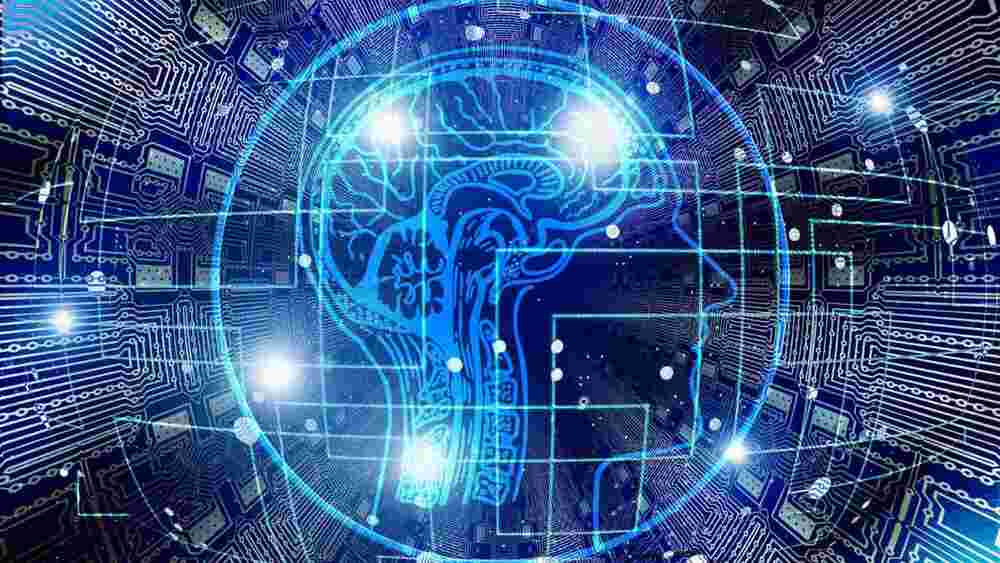
A study, published in the journal Nature Neuroscience, attempts to address it as scientists have said that they have come up with a way to decode a stream of words in the brain using MRI scans and artificial intelligence.
The study titled — “Semantic reconstruction of continuous language from non-invasive brain recordings” — noted that the system won’t replicate each word but it reconstructs the brief of what a person hears or imagines. The study was published in the journal Nature Neuroscience.
Defining computational neuroscience The evolution of computational neuroscience Computational neuroscience in the twenty-first century Some examples of computational neuroscience The SpiNNaker supercomputer Frontiers in computational neuroscience References Further reading
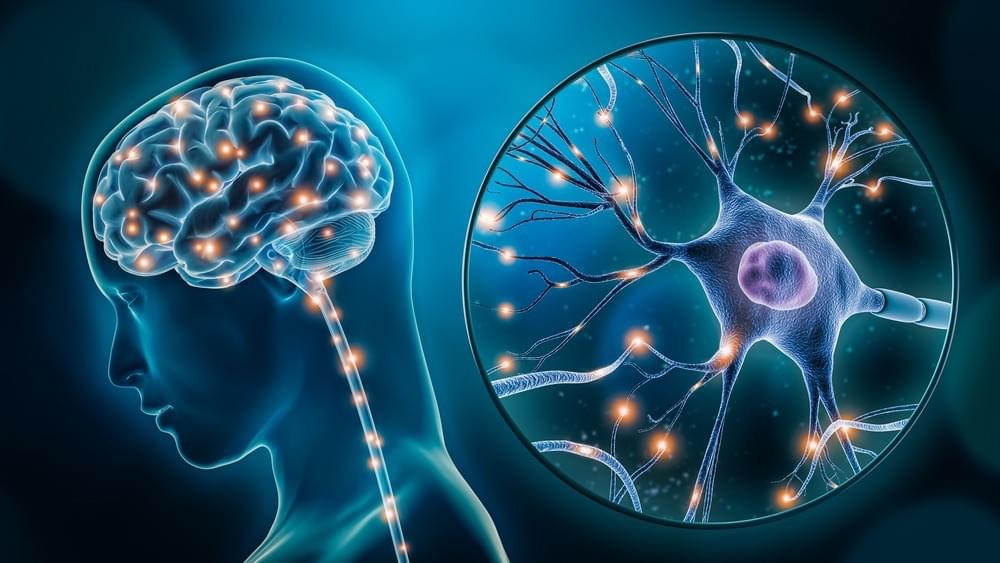
The human brain is a complex and unfathomable supercomputer. How it works is one of the ultimate mysteries of our time. Scientists working in the exciting field of computational neuroscience seek to unravel this mystery and, in the process, help solve problems in diverse research fields, from Artificial Intelligence (AI) to psychiatry.
Computational neuroscience is a highly interdisciplinary and thriving branch of neuroscience that uses computational simulations and mathematical models to develop our understanding of the brain. Here we look at: what computational neuroscience is, how it has grown over the last thirty years, what its applications are, and where it is going.
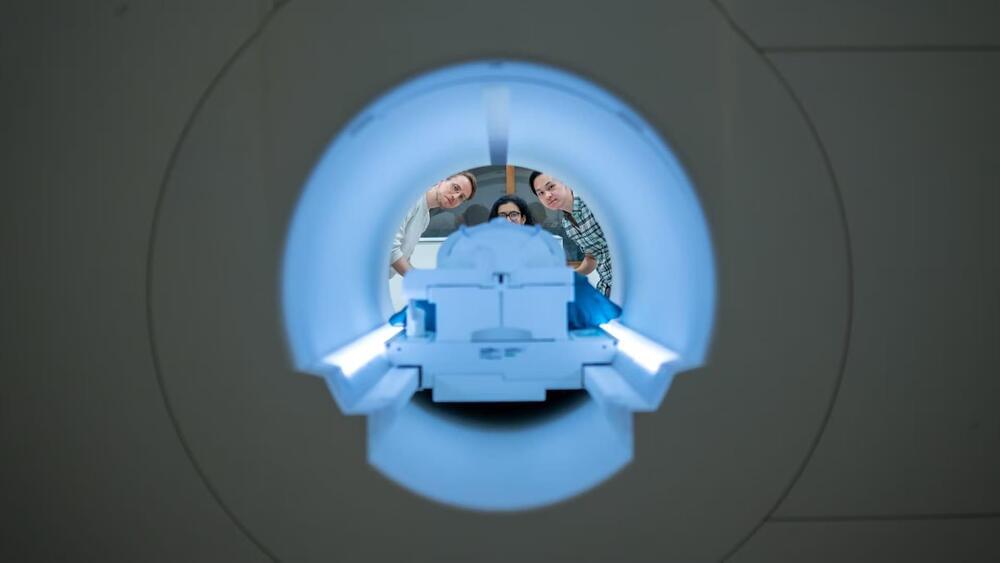
Scientists have developed a noninvasive AI system focused on translating a person’s brain activity into a stream of text, according to a peer-reviewed study published Monday in the journal Nature Neuroscience.
The system, called a semantic decoder, could ultimately benefit patients who have lost their ability to physically communicate after suffering from a stroke, paralysis or other degenerative diseases.
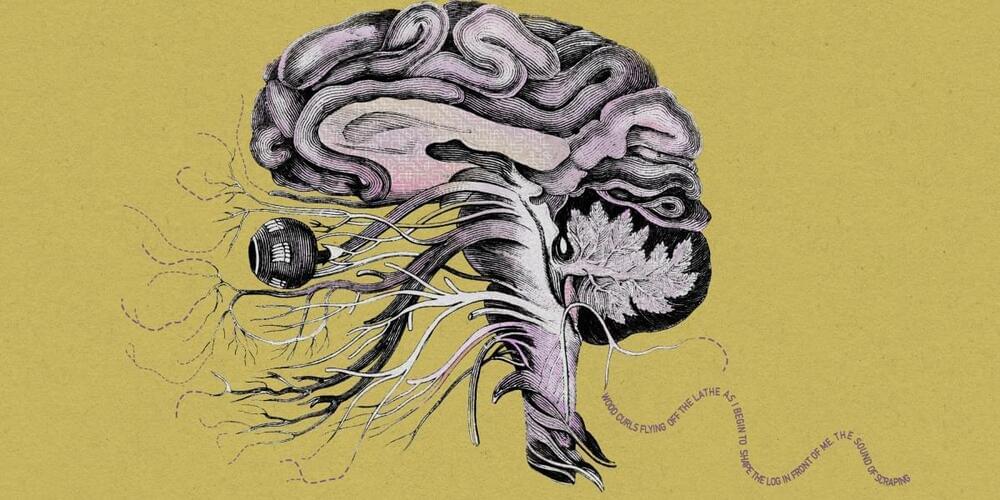
A group of scientists at Harvard Medical School are the pion-ears of innovative developments in hearing loss treatment.
Researchers at the school’s Mass Eye and Ear hospital claim to have developed a groundbreaking solution to hearing loss, one of the music community’s most vexing and elusive problems.
According to a study published in the Proceedings of the National Academy of Sciences, the researchers formulated a “drug-like cocktail” comprising various molecules that regenerate the inner ear hair cells responsible for relaying sounds to the brain.
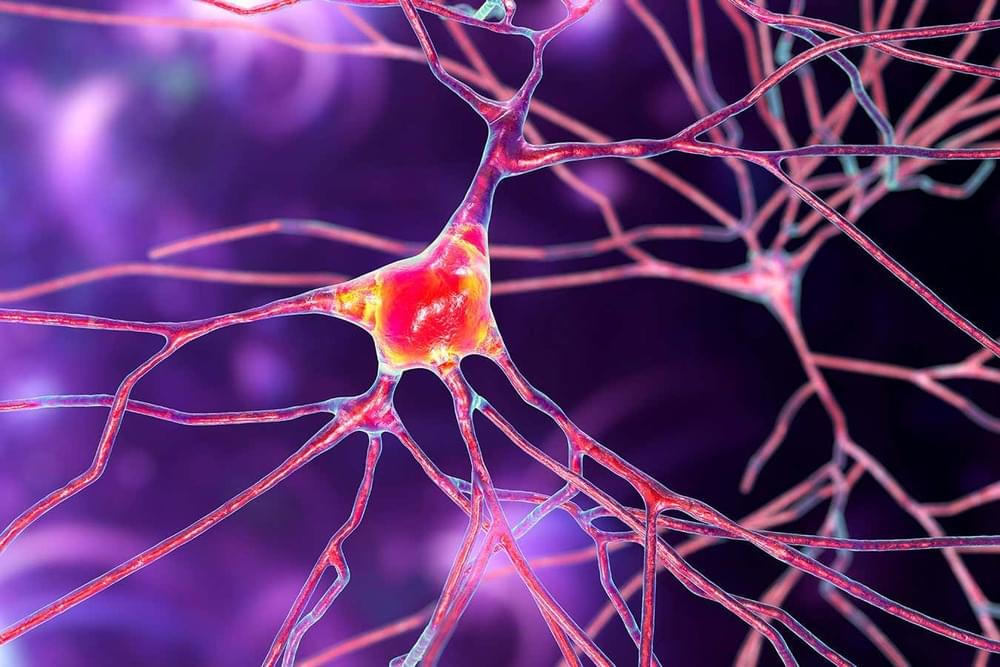
Computer simulations of a human brain under the influence of LSD show that entropy increases the most in regions responsible for processing vision and integrating sensory information.

The Dark Tetrad personality traits of sadism, narcissism, psychopathy, and Machiavellianism have long been associated with perpetrating negative behavior, but can they also put someone at higher risk for victimization? A study published in Frontiers in Psychology suggest that these traits may be associated with higher rates of being the victim of bullying.
Bullying is a serious and pervasive problem that can be associated with many negative outcomes for victims, including depression, anxiety, substance use, and even suicidality. Due to these potentially grave outcomes, research has attempted to delve into the dynamics surrounding bullying, including what makes people more likely to become a perpetrator and/or a victim of bullying.
The Dark Tetrad traits are typically linked with antisocial and criminal behaviors. They are personality traits that are frequently associated with a lack of empathy, increased manipulation, and a disregard for other people.