MIT researchers discovered that the prefrontal cortex doesn’t just send generic control signals—it tailors its messages to different brain regions based on arousal and movement.

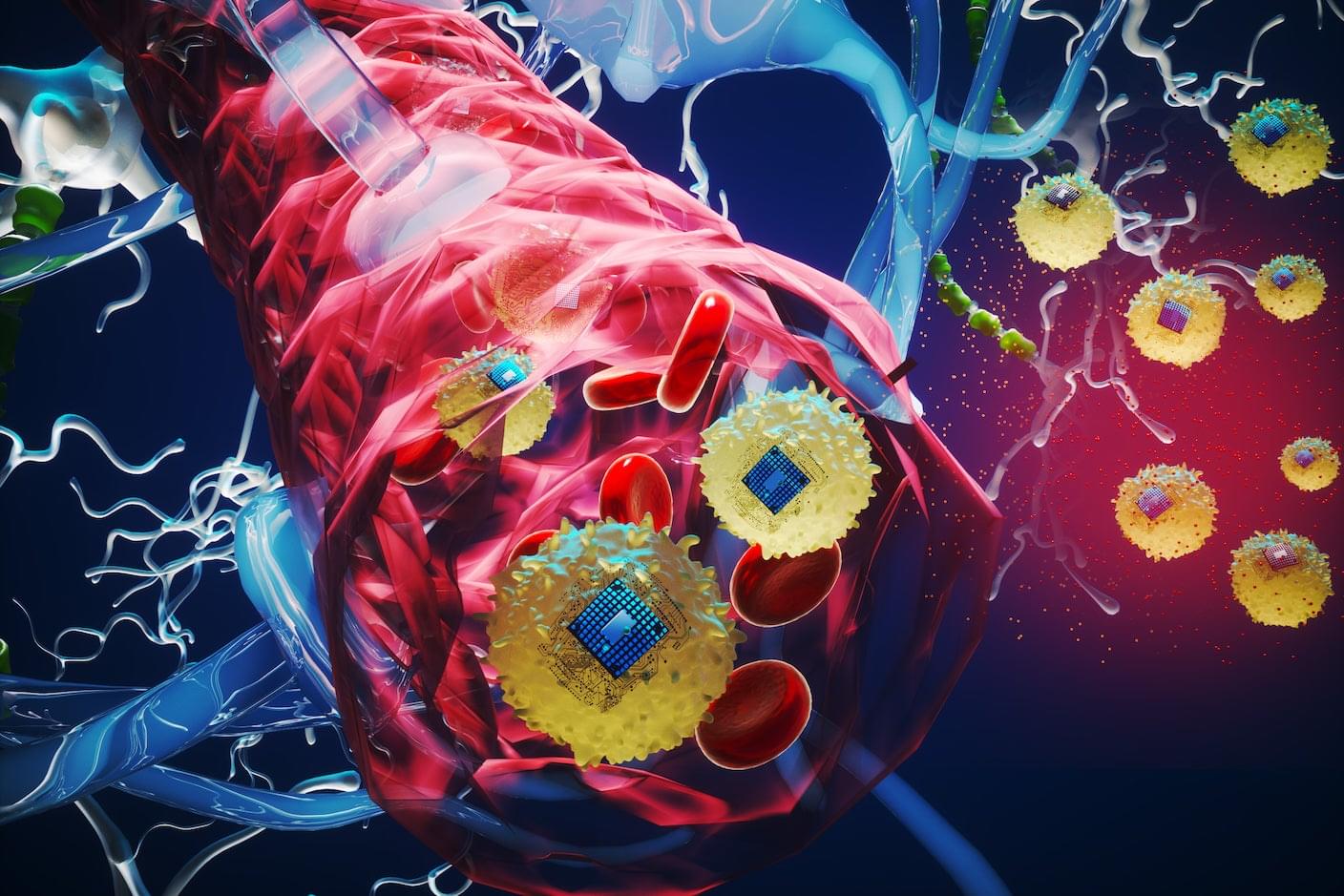
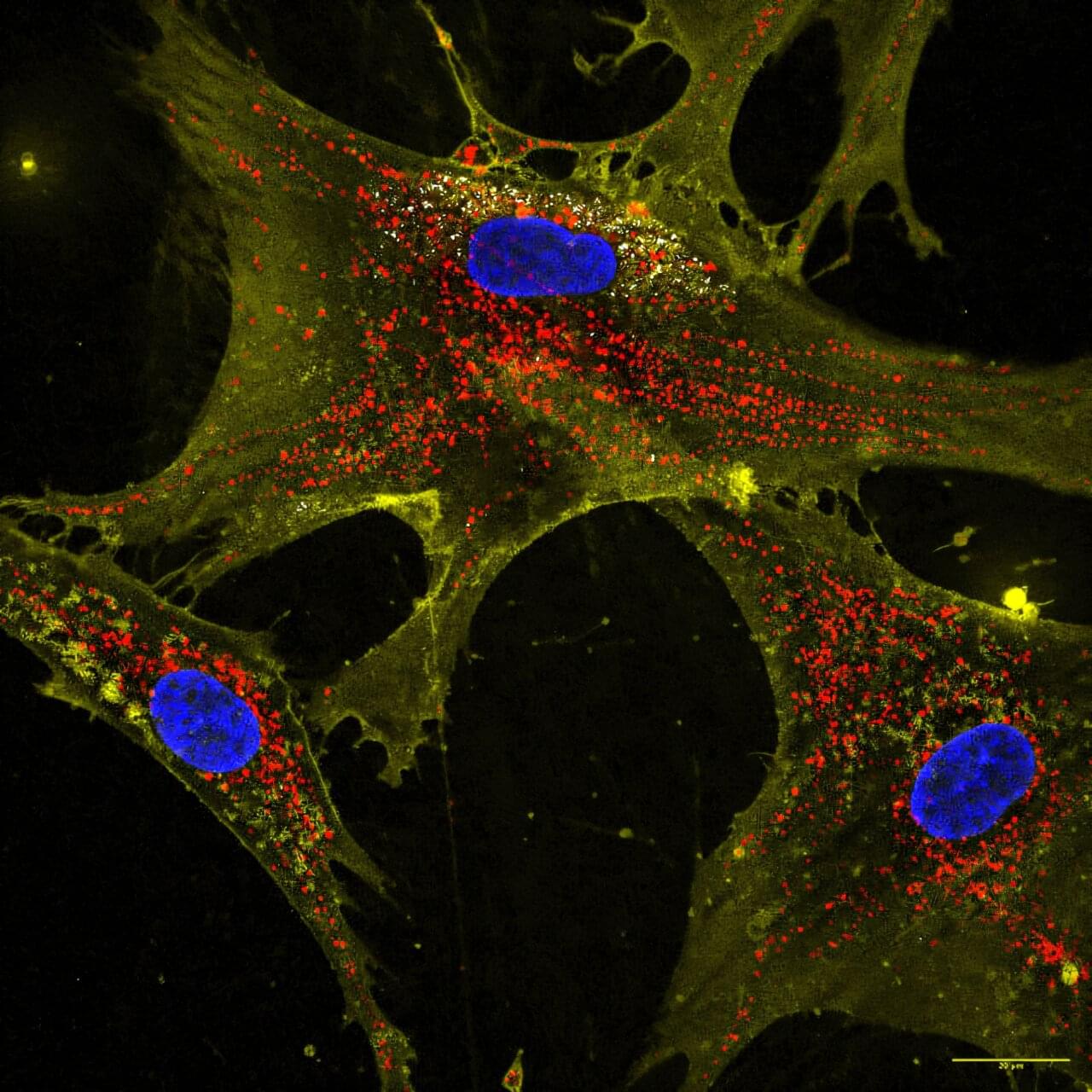
Biomedical researchers at Texas A&M University may have discovered a way to stop or even reverse the decline of cellular energy production—a finding that could have revolutionary effects across medicine.
Dr. Akhilesh K. Gaharwar and Ph.D. student John Soukar, along with their fellow researchers from the Department of Biomedical Engineering, have developed a new method to give damaged cells new mitochondria, returning energy output to its previous levels and dramatically increasing cell health.
Mitochondrial decline is linked to aging, heart disease and neurodegenerative disorders. Enhancing the body’s natural ability to replace worn-out mitochondria could fight all of them.
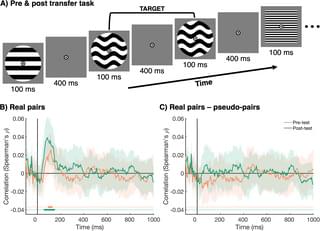
How do brains align during social interaction to support shared understanding? This study shows that interbrain information alignment emerges rapidly and strengthens with practice, with distinct neural processes supporting sensory synchrony during early alignment and shared cognitive representation in real pairs during late alignment.
Researchers have suspected for some time that the link between our gut and brain plays a role in the onset of Parkinson’s disease.
A recent study identified gut microbes likely to be involved and linked them with decreased riboflavin (vitamin B2) and biotin (vitamin B7), suggesting an unexpectedly simple treatment that may help: B vitamins.
“Supplementation therapy targeting riboflavin and biotin holds promise as a potential therapeutic avenue for alleviating Parkinson’s symptoms and slowing disease progression,” said medical researcher Hiroshi Nishiwaki from Nagoya University in Japan, when the paper was published in May 2024.


A new pill for treating dementia is delivering promising “topline” results in early-stage clinical trials, according to a recent press release by its makers.
The treatment, called VES001 after its developer Vesper Bio, is designed to tackle frontotemporal dementia (FTD) – the most common type of dementia in the under-60s.
In a two-part preliminary safety trial at two medical centres in the Netherlands and the UK, VES001 was given to people showing no signs of FTD, including six volunteers with an increased genetic risk for the condition.