Toggle light / dark theme

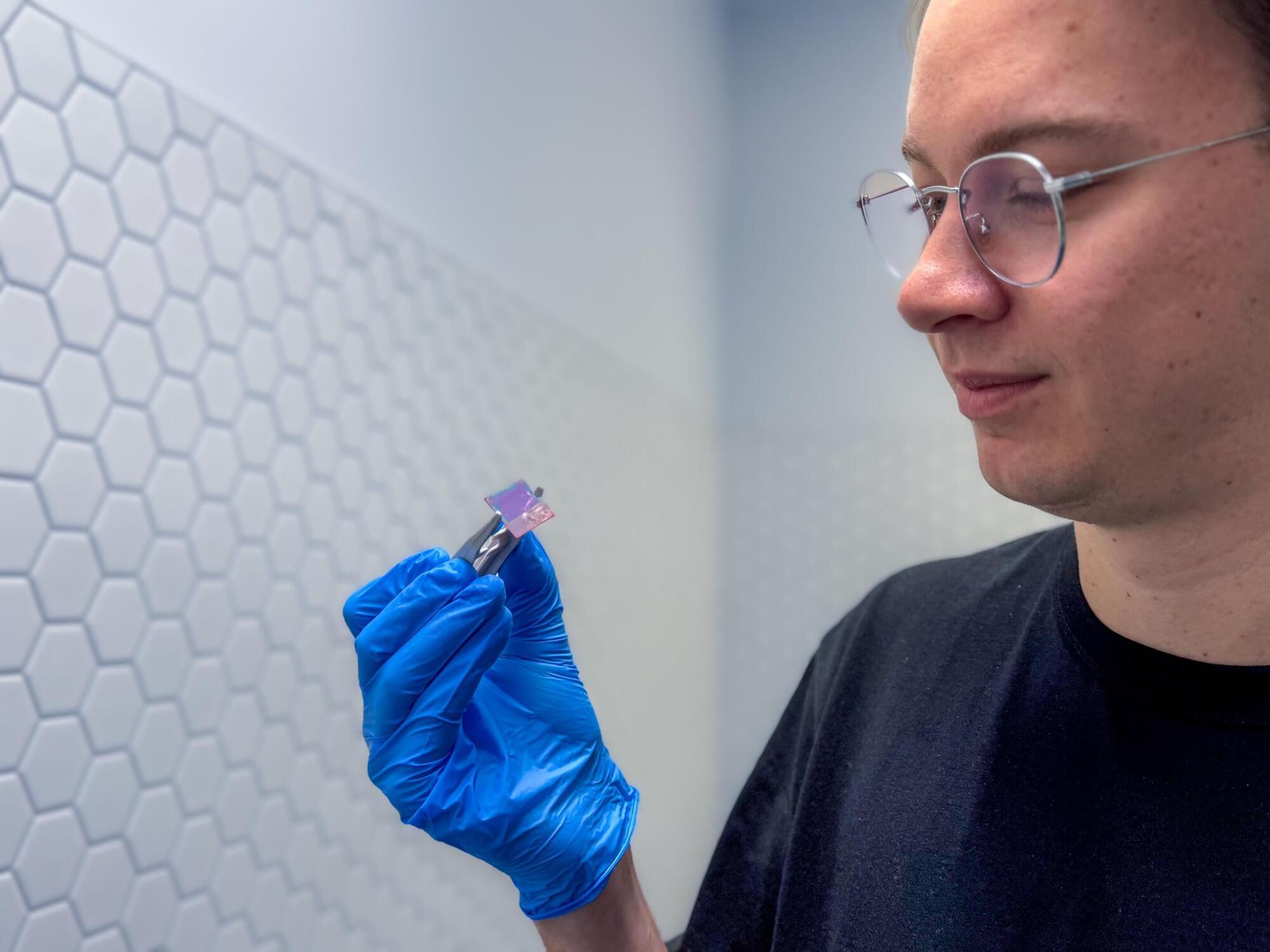
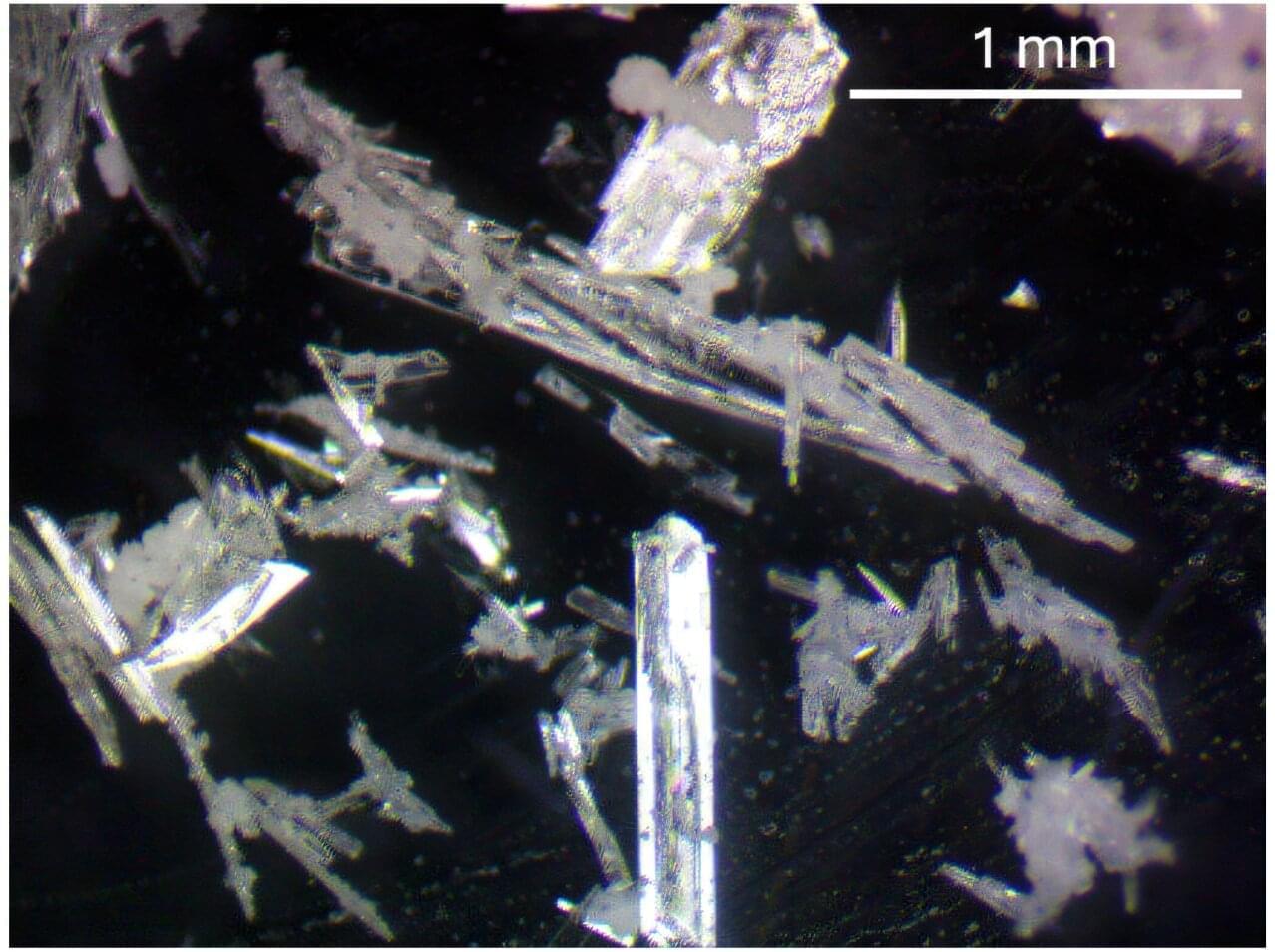
Stoichiometric crystal shows promise in quantum memory

For over two decades, physicists have been working toward implementing quantum light storage—also known as quantum memory—in various matter systems. These techniques allow for the controlled and reversible mapping of light particles called photons onto long-lived states of matter. But storing light for long periods without compromising its retrieval efficiency is a difficult task.

This Ultra-Thin Drumhead Moves Sound With Almost No Loss — And May Change Tech Forever

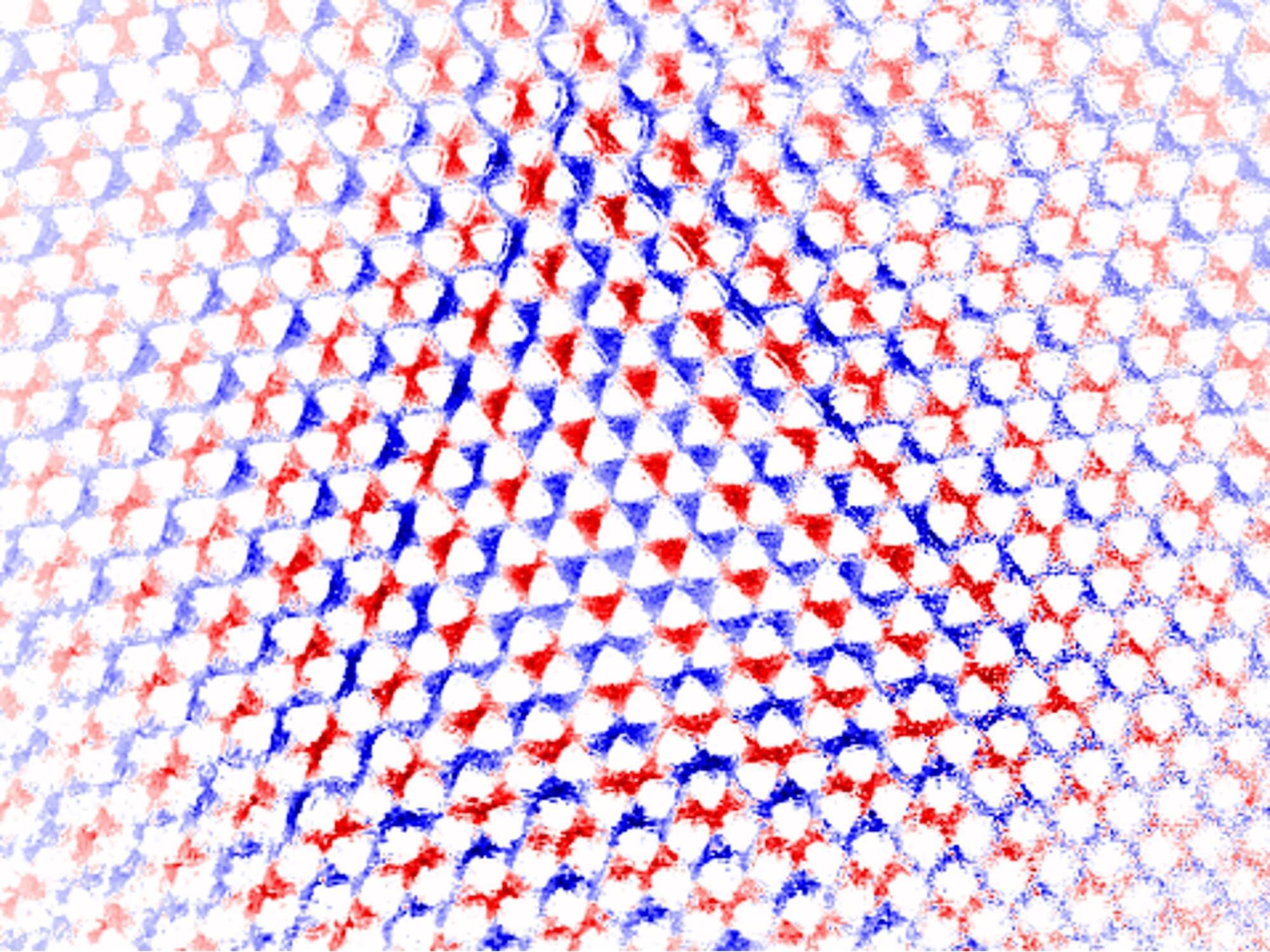
When a drummer hits a drum, the surface vibrates and creates sound—a signal we recognize as music. But once those vibrations stop, the signal disappears. Now imagine a drumhead that’s incredibly thin, only about 10 millimeters wide, and covered in tiny triangular holes. Scientists have created exactly that, and it does something extraordinary.

Researchers at the Niels Bohr Institute in Copenhagen, working with teams from the University of Konstanz and ETH Zurich, discovered that vibrations can travel through this miniature membrane with barely any energy loss. In fact, the vibrations move more cleanly than signals in even the most advanced electronic circuits. This breakthrough, recently published in Nature, opens up new possibilities for how we transmit sound and information, especially in the race toward powerful new quantum technologies.

Phonons – Sound Signals or Vibrations That Spread Through a Solid Material.
Precision at the smallest scale

Imagine a high-tech workshop where scientists and engineers craft objects so small they can’t be seen with the naked eye — or even a standard microscope. These tiny structures — nanostructures — are thousands of times smaller than a strand of hair. And they are essential for faster computers, better smartphones and life-saving medical devices.

Nanostructures are at the core of the research happening every day in the Washington Nanofabrication Facility (WNF). Part of the Institute for Nano-Engineered Systems at the UW and located in Fluke Hall, the WNF supports cutting-edge academic and industry research, prototyping and hands-on student training. Like many leading nanofabrication centers, it is part of the National Science Foundation’s National Nanotechnology Coordinated Infrastructure, a network that shares expertise and resources.


Step inside the Washington Nanofabrication Facility, where tiny tech is transforming research in quantum, chips, medicine and more.

Quantum clocks deliver navigation accuracy far beyond current GPS systems in naval tests

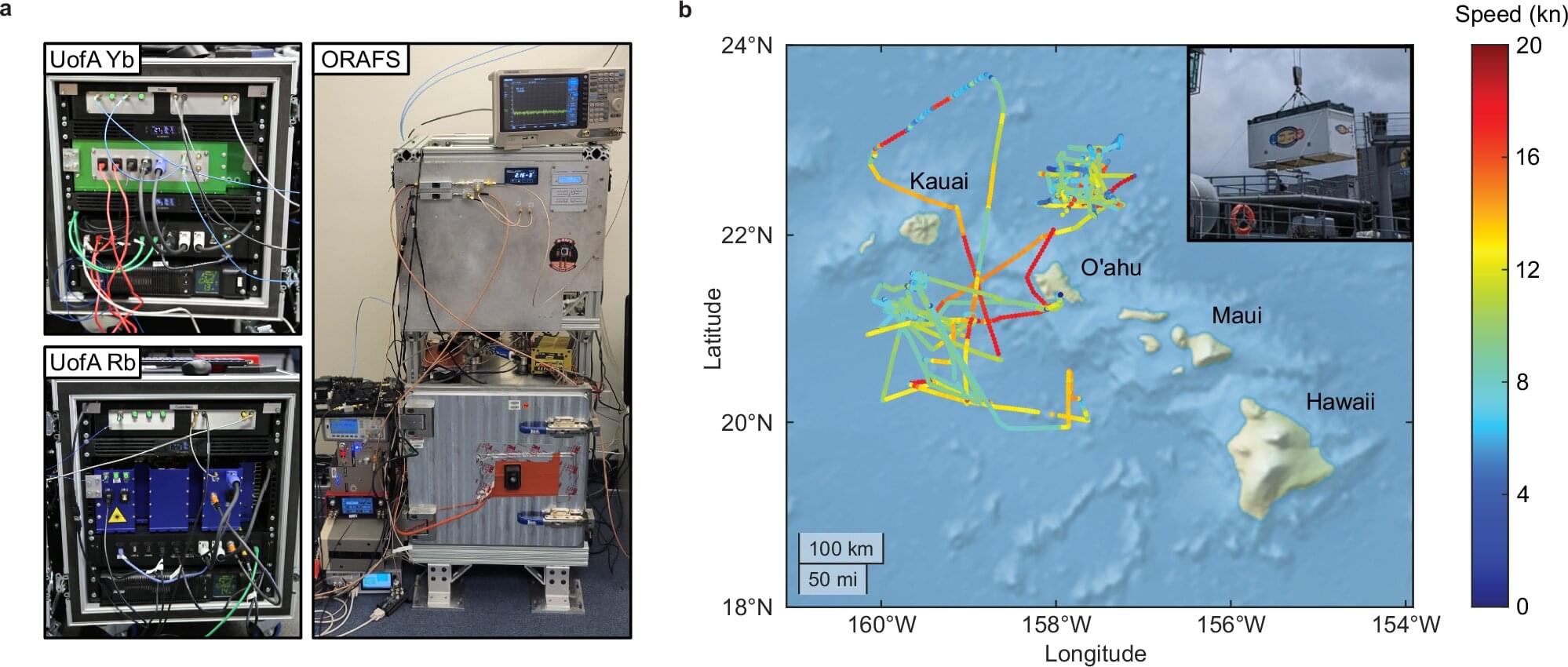
Optical quantum clocks developed at the University of Adelaide have been proven to outperform GPS navigation systems by many orders of magnitude. The clocks, which were put through their paces in naval exercises, were designed to be robust enough to withstand being rocked by waves while they are on ships.

Previous versions of clocks that operate at this level of accuracy are not portable, as they require large amounts of lab space and are too sensitive to motion and changes in temperature.

The clocks were developed by a team led by the University of Adelaide’s Professor Andre Luiten, Chief Innovator and Chair of Experimental Physics at the Institute of Photonics and Advanced Sensing (IPAS), in partnership with colleagues at the Defense Science and Technology Group (DSTG).

Scientists unlock key manufacturing challenge for next-generation optical chips

Researchers at the University of Strathclyde have developed a new method for assembling ultra-small, light-controlling devices, paving the way for scalable manufacturing of advanced optical systems used in quantum technologies, telecommunications and sensing.

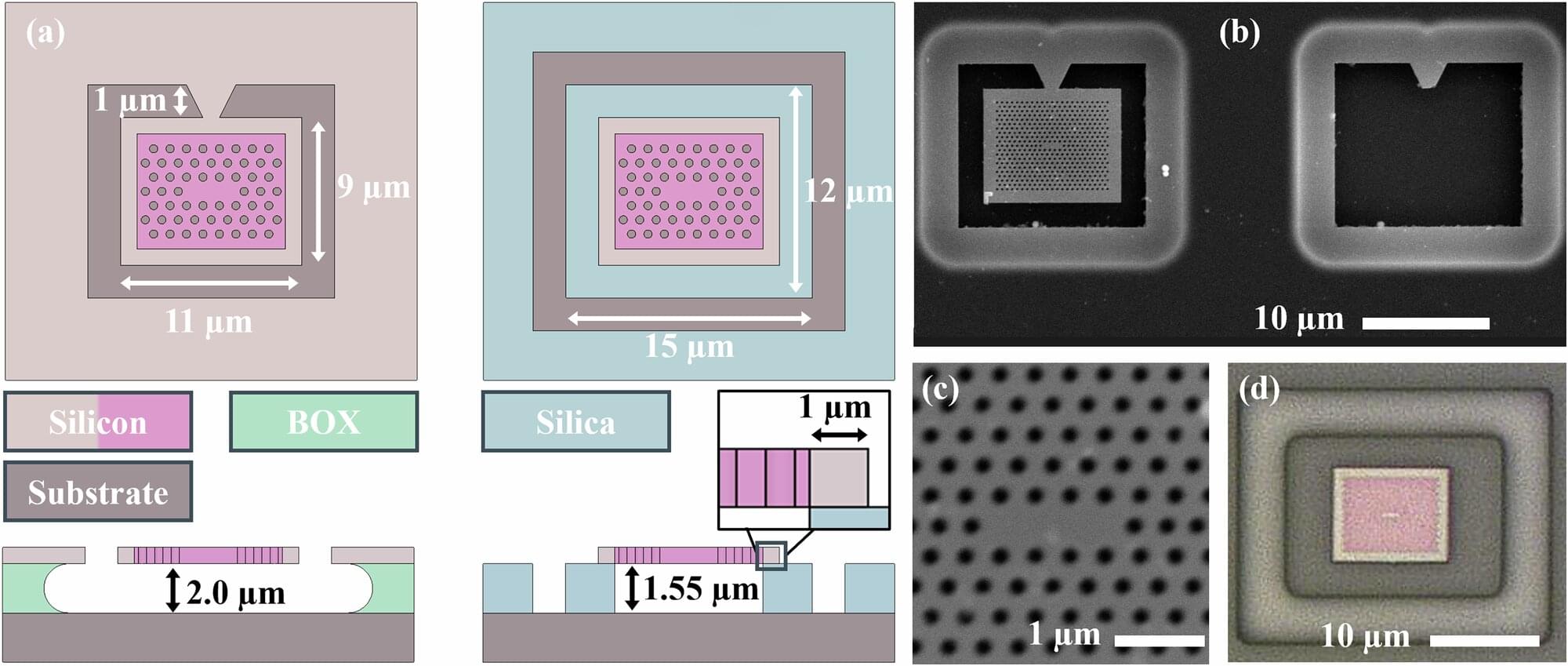
The study, published in Nature Communications, centers on photonic crystal cavities (PhCCs), micron-scale structures that trap and manipulate light with extraordinary precision. These are essential components for high-performance technologies ranging from quantum computing to photonic artificial intelligence.

Until now, the creation of large arrays of PhCCs has been severely limited by the tiny variations introduced during fabrication. Even nanometer-scale imperfections can drastically shift each device’s optical properties, making it impossible to build arrays of identical units directly on-chip.

Quantum battery device lasts much longer than previous demonstrations

Researchers from RMIT University and CSIRO, Australia’s national science agency, have unveiled a method to significantly extend the lifetime of quantum batteries—1,000 times longer than previous demonstrations.

A quantum battery is a theoretical concept that emerged from research in and technology.

Unlike traditional batteries, which rely on , quantum batteries use quantum superposition and interactions between electrons and light to achieve faster charging times and potentially enhanced storage capacity.

Elusive romance of top-quark pairs observed at Large Hadron Collider

An unforeseen feature in proton-proton collisions previously observed by the CMS experiment at CERN’s Large Hadron Collider (LHC) has now been confirmed by its sister experiment ATLAS.

The result, reported yesterday at the European Physical Society’s High-Energy Physics conference in Marseille, suggests that —the heaviest and shortest-lived of all the elementary particles—can momentarily pair up with their antimatter counterparts to produce a “quasi-bound-state” called toponium. Further input based on complex theoretical calculations of the strong nuclear force—called (QCD)—will enable physicists to understand the true nature of this elusive dance.

High-energy collisions between protons at the LHC routinely produce top quark–antiquark pairs. Measuring the probability, or cross section, of this process is both an important test of the Standard Model of particle physics and a powerful way to search for the existence of new particles that are not described by the theory.

/* */