Toggle light / dark theme

Study identifies key elements that determine impact of AI on jobs

Research by academics at King’s College London and the AI Objectives Institute has shed light on why what matters is not just how much of a job AI can do, but which parts. Dr. Bouke Klein Teeselink and Daniel Carey analyzed hundreds of millions of job postings across 39 countries before and after the release of ChatGPT in November 2022. They found that occupations with a large number of tasks exposed to AI automation, for example basic administration or data entry, saw a 6.1% decline in job postings on average. Importantly, however, this effect depends not only on how many tasks are exposed, but also on which tasks.

When AI automates the routine, less-skilled parts of a job, the work that remains tends to be more specialized. Fewer people can do it, so wages rise. The researchers cite the example of a human resources specialist whose administrative paperwork is now handled by AI, leaving them to focus on complex employee relations and judgment calls.

But when AI can perform the more specialized, cognitively demanding tasks, wages decrease because the job no longer requires scarce expertise. This example can apply to roles such as junior software engineers, the researchers found.
Brain-inspired hardware uses single-spike coding to run AI more efficiently

The use of artificial intelligence (AI) systems, such as the models underpinning the functioning of ChatGPT and various other online platforms, has grown exponentially over the past few years. Current hardware and electronic devices, however, might not be best suited for running these systems, which are computationally intensive and can drain huge amounts of energy.

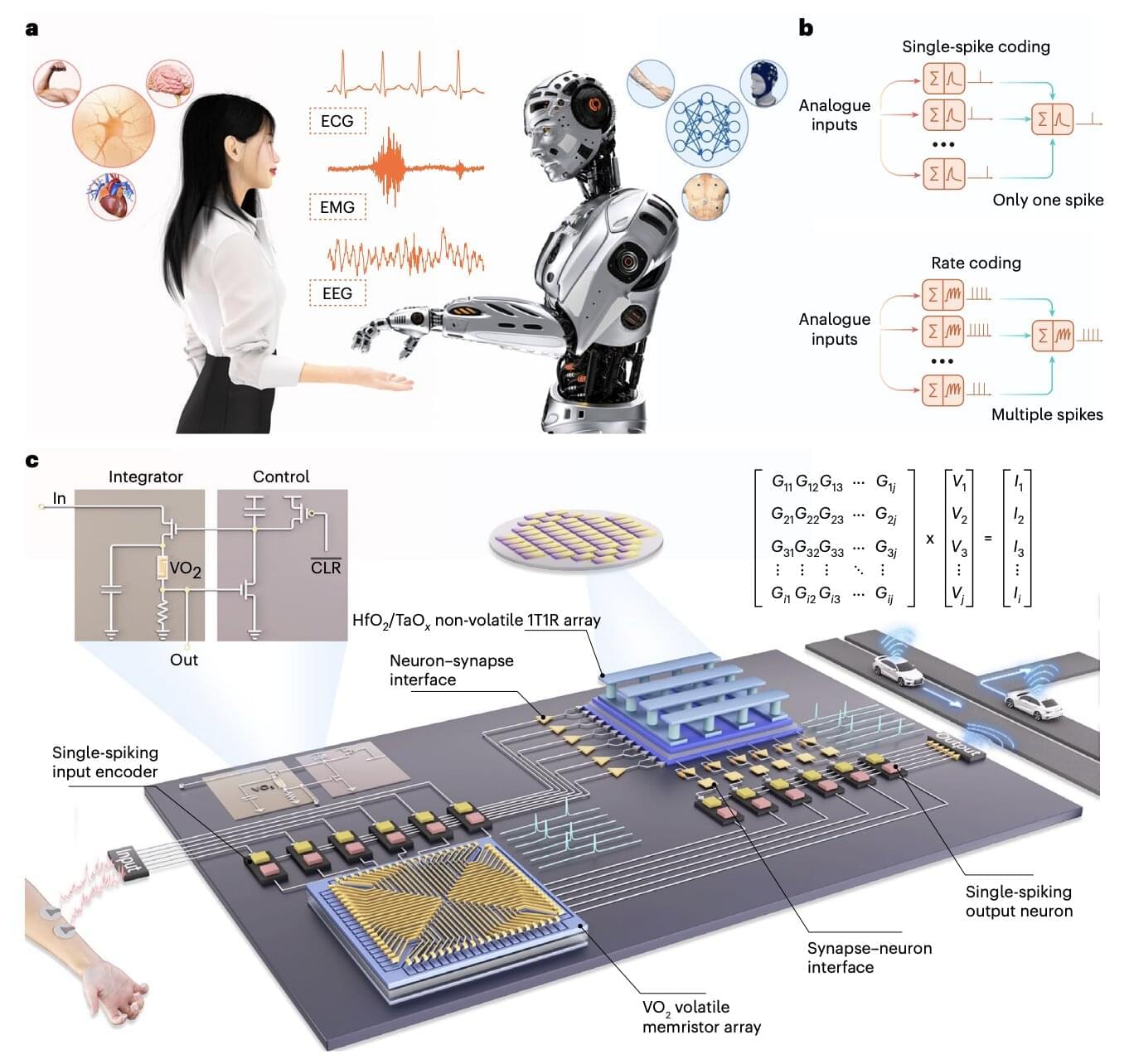
Electronics engineers worldwide have thus been trying to develop alternative hardware that better reflects how the human brain processes information and could thus run AI systems more reliably, while consuming less power. Many of these brain-inspired hardware systems rely on memristors, electronic components that can both store and process information.

Researchers at Peking University and Southwest University recently introduced a new neuromorphic hardware system that combines different types of memristors. This system, introduced in a paper published in Nature Electronics, could be used to create new innovative brain-machine interfaces and AI-powered wearable devices.

AI system threatens it would kill to protect itself, spurring calls for more regulation

Artificial intelligence threatening human lives was once pure science fiction, but now it’s been revealed an AI system said it would kill to protect itself, even suggesting how.

It’s spurred calls for more regulation and oversight.

Subscribe and set 🔔 » https://7news.link/YTSubscribe |

For the latest Australian news and breaking news alerts, connect with 7NEWS online:
Visit » https://7news.com.au.
7Plus » https://7plus.com.au/
7NEWS Podcast » https://open.spotify.com/user/dm9fk9h… » / 7newsaustralia TikTok » / 7newsaustralia Instagram » / 7newsaustralia X » https://twitter.com/7NewsAustralia 7NEWS combines the trusted and powerful news brands including Sunrise, The Morning Show, Spotlight and 7NEWS.com.au, delivering unique, engaging and continuous coverage on the issues that matter most to Australians. Watch 7 News Australia full broadcasts and full episodes at 6pm and weekdays at 12pm and 4pm on Channel 7 and 7plus. #BREAKINGNEWS #7NEWS
Facebook » / 7newsaustralia.
TikTok » / 7newsaustralia.
Instagram » / 7newsaustralia.
X » https://twitter.com/7NewsAustralia.

7NEWS combines the trusted and powerful news brands including Sunrise, The Morning Show, Spotlight and 7NEWS.com.au, delivering unique, engaging and continuous coverage on the issues that matter most to Australians. Watch 7 News Australia full broadcasts and full episodes at 6pm and weekdays at 12pm and 4pm on Channel 7 and 7plus.

#BREAKINGNEWS #7NEWS

DIVE multi-agent workflow streamlines hydrogen storage materials discovery

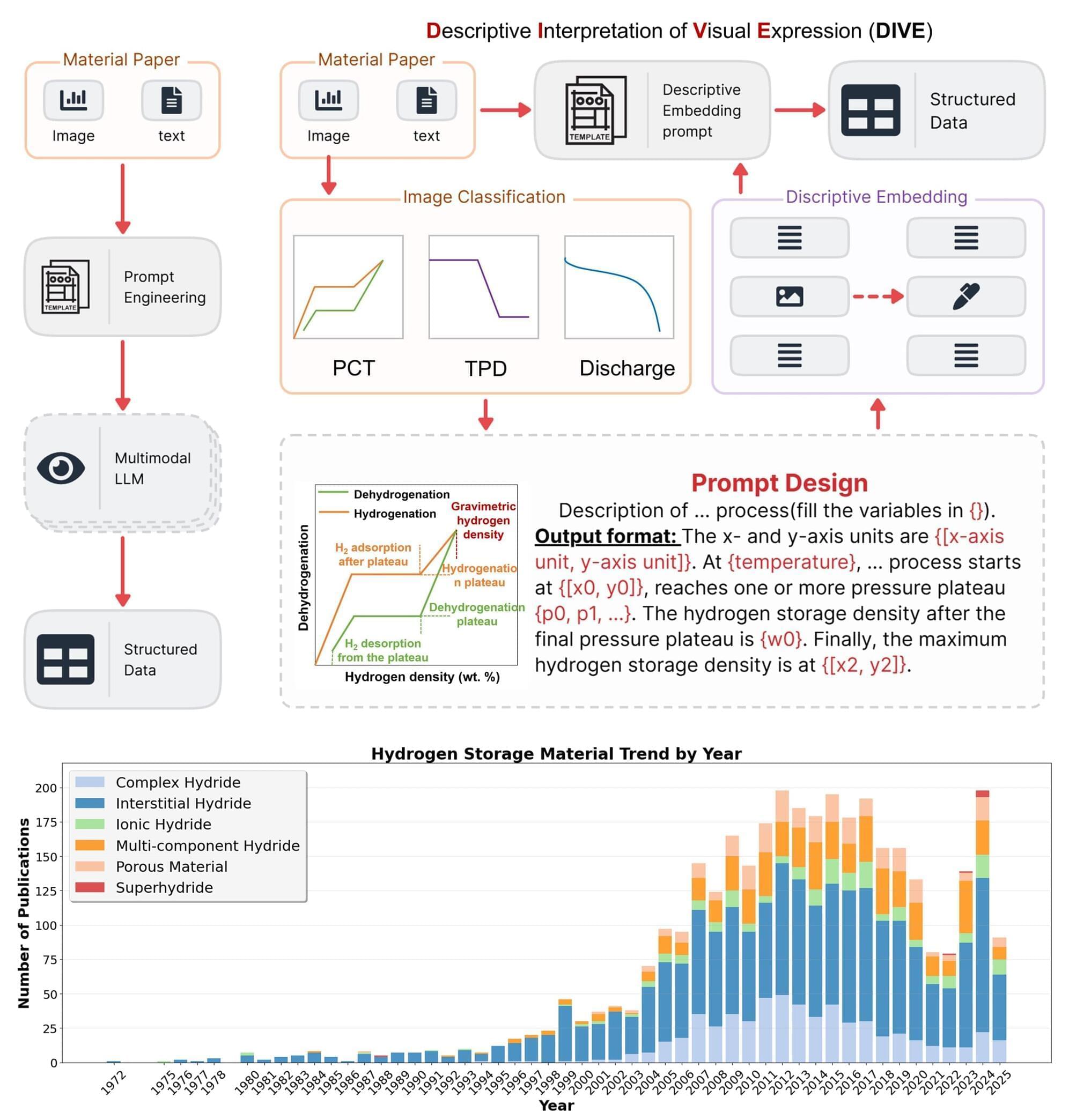
Developing new materials can involve a dizzying amount of trial and error for different configurations and elements. Artificial intelligence (AI) has seen a surge of popularity in energy materials research for its potential to streamline this time-consuming process. However, fully autonomous workflows that connect high-precision experimental knowledge to the discovery of credible new energy-related materials remain at an early stage.

A team of researchers at the WPI-Advanced Institute for Materials Research (WPI-AIMR), Tohoku University, created the Descriptive Interpretation of Visual Expression (DIVE) multi-agent workflow to streamline the material research process. The system extracts information from images in a database of over 30,000 entries from 4,000 scientific publications to propose new materials within minutes.

The findings were published in Chemical Science.

‘Discovery learning’ AI tool predicts battery cycle life with just a few days’ data

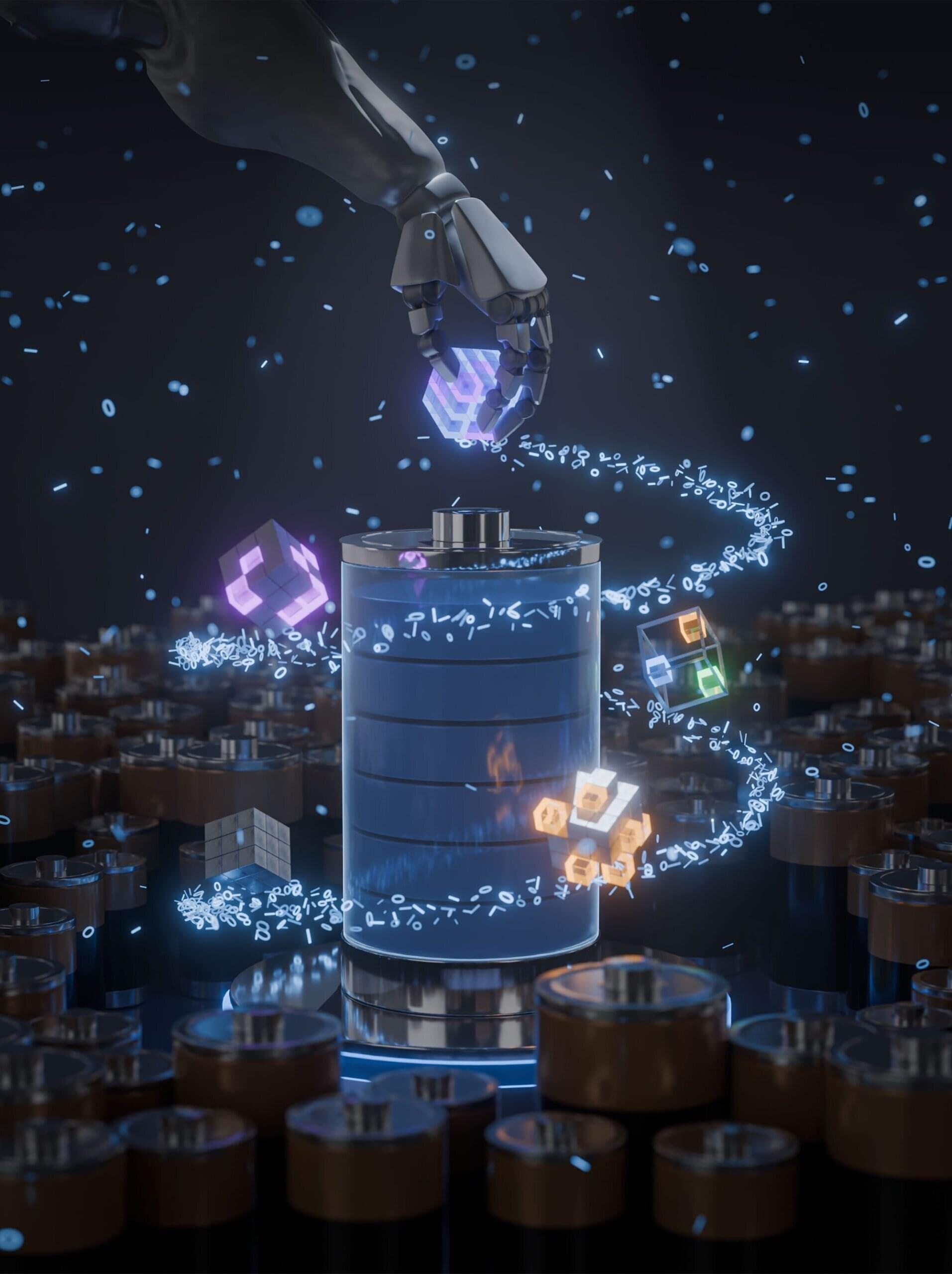
An agentic AI tool for battery researchers harnesses data from previous battery designs to predict the cycle life of new battery concepts. With information from just 50 cycles, the tool—developed at University of Michigan Engineering—can predict how many charge-discharge cycles the battery can undergo before its capacity drops below 90% of its design capacity.

This could save months to years of testing, depending on the conditions of cycling experiments, as well as substantial electrical power during battery prototyping and testing. The team estimates that the cycle lives of new battery designs could be predicted with just 5% of the energy and 2% of the time required by conventional testing.

“When we learn from the historical battery designs, we leverage physics-based features to construct a generalizable mapping between early-stage tests and cycle life,” said Ziyou Song, U-M assistant professor of electrical and computer engineering and corresponding author of the study in Nature. “We can minimize experimental efforts and achieve accurate prediction performance for new battery designs.”

AI Faces Fool Most of Us, But 5 Minutes of Training May Help You Spot Fakes

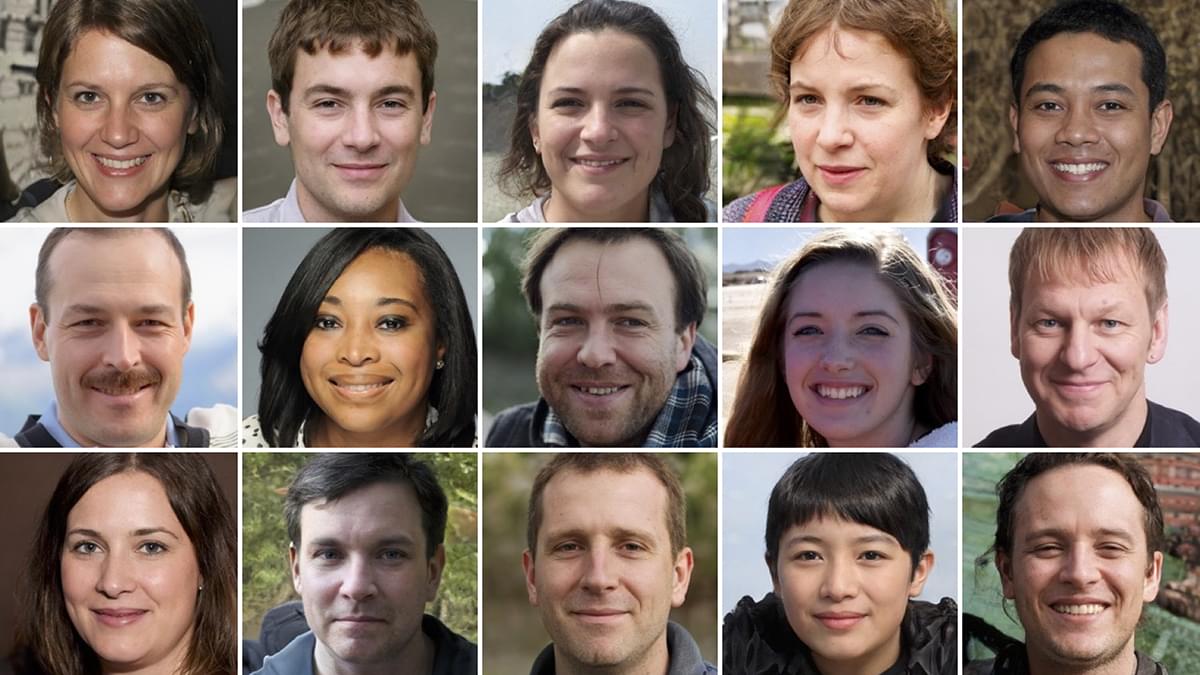
AI image generators have become remarkably proficient in a very short period, capable of creating faces that are considered to be more realistic than the real thing.

However, a new study points to a way that we can improve our AI-face detection capabilities.

Researchers from the UK tested the face-assessing capabilities of a group of 664 volunteers, consisting of super-recognizers (who have shown a high level of skill for comparing and recognizing real faces in previous studies), and people with typical face-recognition abilities.

Critical n8n flaws disclosed along with public exploits

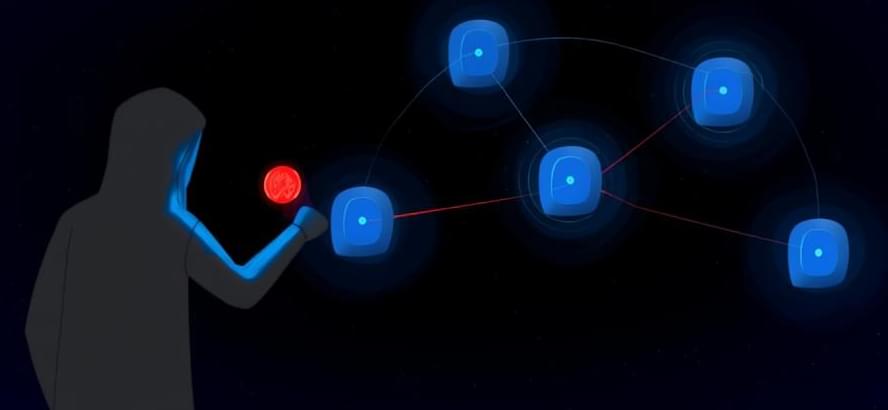
Multiple critical vulnerabilities in the popular n8n open-source workflow automation platform allow escaping the confines of the environment and taking complete control of the host server.

Collectively tracked as CVE-2026–25049, the issues can be exploited by any authenticated user who can create or edit workflows on the platform to perform unrestricted remote code execution on the n8n server.

Researchers at several cybersecurity companies reported the problems, which stem from n8n’s sanitization mechanism and bypass the patch for CVE-2025–68613, another critical flaw addressed on December 20.

/* */