Toggle light / dark theme

Ohio Supercomputer Center Researchers Analyse Twitter Posts Revealing Polarization in Congress on COVID-19

June 25, 2020 — The rapid politicization of the COVID-19 pandemic can be seen in messages members of the U.S. Congress sent about the issue on the social media site Twitter, a new analysis found.

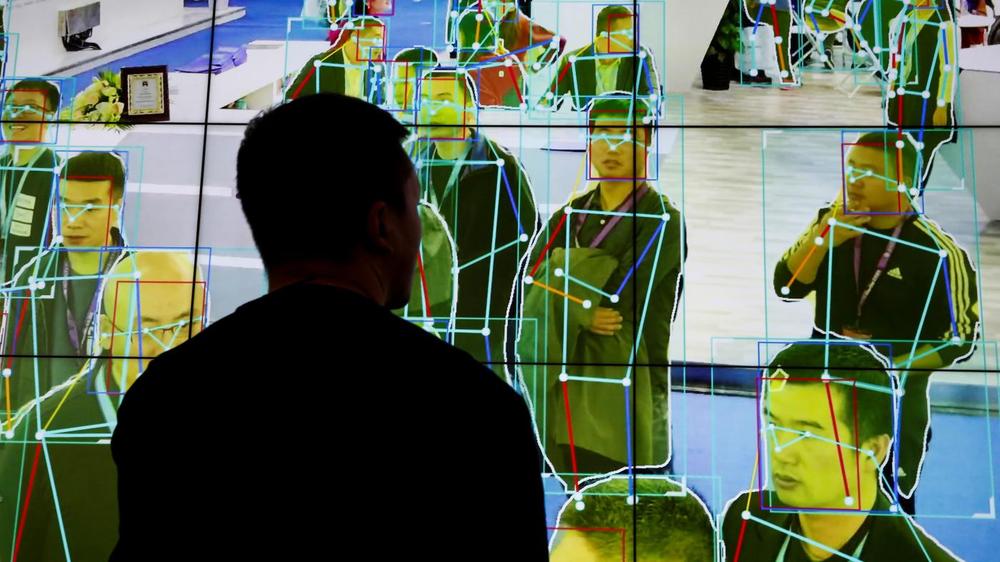
Using artificial intelligence and resources from the Ohio Supercomputer Center, researchers conducted an analysis that covered all 30,887 tweets that members sent about COVID-19 from the first one on Jan. 17 through March 31.

Happy birthday to the World most important Entrepreneur ( Olorogun Elon Musk)

Happy birthday to the World most important Entrepreneur (Olorogun Elon Musk). We at the Ogba Educational Clinic and Artificial intelligence Hub celebrate and wish to immortalize you by Setting up a club after you (The Elon Musk Club). This is in line with our vision to create small Elon’s that would eventually outdo you from Africa.

AI gatekeepers are taking baby steps toward raising ethical standards

For years, Brent Hecht, an associate professor at Northwestern University who studies AI ethics, felt like a voice crying in the wilderness. When he entered the field in 2008, “I recall just agonizing about how to get people to understand and be interested and get a sense of how powerful some of the risks [of AI research] could be,” he says.

To be sure, Hecht wasn’t—and isn’t—the only academic studying the societal impacts of AI. But the group is small. “In terms of responsible AI, it is a sideshow for most institutions,” Hecht says. But in the past few years, that has begun to change. The urgency of AI’s ethical reckoning has only increased since Minneapolis police killed George Floyd, shining a light on AI’s role in discriminatory police surveillance.

This year, for the first time, major AI conferences—the gatekeepers for publishing research—are forcing computer scientists to think about those consequences.

Future shocks: 17 technology predictions for 2025

1. AI-optimized manufacturing

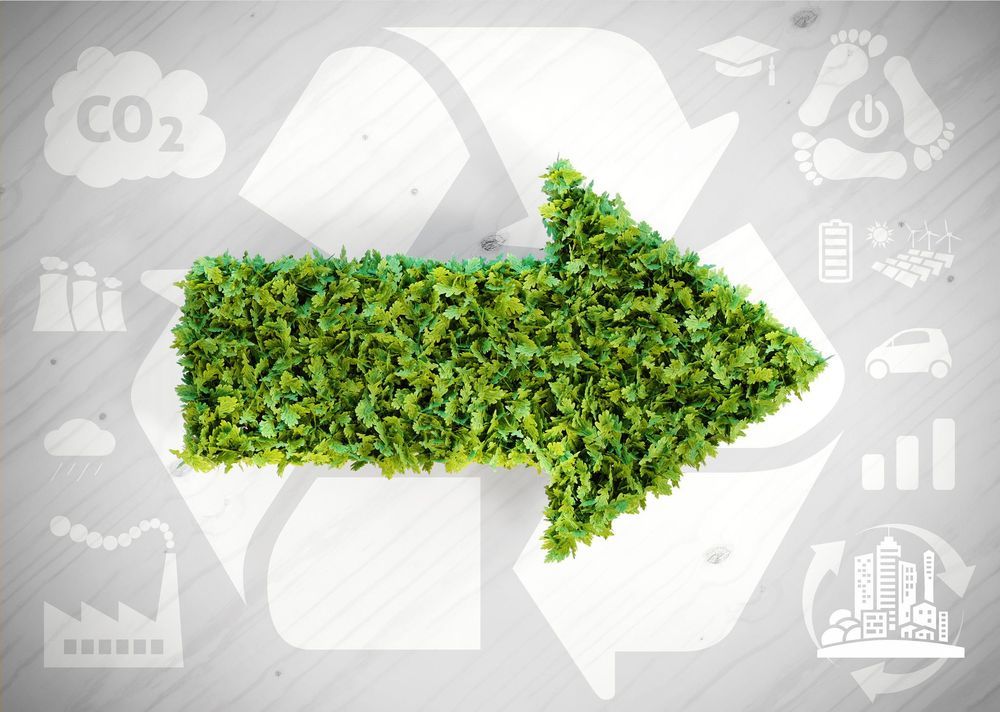
Paper and pencil tracking, luck, significant global travel and opaque supply chains are part of today’s status quo, resulting in large amounts of wasted energy, materials and time. Accelerated in part by the long-term shutdown of international and regional travel by COVID-19, companies that design and build products will rapidly adopt cloud-based technologies to aggregate, intelligently transform, and contextually present product and process data from manufacturing lines throughout their supply chains. By 2025, this ubiquitous stream of data and the intelligent algorithms crunching it will enable manufacturing lines to continuously optimize towards higher levels of output and product quality – reducing overall waste in manufacturing by up to 50%. As a result, we will enjoy higher quality products, produced faster, at lower cost to our pocketbooks and the environment.

Anna-Katrina Shedletsky, CEO and Founder of Instrumental.

Smart farms of the future: Making bioenergy crops more environmentally friendly

Farmers have enough worries—between bad weather, rising costs, and shifting market demands—without having to stress about the carbon footprint of their operations. But now a new set of projects by scientists at Lawrence Berkeley National Laboratory (Berkeley Lab), including scientists at the Joint BioEnergy Institute (JBEI), could make agriculture both more sustainable and more profitable.

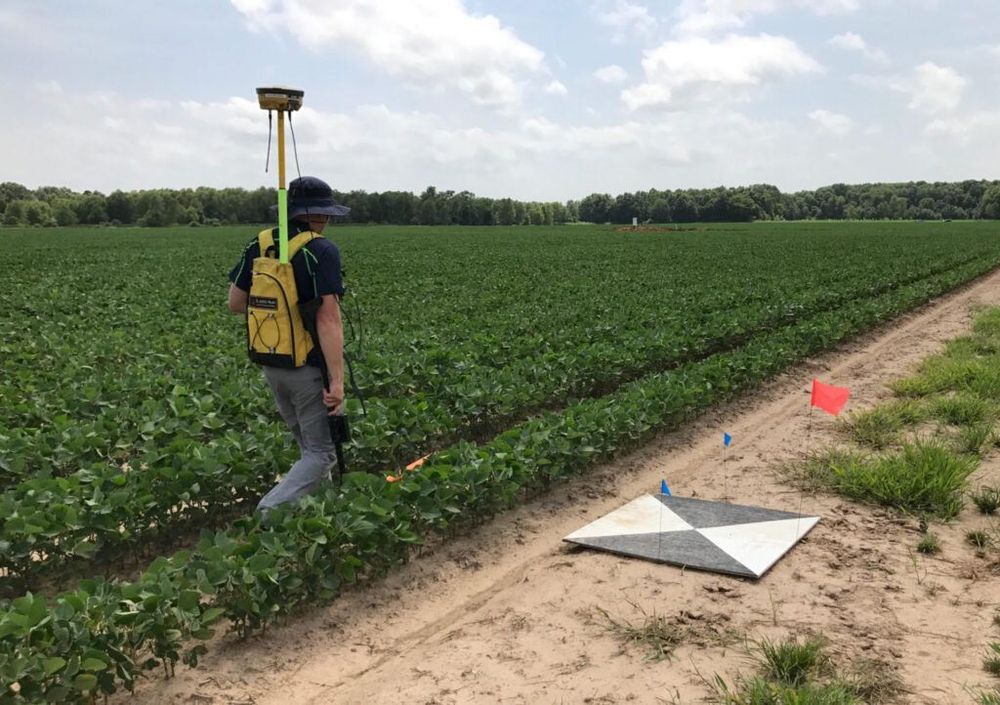
The three projects, funded by the U.S. Department of Energy (DOE), leverage Berkeley Lab’s strengths in artificial intelligence, sensors, and ecological biology. They aim to quantify and reduce the carbon intensity of agriculture, including the farming of biofuel feedstocks such as corn, soy, and sorghum, while also increasing yield.

Crop-based biofuels have the potential to supply up to about 5% of U.S. energy demand, according to the DOE. Two of the new projects are part of the SMARTFARM program of DOE’s Advanced Research Projects Agency-Energy (ARPA-E). This initiative aspires to make the biofuel supply chain carbon negative—meaning it removes or sequesters more carbon than it emits—which would greatly improve biofuel’s benefits to the broader economy and environment. Scientists also hope that the increased productivity will have the effect of lowering costs and increasing farmers’ income.

/* */