Toggle light / dark theme

Simple machine learning scorecard for seizures is saving lives

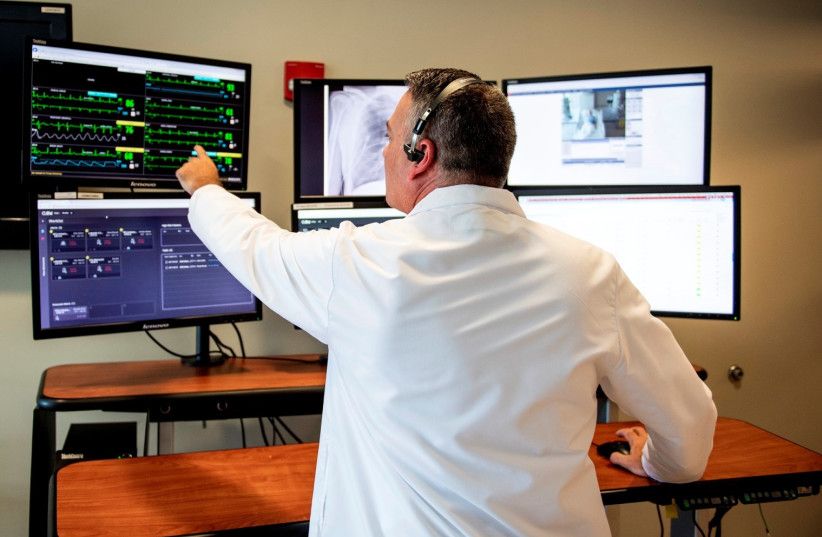
Computer scientists from Duke University and Harvard University have joined with physicians from Massachusetts General Hospital and the University of Wisconsin to develop a machine learning model that can predict which patients are most at risk of having destructive seizures after suffering a stroke or other brain injury.

A point system they’ve developed helps determine which patients should receive expensive continuous electroencephalography (cEEG) monitoring. Implemented nationwide, the authors say their could help hospitals monitor nearly three times as many patients, saving many lives as well as $54 million each year.

A paper detailing the methods behind the interpretable machine learning approach appeared online June 19 in the Journal of Machine Learning Research.

World must prepare for biological weapons that target ethnic groups based on genetics, says Cambridge University

Biological weapons could be built which target individuals in a specific ethnic group based on their DNA, a report by the University of Cambridge has warned.

Researchers from Cambridge’s Centre for the Study of Existential Risk (CSER) said the government was failing to prepare for ‘human-driven catastrophic risks’ that could lead to mass harm and societal collapse.

In recent years advances in science such as genetic engineering, and artificial intelligence (AI) and autonomous vehicles have opened the door to a host of new threats.

This A.I. pocket device translates languages in real-time

The ONE Mini is a Swiss Army knife of translation tech, interpreting 12 different foreign languages with a host of features. The audio recorder captures speech, then uses cutting-edge neural machine AI to produce highly accurate text or verbal translations. If you’re in a foreign country, ONE Mini can literally be your voice as you navigate the culture.

ONE Mini also provides premium live interpreter service 24 hours a day, 7 days a week for conversations that require more complex interaction. With a single button push, ONE Mini connects via Bluetooth with a qualified interpreter able to offer full nuanced communication so important details don’t get lost in translation.

ONE Mini even works great as a wireless music player, clipping neatly to your clothes for hands-free use anywhere.

Singapore’s human-centric artificial intelligence strategy | The Straits Times

The national artificial intelligence strategy, which was unveiled in November, will focus on five key sectors — transport and logistics, smart cities and estates, safety and security, healthcare, and education.

Read the full story: https://www.straitstimes.com/singapore/tapping-ai-to-deliver…ect-issues

Get the latest news updates: http://www.straitstimes.com

Follow The Straits Times online:
Twitter: https://www.twitter.com/STcom
Facebook: https://www.facebook.com/TheStraitsTimes
Instagram: https://www.instagram.com/straits_times/

About The Straits Times:
The Straits Times, the English flagship daily of SPH, has been serving readers for more than a century. Launched on July 15, 1845, its comprehensive coverage of world news, East Asian news, Southeast Asian news, home news, sports news, financial news and lifestyle updates makes The Straits Times the most-read newspaper in Singapore.

DeepMind co-founder moves to Google as the AI lab positions itself for the future

The personnel changes at Alphabet continue, this time with Mustafa Suleyman — one of the three co-founders of the company’s influential AI lab DeepMind — moving to Google.

Suleyman announced the news on Twitter, saying that after a “wonderful decade” at DeepMind, he would be joining Google to work with the company’s head of AI Jeff Dean and its chief legal officer Kent Walker. The exact details of Suleyman’s new role are unclear but a representative for the company told The Verge it would involve work on AI policy.

The move is notable, though, as it was reported earlier this year that Suleyman had been placed on leave from DeepMind. (DeepMind disputed these reports, saying it was a mutual decision intended to give Suleyman “time out … after 10 hectic years.”) Some speculated that Suleyman’s move was the fallout of reported tensions between DeepMind and Google, as the former struggled to commercialize its technology.

Developing Deep Aging Biomarkers Using Artificial Intelligence

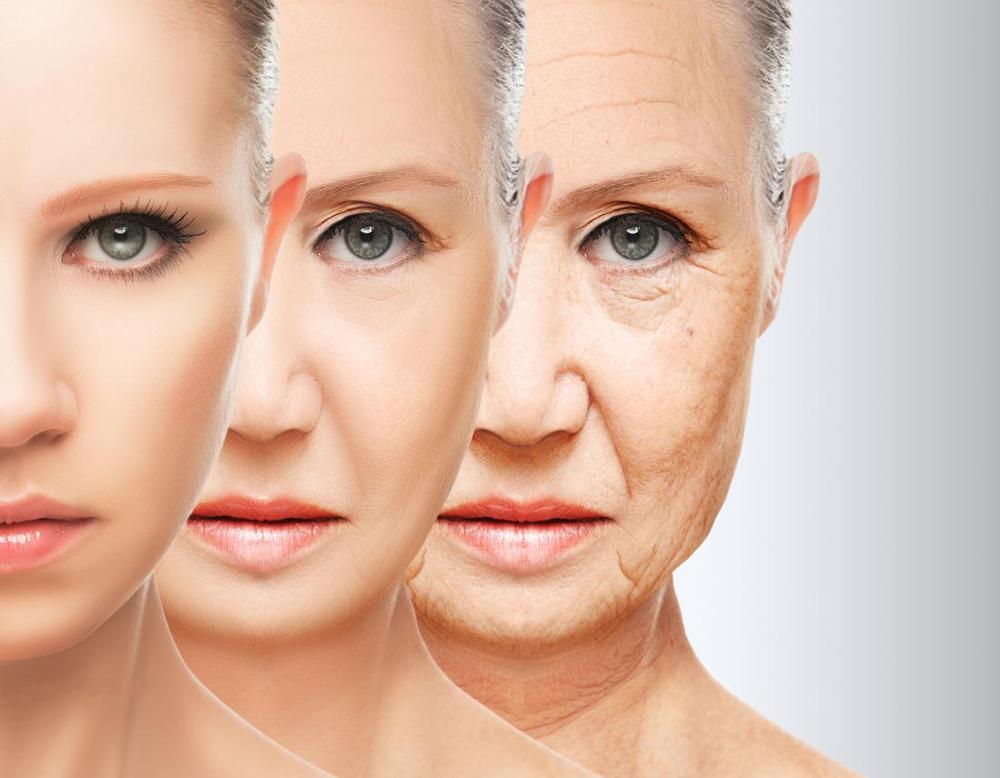
A type of artificial intelligence technique is now being used to develop new drugs and therapies and could perhaps even help to solve aging.

An urgent need for aging biomarkers

There has long been an urgent need in our field to develop increasingly accurate biomarkers of aging so that the efficacy of interventions can be gauged. Deep learning is one of the more recent techniques being applied in the search for aging biomarkers.

/* */