Toggle light / dark theme

Multimodal ultra-thin soft robots can explore narrow spaces for inspection and maintenance

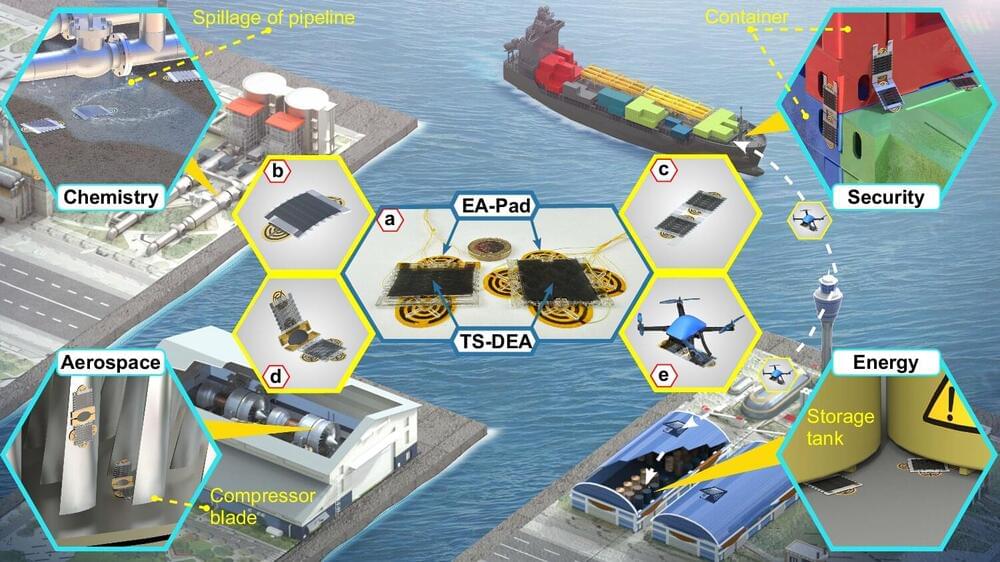
Researchers at Rolls-Royce University Technology Centre (UTC) in Manufacturing and On-Wing Technology at the University of Nottingham have developed ultra-thin soft robots, designed for exploring narrow spaces in challenging built environments. The research is published in the journal Nature Communications.

These advanced robots, featuring multimodal locomotion capabilities, are set to transform the way industries, such as , bridges and aero engines, conduct inspections and maintenance.

The innovative robots, known as Thin Soft Robots (TS-Robots), boast a thin thickness of just 1.7mm, enabling them to access and navigate in confined spaces, such as millimeter-wide gaps beneath doors or within complex machinery.

Procedural Road Network Made With Unreal Engine 5

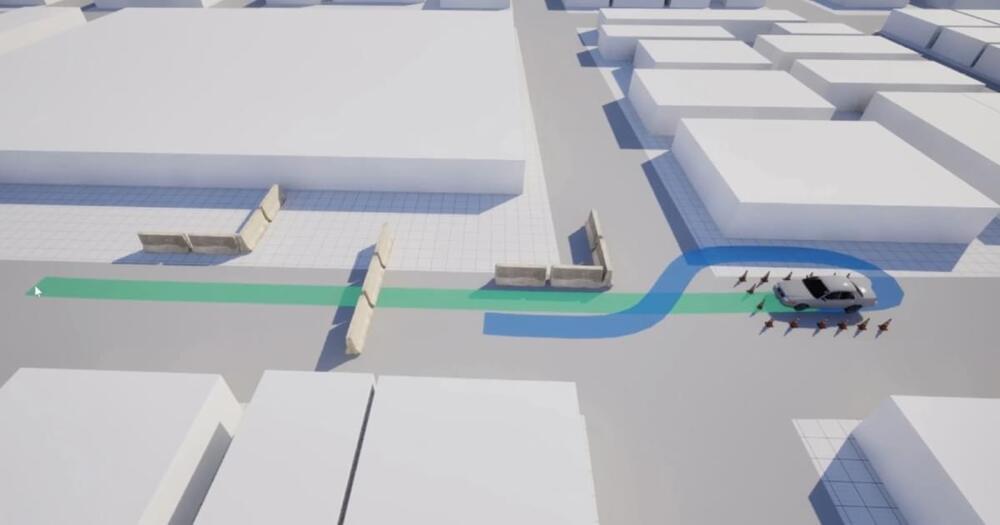
Game Developer jourverse, who is currently working on a tutorial series focused on building a traffic system in Unreal Engine 5, shared a demo project file for this procedural road network integrated with vehicle AI for obstacle avoidance, using A* for pathfinding.

The developer explained that both the A* algorithm and the road editor mode are implemented in C++, with no use of neural networks. Vehicle AI operations like spline following, reversing, and performing 3-point turns are handled through Blueprints. The vehicle AI navigates using two paths: the green spline for the main route and the blue spline for obstacle avoidance. The main spline leverages road network nodes to determine the path to the target via A* on FPathNode, which includes adjacent road nodes.

For obstacle detection, the vehicle employs polynomial regression to predict its future position. Upon detecting an obstacle, a grid of sphere traces is generated to map the obstacle’s location, and another A* algorithm is employed to create a path around the obstacle.

Combining the power of AI and the connectome to predict brain cell activity

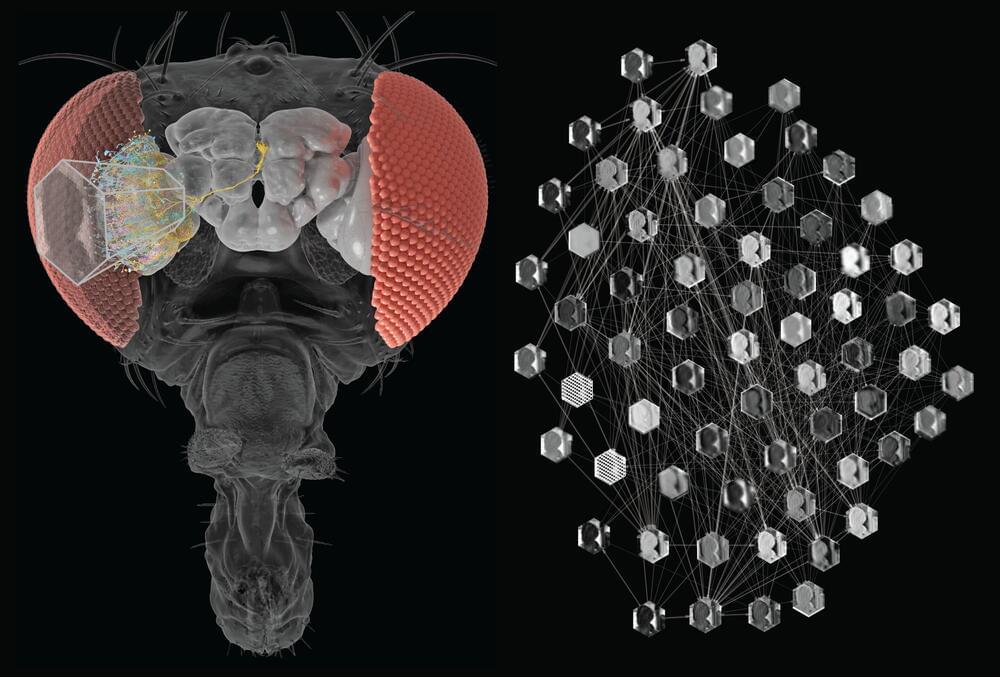
With maps of the connections between neurons and artificial intelligence methods, researchers can now do what they never thought possible: predict the activity of individual neurons without making a single measurement in a living brain.

For decades, neuroscientists have spent countless hours in the lab painstakingly measuring the activity of neurons in living animals to tease out how the brain enables behavior. These experiments have yielded groundbreaking insights into how the brain works, but they have only scratched the surface, leaving much of the brain unexplored.

Now, researchers are using artificial intelligence and the connectome—a map of neurons and their connections created from —to predict the role of neurons in the living brain. Their paper has been published in the journal Nature.

Celebrate this year’s International Observe the Moon Night on September 14, 2024

Read about the importance of International Observe the Moon Night and how you can celebrate it on September 14, 2024!


Beginning in 2010, NASA began International Observe the Moon Night based on two events occurring simultaneously in 2009 during the International Year of Astronomy celebration: “We’re at the Moon!”, which was sponsored by the Lunar Reconnaissance Orbiter (LRO) and the Lunar Crater Observation and Sensing Satellite (LCROSS) teams, and “National Observe the Moon Night”, which was hosted in the United States.

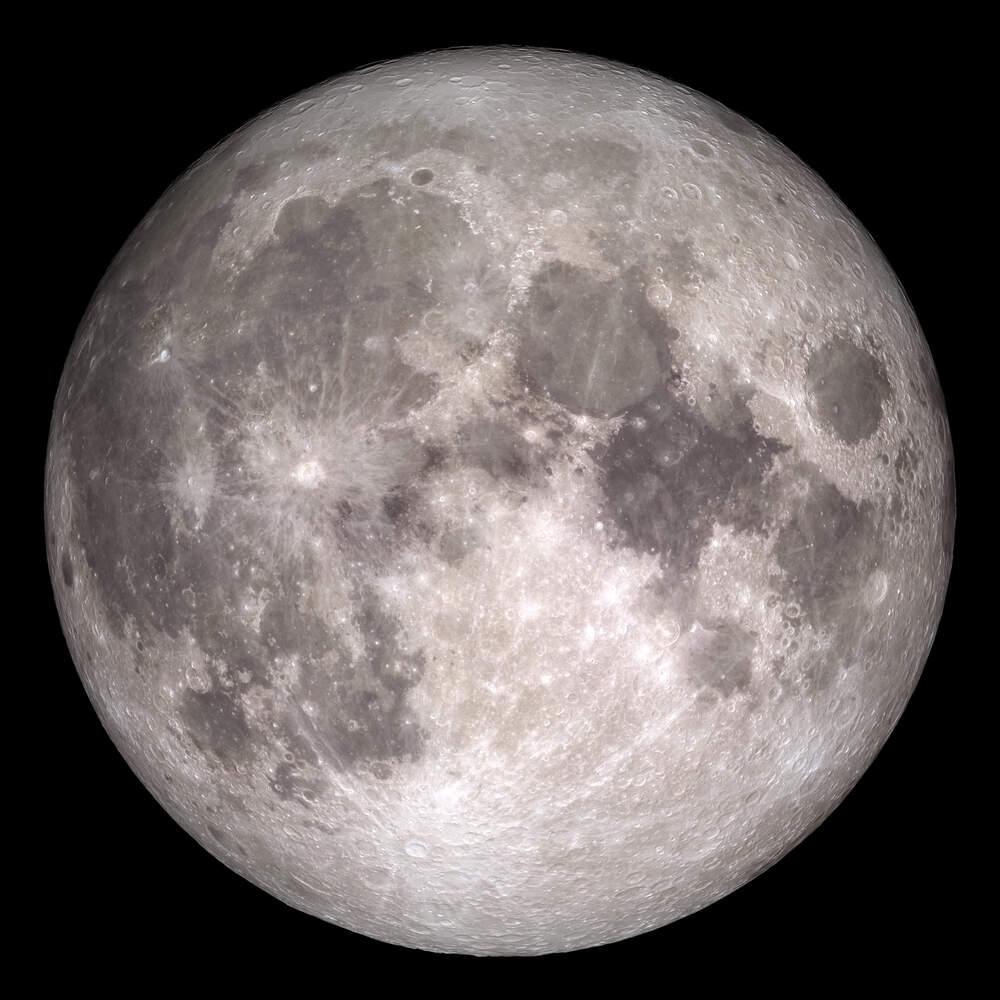
This year’s International Observe the Moon Night is occurring on September 14 with the goal of sharing the incredible science and wonder of the Moon, including its observational and scientific history, why it’s so important to study, and how we’re studying it. For example, evidence has suggested that ancient humans as far back as 20,000 years ago used the Moon as a timekeeping device due to the changing phases of the Moon over the course of a month. Additionally, when observing the Moon with either the naked eye or a telescope, the Moon’s surface exhibits both bright and dark colors, which are the Moon’s lava plains and highlands, respectively.

Regarding its scientific history, the Moon has been studied by astronomers around the world for hundreds of years, with one of the first astronomers to observe the Moon through a telescope and document their findings being Galileo Galilei, finding the Moon’s surface was imperfect and not smooth as had been previously hypothesized. Regarding robotic exploration, the Moon has been explored in-depth beginning with the Soviet Union intentionally crashing the Luna 2 space probe onto the lunar surface on September 14, 1959. This Space Race between the United States and Soviet Union culminated with the United States landing the first man on the Moon in 1969 with Apollo 11.

Inside Valkyrie, NASA’s humanoid robot paving way to the moon and Mars

NASA’s Valkyrie robot is an intimidating figure. It is currently being put through its paces at the Karda laboratory in Australia so researchers can work out what it would take to get a humanoid robot onto offshore energy facilities or into space. New Scientist‘s James Woodford took the controls to see what the $2 million-plus device is capable of.

/* */