:ooooooo magnetic monopoles discovered for spaceships.
NASA and SpaceX are ready to launch on 27th May 2020 but how? What preparation have they done? What is Crew Dragon? How does it work? All of your questions are answered in this video.
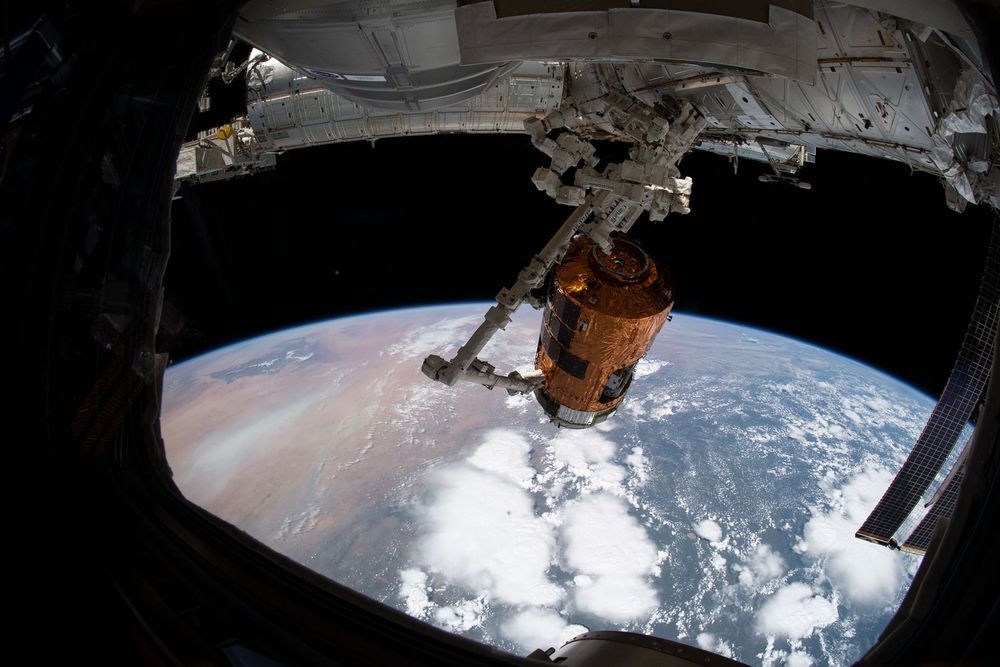
Our #LaunchAmerica mission passed its final major review today at NASA’s Space Launch System in Florida, and teams received the “go” to proceed toward launch. NASA Astronauts Robert Behnken and Douglas Hurley are scheduled to liftoff aboard the SpaceX Falcon 9 rocket and Crew Dragon spacecraft Wednesday at 4:33 p.m. EDT: https://go.nasa.gov/2ATRHSq
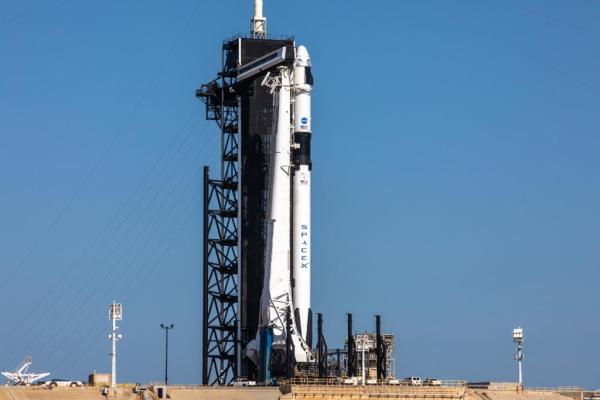
Very excited about this!
NASA and SpaceX are closer than ever to a moment both have been preparing for since the beginning of the Commercial Crew program in 2010. SpaceX’s Falcon 9 and Crew Dragon spacecraft are now set to fly with NASA astronauts Doug Hurley and Bob Behnken onboard, making a trip to the International Space Station, and both the agency and SpaceX announced today that they have officially passed the final flight readiness review, meaning everything is now a ‘go’ for launch.
According to NASA Commercial Crew Program manager Kathy Leuders during a press conference on Monday, everything went well with all pre-launch flight checks thus far, including a full-length static test fire of the Falcon 9’s engines, and a dress rehearsal of all launch preparation including strapping Hurley and Behnken into the rocket.
The only remaining major hurdle for SpaceX and NASA now is the weather, which is currently only looking around 40% favorable for a launch attempt on schedule for Wednesday, May 27 at 4:33 PM EDT, though during today’s press conference officials noted it is actually trending upwards as of today.

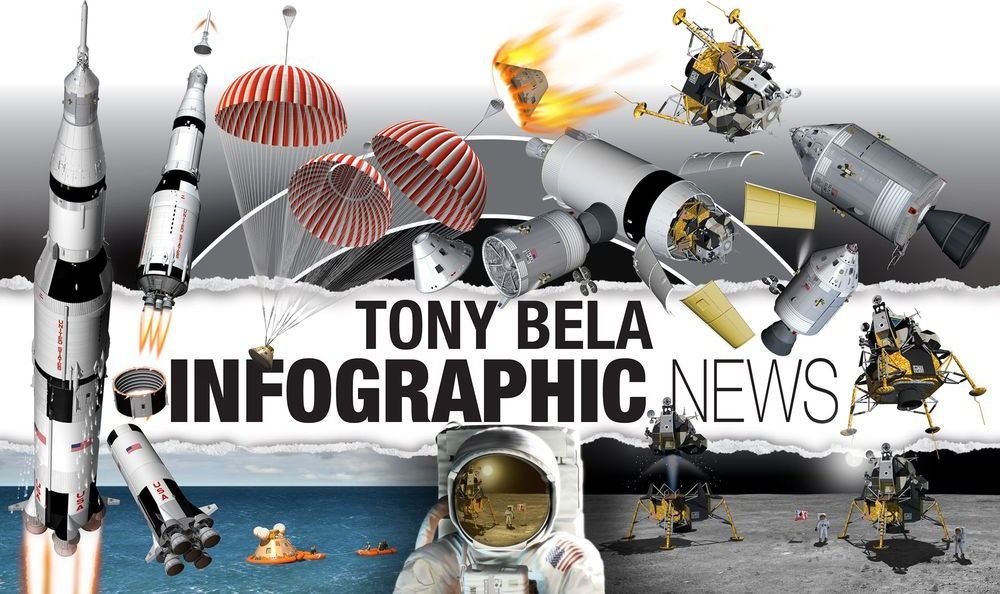
A new era in human space flight is upon us. In the coming days, NASA, with SpaceX’s Falcon 9 and Crew Dragon, will launch two Americans from US soil for the first time in almost ten years since the Space Shuttle’s retirement. Today I present you with this infographic showing how they will send a crewed spacecraft to the International Space Station and returning them safely home. My plan is to update the information in the infographic as the mission progresses to its conclusion then present a final commemorative historic infographic portrayal of the Demo-2 Mission. To download a large free printable version, go to my website http://www.tonybela.com/
Godspeed gentlemen, you are good to go. Cheers, Tony.
For further information and quotes please contact me at: [email protected] or [email protected]
We’re counting down to the launch of SpaceX’s Crew Dragon with two NASA Astronauts on board. This week:
🏠 How to participate at home in #LaunchAmerica 🇺🇸 Vice President Pence on human spaceflight’s return to the US
🌌 Naming the Nancy Grace Roman Space Telescope for our first chief astronomer.
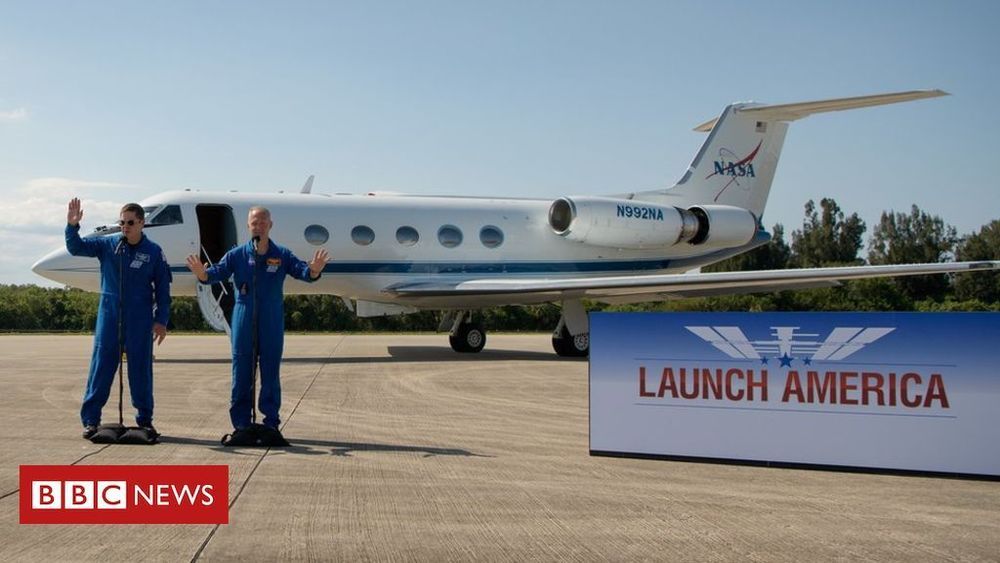
NASA astronauts Doug Hurley and Bob Behnken have flown into the Kennedy Space Center in Florida to prepare for their historic mission next week.
The pair’s trip to the International Space Station (ISS) will be made in a rocket and capsule system provided by a commercial company, SpaceX.
NASA has traditionally always owned and operated its space vehicles.
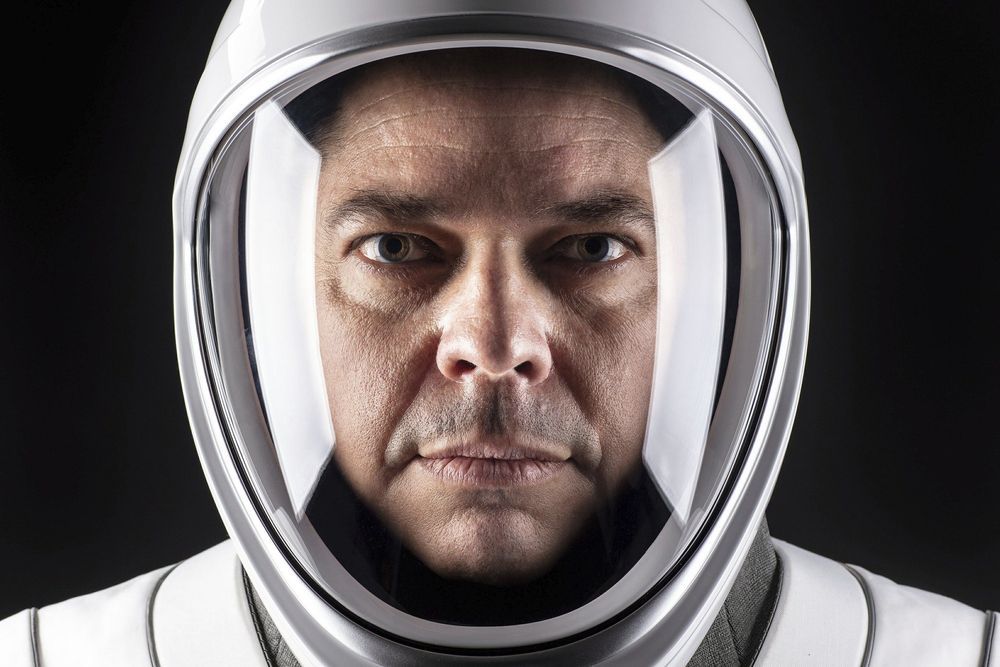
CAPE CANAVERAL, Fla. (AP) — The first astronauts launched by SpaceX are breaking new ground for style with hip spacesuits, gull-wing Teslas and a sleek rocketship — all of it white with black trim.
The color coordinating is thanks to Elon Musk, the driving force behind both SpaceX and Tesla, and a big fan of flash and science fiction.
NASA astronauts Doug Hurley and Bob Behnken like the fresh new look. They’ll catch a ride to the launch pad in a Tesla Model X electric car.
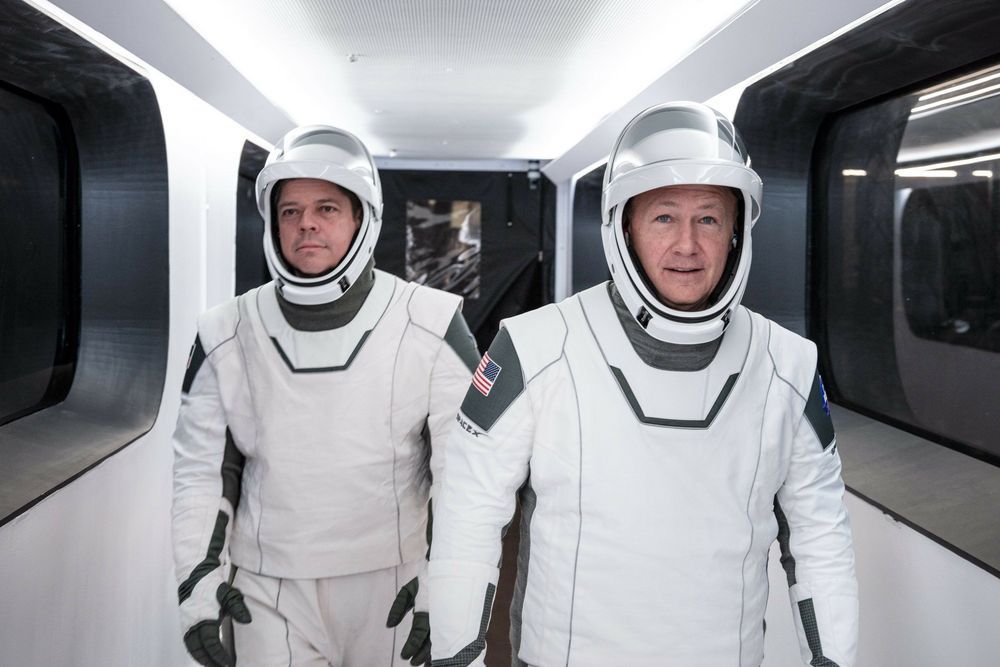
CAPE CANAVERAL, Fla. (AP) — The two astronauts who will test drive SpaceX’s brand new rocketship are classmates and friends, veteran spacefliers married to veteran spacefliers, and fathers of young sons.
Together, they will end a nine-year drought for NASA when they blast into orbit next week from Florida’s Kennedy Space Center.
Retired Marine Col. Doug Hurley will be in charge of launch and landing, a fitting assignment for the pilot of NASA’s last space shuttle flight.