A ride to the Moon for under $10 million? That’s quite a price.

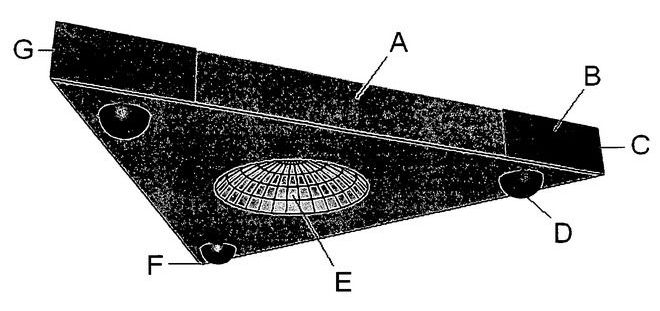
Warning: This article presents information that sounds like it comes out of a high-tech Hollywood sci-fi production. I suggest you first view the patent filing linked here to verify its credibility before proceeding.
Because the patent was filed by the US Navy and is now under an “Active” status, this is the real deal. This is NOT a work of fiction.
The Short Story
Violent Detonations
Engineers have long suspected such a design could revolutionize the fuel efficiency of modern engines, but until now, there was one major problem.
“We have tons of data about these engines, but we don’t understand what is going on,” Koch admitted.
And the revolution has already begun.
Today’s genetic moment is not the stuff of science fiction. It’s not Jules Verne’s fanciful 1865 prediction of a moon landing a century before it occurred. It’s more equivalent to President Kennedy’s 1962 announcement that America would send men to the moon within a decade. All of the science was in place when Kennedy gave his Houston speech. The realization was inevitable; only the timing was at issue. Neil Armstrong climbed down the Apollo 11 ladder seven years later.
We have all the tools we need to alter the genetic makeup of our species. The science is here. The realization is inevitable. Timing is the only variable.

The DARPA Launch Challenge has begun, with a once-stealthy startup called Astra Space aiming to launch two rockets from an Alaska spaceport within the next month and a half to win a $10 million grand prize.
The Defense Advanced Research Projects Agency set up the challenge in 2018 to serve as an added incentive for private-sector development of a highly mobile launch system that the military could use.
At first, DARPA specified that two orbital launches would have to be executed over the course of two weeks from completely separate launch sites in order to win the top prize. However, program manager Todd Master said the plan was changed for logistical and regulatory reasons. Dealing with all the hassles associated with launches from widely separated sites “wasn’t really our goal in solving the challenge,” Master told reporters today during a teleconference.
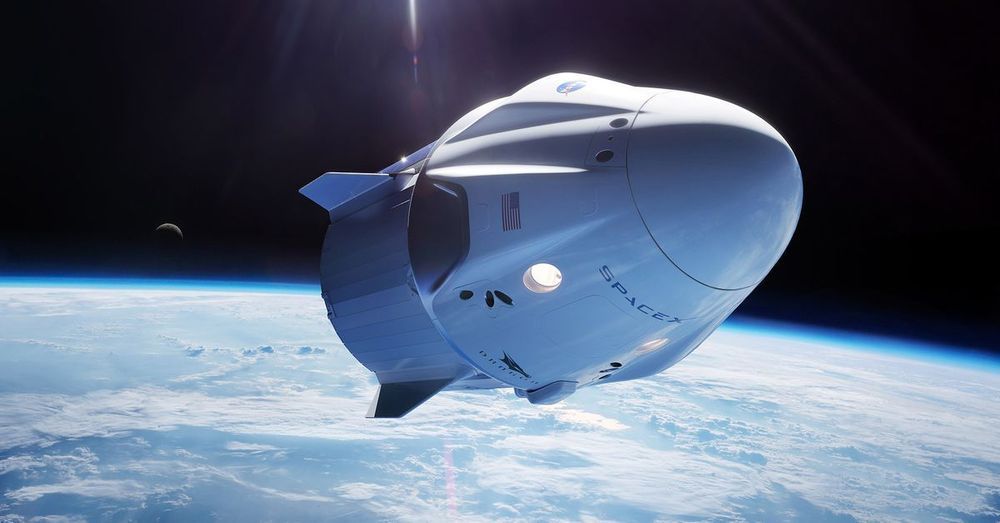
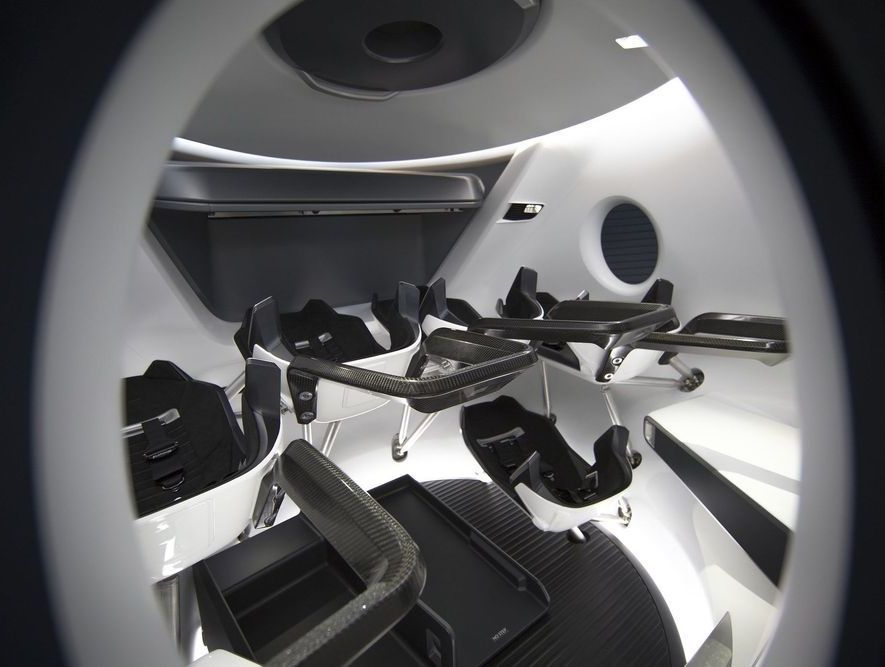
SpaceX will fly four privately-paying space tourists to orbit in its Crew Dragon capsule, the company unveiled on Tuesday.
“This historic mission will forge a path to making spaceflight possible for all people who dream of it, and we are pleased to work with the Space Adventures’ team on the mission,” SpaceX president and COO Gwynne Shotwell said in a statement.
The customers will be brokered through Space Adventures, a company that’s flown private citizens to the International Space Station using Russian spacecraft. The firm said this Crew Dragon mission will allow four individuals to “see planet Earth the way no one has since the Gemini program” of the 1960s.
Steven Hawking: “I don’t think we will survive another thousand years without escaping beyond our fragile planet.”
Probably the most notable direct result of space exploration is satellites. Once we could position a ship in orbit and take telemetry, we knew we could place unmanned pieces of equipment there and just let it orbit, running on its own, while receiving orders from the ground. From those satellites, we have created a global communication system and the global positioning system (GPS) that powers most of our communications capabilities today. What can bring peace and harmony on the planet more than our ability to communicate with each other beyond geographic and political boundaries? These technologies have been enhancing and saving for years.
Thanks to orbital technologies, we could explore the surrounding universe through orbital telescopes and the International Space Station (ISS). We have been studying the universe through lenses unhindered by the atmosphere. We’ve sent drones to explore the moon, Mars and other astral bodies in our solar system. Just like in the early space race, our engineers found yet more solutions that will improve our Earthly lives.
That is the legacy of space exploration. In 2019, NASA only received 0.49% of the American federal budget to do what it does best. A small amount of tax dollars for a huge return over generations. It’s just not that obvious to most people.
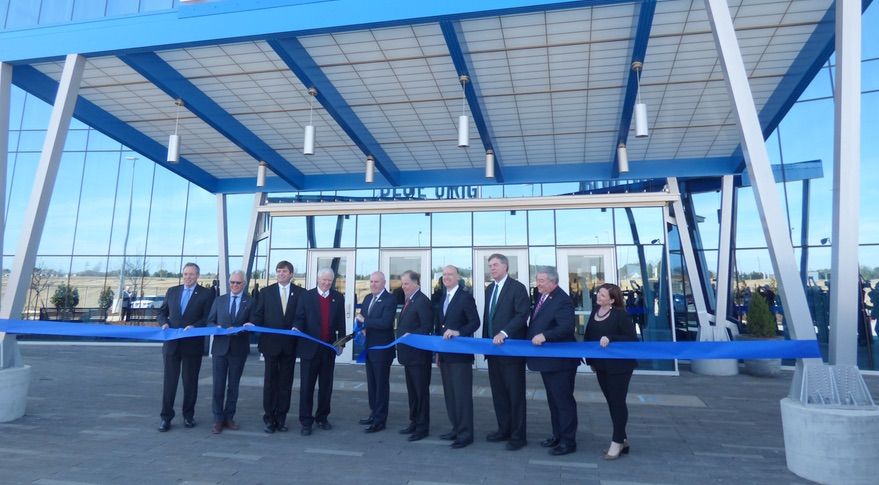
HUNTSVILLE, Ala. — Blue Origin formally opened a factory Feb. 17 that the company plans to use to produce engines both for its vehicles and for United Launch Alliance’s Vulcan rocket.
A ribbon-cutting ceremony marked the completion of a 350,000-square-foot factory here that will produce BE-4 and BE-3U engines. The factory, built in a little more than a year, will host more than 300 employees and produce up to 42 engines a year.
“You can see we can get some things done really quickly,” said Bob Smith, chief executive of Blue Origin, in remarks at the ceremony. “Twelve months to actually build this kind of facility is an amazing accomplishment for our team.”
Emergent technologies have made our world more efficient, engaging, and accessible. We’ve witnessed how innovations like artificial intelligence (AI) have transformed from largely an insider trend of the leading edge of the tech industry into more commercially viable devices, such as Amazon Echo, Siri, and on-demand machine learning from AWS. There tools have democratized the way we interact with the world.
In addition to AI, other innovative technologies have helped democratize many markets across the globe. However, the sector with, perhaps, the most notable impact in democratizing technology lies in industries that go beyond our planet.
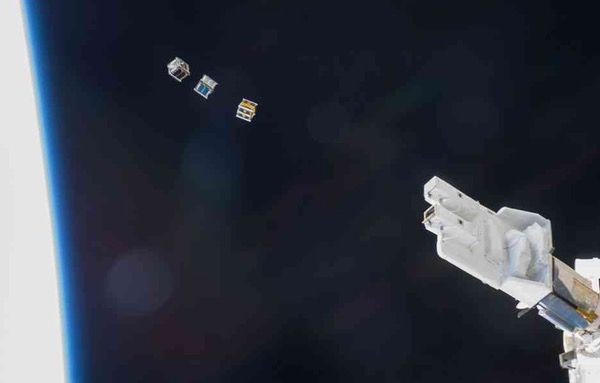
The NewSpace industry—now comprised of startups, developing countries, and universities—is leading a movement of tech innovations that are helping to pave the way for the new space explorers. This new era not only focuses on lowering the barriers of entry for investors and companies, but it’s also fostering more sustainable, consumer-friendly models that promote better access to the final frontier.