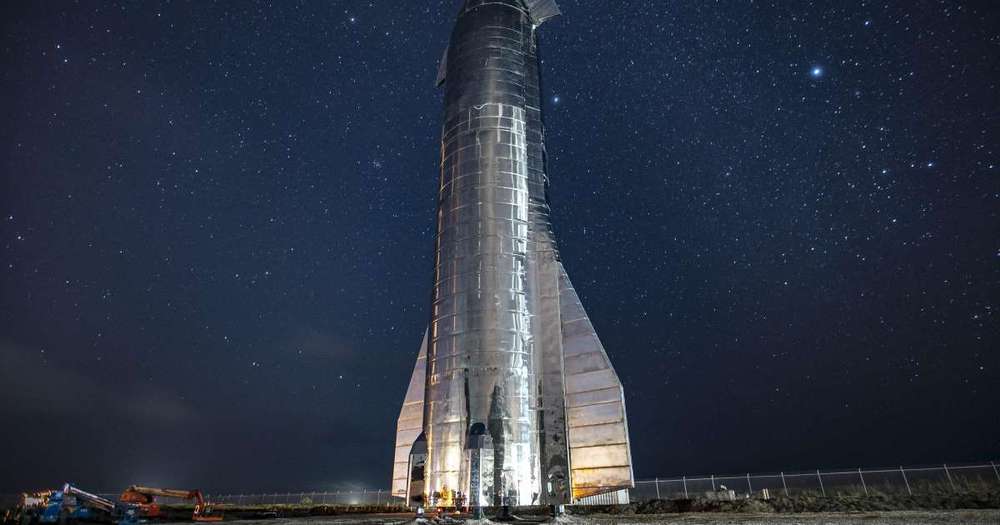
Elon Musk’s giant rocket is getting a bizarrely-shaped tower.

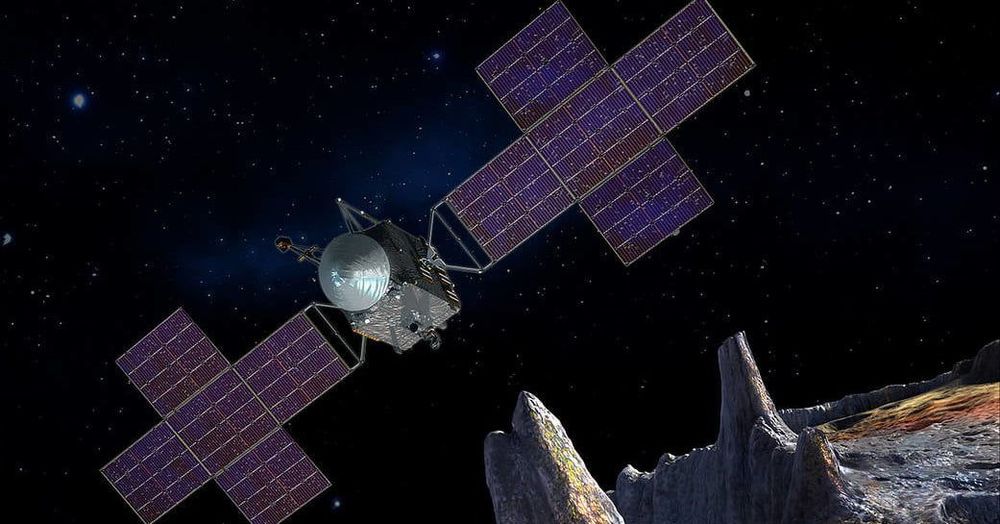
NASA has contracted SpaceX to carry out the launch for its upcoming Psyche mission to a strange metal asteroid in our solar system. The launch will use one of SpaceX’s Falcon Heavy rockets, for a cost of $117 million.
“The Psyche mission will journey to a unique metal-rich asteroid, also named Psyche, which orbits the Sun between Mars and Jupiter,” NASA explained in a statement. “The asteroid is considered unique, as it appears to largely be made of the exposed nickel-iron core of an early planet — one of the building blocks of our solar system.” Astronomers believe that studying this unusual asteroid could help us to understand how planets develop, including planets like Earth.
“Deep within rocky, terrestrial planets, including Earth, scientists infer the presence of metallic cores, but these lie unreachably far below the planet’s rocky mantles and crusts,” NASA said. “Because we cannot see or measure Earth’s core directly, the mission to Psyche offers a unique window into the violent history of collisions and accretion that created terrestrial planets.”
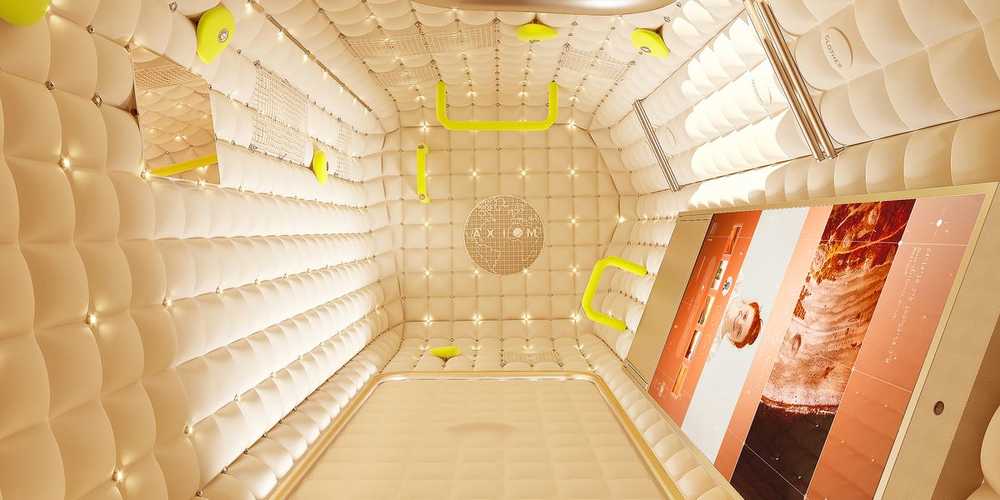
Boeing, an important player in the US space program for decades, hopes that its Starliner manned spacecraft will deliver astronauts to the International Space Station and the moon.
A software issue that prevented an unmanned test capsule from docking with the space station caused NASA to launch a review; preliminary results highlight serious safety concerns.
Boeing may have to attempt another test launch to meet the requirements of NASA’s Commercial Crew Development Program, which would cost it $410 million.
Un-edited Zoom video of Seeking Delphi episode #42. Host Mark Sackler interviews former NASA Mars navigator Moriba Jah.

“Chang’e 4’s landing was no mean feat in itself. The reason why it is so difficult to send anything, robot or man, to the far side of the Moon, is because it is difficult to maintain communications with ground control on Earth with a giant rock in between (the Moon!).”
Chang’e-4 is the first spacecraft ever to land on the Moon’s far side.
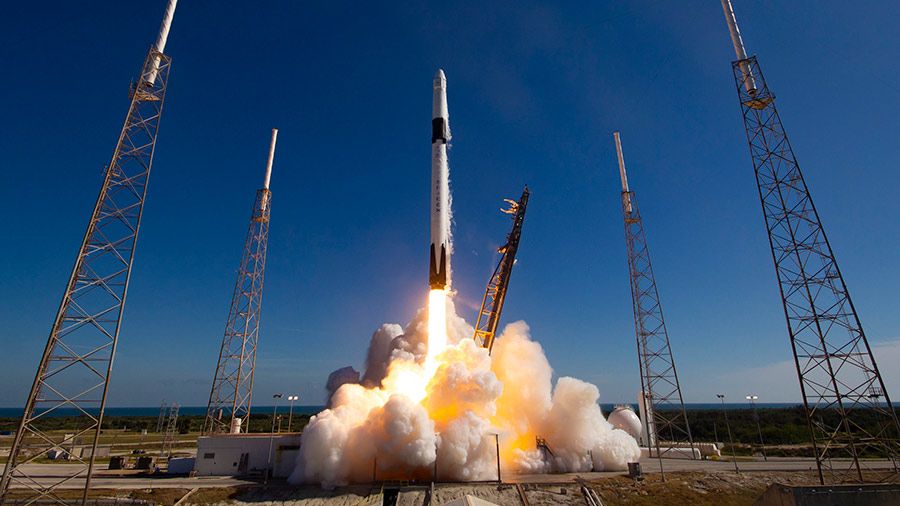
SpaceX has announced March 6 for the launch of its 20th contracted cargo mission to the International Space Station. Its Dragon resupply ship will arrive March 9 with over 5,600 pounds of science hardware, research samples and supplies to the Expedition 62 crew.
Meanwhile, NASA Flight Engineers Jessica Meir and Andrew Morgan are tending to a new experiment, which was delivered early last week aboard Northrop Grumman’s Cygnus cargo craft. The astronauts are exploring the differences between bone cells exposed to microgravity versus samples magnetically levitated on Earth.
Doctors will use the comparisons to gain a deeper understanding of bone diseases. Space-caused bone loss is similar to the symptoms of Earth-bound conditions such as osteoporosis. Astronauts exercise daily keeping track of their diet to counteract the effects of microgravity and maintain healthy bones and muscles.
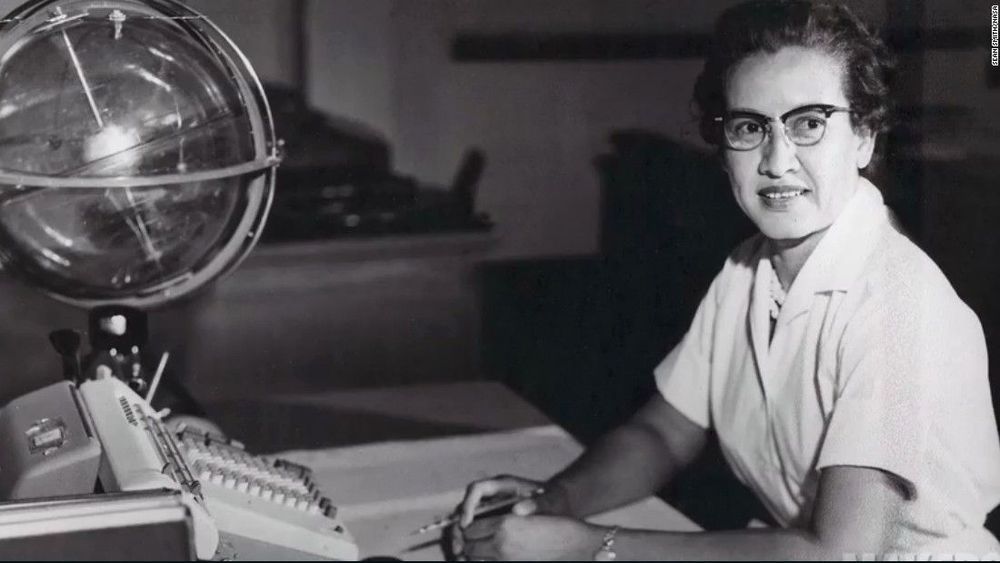
NASA announced Johnson’s death on Monday.
Johnson was part of NASA’s “Computer Pool,” a group of mathematicians whose data powered NASA’s first successful space missions. The group’s success largely hinged on the accomplishments of its black women members.
Johnson was among a group of black women mathematicians who helped power NASA’s space travel in the early 1960s when the agency was still segregated.