Get the best of Smithsonian.com by email. Keep up-to-date on:
Get the best of Smithsonian.com by email. Keep up-to-date on:
What if all the galaxies, stars, planets — everything — stopped moving away from everything else? #WhatIf
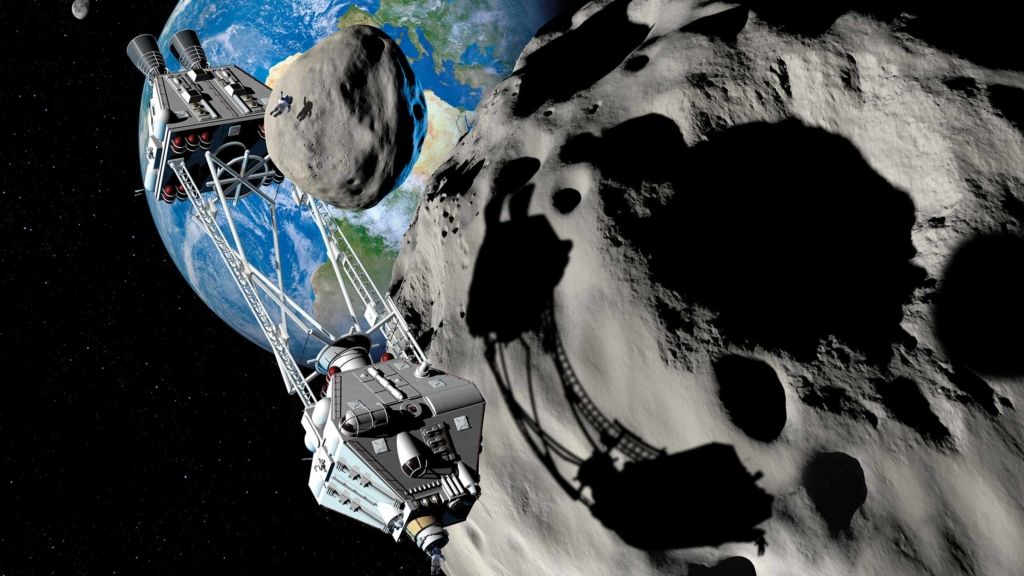
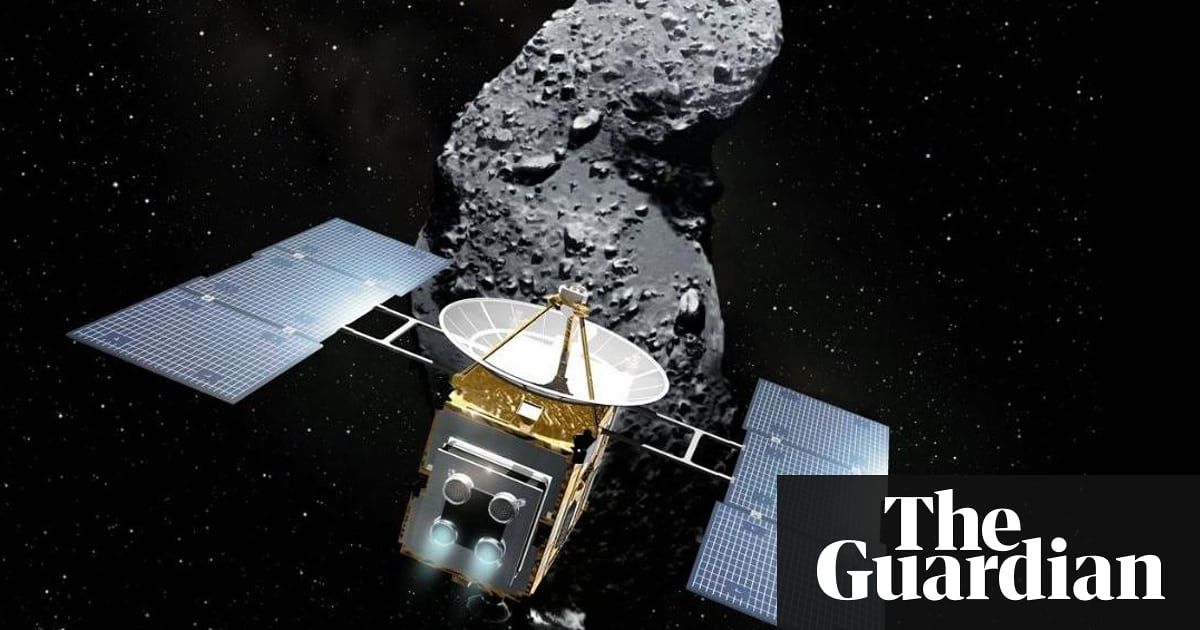
A race is on to mine billions of dollars in resources from the solar system’s asteroids, fuelling our future among the stars.
What did they find out?
NASA’s Curiosity rover has uncovered the best evidence yet that life may have once existed on Mars.
In two separate studies on data collected by the Mars rover over the last few years, scientists identified an abundant source of organic matter in an ancient lakebed, and traced some of the planet’s atmospheric methane to its roots.
The groundbreaking results will help to guide the search for microbial life and improve our understanding of seasonal processes on Mars.
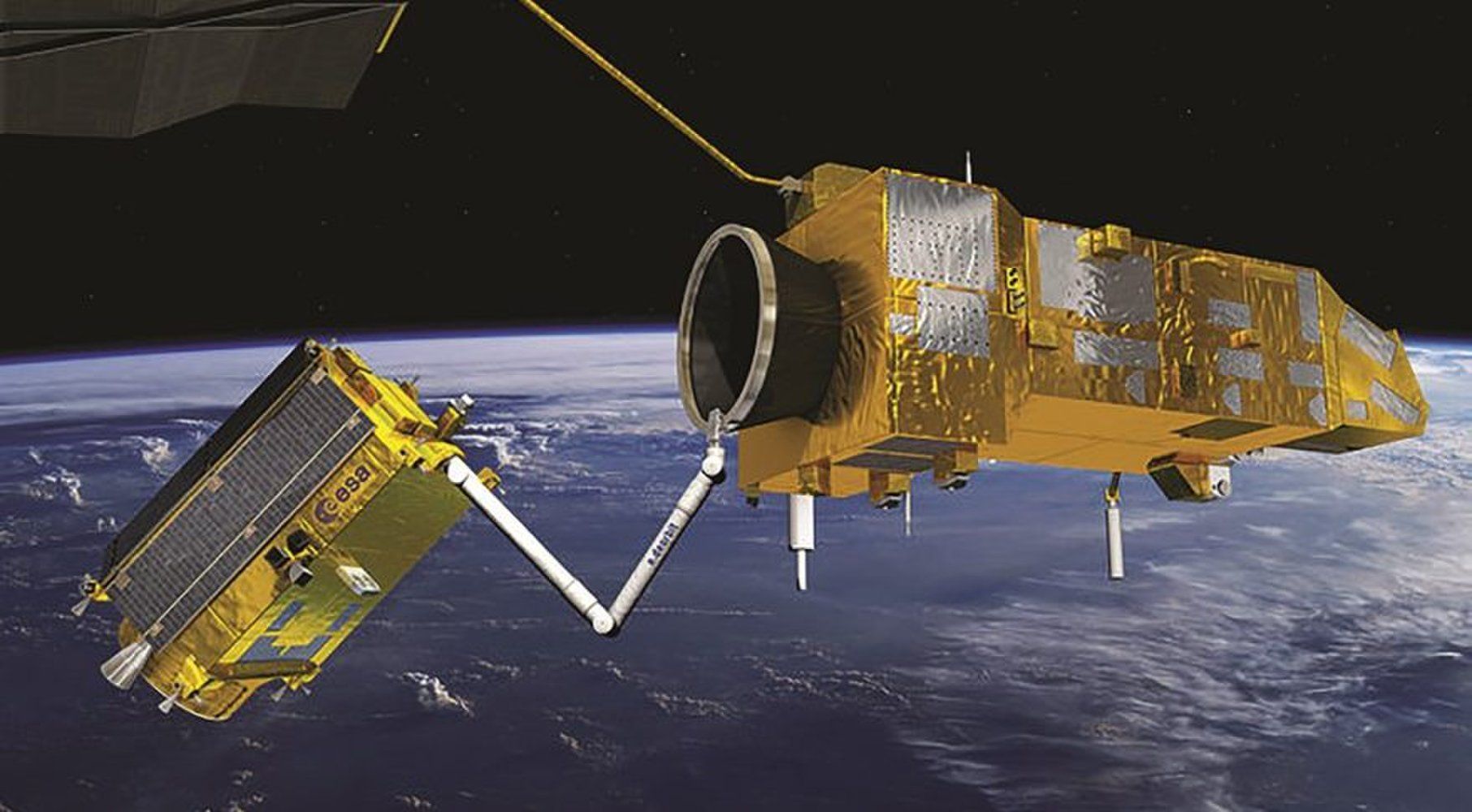
A new space era is dawning and will be upon us by the early 2020s. In the face of emerging novel threats and vulnerabilities, whether the self-defense doctrine allows us to counter the threat before the attack occurs can make the difference between peace and war.
President Trump unveiled the America First National Space Strategy on March 23 covering both commercial and civil space, and national security space. This important document has drawn few comments, which are typified by the observation of Spacepolicyonline.com founder and editor Marcia Smith that “the Trump strategy contains little that is new.”
Indeed, most of the national security provisions, which are the focus of this article, are only different in rhetoric but not in substance from those of the Obama administration and it’s predecessors. However, that they are the same is fine because they are equally essential for the new space era.
NASA shared the results of two new studies made possible by the Curiosity rover, and they could both help us determine whether Mars hosted life.
Here’s how to watch the announcement live.
NASA’s Curiosity Rover has found some new and exciting information about Mars, and the space agency is announcing that discovery to the world on Thursday.
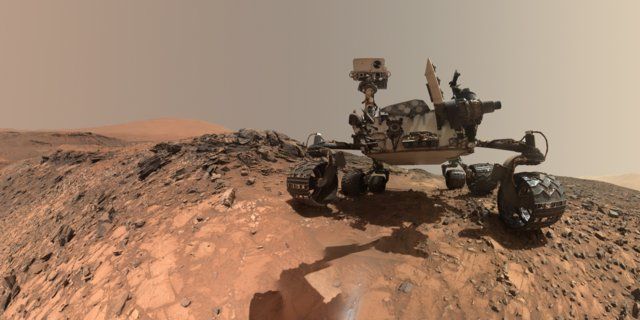
The Curiosity Rover launched from Earth in November 2011 and landed on Martian soil on August 6, 2012. It has since been cruising around the red planet’s surface, functioning as a 9-foot-wide roving science machine.
Curiosity has a few key tasks on Mars: it’s meant to study the Martian climate, check for signs of life, search for ice and water, and serve as a kind of planetary scout to see if Mars could ever sustain human life. The laboratory-on-wheels can also take an excellent selfie.