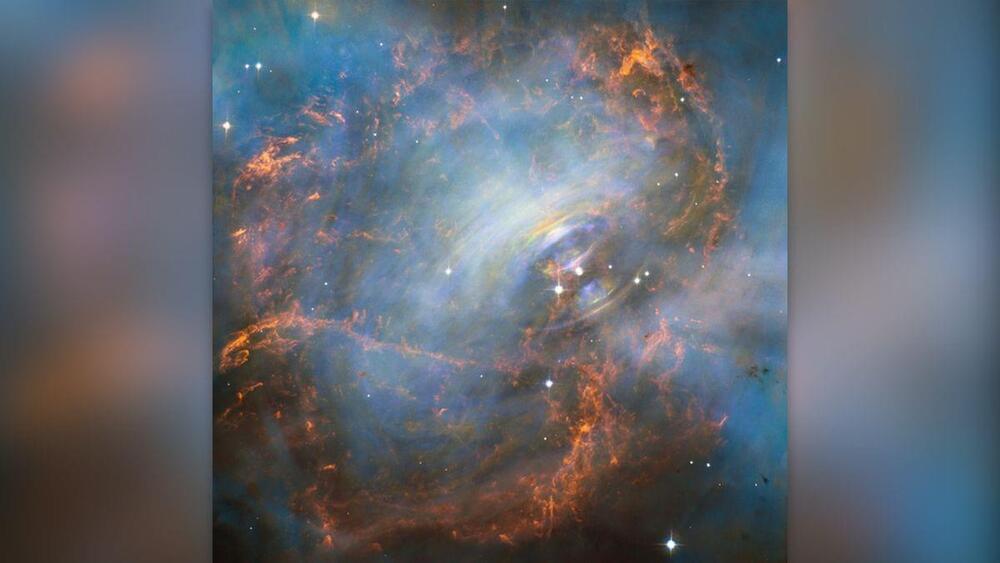
In the extreme hearts of neutron stars, fundamental particles are twisted into strange ‘pasta’ shapes that could reveal untold secrets about how dead stars evolve.


Data centre energy consumption could be cut with new, ‘breakthrough’ photonic chips that are more efficient than today’s chips.
Data centres can consume up to 50 times more energy per square foot of floor space than a typical office building and account for roughly 2 per cent of all electricity use in the US.
In recent years, the number of data centres has risen rapidly due to soaring demand from the likes of Facebook, Amazon, Microsoft and Google.

Space Warfare concepts from science fiction often involve war between planets, and we will discuss the science of that, and war inside a fully colonized solar system or Dyson Swarm.
Visit our Website: http://www.isaacarthur.net.
Join Nebula: https://go.nebula.tv/isaacarthur.
Support us on Patreon: https://www.patreon.com/IsaacArthur.
Support us on Subscribestar: https://www.subscribestar.com/isaac-arthur.
Facebook Group: https://www.facebook.com/groups/1583992725237264/
Reddit: https://www.reddit.com/r/IsaacArthur/
Twitter: https://twitter.com/Isaac_A_Arthur on Twitter and RT our future content.
SFIA Discord Server: https://discord.gg/53GAShE
Listen or Download the audio of this episode from Soundcloud: https://soundcloud.com/isaac-arthur-148927746/interplanetary-warfare.
Cover Art by Jakub Grygier: https://www.artstation.com/artist/jakub_grygier.
Graphics Team:
Edward Nardella.
Jarred Eagley.
Justin Dixon.
Katie Byrne.
Kris Holland of Mafic Stufios: www.maficstudios.com.
Misho Yordanov.
Pierre Demet.
Sergio Botero: https://www.artstation.com/sboterod?fref=gc.
Stefan Blandin.
Script Editing:
Andy Popescu.
Connor Hogan.
Edward Nardella.
Eustratius Graham.
Gregory Leal.
Jefferson Eagley.
Luca de Rosa.
Mark Warburton.
Michael Gusevsky.
Mitch Armstrong.
MolbOrg.
Naomi Kern.
Philip Baldock.
Sigmund Kopperud.
Steve Cardon.
Tiffany Penner.
Music:
Markus Junnikkala, “Leaving the Galaxy“
AJ Prasad, “Staring Through“
Lombus, “Amino”
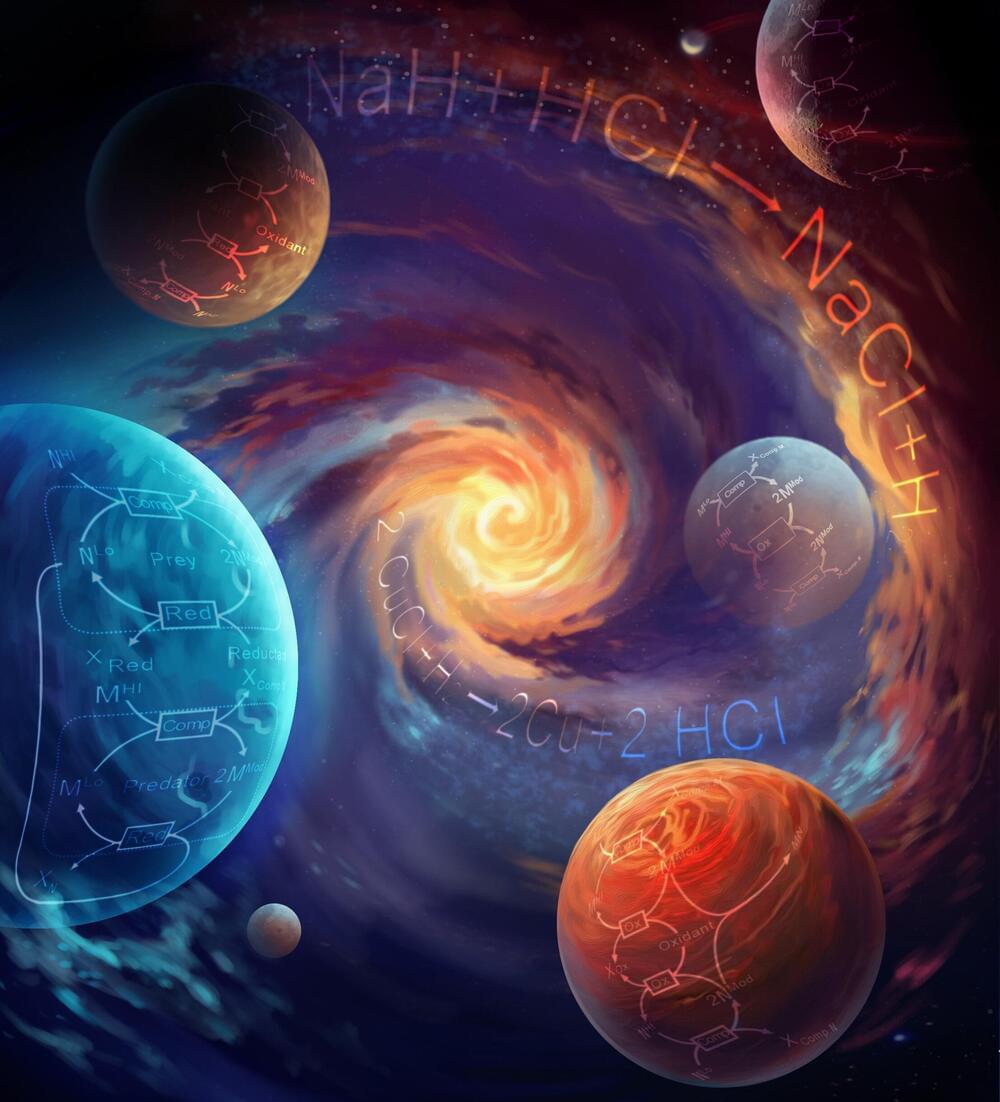
Life on a faraway planet—if it’s out there—might not look anything like life on Earth. But there are only so many chemical ingredients in the universe’s pantry, and only so many ways to mix them. A team led by scientists at the University of Wisconsin–Madison has exploited those limitations to write a cookbook of hundreds of chemical recipes with the potential to give rise to life.
Their ingredient list could focus the search for life elsewhere in the universe by pointing out the most likely conditions—planetary versions of mixing techniques, oven temperatures and baking times—for the recipes to come together.
The process of progressing from basic chemical ingredients to the complex cycles of cell metabolism and reproduction that define life, the researchers say, requires not only a simple beginning but also repetition.
The space advocacy movement has announced an initiative to found the Mars Technology Institute, which aims to create the technologies necessary for establishing a presence on the red planet.
The Mars Society is a space advocacy organization established in 1998 by Dr. Robert Zubrin and other members. The association studies settlement technologies for Mars and educates the public on the benefits of such missions.
In recent developments, the space advocacy movement has announced an initiative to found the Mars Technology Institute. This endeavor aims to create the technologies necessary for establishing a presence on the red planet.
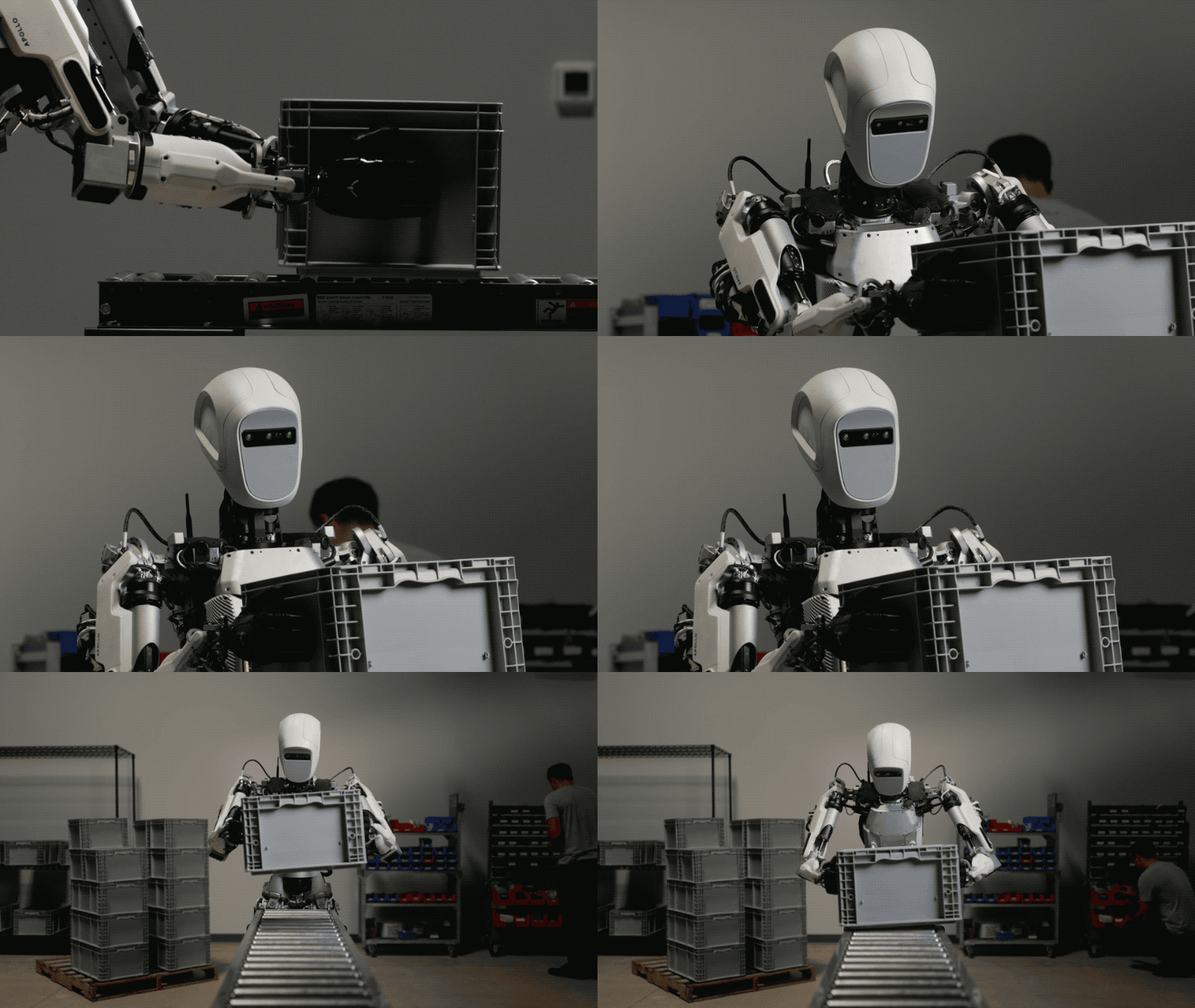
General-purpose automation could radically improve society by vastly accelerating construction, manufacturing, and R&D. Just as the scale and complexity of today’s cities would have been unimaginable 200 years ago, we may see a similar factor of value growth over the next 50 years. Quality of life may dramatically increase as well. I envision that billions could be lifted out of poverty and the average person may live like today’s wealthiest top 1%. Space colonization might be made feasible. Keep in mind these projections are highly speculative. Nonetheless, it is worth considering the remarkable possibilities! #automation #tech #robotics #futurism
The rise of humanoid robots didn’t happen overnight, but a kind of perfect storm has accelerated the phenomenon over the past year and change. The foundation, of course, is decades of research.
Toiling away in research facilities and R&D departments laid the ground work for a new generation of technology. The necessary software and components have come a long way, driven by innovations in industrial robotics, autonomous driving and even the smartphone industry.
And then a global pandemic happened. The events of the last few years have been important for two deeply interconnected reasons. First, investment in robotics has skyrocketed. Second, staffing continues to be an issue. You could say that these conditions have created a humanoid-shaped hole that a robot could walk right through.