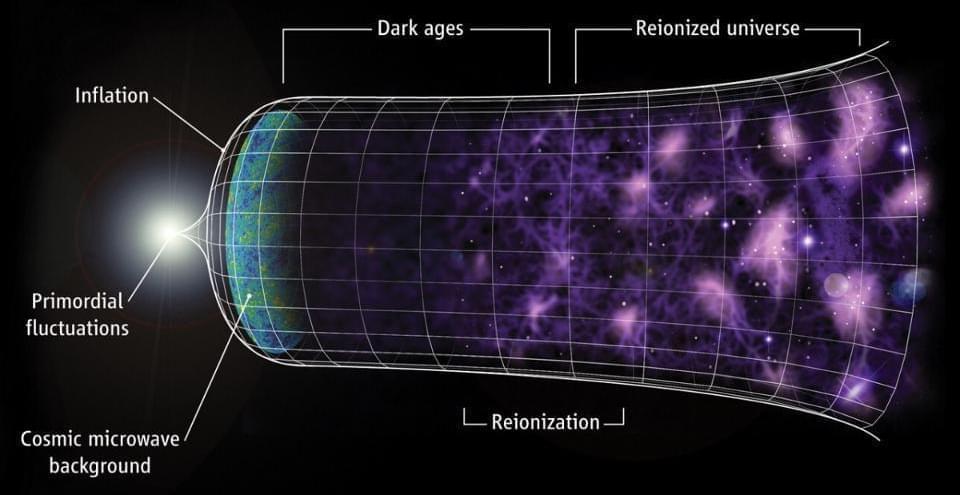
Today, our observable Universe extends for 46 billion light-years in all directions. But early on in our history, things were much smaller.
Once in a blue moon, Earth’s skies host a ‘blue supermoon’, and the beautifully bright sight is one that you don’t want to miss.
Otherwise, you won’t have a chance to glimpse a similar phenomenon until 2032.
If your eyes are peeled for a blue-colored Moon, however, you’re going to be disappointed.
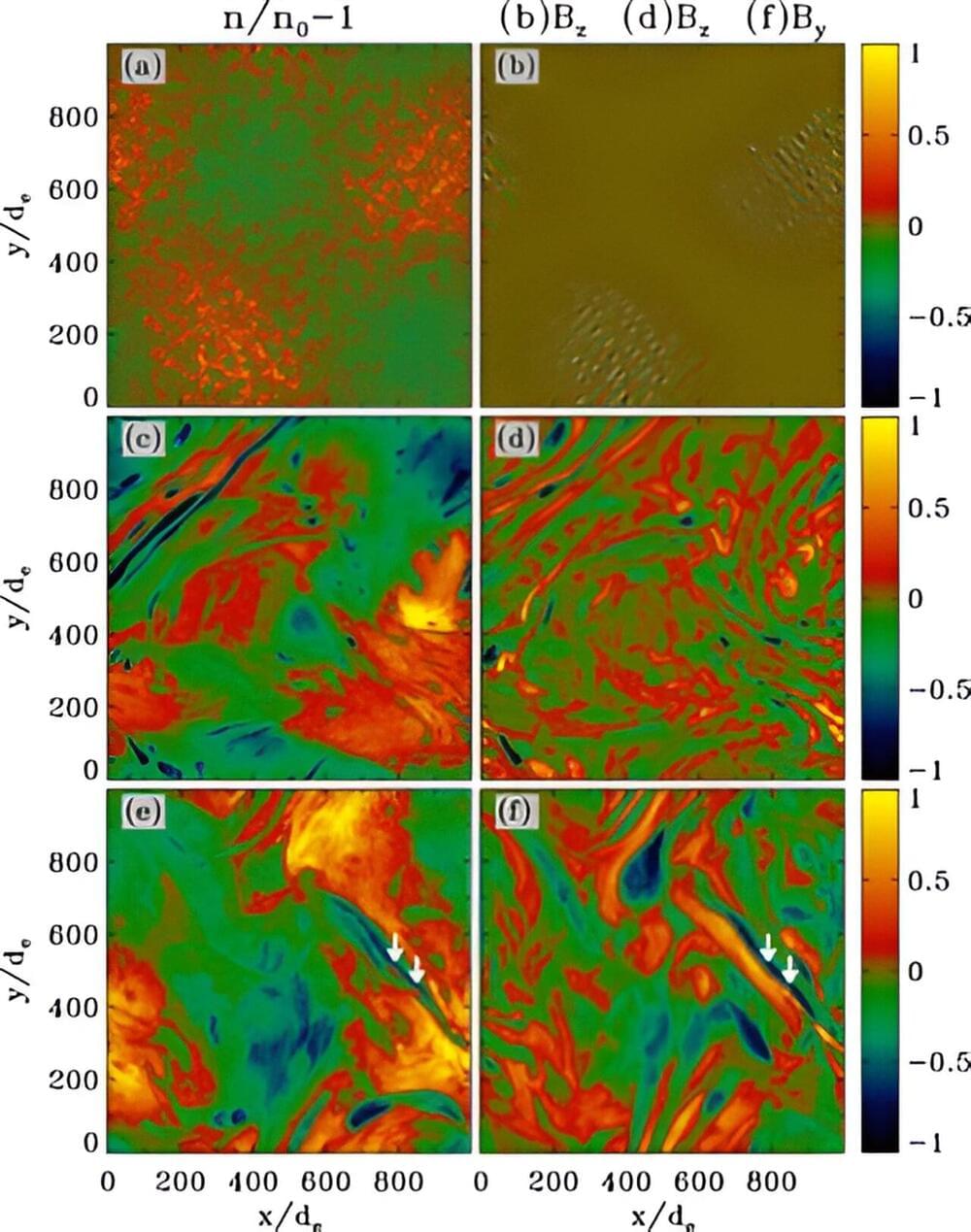
It isn’t just your refrigerator that has magnets on it. The Earth, the stars, galaxies, and the space between galaxies are all magnetized, too. The more places scientists have looked for magnetic fields across the universe, the more they’ve found them. But the question of why that is the case and where those magnetic fields originate from has remained a mystery and a subject of ongoing scientific inquiry.
Published in the journal Physical Review Letters, a new paper by Columbia researchers offers insight into the source of these fields. The team used models to show that magnetic fields may spontaneously arise in turbulent plasma. Plasma is a kind of matter often found in ultra-hot environments like that near the surface of the sun, but plasma is also scattered across the universe in low-density environments, like the expansive space between galaxies; the team’s research focused on those low-density environments.
Their simulations showed that, in addition to generating new magnetic fields, the turbulence of those plasmas can also amplify magnetic fields once they’ve been generated, which helps explain how magnetic fields that originate on small scales can sometimes eventually reach to stretch across vast distances.
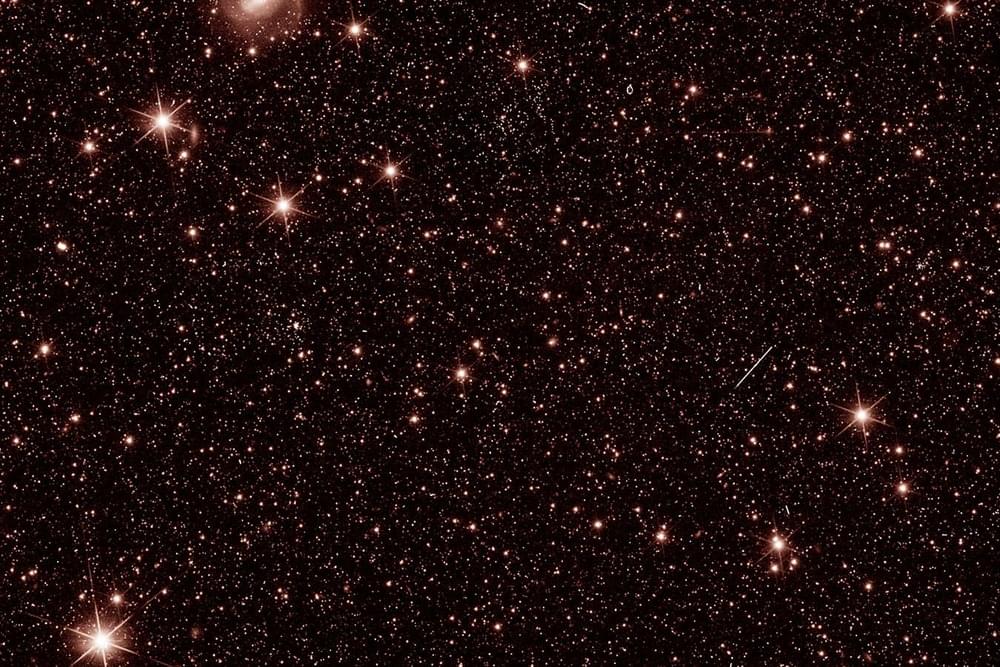
The European Space Agency’s Euclid telescope launched on 1 July, and now it has delivered its first stunning pictures of stars and galaxies across the cosmos.
By Leah Crane
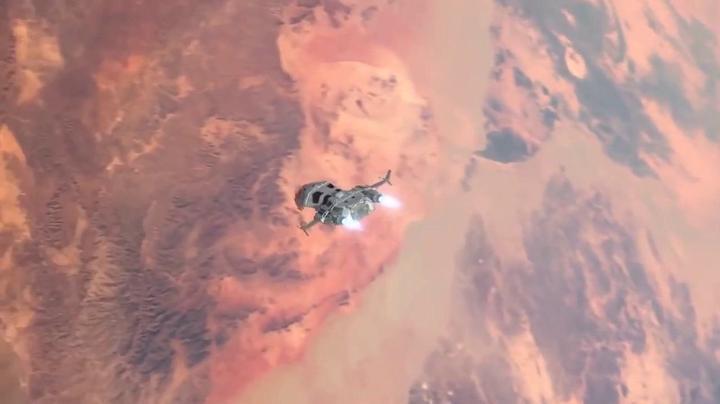
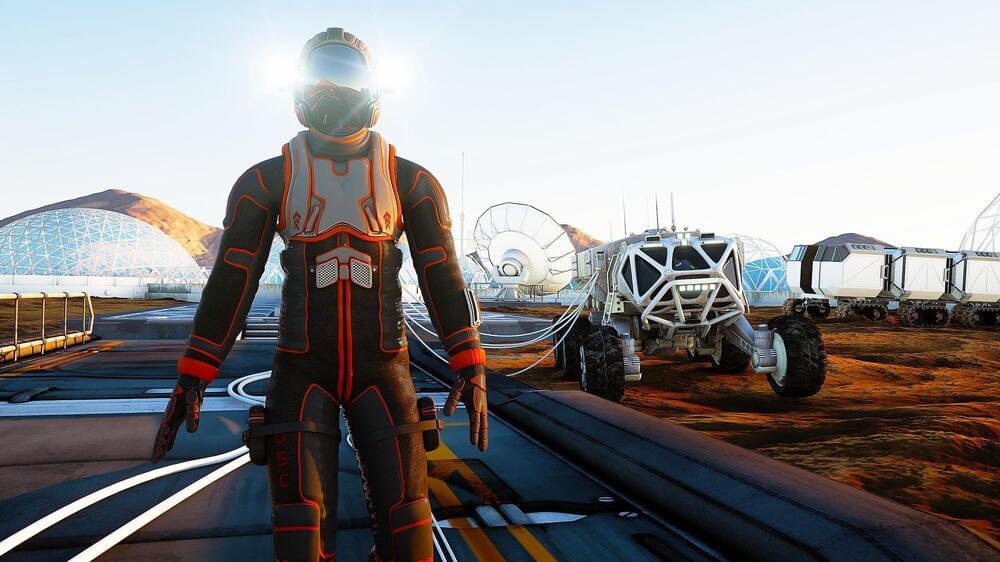
In the ongoing quest for human habitation on the Moon, the issue of cleanliness within spacesuits is a critical one. Future astronauts venturing to the lunar surface will be equipped with a new generation of spacesuits designed to endure the harsh lunar environment, thanks to the European Space Agency’s PExTex project.
However, as these suits provide safety and comfort, they could also offer a conducive environment for harmful microbial growth. This issue is further exacerbated as astronauts may potentially share these suits.
PExTex is addressing this issue by assessing suitable textiles for future spacesuit designs. Collaborating with the Austrian Space Forum, they have launched a project named BACTeRMA. This project is focusing on ways to prevent microbial growth within the inner linings of the suits.
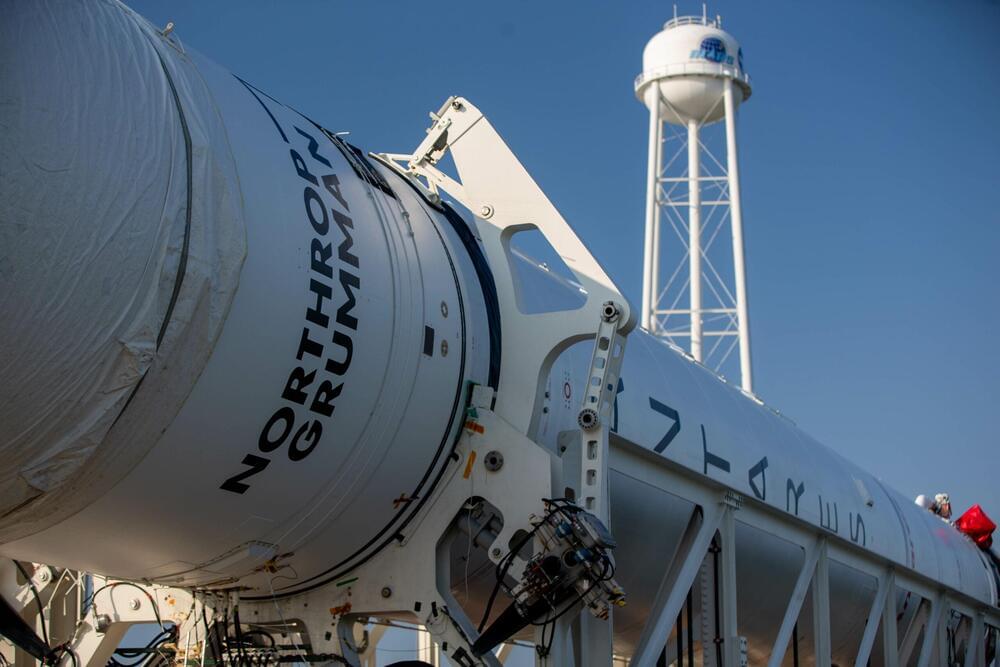
The Wallops Range forecast issued today for the Tuesday, Aug. 1, launch of Northrop Grumman’s 19th resupply mission to the International Space Station puts weather at 80% favorable.
A weak area of high pressure will move off the coast Sunday evening, as a weak upper-level disturbance tracks toward the Wallops region with a slight chance of showers and thunderstorms Monday morning through late Monday evening. The upper-level trough will remain over the Wallops Region Tuesday with a chance of an afternoon, sea breeze, pop-up shower or thunderstorms during the countdown. At this time, the primary concern for launch is a slight chance of cumulus clouds.
NASA commercial cargo provider Northrop Grumman is targeting 8:31 p.m. EDT Tuesday, Aug. 1, for the launch.
In October of 2021, NASA’s next-generation infrared observatory, the James Webb Space Telescope (JWST), will be launched. As the most advanced and complex space telescope ever built, the James Webb will characterize exoplanets, explore our Solar System, and address the deepest cosmological mysteries of all.