Toggle light / dark theme

Microbes may have survived for millions of years beneath the Martian surface

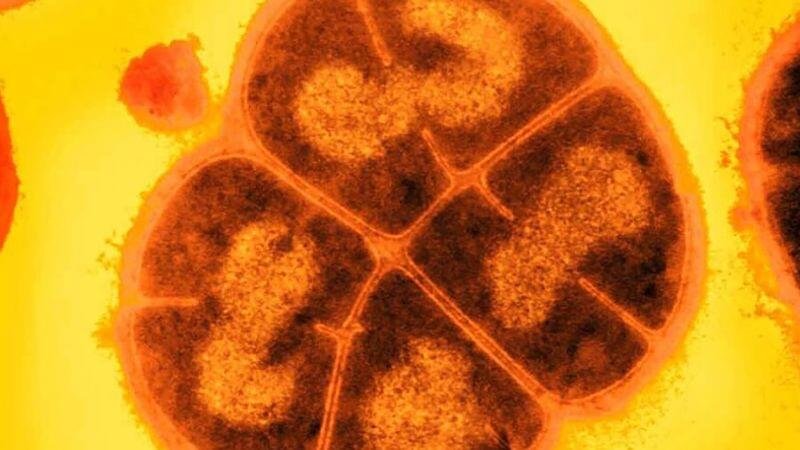
Ancient bacteria might be sleeping beneath the surface of Mars, where it has been shielded from the harsh radiation of space for millions of years, according to new research.

While no evidence of life has been found on the red planet, researchers simulated conditions on Mars in a lab to see how bacteria and fungi could survive. The scientists were surprised to discover that bacteria could likely survive for 280 million years if it was buried and protected from the ionizing radiation and solar particles that bombard the Martian surface.

The findings suggested that if life ever existed on Mars, the dormant evidence of it might still be located in the planet’s subsurface — a place that future missions could explore as they drill into Martian soil.
ESA SOLARIS: Wireless Power Beamed Down From Space

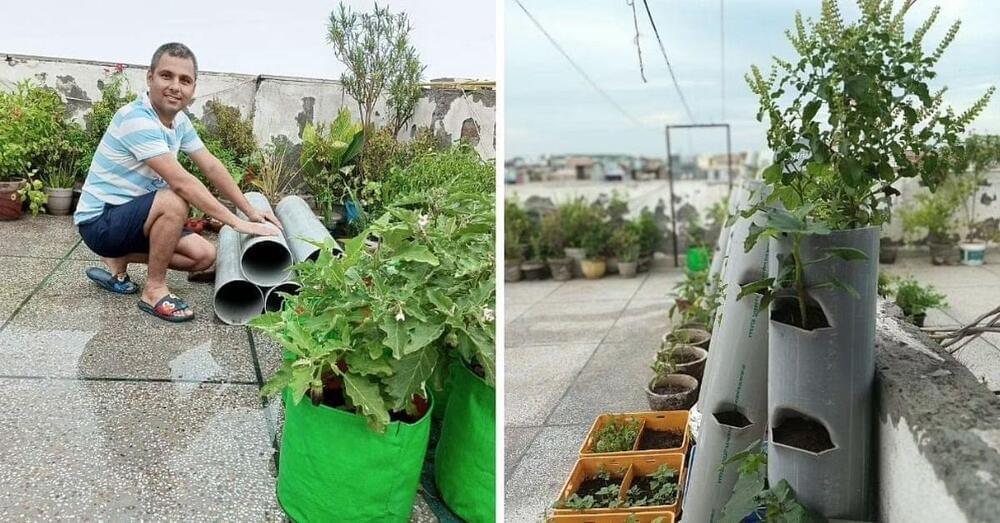
Solar power could be gathered far away in space and transmitted wirelessly down to Earth to wherever it is needed. The European Space Agency (ESA) plans to investigate key technologies needed to make Space-Based Solar Power a working reality through its SOLARIS initiative. Recently in Germany, one of these technologies, wireless power transmission, was demonstrated to an audience of decision-makers from business and government.

The demonstration took place at Airbus’ X-Works Innovation Factory in Munich. Microwave beaming was used to transmit green energy between two points representing ‘Space’ and ‘Earth’ over a distance of 36 meters.

The received power was used to light up a model city and produce green hydrogen by splitting water. It even served to produce the world’s first wirelessly cooled 0% alcohol beer in a fridge before being served to the watching audience.

Sun is Older Than The Earth But The Water You Drink is Older Than The Sun

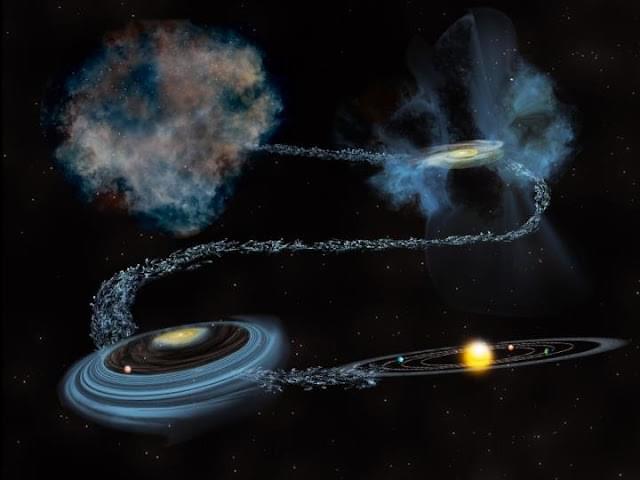
Remember that some of the molecules in your “fresh” sip of water are actually billions of years old—far older than the solar system itself.

It looks doubtful that water existed on Earth before the solar system in which it is located. However, a recent peer-reviewed study published in the journal Science supports this.

Astronomers arrived at this conclusion by demonstrating that water in our solar system had to have been produced inside the huge cloud of gas and dust that preceded and was required for the creation of the star known as the Sun. This implies that water existed before the Sun exploded into a star, water that eventually made its way to Earth via “wet rocks” such as asteroids or comets.

The Future of Human Civilization (2022 — 3355 AD)

Sponsored by Blinkist: Use our special link to start your free 7-day trial with Blinkist and get 25% off of a premium membership: https://www.blinkist.com/beeyondideas.

In this video, we’ll sit down in our time machine and go forward a few millenniums into the future, to see where we would be progressing as a civilization.

Chapters:
0:00 Opening.
0:51 The levels of civilization.
2:13 Timelapse of the future.
5:25 Year 2141
6:34 Year 2768
8:43 Conclusion.

If you’d like to see more of this kind of video, consider supporting our work by becoming a member today!
https://www.youtube.com/BeeyondIdeas/join.

Follow us on Instagram: https://www.instagram.com/beeyond.ideas/

Music tracks in this video:

Latest Webb image shows what our Sun looked like as a baby protostar

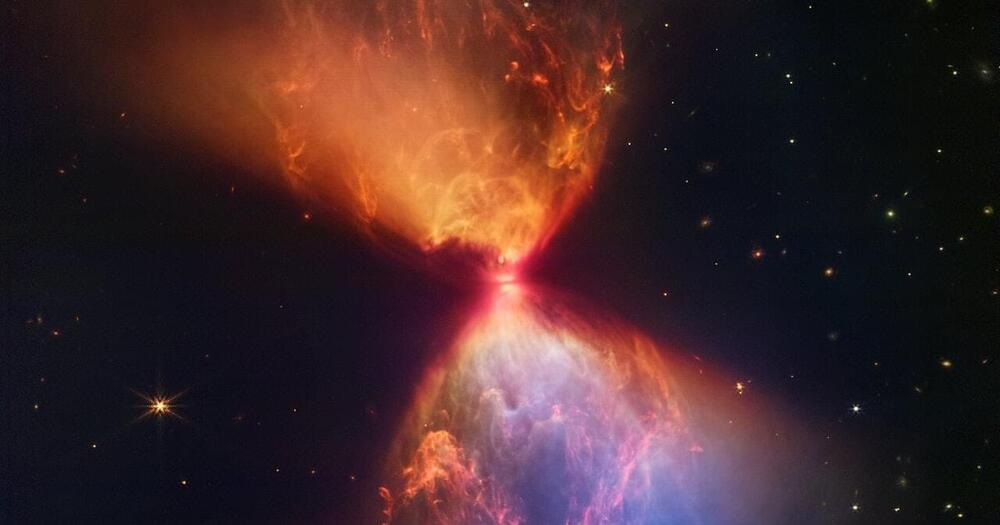
Webb’s NIRCam instrument recently captured this detailed image of the cloudy region around a very young protostar called L1527. Only about 100,000 years old, L1527 isn’t a star yet: it hasn’t fully pulled itself into a proper, stable sphere, and it hasn’t piled on enough mass to kickstart nuclear fusion and start pumping out its own energy. It’s more like “a small, hot, and puffy clump of gas, somewhere between 20 percent and 40 percent the mass of our Sun,” according to the European Space Agency.

But as the latest Webb photos reveal, the young protostar is making an ambitious start.

Early meteorites brought enough water to Mars to create a global ocean

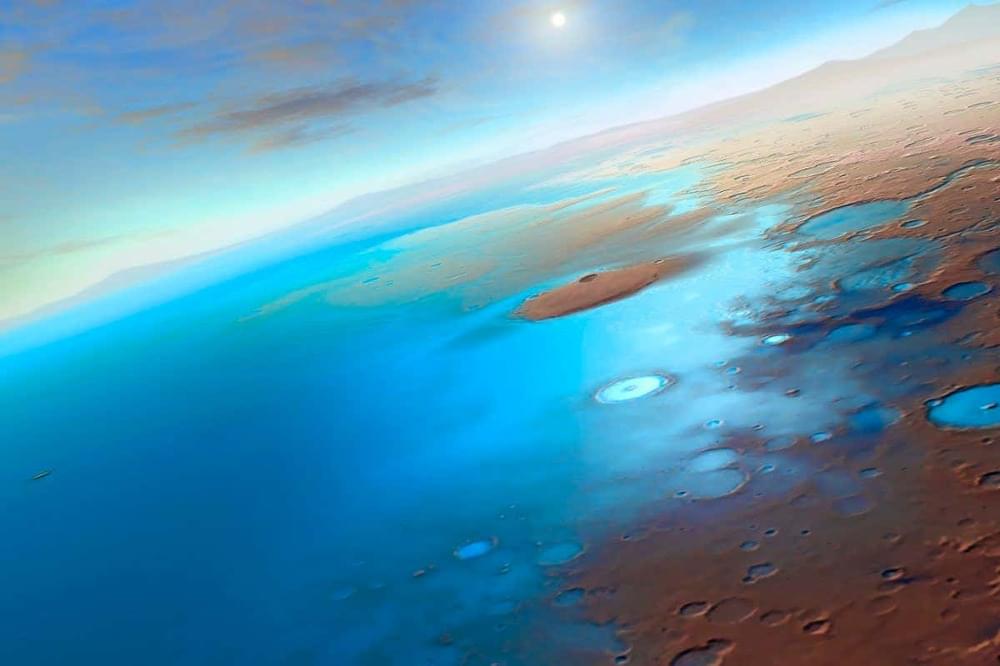
The meteorites that bombarded Mars during the early days of the inner solar system may have carried enough water to create a 300-metre-deep ocean on the planet.

Martin Bizzarro at the University of Copenhagen in Denmark and his colleagues have analysed the concentration of a rare chromium isotope, known as chromium-54, in samples of meteorites that have come to Earth from Mars to estimate how much water was deposited on the Red Planet by asteroids.

The uppermost layer of Mars contains the chemical signatures of carbonaceous, or C-type, meteorites that bombarded it as its crust solidified some 4.5 billion years ago.

/* */