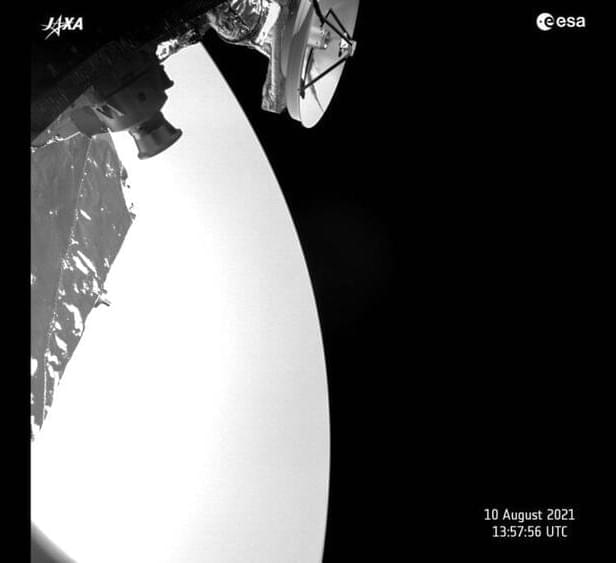
Planet Nine, according to scientists, has an orbit that lies more than 300 AU from the sun and is tilted.

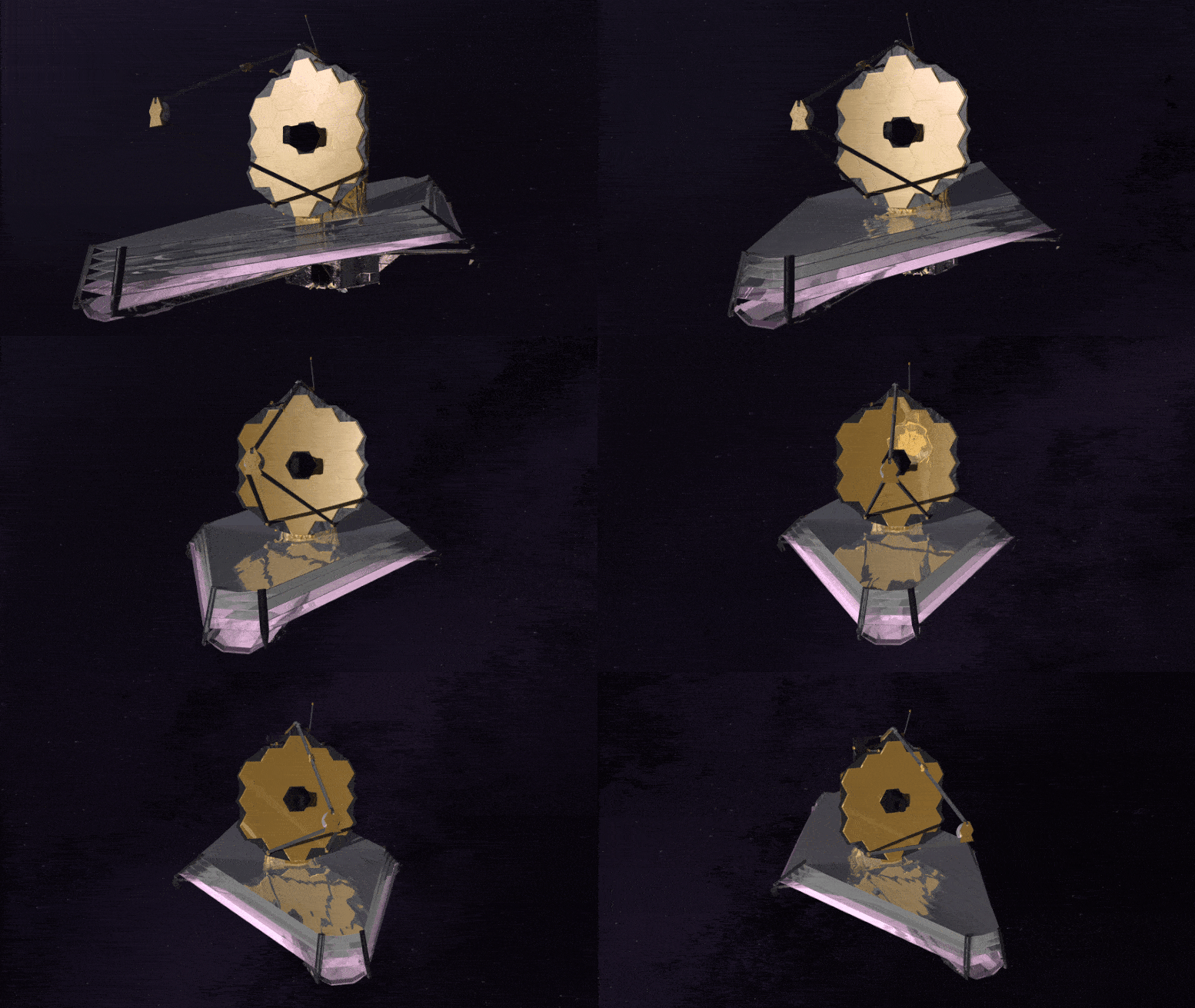
After successful completion of its final tests, NASA
Established in 1,958 the National Aeronautics and Space Administration (NASA) is an independent agency of the United States Federal Government that succeeded the National Advisory Committee for Aeronautics (NACA). It is responsible for the civilian space program, as well as aeronautics and aerospace research. It’s vision is “To discover and expand knowledge for the benefit of humanity.”
During an upcoming NASA mission, currently scheduled for an October lift-off, a spacecraft called Lucy will be the first to visit a fleet of primordial bodies trailing behind Jupiter. It will launch on the Atlas V 401 rocket.
The Lucy mission will be the first to explore the Trojan asteroids, a large group of asteroids that share Jupiter’s orbit around the Sun.
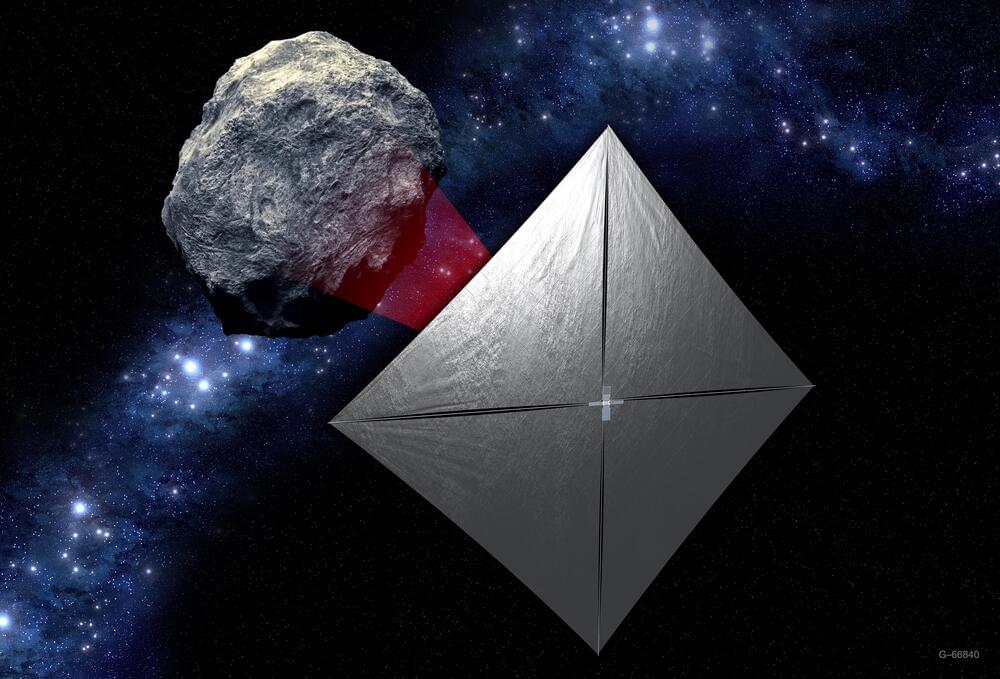
NASA’s Near-Earth Asteroid Scout is tucked away safely inside the agency’s powerful Space Launch System (SLS) rocket at NASA’s Kennedy Space Center in Florida. The solar sailing CubeSat is one of several secondary payloads hitching a ride on Artemis I, the first integrated flight of the agency’s SLS and the Orion spacecraft.
China says its spacecraft has more advanced technology.
While the future of the nearly 23-year-old International Space Station remains uncertain after 2,024 China says its newly equipped Tiangong station will be up and running by next year. WSJ unpacks the design and technology of both space stations. Photo: CCTV; NASA
More from the Wall Street Journal:
Visit WSJ.com: http://www.wsj.com.
Visit the WSJ Video Center: https://wsj.com/video.
On Facebook: https://www.facebook.com/pg/wsj/videos/
On Twitter: https://twitter.com/WSJ
On Snapchat: https://on.wsj.com/2ratjSM
#WSJ #China #NASA
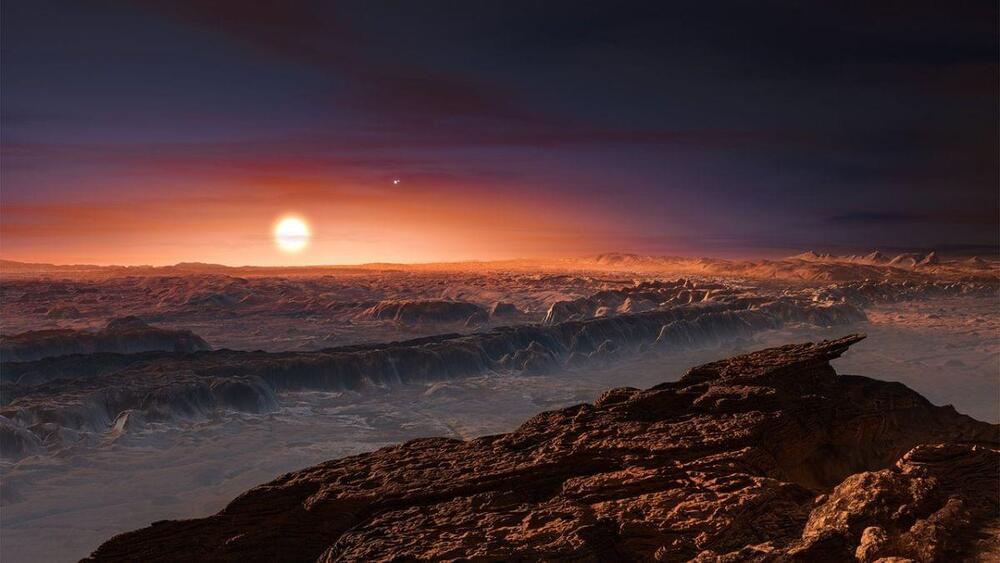
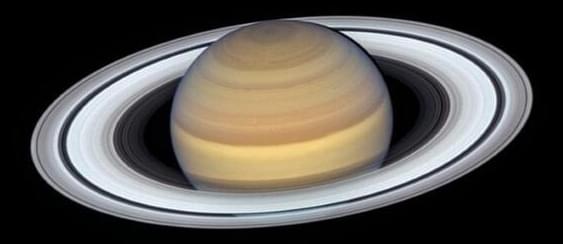
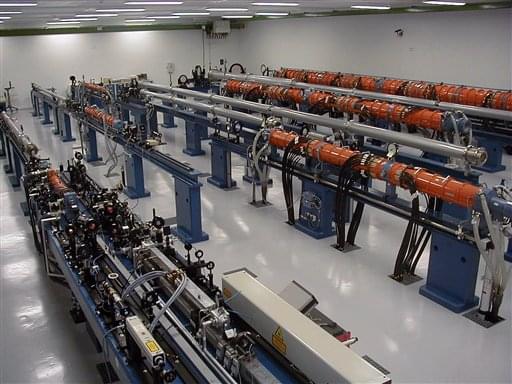
Circa 2014
Scientists in a lab used a powerful laser to re-create what might have been the original spark of life on Earth.
The researchers zapped clay and a chemical soup with the laser to simulate the energy of a speeding asteroid smashing into the planet. They ended up creating what can be considered crucial pieces of the building blocks of life.
The findings do not prove that this is how life started on Earth about 4 billion years ago, and some scientists were unimpressed with the results. But the experiment does bolster the long-held theory.