Panorama 360, Moon, Apollo 11 — vol. 2 Apollo 50th anniversary Apollo 11.
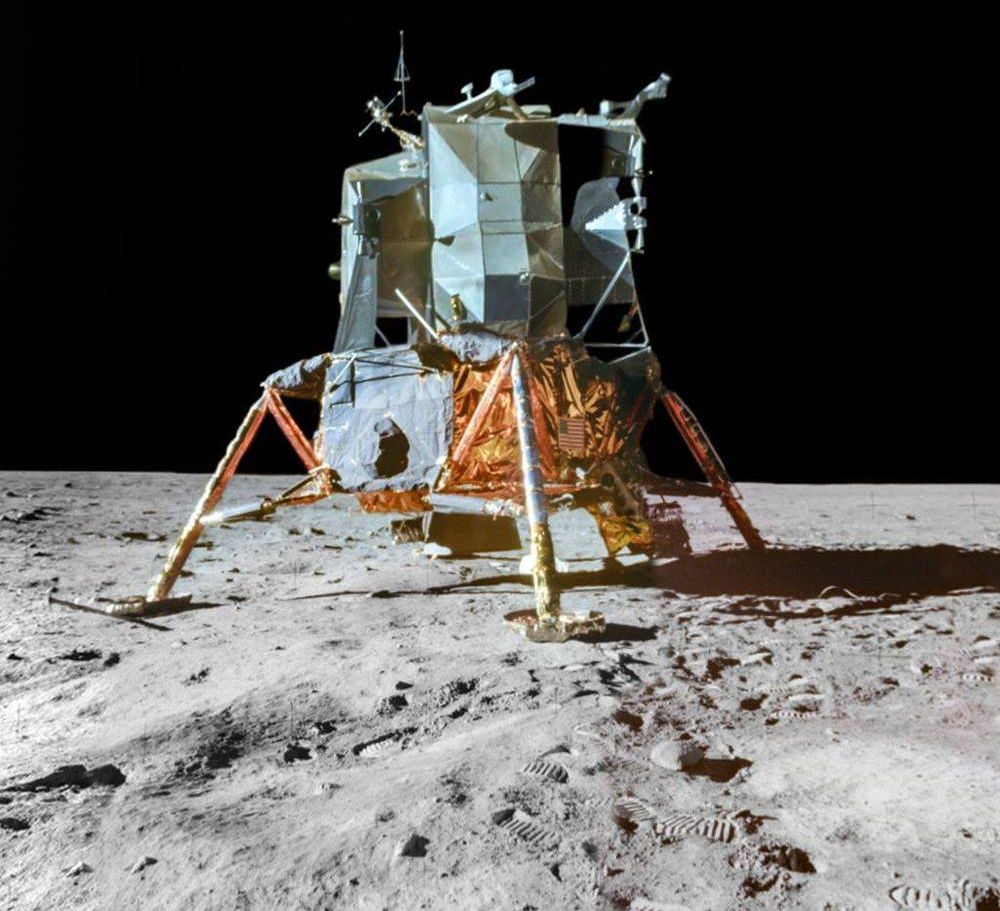
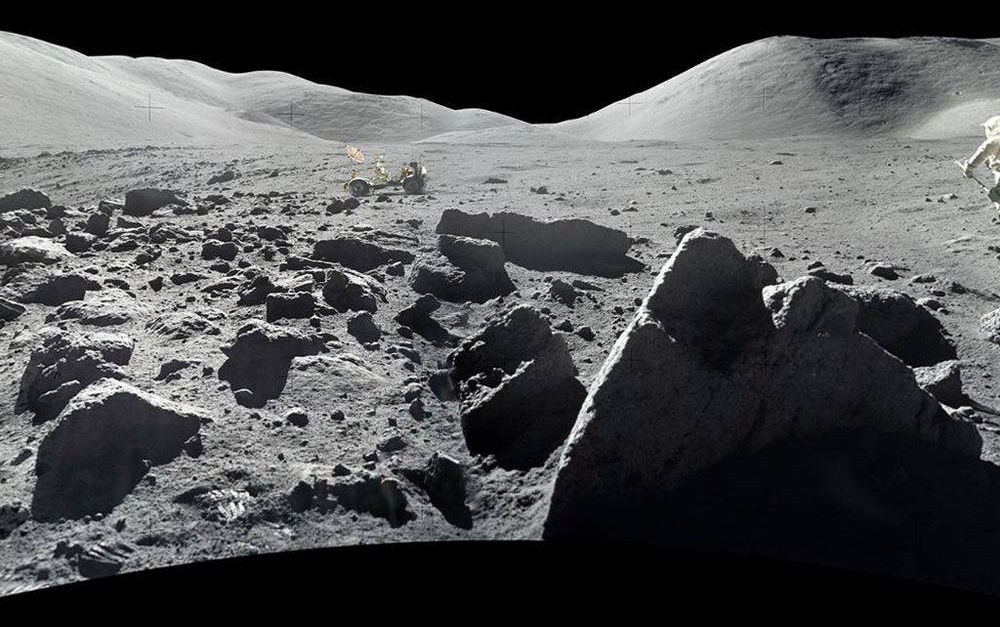
After a thunderous launch on a Saturn V rocket, a three day journey through the unforgiving environment of space and a daring descent in the Lunar Module, you’re here: standing on the Moon. Look around and take in the sights of the surface, just as Apollo 17 astronauts Eugene Cernan and Harrison Schmitt saw it almost 5 decades ago. #Apollo50th
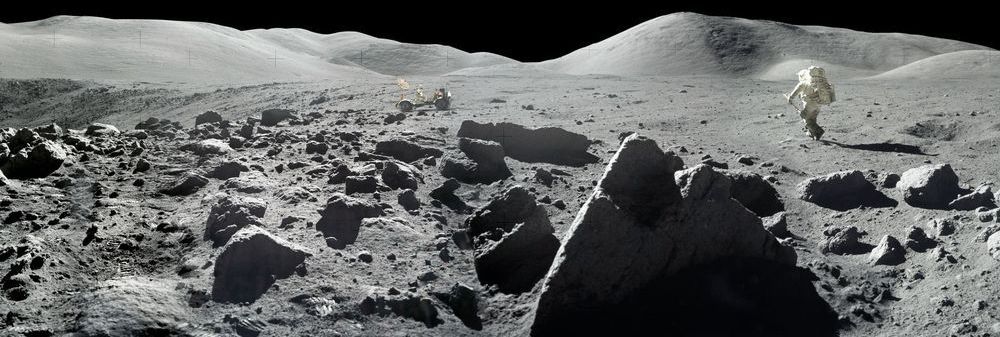
After a thunderous launch on a Saturn V rocket, a three day journey through the unforgiving environment of space and a daring descent in the Lunar Module, you’re here: standing on the Moon. Look around and take in the sights of the surface, just as Apollo 17 astronauts Eugene Cernan and Harrison Schmitt saw it almost 5 decades ago. #Apollo50th
NASA imagery experts at NASA’s Johnson Space Center have “stitched together” images from the Apollo landing sites on the Moon for a 50th anniversary reminder of what the 12 humans who walked on its surface experience visually.
Individual images taken by the Apollo astronauts were pulled together by NASA imagery specialist Warren Harold at Johnson, and the accuracy of the unique perspective they represent was verified by Apollo 17 astronaut Harrison “Jack” Schmitt, the only geologist to walk on the Moon.
“The Valley of Taurus-Littrow on the Moon presents a view that is one of the more spectacular natural scenes in the Solar System,” Schmitt said about the images stitched together from his Moon base Station 5 at the Taurus-Littrow landing site.
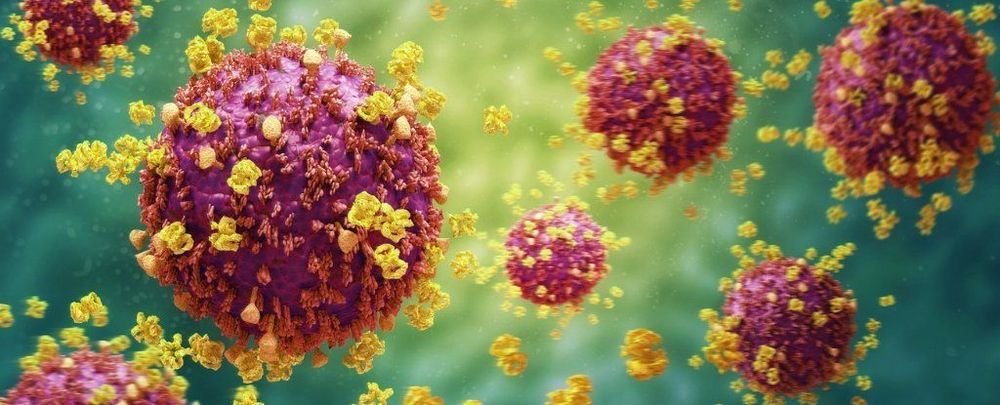
A team at Flinders University in South Australia has developed a new vaccine believed to be the first human drug in the world to be completely designed by artificial intelligence (AI).
While drugs have been designed using computers before, this vaccine went one step further being independently created by an AI program called SAM (Search Algorithm for Ligands).
Flinders University Professor Nikolai Petrovsky who led the development told Business Insider Australia its name is derived from what it was tasked to do: search the universe for all conceivable compounds to find a good human drug (also called a ligand).
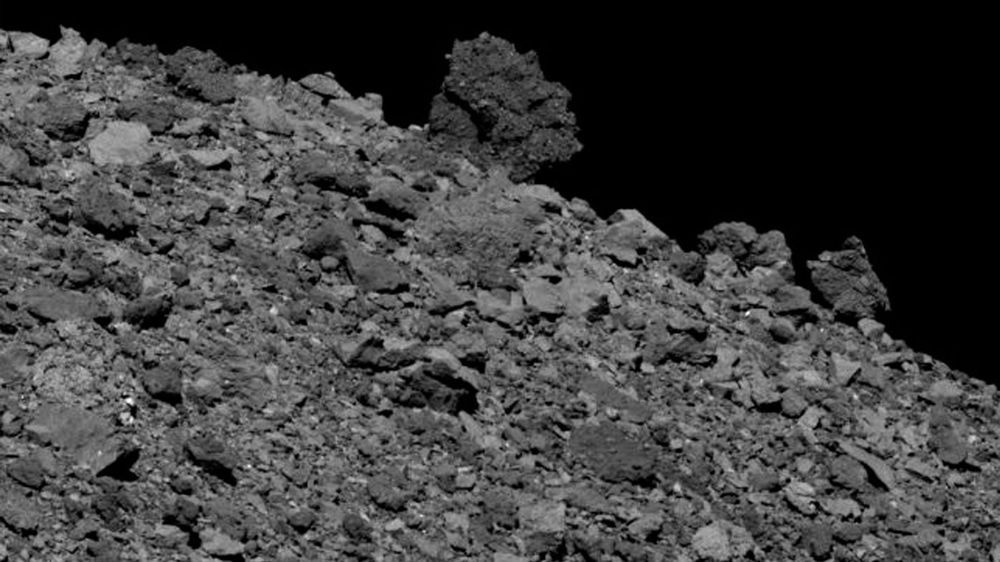
In the dark and lonely place that is space, NASA’s OSIRIS-REx mission has managed to reach a new level of proximity as it studies an asteroid.
After a manoeuvre, the spacecraft in NASA’s asteroid study mission is orbiting closer to a planetary body than any spacecraft has ever come, the space agency said.
The mission recently entered a new phase where the spacecraft will orbit about 2,231 feet above the asteroid Bennu’s surface.
The Dishwasher. The must-have kitchen appliance for the time-conscious and lazy home-occupiers alike. However, justifying the loss of valuable space and the increase in water-bill that comes with them is sometimes a little tricky… especially when you live in a place that is on the smaller side! This was the motive that led to the creation of Toasher, the portable dishwasher for limited living spaces.
Toasher utilizes a method of interaction that has been lifted from another kitchen appliance, the toaster. The dirty items are lowered into the stainless steel tank, where an ultrasonic transducer agitates the dirt and separates it from the dishes. Add-ons elevate Toasher’s functionality even further; with the modular peg-board that can be attached to the rear of the unit, to expanding the amount of storage that it can hold and allowing it to be used as an item of furniture as well as just a kitchen appliance!
Designer: Lin Shuo De
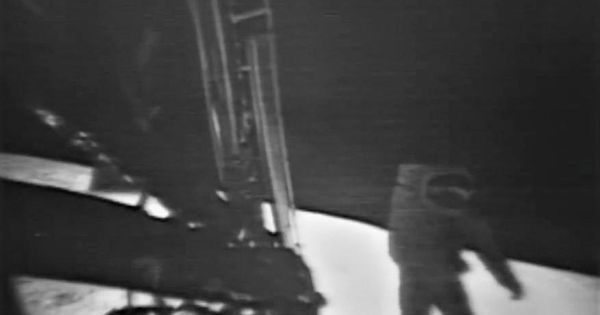
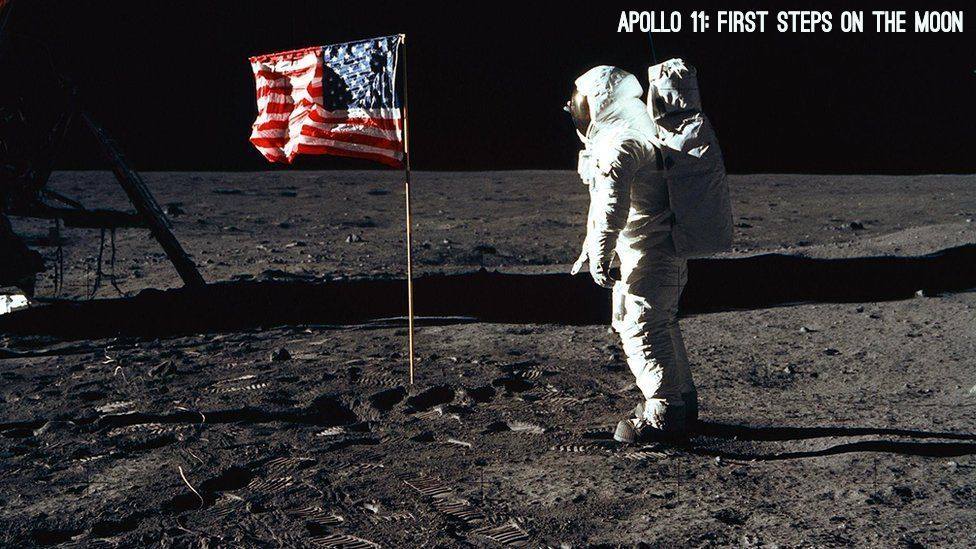
To celebrate the 50th anniversary of man landing on the moon. Check out this rare documentary Apollo 11: First Steps on the Moon.
Featuring interviews with the astronauts and NASA officials. See why it was “one small step for a man, one giant leap for mankind.” Streaming now & free http://bit.ly/Apollo11Doco #apollo11
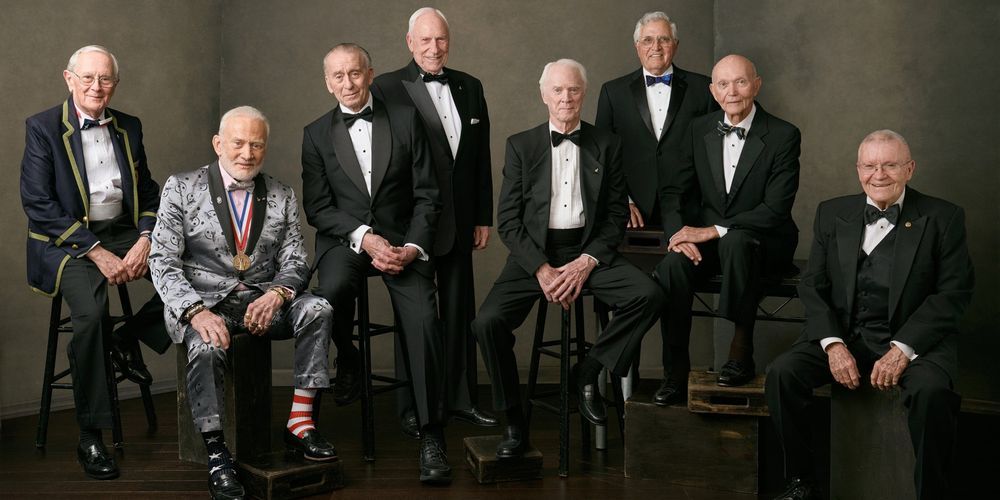
A few months ago, ahead of the 50th anniversary of the first moon landing, eight of the 17 surviving Apollo astronauts gathered together for an early celebration at The Explorers Club in New York City.
The group was: Walter Cunningham (Apollo 7), Rusty Schweickart (Apollo 9), Buzz Aldrin and Michael Collins (Apollo 11), Fred Haise (Apollo 13), Al Worden (Apollo 15), Charlie Duke (Apollo 16), and Harrison Schmitt (Apollo 17).