Category: sustainability – Page 640
Elon Musk Called Nanotechnology BS
In case you missed it, Elon Musk called BS on the field of nanotechnology last week. The ensuing Twitter spat was admittedly rather small on the grand scale of things.
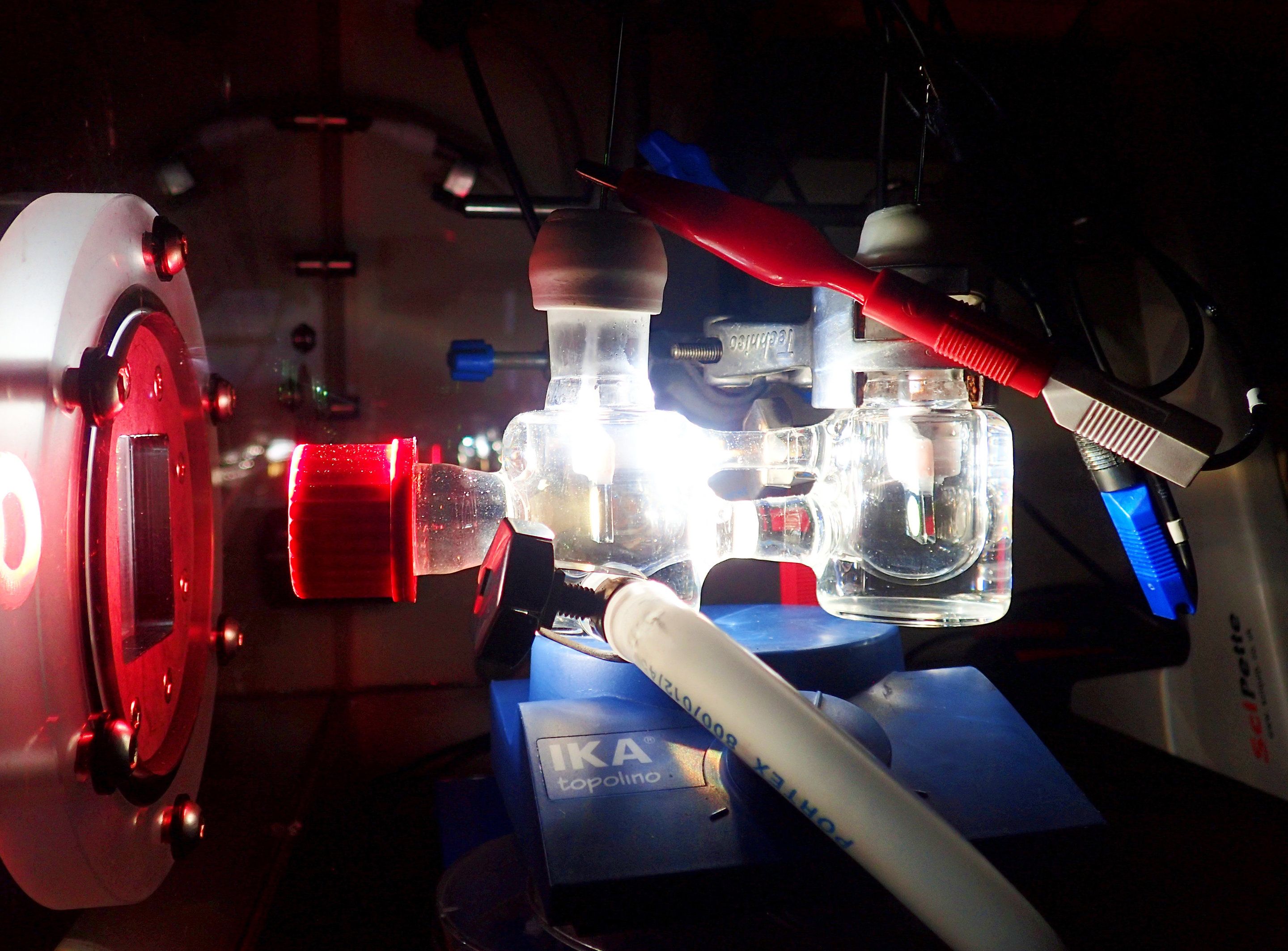
But it did throw up an important question: just what is nanotech, and where does the BS end and the science begin?
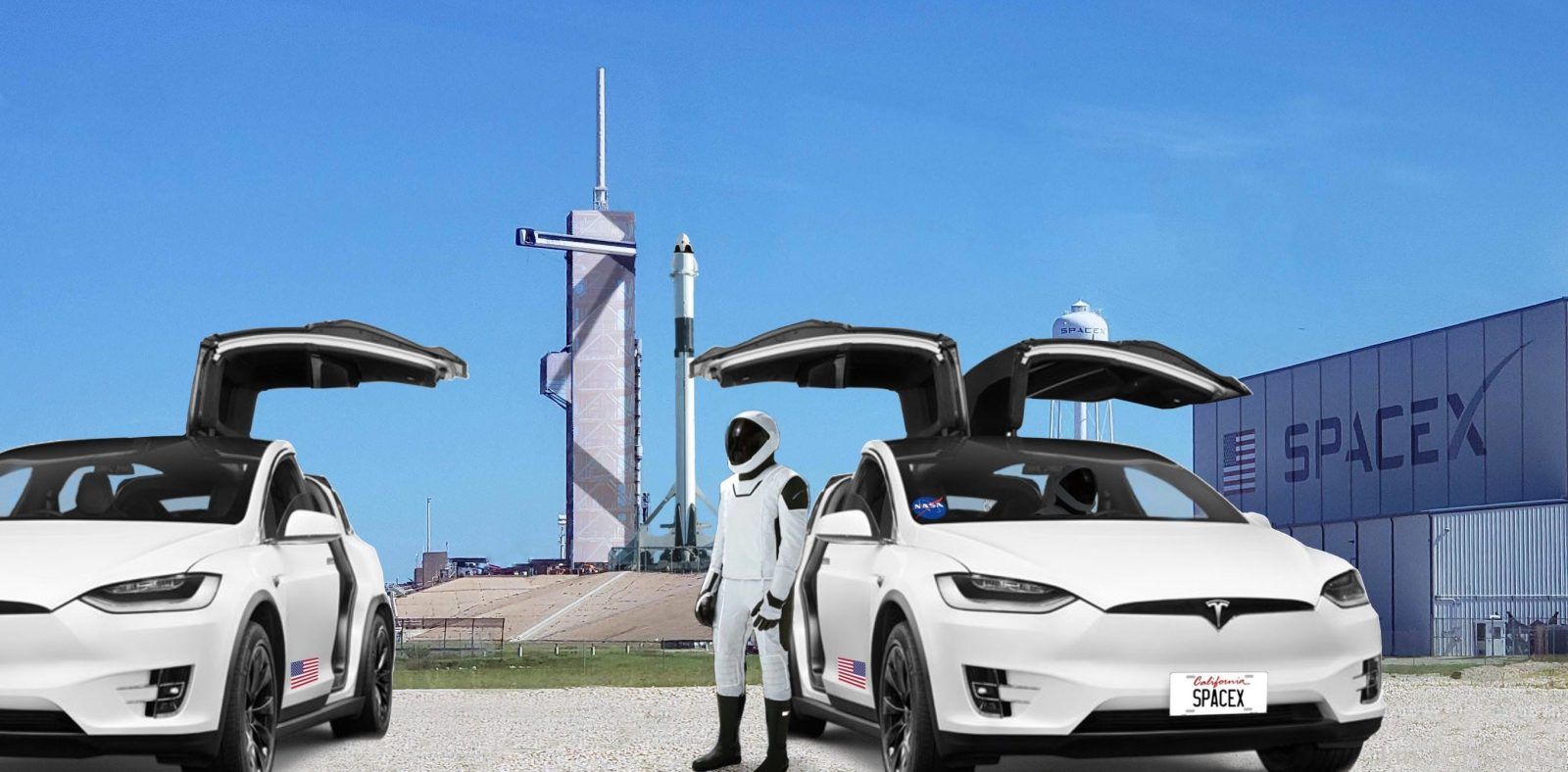
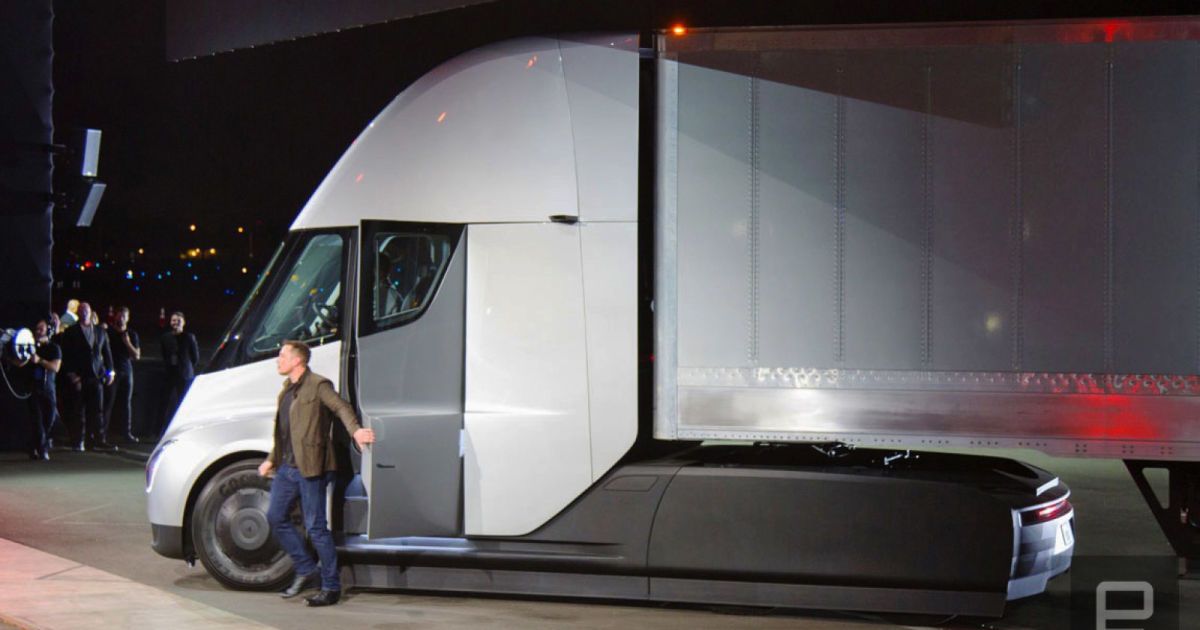
I have a sneaky suspicion that Musk was trolling with his initial nano-comment. After all, much of the tech in his cars, solar cells and rockets relies on nanoscale science and engineering.
Microbes in Space: Bioengineered Bugs Could Help Colonize New Planets
As humans spread out into the cosmos in search of life, the most alien organisms we encounter may be those we bring with us. Researchers at NASA and elsewhere are engineering microbes so they can carry out many of the functions needed to support human life off-planet.
Humans have been harnessing microbes to do useful work for us for millennia. We’ve used them to make bread, beer, and cheese, and more recently they’ve been put to work to produce medicine, provide fertilizer for crops, and even generate biofuels.
But the emerging field of synthetic biology holds the promise of greatly expanding the things microbes can do for us. Advances in gene editing technology are allowing scientist to re – engineer microbes’ genomes to carry out entirely novel functions like producing chemicals not found in nature, acting as biosensors, and even carrying out computation.
Solar-Powered Robot Pulls Weeds Autonomously
This weed-pulling robot is cheaper and better for the environment.
Bowery Farming is putting an urban twist on agriculture
This high-tech farm is growing crops in an entirely new way. 🌱.
The EU Is Planning a Ban on Single-Use Plastic Products
The European Commission is proposing a ban on around 10 single-use plastic items that it says account for approximately 70 percent of all garbage in the European Union’s waters and beaches, including cutlery, straws, cotton buds, plates, some coffee cups, and stirrers, CNN Money reported on Monday.
According to CNN’s report, it’s part of a broader plan to shift the European economy away from single-use products that end up going straight into the garbage or the street:
The legislation is not just about banning plastic products. It also wants to make plastic producers bear the cost of waste management and cleanup efforts, and it proposes that EU states must collect 90% of single-use plastic bottles by 2025 through new recycling programs.
Urban food from vertical farming
Your local supermarket and favourite restaurant could soon be growing their own food, thanks to an EU-funded project that has completely redesigned the food supply chain to develop the concept of in-store farming.
Our busy, modern lives demand that fresh produce be available 365 days a year, even though some varieties may only be seasonal and/or produced on the other side of the world. The result is a food system centred on quantity, low prices and efficiency rather than on quality, sustainability and traceability.
The EU-funded INFARM (The vertical farming revolution, urban Farming as a Service) project reflects a growing desire for highly nutritious locally grown food, which is free of herbicides and pesticides and addresses the lack of accountability in the current food system. “By growing produce directly where people eat and live, we can cut out the lengthy supply chain, significantly reduce food waste, offer nutrient-dense food without any chemical pesticides and improve the environmental ‘foodprint’ of our plants,” says the INFARM’s Chief Technical Officer and co-founder, Guy Galonska.
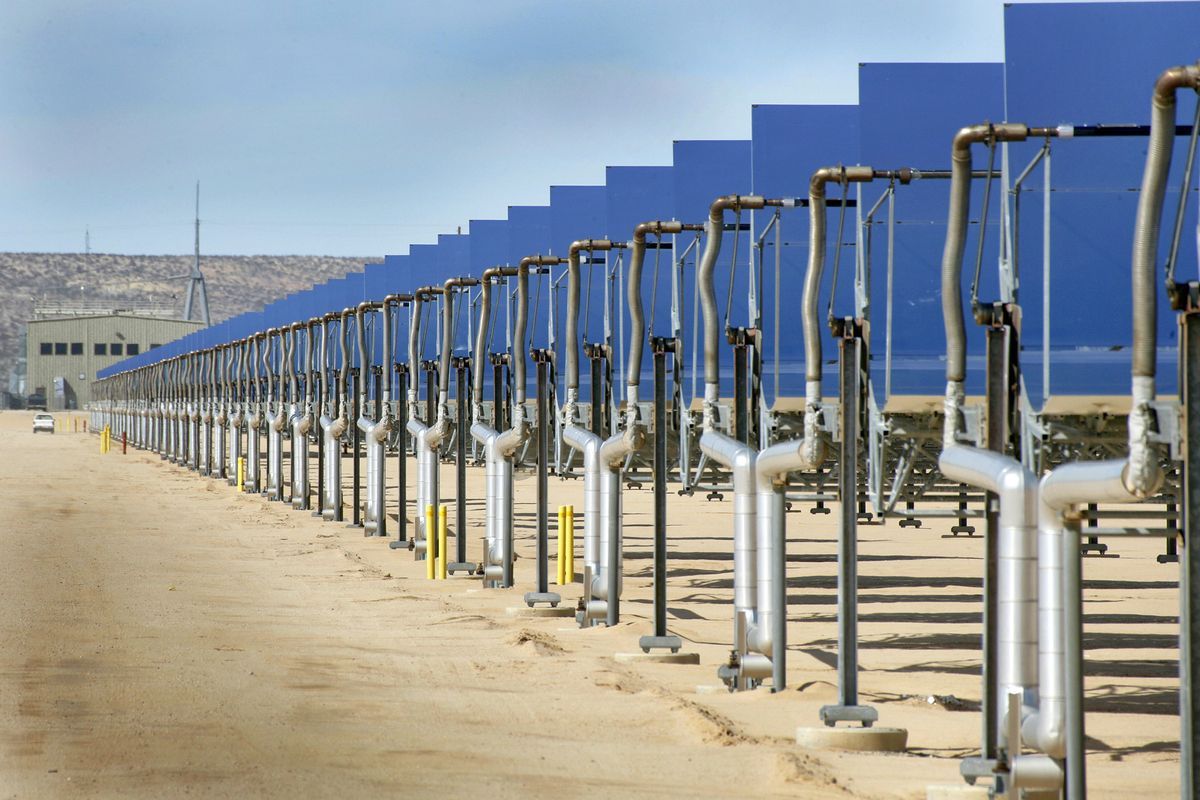
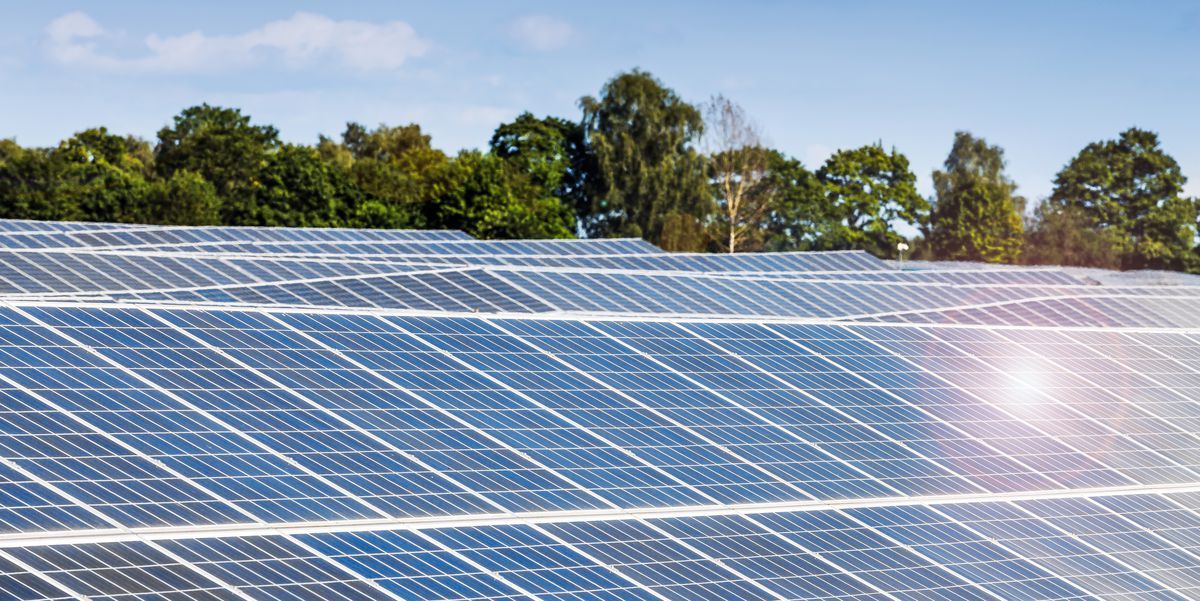
Single-system solar tech cuts clean energy costs in half
Generating power from the sun isn’t the problem. The technology has been there for decades. Storing that power efficiently, however, has been a challenge.
That’s why the Department of Energy has awarded $3 million to engineering researchers at The University of Texas at Austin to overcome the Achilles’ heel of the solar power story since Day One: how to store its energy.
To date, most major solar energy systems are bulky and expensive, with inefficient storage capacity. Energy coming from existing solar power systems must be housed in storage systems outside of the generators that create the power. In other words, two separate systems are required to ensure successful operation.