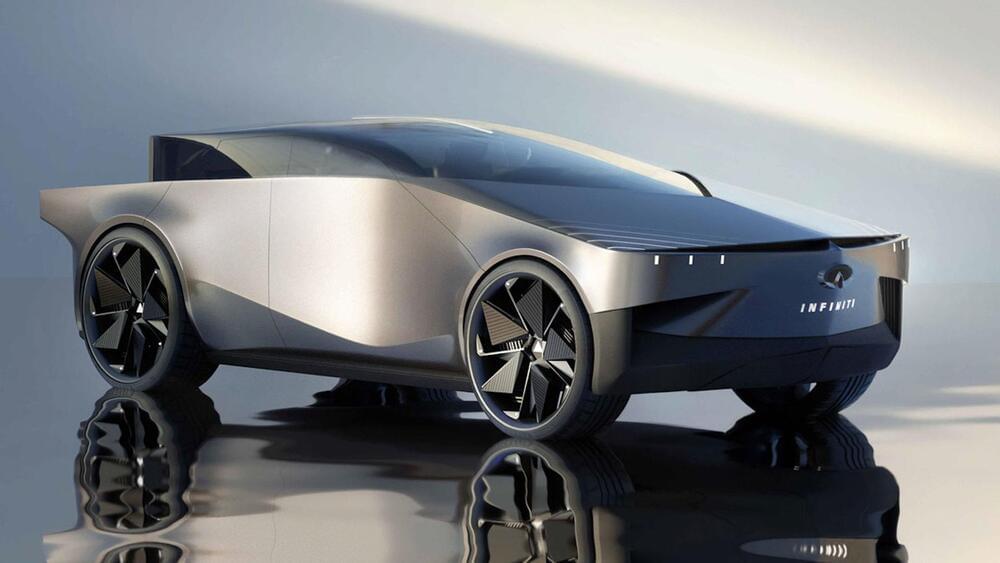
A designer revealed an Infiniti-inspired QX90, a concept car that looks oddly similar to the Tesla Cybertruck with a few key differences.
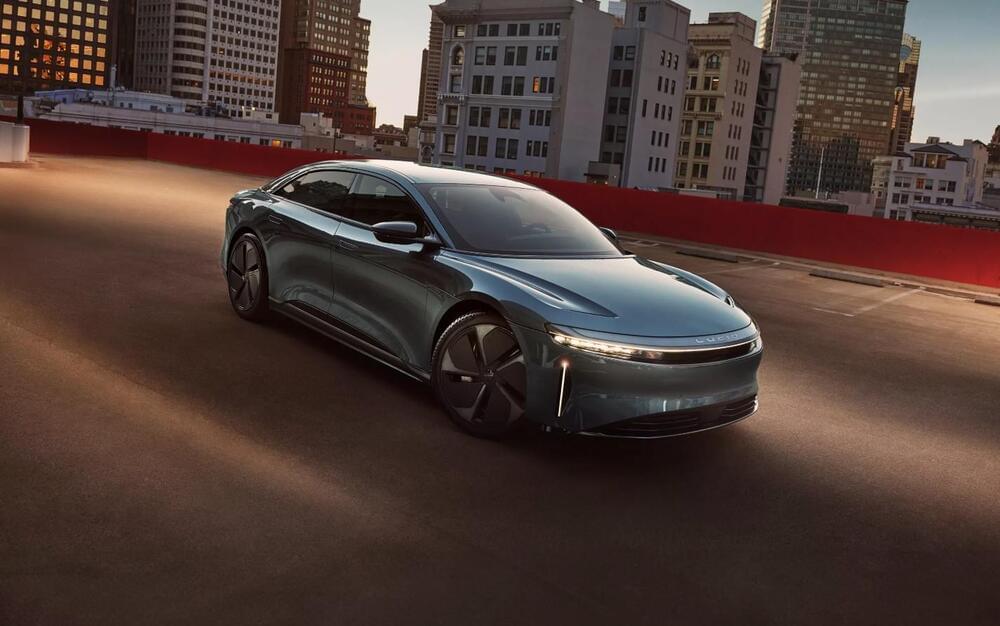
Lucid has cut prices on the Air electric vehicle lineup by as much as $8,000 in an attempt to surge demand.
The Lucid Air Pure Rear-Wheel-Drive is now priced at $69,900. The most affordable and accessible trim of the Air features a sleek interior and exterior design and a driving range of up to 410 miles. It was previously priced at $77,400.
The Lucid Air Touring is now priced at $77,900 and features an All-Wheel-Drive powertrain that produces 620 horsepower. It was previously $85,900.

We explore large-scale training of generative models on video data. Specifically, we train text-conditional diffusion models jointly on videos and images of variable durations, resolutions and aspect ratios. We leverage a transformer architecture that operates on spacetime patches of video and image latent codes. Our largest model, Sora, is capable of generating a minute of high fidelity video. Our results suggest that scaling video generation models is a promising path towards building general purpose simulators of the physical world.
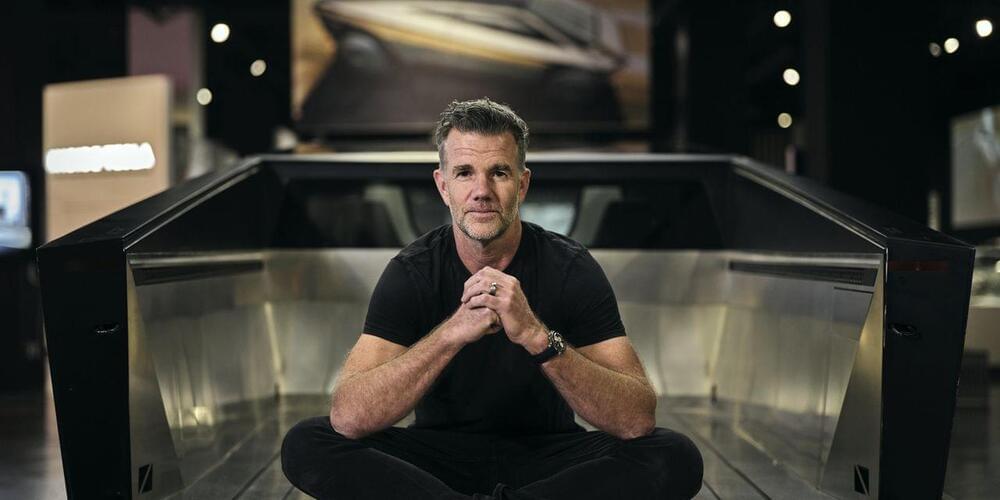
Tesla Chief Executive Elon Musk told his top designer he wanted to make an electric pickup that would have good driving dynamics and a covered bed—and “feel like the future.”
It was up to Franz von Holzhausen to decipher what his boss meant.
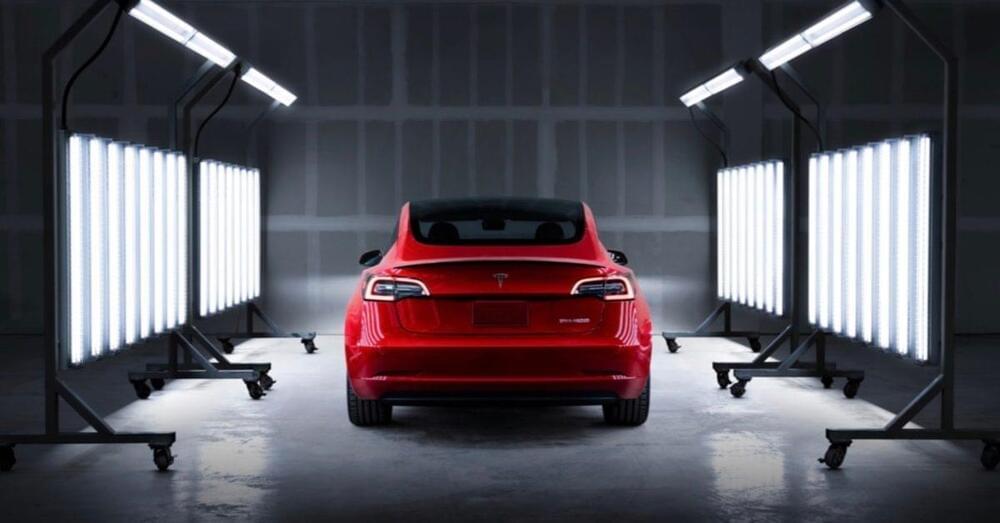
Tesla is now starting to account for “battery age” in its estimated range calculation for its electric vehicles.
I have long been advocating for prioritizing accurate range prediction over a longer range in curbing range anxiety.
Don’t get me wrong, a longer range can be useful, but if you know what where you are going, the main thing is that you know you can get there and your range doesn’t start dropping faster than anticipated.

Gotham City’s Dark Knight boasts an impressive collection of technological marvels, but the superhero scientists at the U.S. Department of Energy’s (DOE’s) National Renewable Energy Laboratory (NREL) have cutting-edge capabilities of their own.
A recent battery manufacturing project—affectionately called BatMan —has developed a novel laser patterning process to alter the microstructure of battery electrode materials. Funded by DOE’s Advanced Materials and Manufacturing Technologies Office, this project brings together expert minds from NREL, Clarios, Amplitude Laser Group, and Liminal Insights. This revolutionized manufacturing process could unlock significant improvements to electrified transportation, leading the charge toward a brighter and more sustainable future.
“BatMan builds on NREL’s expertise using laser ablation, advanced computational models, and materials characterization to address key challenges in battery manufacturing,” said Bertrand Tremolet de Villers, project co-lead and senior scientist in NREL’s Thin Film and Manufacturing Sciences group. “This new, high-throughput laser patterning process—demonstrated at scale with state-of-the-art roll-to-roll manufacturing techniques—uses laser pulses to quickly and precisely modify and optimize electrode structures, offering a massive leap in battery capabilities with minimal added manufacturing cost.”
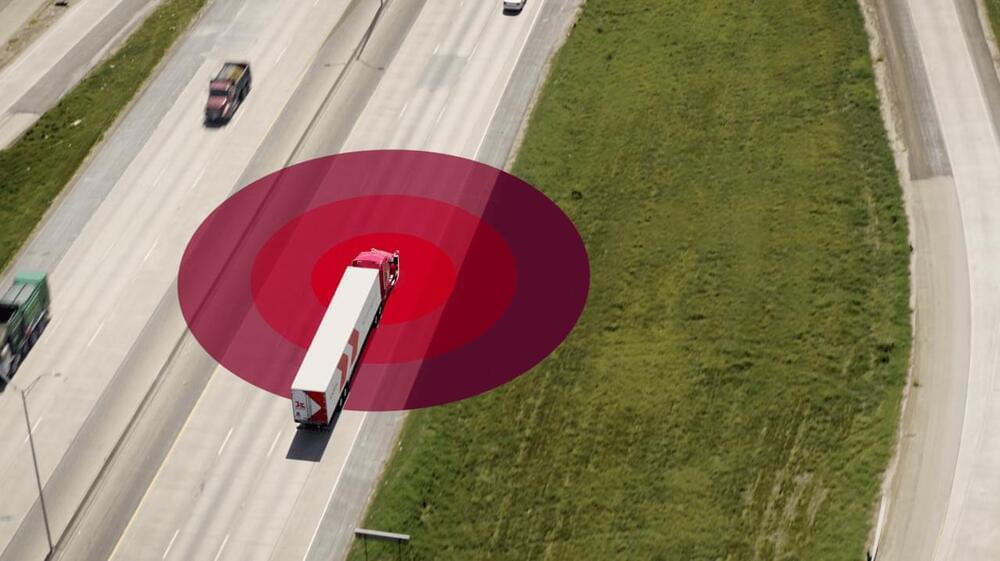
Independent of the smart-corridor project, two major companies behind self-driving big rig technology told KXAN they plan to remove safety drivers and go completely driverless by the end of the year.
A spokesperson for the California-based company Kodiak Robotics told KXAN it started operating self-driving big rigs on routes around Texas in 2019, always with backup safety drivers.
In that time, “the bulk of Kodiak’s deliveries have been between our Dallas operations hub and Houston, Austin, San Antonio, Oklahoma City, and Atlanta,” Kodiak spokesman Daniel Goff said.