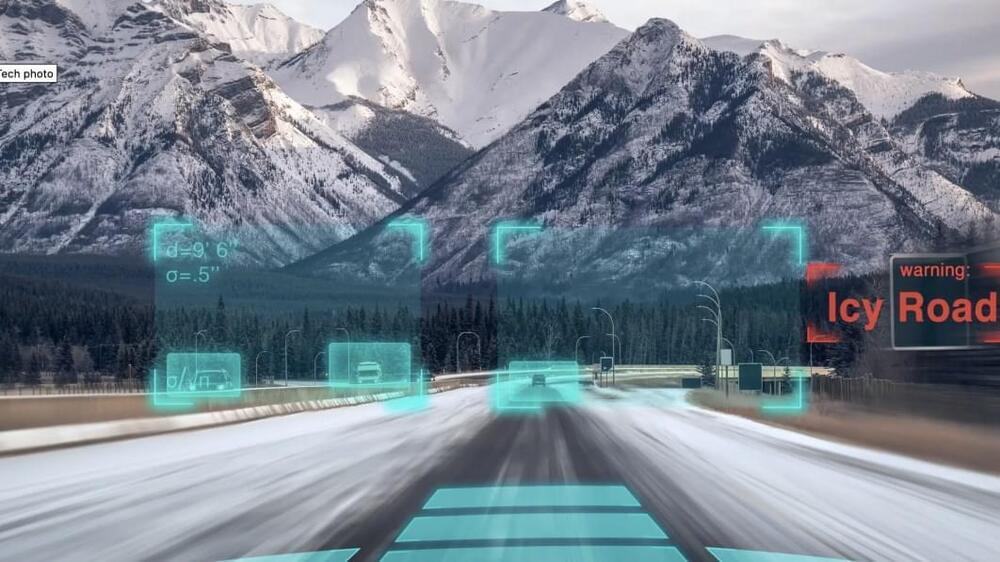
While Apple continues (or doesn’t continue) to develop its plans for a self-driving automobile, the company is proposing an advanced high-end technology for an augmented reality (AR) display system that would generate a bunch of information onto a vehicle’s windshield.
In a U.S. Patent Office filing last week, Apple described a graphical overlay on the glass in front of the driver that would provide information about the real-time environment as well as data about objects in the distance — humans included — along with the vehicle’s speed, suspension and other factors.
The system, which may borrow on Apple’s science being employed in its soon-to-be-released Vision Pro headsets, would rely on a variety of sensors to collect information about the surrounding environment. This could include visible light cameras, various types of infrared cameras, as well as ultrasonic and light-based scanning devices for building up a three-dimensional picture of the car’s surroundings. The patent also mentions the use of geographical positioning devices and radar devices.
Keep Your Digital Life Private: Stay Safe & Secure Online with NordVPN: https://nordvpn.com/safetyfirst. Welcome to our latest educational video, “The 9 AI Skills You Need NOW to Stay Ahead of 97% of People.” This video is designed for anyone eager to take a deep dive into the world of artificial intelligence and machine learning. Our goal is to provide you with the most essential AI skills needed to excel in this rapidly evolving field, keeping you ahead of the curve and well-positioned in the job market.
In this comprehensive guide, we explore nine fundamental AI skills, ranging from understanding algorithms to deep learning, data science, natural language processing, computer vision, robotics, and more. We also provide practical tips on how to apply these skills in real-world scenarios, whether you’re an AI enthusiast or a seasoned professional.
AI is not just the future; it’s here NOW. By acquiring these nine essential AI skills, you can position yourself among the top 3% of people who are ready to shape the future. Don’t be left behind as AI transforms industries, from healthcare and finance to entertainment and transportation.
This video is a must-watch for anyone interested in AI, machine learning, data analysis, robotics, or any related field. Whether you’re just starting out, looking to upskill, or aiming to stay ahead in your career, these nine AI skills are your key to success.
Remember to subscribe to our channel for more valuable content and hit the notification bell so you never miss an update. Join the conversation in the comments section — we’d love to hear your thoughts on AI and how you plan to incorporate these skills into your career or studies.
So get ready, click play, and let’s take a step towards the future together, learning the 9 AI skills you need NOW to stay ahead of 97% of people. Your AI journey starts here.
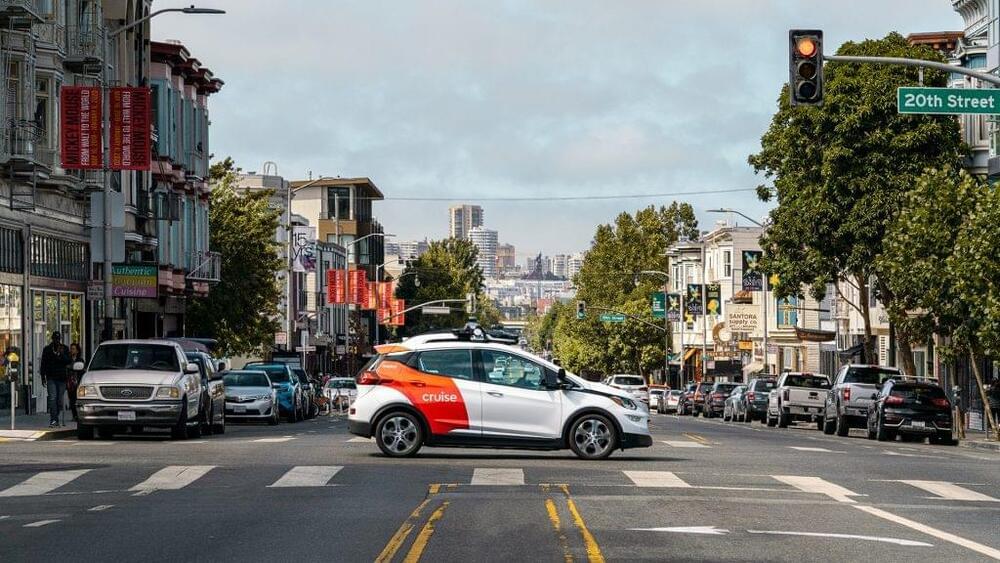
GM’s self-driving robotaxi unit, Cruise, is poised to deploy a small fleet of autonomous cars in Seattle, Washington. The initial deployment of the vehicles will reportedly include safety drivers.
Cruise’s deployment in the city will begin in sections of downtown Seattle, Capitol Hill, Queen Anne, Fremont, the University District, and West Seattle. From this, Cruise would be able to collect valuable real-world data. The robotaxi provider would be joining other self-driving units that are also operating in Seattle today, such as Zoox.
In a comment to Geek Wire, Cruise executive VP of engineering Mohamed Elshenawy noted that Seattle would be a great testing ground for the company’s self-driving robotaxis. The city, after all, features hilly areas and inclement weather conditions, which should present Cruise with some interesting edge cases and challenges.
“The compact full-frame camera promises advanced autofocus features, performance, and high-quality 4K video. Following the lead of recent Sony cameras, the a7C II also includes a dedicated artificial intelligence (AI) processing engine to drive some of its more sophisticated photo and video features, including robust subject recognition, real-time tracking, and AI-based Auto Framing.”
The Sony a7C II is available body only for $2,199.99 or in a kit with Sony’s 28-60mm zoom lens for $2,499.99. This is a $300 difference compared to the Sony a7 IV body. The Sony a7C II is available in gray and black colorways. The Sony a7C II will begin shipping this fall.
Sony a7CR: a7R V Sensor in a Compact Body.
Alongside the Sony a7C II, Sony has announced its first a7CR camera. Like the a7R series, including its most recent iteration, the Sony a7R V, the Sony a7CR offers a high-resolution image sensor, albeit in a compact package.
WEST LAFAYETTE, Ind. – Researchers at Purdue University are advancing the world of robotics and autonomy with their patent-pending method that improves on traditional machine vision and perception.
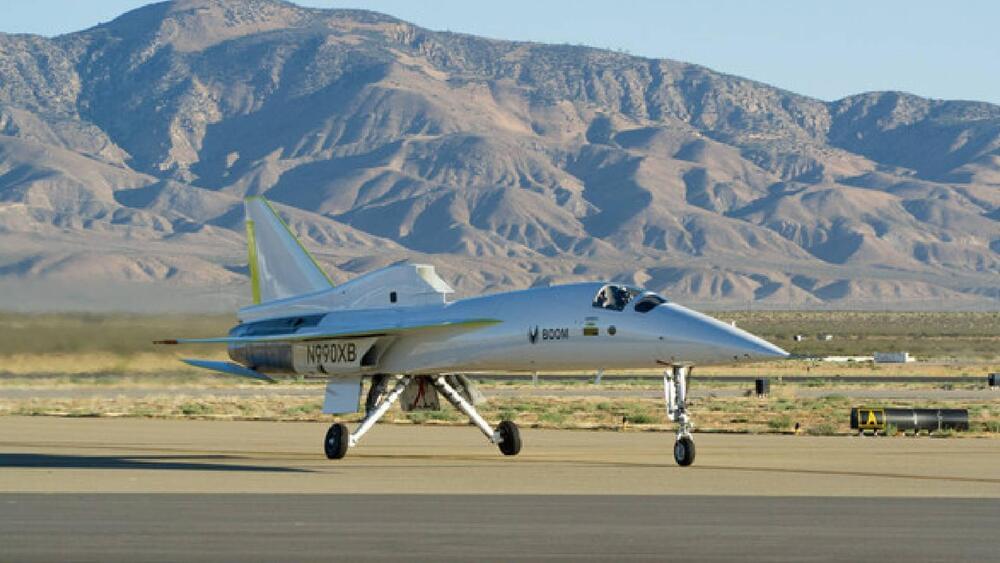
Aviation company Boom Supersonic has undertaken a gargantuan task: it is building XB-1, the world’s first independently developed supersonic jet. The new airline will support next-generation aviation technology such as “carbon fiber composites, advanced avionics, and digitally-optimized aerodynamics to enable sustainable supersonic travel.”
This is according to a press release by the firm published on Thursday.
🔒 Keep Your Digital Life Private and Stay Safe Online: https://nordvpn.com/safetyfirst. Welcome to our channel! In this exciting video, we delve into the fascinating realm of artificial intelligence (AI) and explore the question that has intrigued tech enthusiasts and experts alike: “How powerful will AI be in 2030?” Join us as we embark on a captivating journey into the future of AI, examining the possibilities, advancements, and potential impact that await us.
In the next decade, AI is poised to revolutionize numerous industries and transform the way we live and work. As we peer into the crystal ball of technological progress, we aim to shed light on the potential power and capabilities that AI could possess by 2030. Brace yourself for mind-blowing insights and expert analysis that will leave you in awe.
We begin by exploring the current state of AI and its rapid advancements. From machine learning algorithms to neural networks and deep learning models, AI has already demonstrated exceptional prowess in various fields, including healthcare, finance, transportation, and more. By building upon these achievements, AI is set to evolve exponentially, opening doors to a future where intelligent machines collaborate seamlessly with humans.
Throughout this video, we delve into key areas where AI is expected to make significant strides by 2030. We discuss advancements in natural language processing, computer vision, robotics, and autonomous systems. Witness the potential of AI-powered virtual assistants, autonomous vehicles, medical diagnostics, and even the integration of AI in our daily lives.
To provide a comprehensive perspective, we draw insights from leading AI researchers, industry pioneers, and thought leaders who offer their expert opinions on the future trajectory of AI. Their invaluable insights help us paint a vivid picture of the exciting possibilities that await us in the next decade.
Join us on this thought-provoking journey into the future, as we ponder the ethical implications, challenges, and potential risks that arise with the growing power of AI. By understanding the trajectory of AI development, we can prepare ourselves for a future where humans and intelligent machines coexist harmoniously.