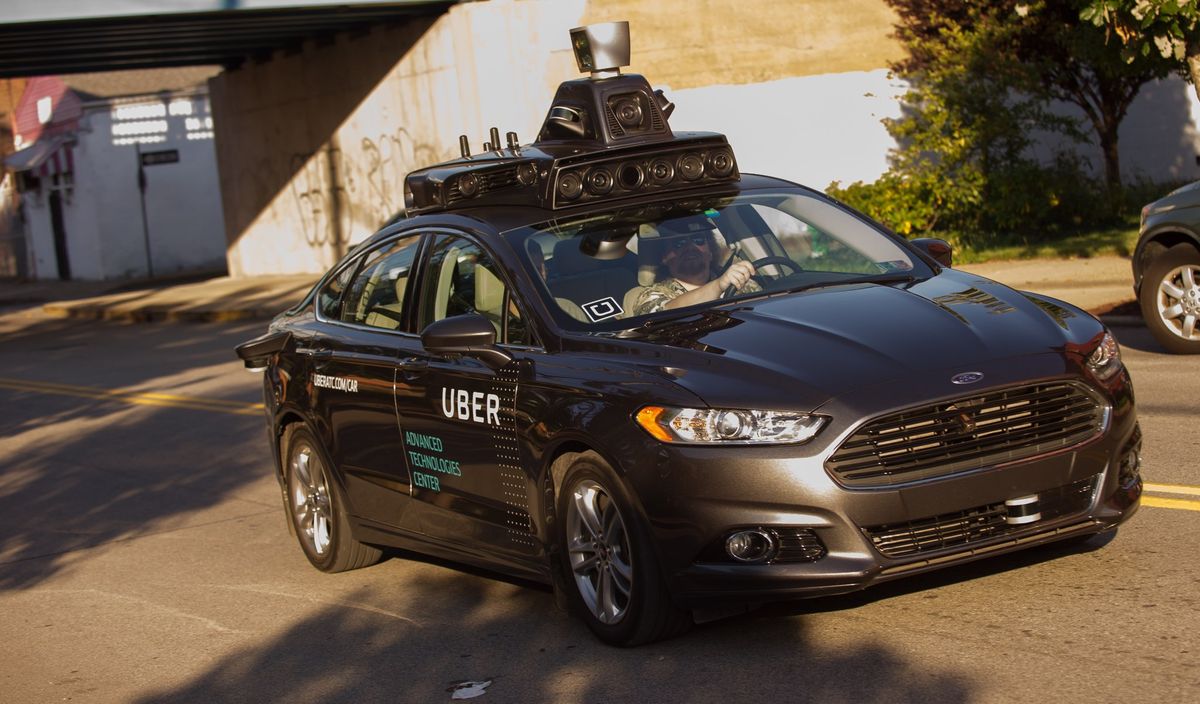
Uber Technologies Inc. is suspending its self-driving car program after one of its autonomous vehicles was involved in a high-impact crash in Tempe, Arizona, the latest incident for a company reeling from multiple crises.
Farming is about to change forever.
Safety has been a preoccupation of consumers and carmakers for the past few decades, with some companies — like Volvo — making it their key selling point.
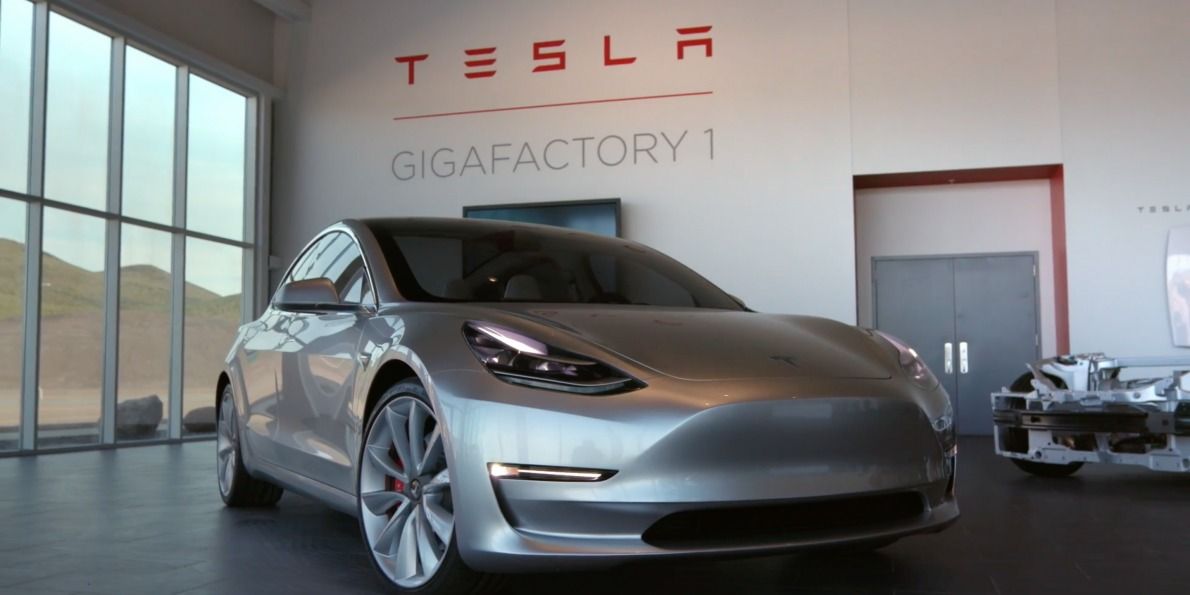
Automobiles are already far safer now than ever before, but advances in technology keep raising the bar for what consumers expect. And Morgan Stanley auto analyst Adam Jonas thinks the forthcoming Tesla Model 3, priced at $35,000 and expected to launch later this year, will lead the way in dramatic fashion.
Between 30,000 and 40,000 people are killed in car accidents every year in the US alone, so the stakes for drastically improved safety are high.
This elevating car can drive over traffic.
Who’s ready for a passenger Hyperloop capsule? http://cnnmon.ie/2mzIiaR
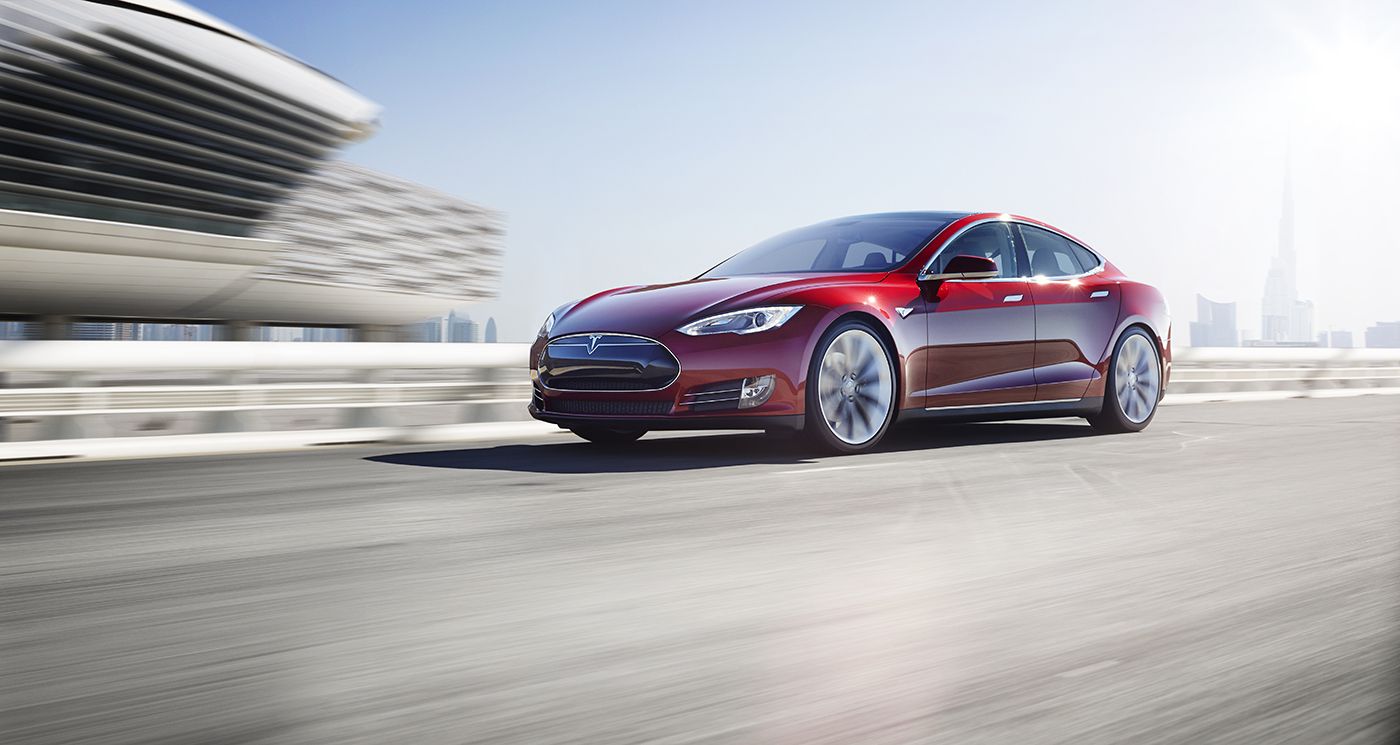
I can conceive that in saner circumstances, Tesla Model X might never have come to be. But the strongest blades are forged in the hottest fires, and for those that survive the heat, something very special is born.
Model X is special in a way that the automotive industry hasn’t been able to conceive in a very long time. It is an all-electric SUV that can seat up to seven people with bucketloads of cargo space to spare. It is a sporty all-wheel drive car that can throw instant and ungodly amounts of torque at the tarmac. It is a serene cruiser with its silent drive and breathtaking panoramic windshield. It is, in essence, an eight-eyed falcon with a supercomputer brain that dreams of a future of fully autonomous driving. And I had to have it.
As a Model S owner, I had already experienced and enjoyed more than a year of zero emissions Tesla driving. I knew what great things the car was capable of. I’d felt the thrill of instant torque, I’d fallen in love with the one-foot, regenerative braking driving experience, and I’d been chauffeured up and down the M1 by my very own Autopilot. Where the Model S presented itself as an all electric car — a subtle statement and proof of concept about a future of green but powerful motoring, Model X presented itself as a bold vision for what a car could be, if its only blueprint were imagination.
This video is audio described for the visually-impaired. The original version can be found here: https://youtu.be/uHbMt6WDhQ8
Waymo—formerly the Google self-driving car project—stands for a new way forward in mobility. In 2015, we invited Steve Mahan, former CEO of the Santa Clara Valley Blind Center, for a special ride. Steve had ridden in our cars in the past—first accompanied by a test driver in 2012 and then on a closed course in 2014. This time was different. Steve experienced the world’s first fully self-driving ride on public roads, navigating through everyday traffic with no steering wheel, no pedals, and no test driver. See highlights of Steve’s ride: https://youtu.be/ArYTxDZzQOM
We’ve been working on self-driving vehicles since 2009, and we are now an independent self-driving technology company with a mission to make it safe and easy for people and things move around. Learn more about Waymo:
Website: https://waymo.com
Blog: https://waymo.com/blog
YouTube: https://youtube.com/waymo
Facebook: https://facebook.com/waymo
Twitter: https://twitter.com/waymo
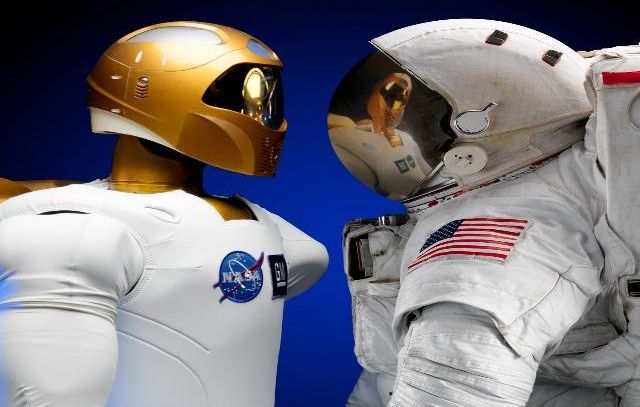
As I’m sure many in the technology industry have thought today, there should have been a way to avoid the Oscars Envelopegate. But, is artificial intelligence the answer to all of our human error problems? A recent Accenture report found that the introduction and further development of AI could boost labor productivity by 40% by 2035. It seems as if banks have already picked up on this, as was seen last year with RBS’ replacement of human employees with automated services. News announced this week also suggests that artificial intelligence will become a central part of anything a technology organisation will do in the future. Will we see the same in the financial technology sector?
The relationship between man and machine is expected to be the naissance of a type of work that could potentially double annual economic growth, according to Accenture. Chief technology officer Paul Daugherty highlighted that “AI is poised to transform business in ways we’ve not seen since the impact of computer technology in the late 20th century.” He went on to explain in the report that artificial intelligence, with the help of cloud computing and analytics, is already starting to change the way that people work.
The weekend saw the UK government announce that they are planning to launch a review into the value of robotics in the country’s aim to become world technology leader. £17.3 million would be invested into university research of AI technologies such as Apple’s Siri, Amazon’s Alexa and driverless cars, as reported by The Independent. The article also drew from the Accenture report and said that artificial intelligence could add around £654 billion to the UK economy.
It’s not practical to test drive autonomous vehicles enough to prove that they are safe, says RAND’s Nidhi Kalra. What barriers must be overcome to get self-driving cars safely on the streets? r.rand.org/3umk