Toggle light / dark theme

Get the latest international news and world events from around the world.

Log in for authorized contributors

Silicon as strategy: the hidden battleground of the new space race

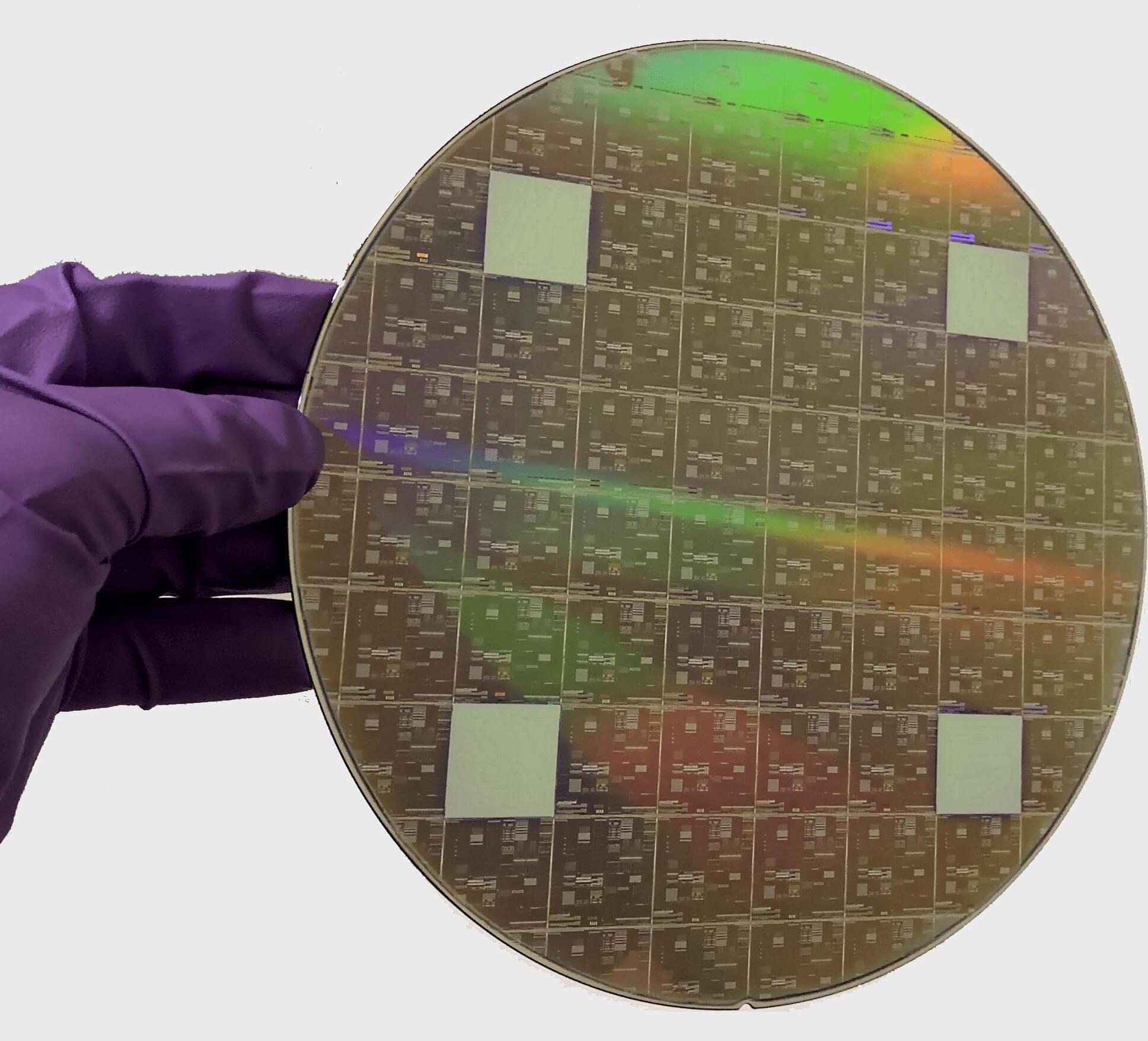
In the consumer electronics playbook, custom silicon is the final step in the marathon: you use off-the-shelf components to prove a product, achieve mass scale and only then invest in proprietary chips to create differentiation, improve operations, and optimize margins.

In the modern satellite communications (SATCOM) ecosystem, this script has been flipped. For the industry’s frontrunners, custom silicon is the starting line where the bets are high, and the rewards are even higher, not a late-stage luxury. Building custom silicon is just a small piece of the big project when it comes to launching a satellite constellation and the fact there are very limited off the shelf options.

The shift toward custom silicon is no longer a theoretical debate; it is a proven competitive requirement. To monetize the massive capital expenditure of a constellation, market leaders are already driving aggressive custom silicon programs for beamformers and modems from the very beginning. The consensus is clear: while commercial off-the-shelf (COTS) and field-programmable gate arrays (FPGAs) served as useful stopgaps, they have become a strategic liability that compromises price and power efficiency. If the industry is to scale to the mass market, operators must commit to bespoke silicon programs now — or risk being permanently priced out of the sky by competitors who have already optimized their hardware for the unit economics of space.


Microsoft rolls out native Sysmon monitoring in Windows 11

Microsoft has started rolling out built-in Sysmon functionality to some Windows 11 systems enrolled in the Windows Insider program.

Microsoft first revealed plans to integrate Sysmon natively into Windows 11 and Windows Server in November, when it also confirmed that it will soon release detailed documentation.

Sysmon (short for System Monitor) is a free Microsoft Sysinternals tool (and a Windows system service and device driver) that monitors for and blocks malicious/suspicious activity, logging it to the Windows Event Log.

Critical n8n flaws disclosed along with public exploits

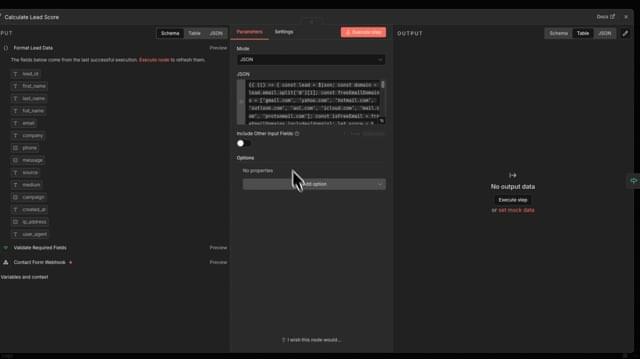
Multiple critical vulnerabilities in the popular n8n open-source workflow automation platform allow escaping the confines of the environment and taking complete control of the host server.

Collectively tracked as CVE-2026–25049, the issues can be exploited by any authenticated user who can create or edit workflows on the platform to perform unrestricted remote code execution on the n8n server.

Researchers at several cybersecurity companies reported the problems, which stem from n8n’s sanitization mechanism and bypass the patch for CVE-2025–68613, another critical flaw addressed on December 20.

CISA warns of five-year-old GitLab flaw exploited in attacks

The U.S. Cybersecurity and Infrastructure Security Agency (CISA) ordered government agencies to patch their systems against a five-year-old GitLab vulnerability that is actively being exploited in attacks.

GitLab patched this server-side request forgery (SSRF) flaw (tracked as CVE-2021–39935) in December 2021, saying it could allow unauthenticated attackers with no privileges to access the CI Lint API, which is used to simulate pipelines and validate CI/CD configurations.

“When user registration is limited, external users that aren’t developers shouldn’t have access to the CI Lint API,” the company said at the time.

/* */