Toggle light / dark theme

Beneficial genetic changes observed in regular blood donors

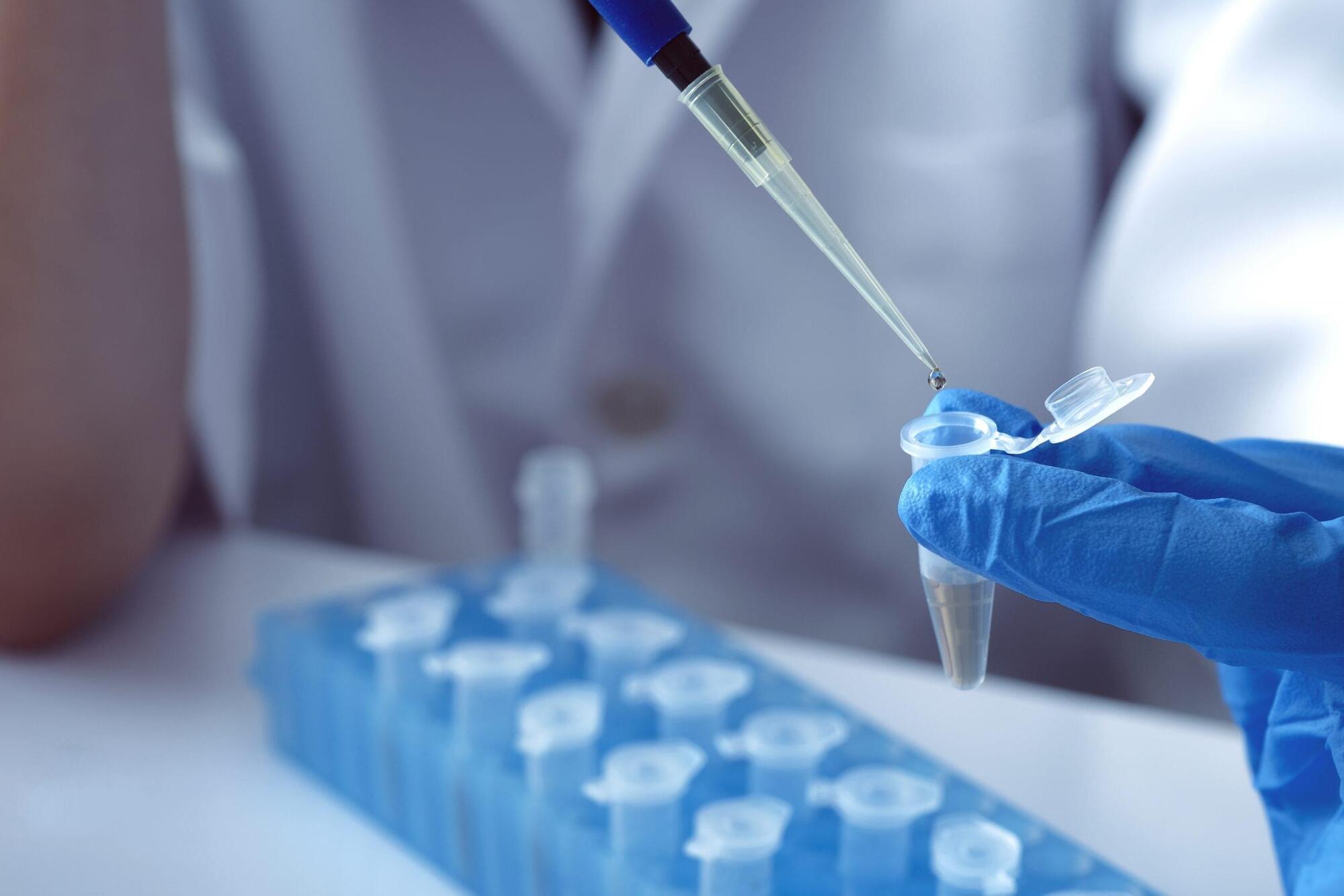
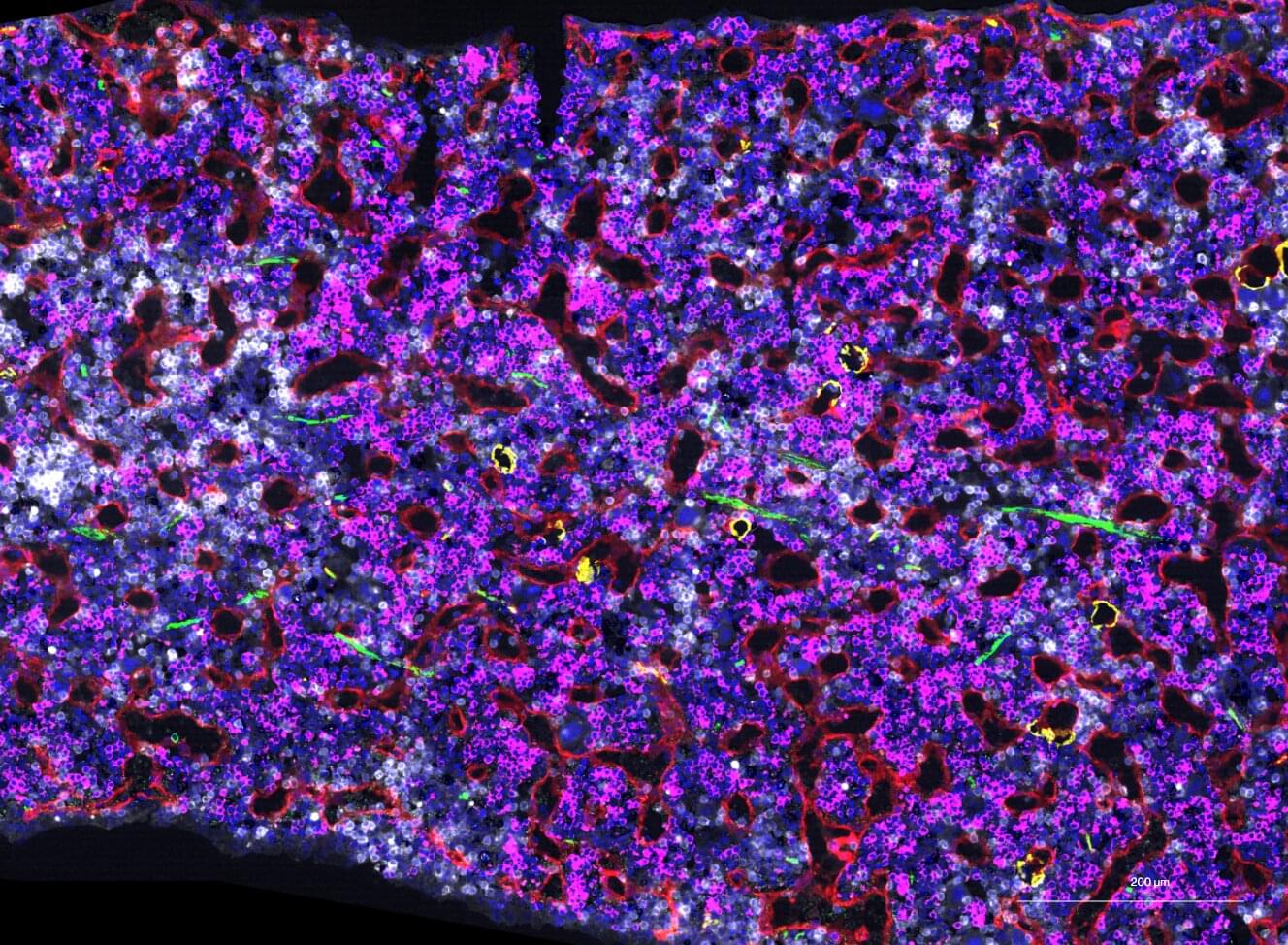
Researchers at the Francis Crick Institute have identified genetic changes in blood stem cells from frequent blood donors that support the production of new, non-cancerous cells.

Understanding the differences in the mutations that accumulate in our as we age is important to understand how and why blood cancers develop and hopefully how to intervene before the onset of clinical symptoms.

As we age, stem cells in the bone marrow naturally accumulate mutations and with this, we see the emergence of clones, which are groups of blood cells that have a slightly different genetic makeup. Sometimes, specific clones can lead to like leukemia.

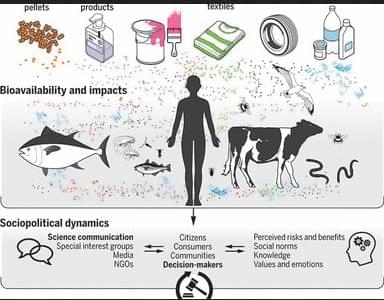
Twenty years of microplastic pollution research—what have we learned?

Twenty years after the first publication that used the term microplastic, we review current understanding, refine definitions, and consider future prospects. Microplastics arise from multiple sources, including tires, textiles, cosmetics, paint, and the fragmentation of larger items. They are widely distributed throughout the natural environment, with evidence of harm at multiple levels of biological organization. They are pervasive in food and drink and have been detected throughout the human body, with emerging evidence of negative effects. Environmental contamination could double by 2040, and wide-scale harm has been predicted. Public concern is increasing, and diverse measures to address microplastic pollution are being considered in international negotiations.

When Fighting Cancer From Space, Form is Function

Getting seven experiments on the International Space Station requires a really good idea. Like a brand new way to attack tumors—one that you can only make in space.

Space has unique advantages for making medicines. Its very low gravity makes it possible to grow molecules in shapes and uniformity that are difficult to create on Earth. If they can be reliably and affordably produced, such molecules could have all kinds of novel uses in industry and medicine.

University of Connecticut engineer Yupeng Chen has been growing one such unusually rod-shaped nanoparticle, called a Janus base nanotube, on the International Space Station (ISS). The success of Chen’s last five experiments has led to this latest $1.9 million award from the Center for Advancement of Science in Space and NASA’s Division of Biological and Physical Sciences. With it, Chen and his colleagues will use the space station’s unique environment to grow pharmaceuticals whose shape is their secret weapon.#


Experiments aboard the International Space Station may offer promising advancements in fighting cancer.

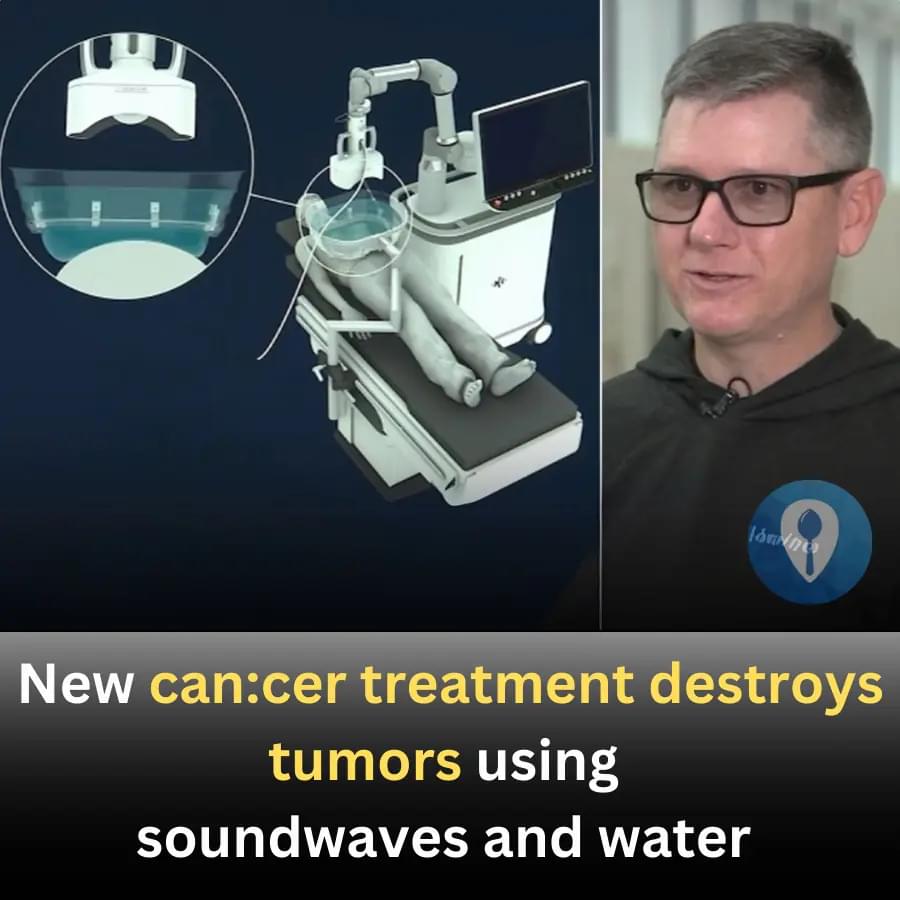
New can: cer treatment destroys tumors using soundwaves and water

Below is an overview of a developing cancer treatment that relies on highly focused sound waves in a liquid medium (often the body’s own fluids) to non-invasively destroy tumors. Though the technology is still in various stages of research and clinical trials, it shows promise as a potential alternative or complement to surgery, radiation, or traditional chemotherapy.

1. What Is This Technology?

A primary example of a soundwave-based treatment that uses water or fluid in the body is called histotripsy (or, more broadly, high-intensity focused ultrasound—HIFU). Histotripsy is an emerging therapy that directs ultra-short, high-intensity ultrasound pulses at a targeted area, causing microscopic, rapid changes in tissue pressure.

In the body, psilocybin becomes psilocin, which can increase nerve cell communication even in a single dose

A recent study by the Hector Institute for Translational Brain Research (HITBR) at the Central Institute of Mental Health (CIMH) in Mannheim provides the first detailed cellular insights into how psilocin, the active ingredient in magic mushrooms, promotes the growth and networking of human nerve cells.

These findings complement clinical studies on the treatment of mental disorders and could contribute to a better understanding of the neurobiological mechanisms behind the therapeutic effect of psilocybin.

Psilocybin is the well-known in so-called magic mushrooms, which is converted in the body to psilocin—the compound that ultimately unleashes the psychoactive effect. The Mannheim research team worked directly with psilocin to investigate the neurobiological effects.

X-ray snapshot: How light bends an active substance

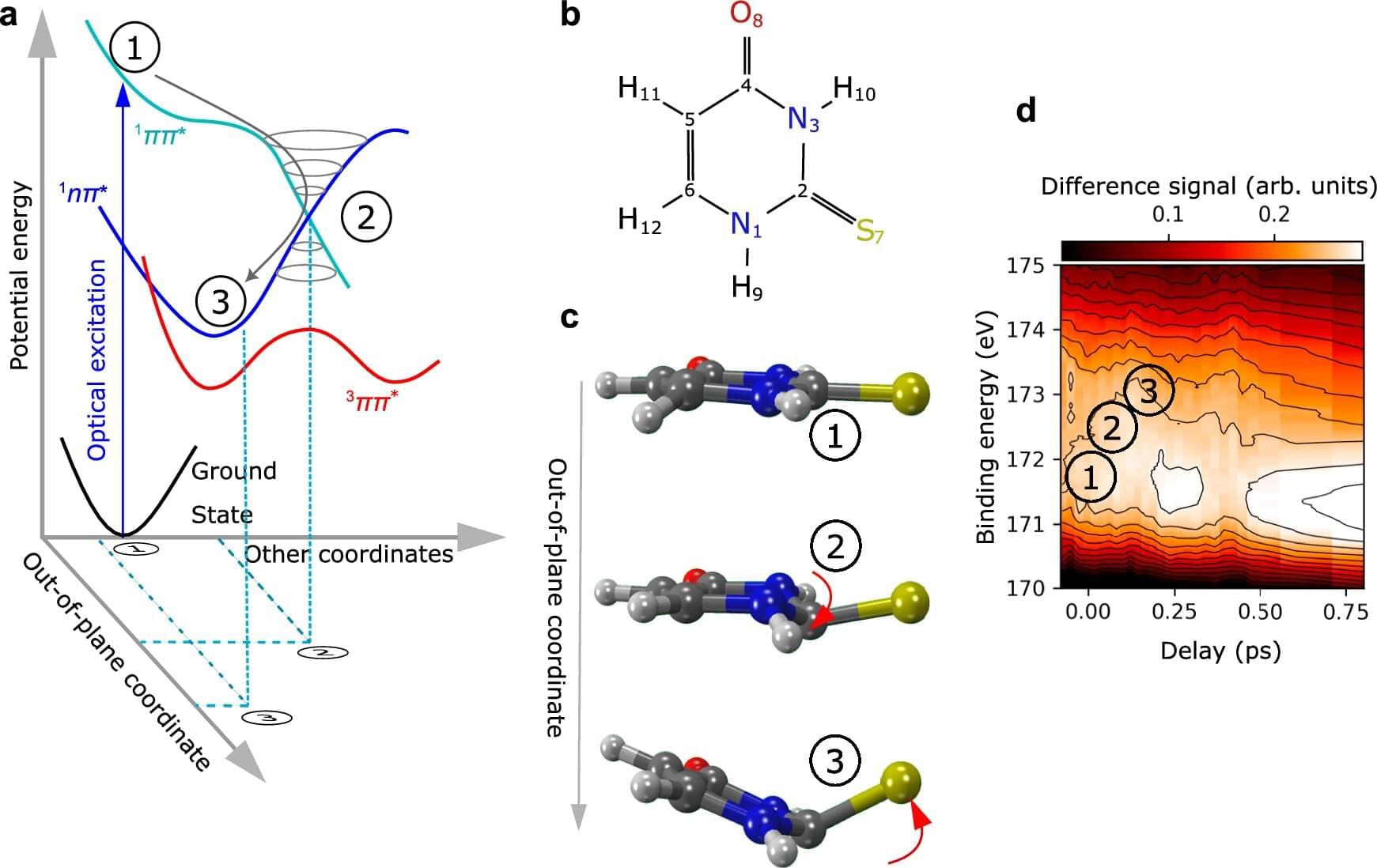
Many biologically important molecules change shape when stimulated by UV radiation. Although this property can also be found in some drugs, it is not yet well understood. Using an innovative technique, an international team involving researchers from Goethe University Frankfurt, the European XFEL in Schenefeld and the Deutschen Elektronen-Synchrotron DESY in Hamburg has elucidated this ultra-fast process, and made it visible in slow motion, with the help of X-ray light. The method opens up exciting new ways of analyzing many other molecules.

The study is published in the journal Nature Communications.

“We investigated the molecule 2-thiouracil, which belongs to a group of pharmaceutically active substances based on certain DNA building blocks, the nucleobases,” says the study’s last author Markus Gühr, the head of DESY’s free-electron laser FLASH and Professor of Chemistry at University of Hamburg. 2-thiouracil and its chemically related active substances have a sulfur atom, which gives the molecules its unusual, medically relevant properties.

A torpor-like state in mice slows blood epigenetic aging and prolongs healthspan

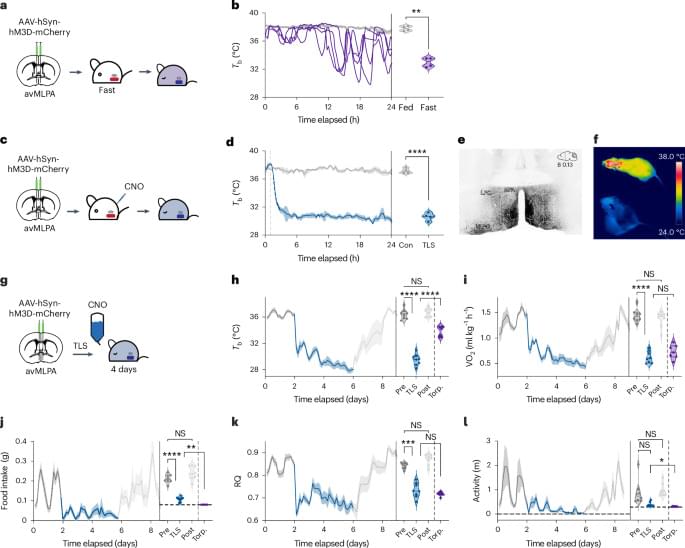
Dissecting the effects of hypothermic and hypometabolic states on aging processes, the authors show that activation of neurons in the preoptic area induces a torpor-like state in mice that slows epigenetic aging and improves healthspan. These pro-longevity effects are mediated by reduced Tb, reinforcing evidence that Tb is a key mediator of aging processes.

Cancer cells can cooperate to grow

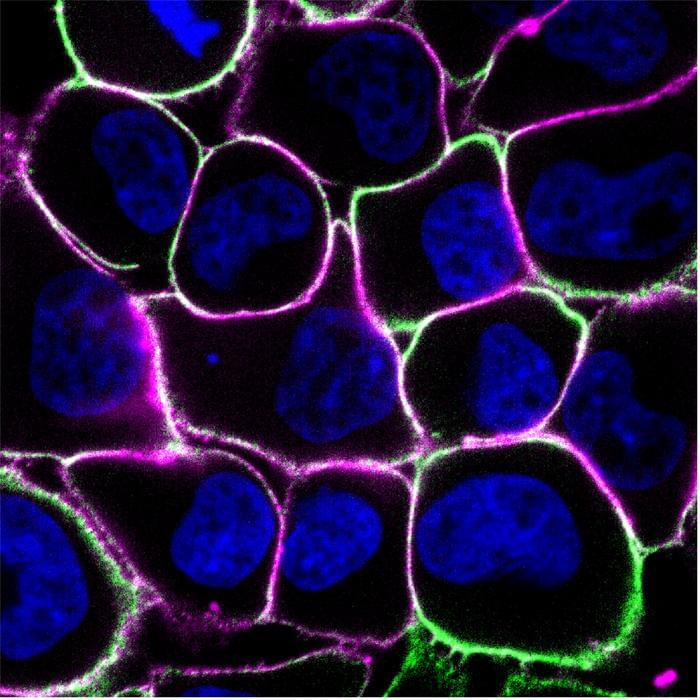
In a new study, funded in part by NIH, a team led by Dr. Carlos Carmona-Fontaine from New York University investigated a peculiar characteristic of cell growth called the Allee effect. In the Allee effect, the viability of a cell population drops below a certain cell density. This suggests the cells are somehow cooperating to survive. The study appeared on February 19, 2025, in Nature.

To look at whether cancer cells exhibit an Allee effect, the researchers grew several types of cancer cells with various restricted nutrients. They found that depriving the cells of an amino acid that the cells need to grow appeared to create an Allee effect. Only higher-density cell populations survived under these conditions. This indicated that a cooperative survival strategy had kicked in.

The team then further explored how cancer cells might be cooperating to survive in low-amino acid environments. Chains of amino acids called oligopeptides can be broken down by cells into individual amino acids. The scientists found that cancer cells released substances into their immediate environment that broke nearby oligopeptides down. Because this occurred outside the cancer cells, any cell in the immediate vicinity could use the resulting free amino acids.

Rosemary Compound Shows Promise for Alzheimer’s Disease

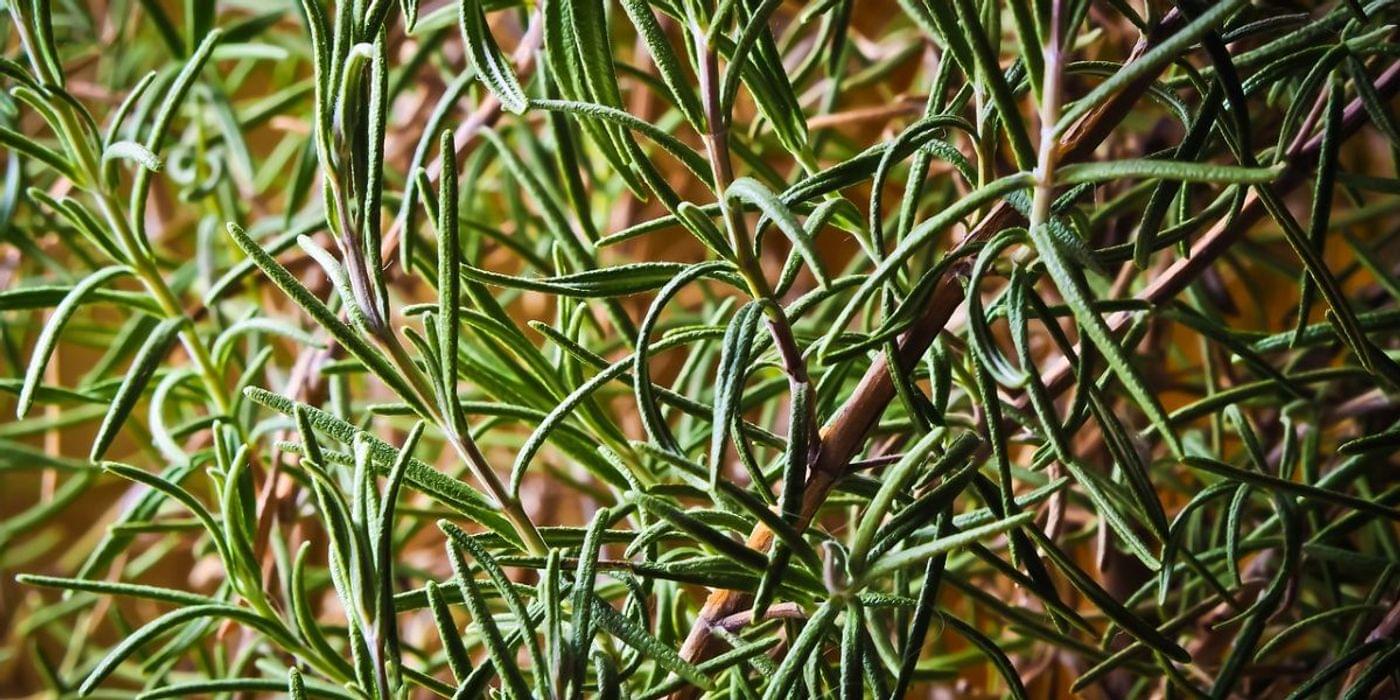
Researchers developed a stable form of carnosic acid, a compound found in rosemary and sage. The compound showed promise for improving learning and memory and reducing signs of Alzheimer’s disease in mouse models. The corresponding study was published in Antioxidants. The researchers hope to test the compound in human trials.

Carnosic acid has both antioxidant and anti-inflammatory properties. While pure carnosic acid is too unstable for medical use, the new compound developed by scientists from Scripps Research fully converts to carnosic acid in the gut before absorption into the bloodstream. They called the compound ‘diAcCA’

As a part of the study, the researchers tested the compound’s efficacy in mouse models for three months. Ultimately, the compound improved learning and memory, and reduced markers of inflammation, formation of amyloid plaques, and phosphorylated tau aggregates.

Clinical relevance of engineered cartilage maturation in a randomized multicenter trial for articular cartilage repair

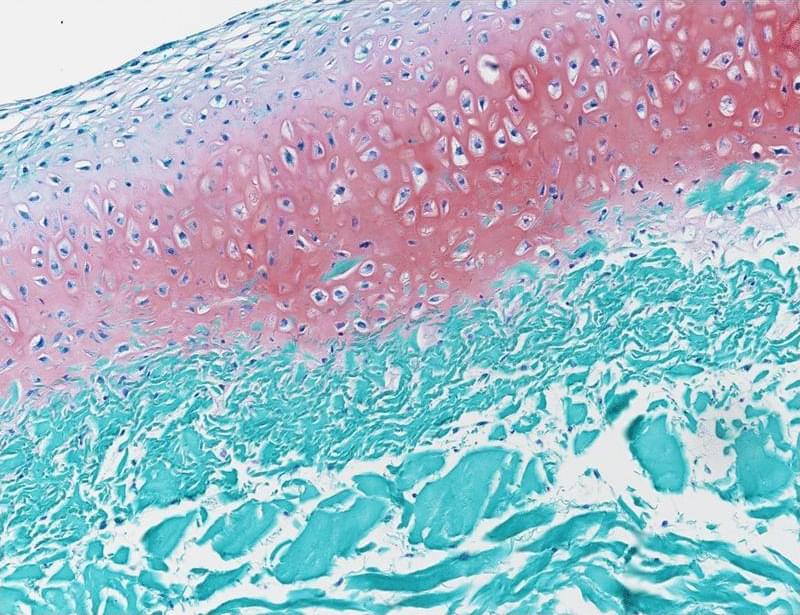
Applying tissue maturation techniques to engineered cartilage grafts produces more functionally faithful grafts and leads to superior clinical outcomes in patients with knee cartilage injuries, shows a new multicenter clinical trial.

📄


Engineered hyaline-like cartilage tissues are superior to immature cell-based grafts for the therapy of cartilage defects in the human knee.

/* */