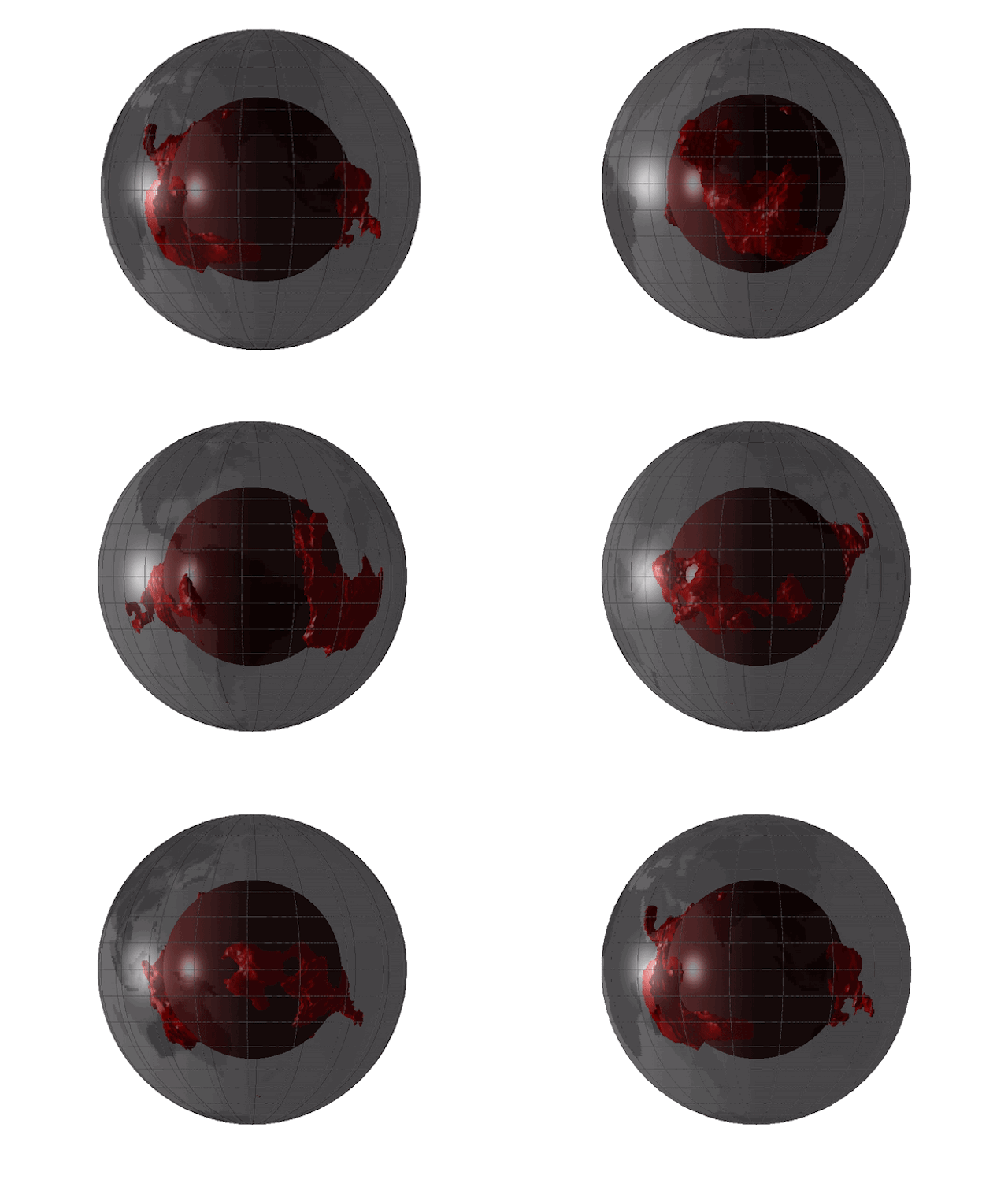
They’re called ‘the blobs’ — two lumpy, continent-size mountains of hot, compressed rock lurking at the bottom of Earth’s mantle. Nobody knows what they are.
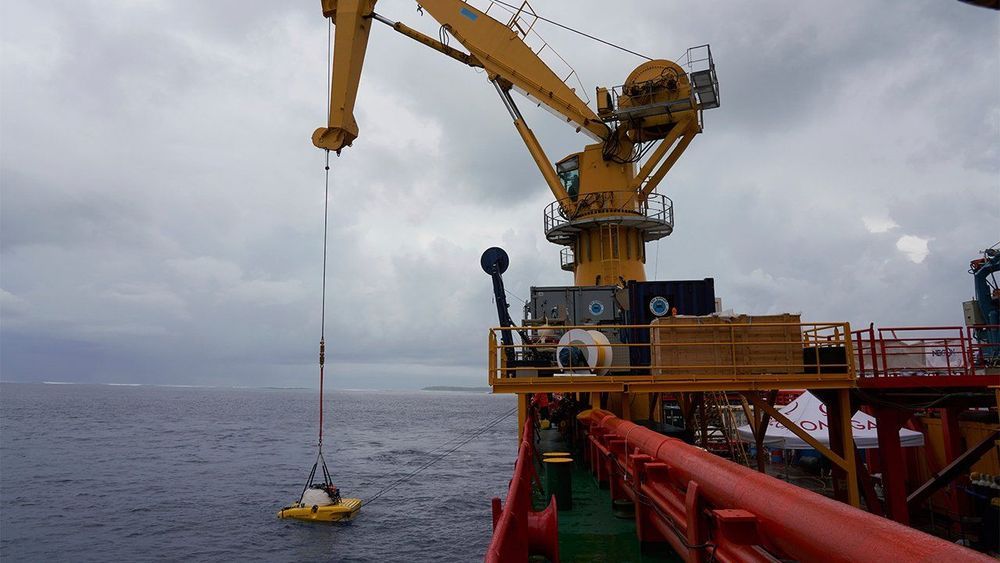
An unprecedented mission to explore the depths of the Indian Ocean near the Seychelles Islands and document changes taking place beneath the waves began its research on Thursday.
The British-led Nekton Mission arrived off the tiny atoll of Alphonse in the early morning hours, after looming bad weather forced a change of plan and of route.
Officials are investigating the cause of a massive sinkhole that formed Wednesday at the Louisville Zoo in Kentucky.
The sinkhole, which measured about 50 yards wide, 85 yards long, and possibly 50 feet deep (almost the size of a football field!), was spotted in the zoo’s southwest corner, far from any of the animals, USA Today reported.
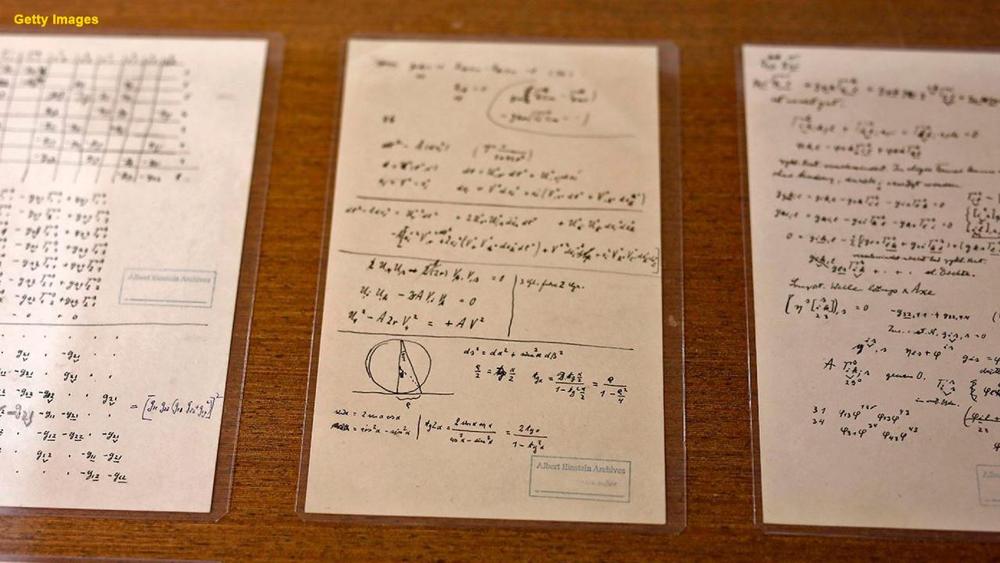
A famous “puzzle” from perhaps the world’s most famous theoretical physicist, Albert Einstein, has been solved, after a missing page was found.
The handwritten page was part of an appendix of a 1930 paper written by Einstein towards a unified field theory. It was discovered approximately two weeks ago, officials at Hebrew University said, nestled alongside other Einstein archives.
“But in the copies we had, one page was missing, and that was a problem. That was a puzzle,” Hanoch Gutfreund, scientific advisor to the university’s Einstein archive, said in comments to the AFP.

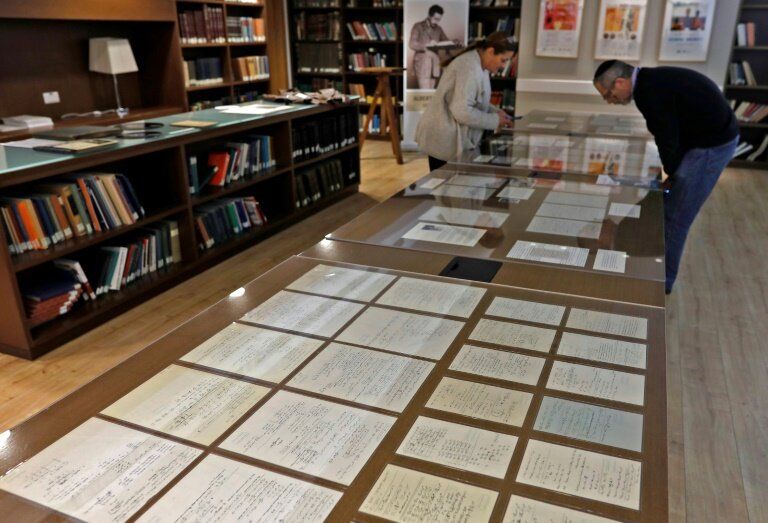
An Albert Einstein “puzzle” has been solved thanks to a missing manuscript page emerging in a trove of his writings newly acquired by Jerusalem’s Hebrew University, officials announced Wednesday.
The handwritten page, part of an appendix to a 1930 paper on the Nobel winner’s efforts towards a unified field theory, was discovered among the 110-page trove the university’s Albert Einstein archives received some two weeks ago.
Hebrew University unveiled the collection to coincide what would have been Einstein’s 140th birthday on March 14.
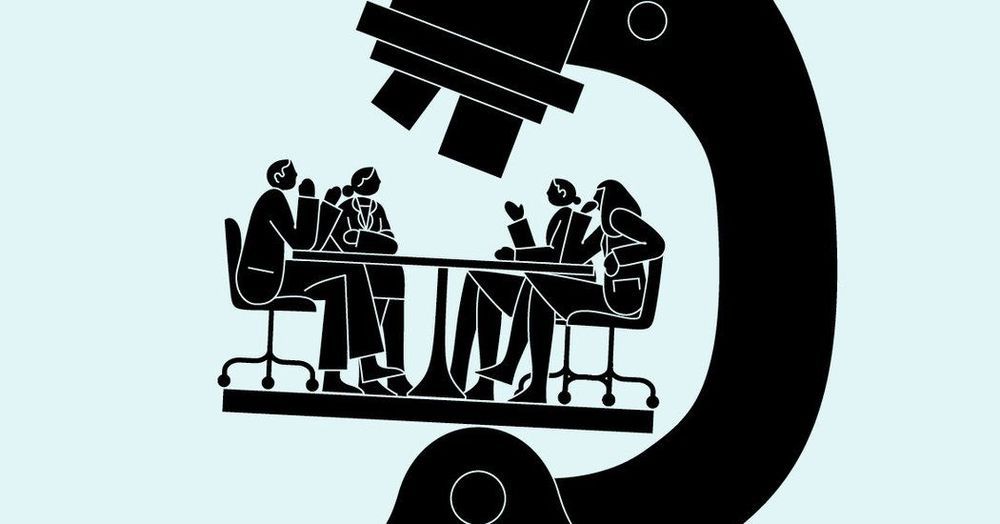
I knew the future would be shocking but this is a whole other level.


We believe that when we are faced with the choice between two or more options of what to think about, non-conscious traces of the thoughts are there already, a bit like unconscious hallucinations,” Professor Pearson says. “As the decision of what to think about is made, executive areas of the brain choose the thought-trace which is stronger. In, other words, if any pre-existing brain activity matches one of your choices, then your brain will be more likely to pick that option as it gets boosted by the pre-existing brain activity.
A new UNSW study suggests we have less control over our personal choices than we think, and that unconscious brain activity determines our choices well before we are aware of them.
Published in Scientific Reports today, an experiment carried out in the Future Minds Lab at UNSW School of Psychology showed that free choices about what to think can be predicted from patterns of brain activity 11 seconds before people consciously chose what to think about.
The experiment consisted of asking people to freely choose between two visual patterns of red and green stripes – one of them running horizontally, the other vertically – before consciously imagining them while being observed in a functional magnetic resonance imaging (fMRI) machine.