Hyundai’s Genesis unveils the Mint, its vision for a teeny electric luxury car. The concept vehicle is designed to be a “city car” that can squeeze through the narrow alleys and dense traffic of packed urban centers. https://cnn.it/2GrFSDv
Read more
Hyundai’s Genesis unveils the Mint, its vision for a teeny electric luxury car. The concept vehicle is designed to be a “city car” that can squeeze through the narrow alleys and dense traffic of packed urban centers. https://cnn.it/2GrFSDv
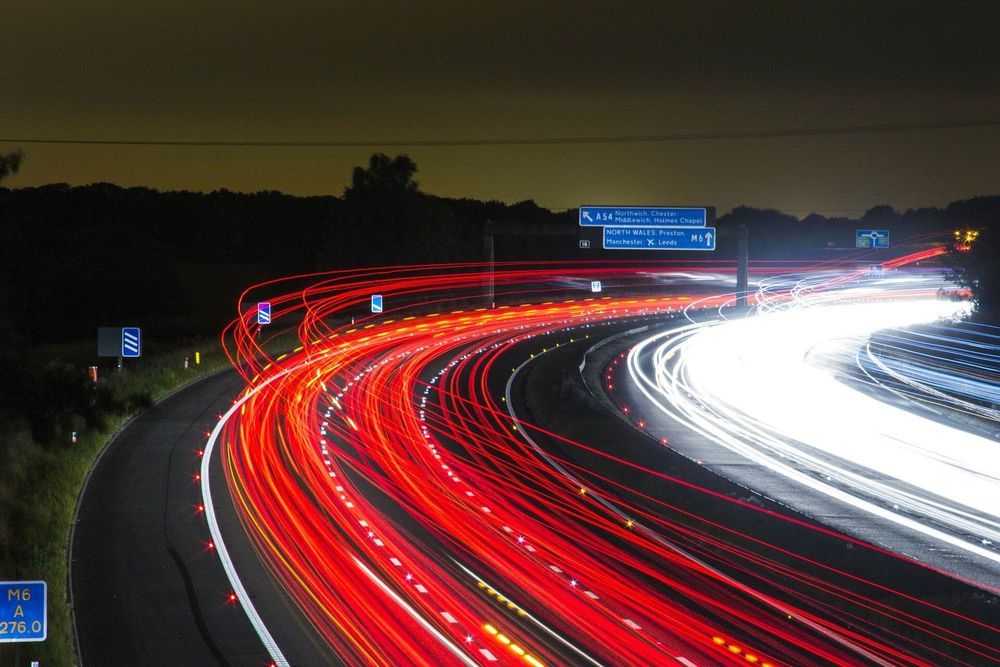
The laser sensors currently used to detect 3D objects in the paths of autonomous cars are bulky, ugly, expensive, energy-inefficient – and highly accurate.
These Light Detection and Ranging (LiDAR) sensors are affixed to cars’ roofs, where they increase wind drag, a particular disadvantage for electric cars. They can add around $10,000 to a car’s cost. But despite their drawbacks, most experts have considered LiDAR sensors the only plausible way for self-driving vehicles to safely perceive pedestrians, cars and other hazards on the road.
Now, Cornell researchers have discovered that a simpler method, using two inexpensive cameras on either side of the windshield, can detect objects with nearly LiDAR’s accuracy and at a fraction of the cost. The researchers found that analyzing the captured images from a bird’s-eye view rather than the more traditional frontal view more than tripled their accuracy, making stereo camera a viable and low-cost alternative to LiDAR.
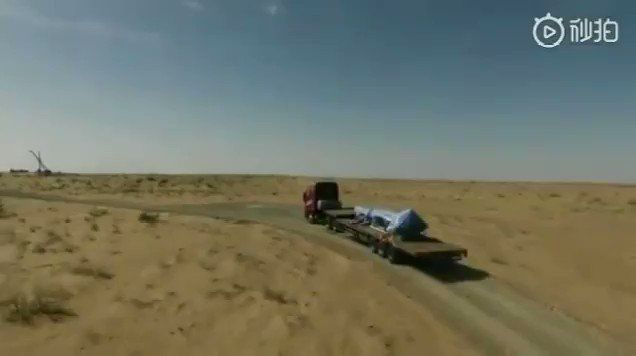
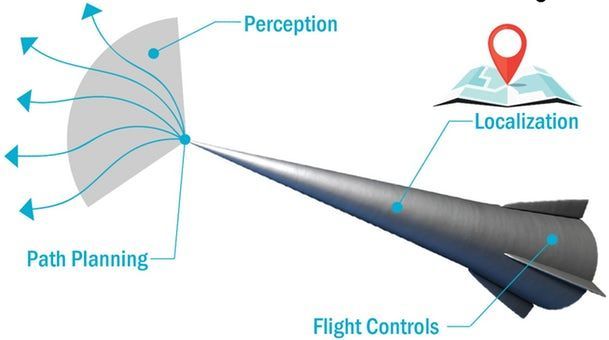
Sandia National Laboratories (SNL) has announced that it has set up an academic research coalition to help create artificially intelligent aerospace systems to control hypersonic missiles and other complicated vehicles in challenging environments. Called Autonomy New Mexico (NM), the organization consists of numerous US universities and aims at making hypersonic craft capable of autonomously controlling their own flight.
At the ‘Tesla Autonomy Day’ today, Tesla unveiled all the details about its new Full Self-Driving computer, which CEO Elon Musk claims is ‘objectively the best chip in the world’.
The automaker has been talking about this new computer for years now.
Earlier this month, Tesla announced that the new Full Self-Driving (FSD) computer, previously known as Autopilot Hardware 3.0, is now in production.
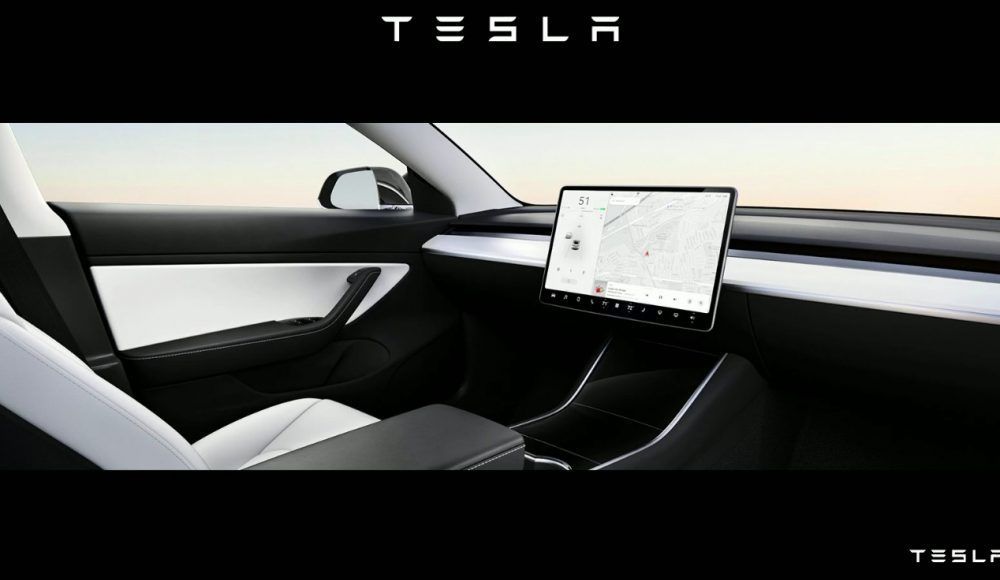
Tesla CEO Elon Musk presented some new details on the Tesla Network’s Robotaxi ride-hailing service during the company’s Autonomy Day. Musk outlined his how much electric car owners can earn from the service, as well as how long vehicles can last operating as autonomous ride-sharing Robotaxis.
Musk started his presentation by reiterating Tesla’s Master Plan, which includes the deployment of the company’s Robotaxi program sometime in 2020 (pending regulatory approval, of course). Musk joked about Tesla’s delays in the rollout of Full Self-Driving features, though he did note that “we said we’re gonna do the Robotaxi, and we’re gonna do the Robotaxi.”
Tesla owners who wish to use their vehicles for the Tesla Network will be able to manage their electric cars through their smartphone. Musk dropped several points of information that will be key to the Tesla Network’s Robotaxi service as well. Among these is the vehicles’ longevity. The CEO noted that current-generation battery packs are good for about 300,000 to 500,000 miles, though Tesla’s upcoming batteries which will go on production next year will operate for twice as long, up to 1 million miles with minimal maintenance.
Circa 2013
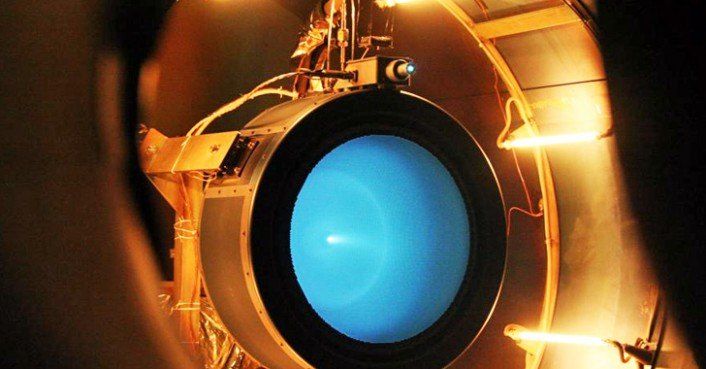
A team from MIT are developing thrusters powered by ionic wind as an efficient alternative to current conventional atmospheric propulsion technologies.
This electric vehicle could become your future mode of transportation 😍 via @kittyhawkaero