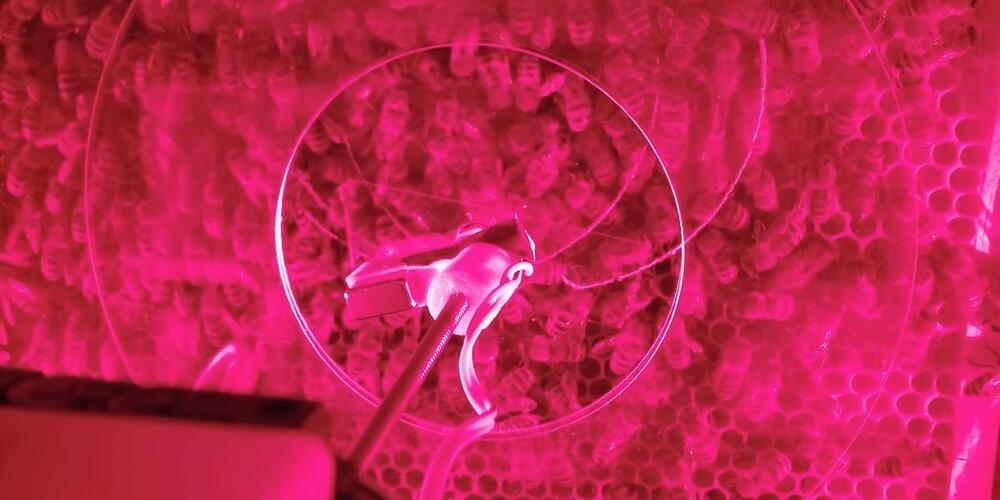
Robots that can monitor conditions in a hive, do a waggle dance, or even infiltrate the queen’s court could help scientists influence the health of a colony.
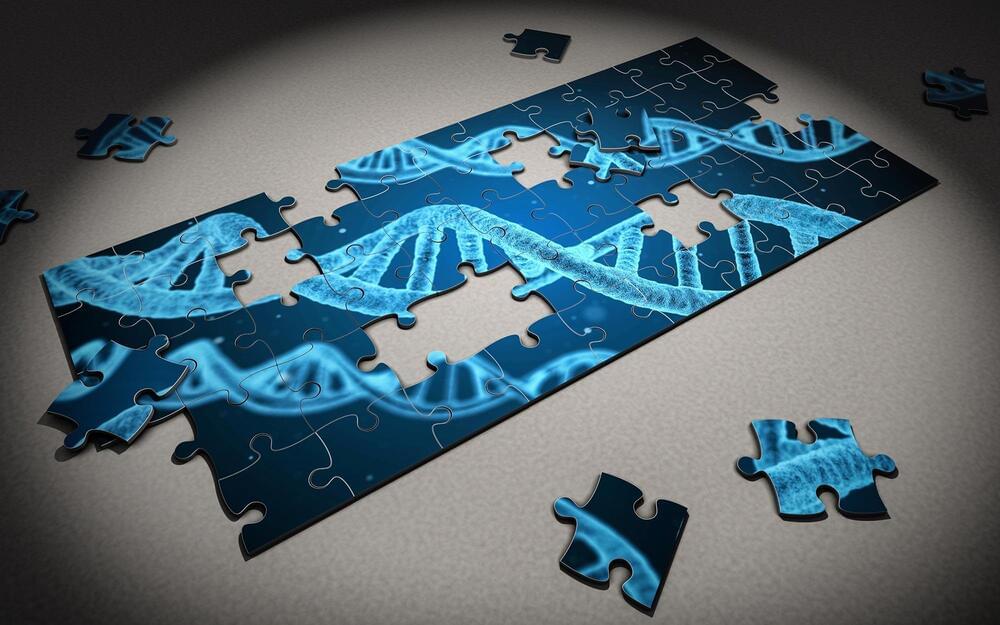
According to a recent study conducted by geneticists at the University of Pittsburgh School of Public Health in collaboration with several other organizations, including the University of Otago and the Samoan health research community, the discovery of a genetic variant that is relatively common among individuals of Polynesian descent but very rare in most other populations is providing clues to the genetic underpinnings of high cholesterol in all people.
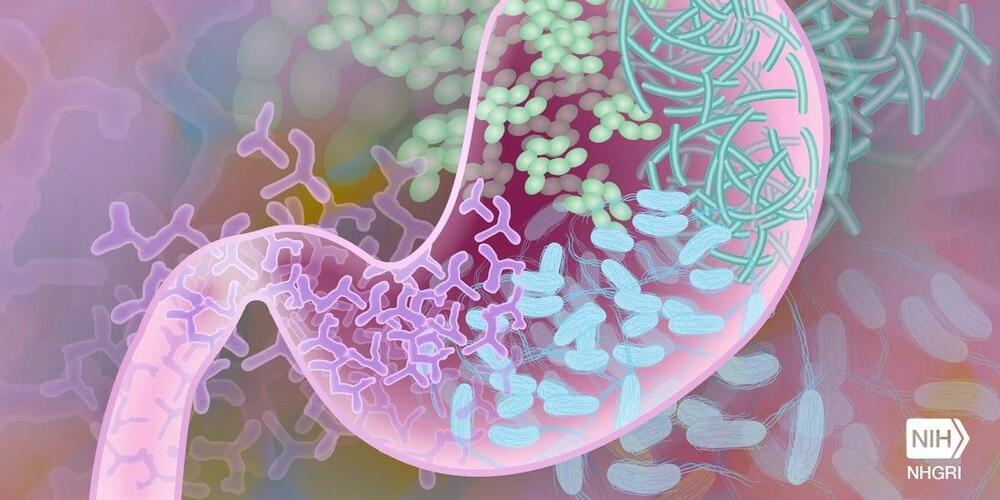
With all the factors that may impact gut health, it can be hard to know what’s causing stomach troubles and potentially affecting long-term wellness.
In a recent TikTok video via Houston Methodist hospital system, gastroenterologist Dr. Neeharika Kalakota shared a few simple rules of thumb she follows to maintain a healthy gut.
As an expert on digestive health, Kalakota said she recommends that her patients stay up-to-date on colon cancer screenings and avoid colonic “cleanses,” which can wreak havoc on the bowel and rectum.

Scientists from EPFL and the University of Lausanne have used a chip that was originally designed for environmental science to study the properties of biocement formation. This material has the potential to replace traditional cement binders in certain civil engineering applications.
The chip is the size of a credit card and its surface is engraved with a flow channel measuring one meter from end to end that is as thick as a human hair. Researchers can inject a solution into one end of the channel and, with the help of time-lapse microscopy, observe the solution’s behavior over several hours. Medical scientists have used similar chips for health care applications, such as to examine how arteries get clogged or how a drug spreads into the bloodstream, while environmental engineers have applied them to the study of biofilms and contaminants in drinking water.
Now, a team of civil engineers at EPFL’s Laboratory of Soil Mechanics (LMS), together with scientists from the Faculty of Geosciences and Environment at the University of Lausanne (UNIL), have repurposed the chip to understand complex transport-reaction phenomena involved in the formation of new kinds of biocement.
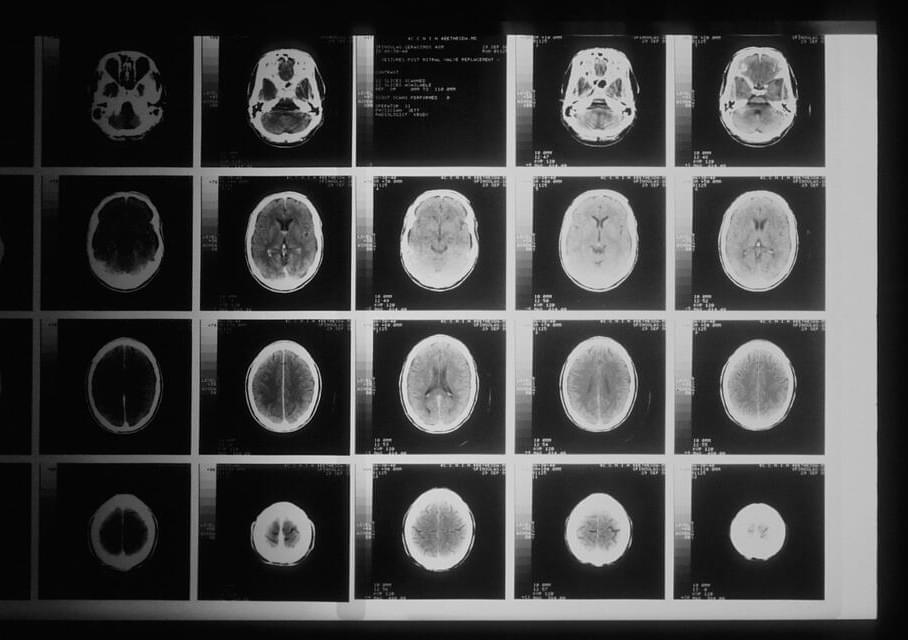
Researchers at Penn Medicine and Intel Corporation led the largest-to-date global machine learning effort to securely aggregate knowledge from brain scans of 6,314 glioblastoma (GBM) patients at 71 sites around the globe and develop a model that can enhance identification and prediction of boundaries in three tumor sub-compartments, without compromising patient privacy. Their findings were published today in Nature Communications.
“This is the single largest and most diverse dataset of glioblastoma patients ever considered in the literature, and was made possible through federated learning,” said senior author Spyridon Bakas, Ph.D., an assistant professor of Pathology & Laboratory Medicine, and Radiology, at the Perelman School of Medicine at the University of Pennsylvania. “The more data we can feed into machine learning models, the more accurate they become, which in turn can improve our ability to understand, treat, and remove glioblastoma in patients with more precision.”
Researchers studying rare conditions, like GBM, an aggressive type of brain tumor, often have patient populations limited to their own institution or geographical location. Due to privacy protection legislation, such as the Health Insurance Portability and Accountability Act of 1996 (HIPAA) in the United States, and General Data Protection Regulation (GDPR) in Europe, data sharing collaborations across institutions without compromising patient privacy data is a major obstacle for many healthcare providers.

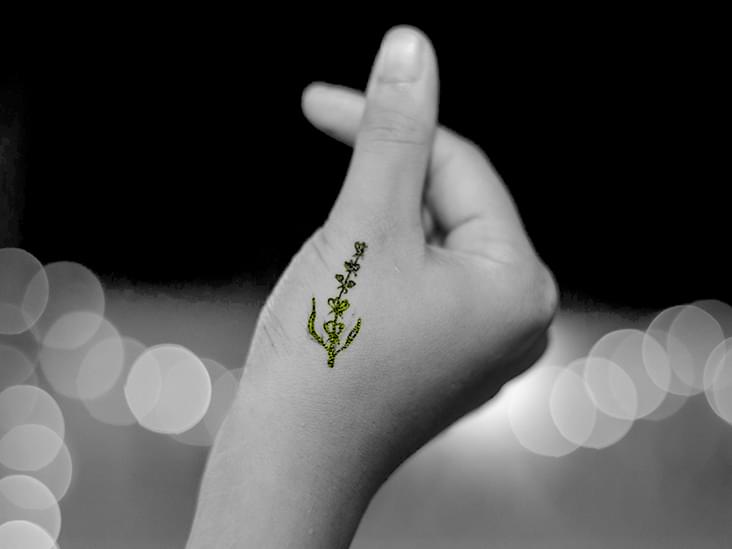
UV tattoos use a fluorescent dye, which means the tattoo only appears under UV light. There is little evidence on whether UV tattoos are safe for human skin.
UV tattoos, also known as black light tattoos, are invisible under regular lighting and only appear under UV light due to the fluorescent compounds within the ink.
There is no regulation over UV tattoos, so there may be some potential health risks, depending on the ink’s chemicals. UV tattoos will also require similar aftercare to regular tattoos.
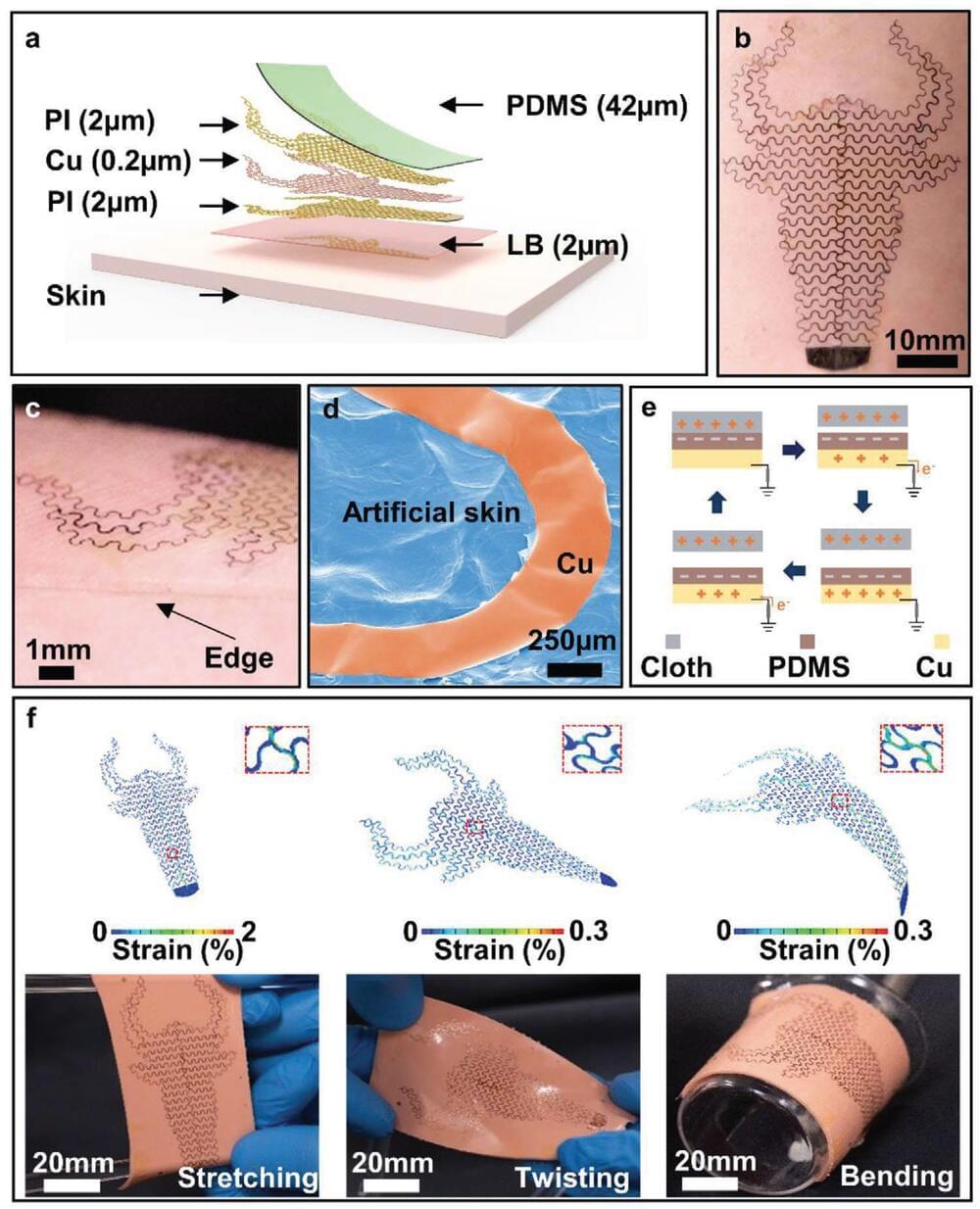
The field of epidermal electronics, or e-tattoos, covers a wide range of flexible and stretchable monitoring gadgets that are wearable directly on the skin. We have covered this area in multiple Nanowerk Spotlights, for instance stick-on epidermal electronics tattoo to measure UV exposure or tattoo-type biosensors based on graphene; and we also have posted a primer on electronic skin.
Taking the concept of e-tattoos a step further, integrating them with triboelectric nanogenerators (TENGs), for instance for health monitoring, could lead to next generation wearable nanogenerators and Internet-of-things devices worn directly on and powered by the skin.
In work reported in Advanced Functional Materials (“Triboelectric Nanogenerator Tattoos Enabled by Epidermal Electronic Technologies”), researchers report a tattoo-like TENG (TL-TENG) design with a thickness of tens of micrometers, that can interface with skin without additional adhesive layers, and be used for energy harvesting from daily activities.
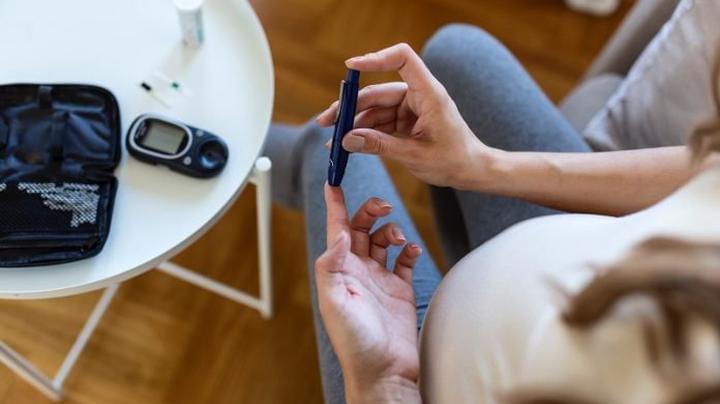
According to the CDC, prediabetes is a serious health condition where blood sugar levels are higher than normal, but not high enough yet to be diagnosed as type 2 diabetes. Approximately 96 million American adults—more than one in three—have prediabetes. Of those with prediabetes, more than 80% don’t know they have it.
Researchers have just caught bacteria sidestepping antibiotic treatment with a never-before-seen trick.
Bacteria’s troublesome talent for developing resistance against antibiotics is a rapidly growing health threat. This ability has ancient origins and allows drug-resistant bacterial infections like MRSA and gonorrhea to kill 1.3 million people globally each year.
These superbugs are even finding their way into wild animals, such as dolphins and bears.