Toggle light / dark theme

Dr. Tim R. Peterson — Moonshot Thinking For Aging, Mental Health, And Drug Re-Purposing

Moonshot Thinking For Aging, Mental Health, And Drug Re-Purposing — Dr. Tim R. Peterson.

Washington University in St. Louis.


Dr. Tim R. Peterson PhD. is Assistant Professor, in the Department of Medicine, at Washington University in St. Louis.

Dr. Peterson went to the Massachusetts Institutes of Technology (MIT) where he received his doctorate in biology.

Dr. Peterson’s lab is interested in quality of life issues that affect all people, indirectly or directly, and two critical conditions that his lab is especially interested in are aging (specifically research on health span – the healthy period of one’s life) and mental health / mental health equality for all people.
Gene Therapies and the Promise of the Fountain of Youth

Gene therapies are opening up possibilities that were once reserved for science fiction.

At Harvard University, Professor of Genetics David Sinclair says he believes it’s possible to unlock the fountain of youth, and gene therapy is the key.

Sinclair spent two years trying to correct the vision of a mouse using gene therapy, and finally succeeded in doing it.

Although these discoveries are encouraging, Sinclair cautions that people set their expectations realistically.

“Many people are eager to use the research for their own health benefit,” he said. “But I’m hoping that the public will realize that it does take a long time and we can’t just jump from a mouse to a human tomorrow.”

Aging researcher Dr. Nir Barzilai is studying clinical trials that use the diabetes drug metformin to directly target aging.

Anti-Aging: State of the Art

A huge shout-out to LessWrong for this fantastic write-up on the science of anti-aging research:

We join them in their call-to-action…

“For those wanting to help aging be solved in our lifetime so we can avoid being the last generation to die, consider taking the following actions:

• Sharing this post with others.
• Joining the Longevity subreddit or the Lifespan Discord server to plug in to longevity channels…

• Donating to the SENS Research Foundation.”

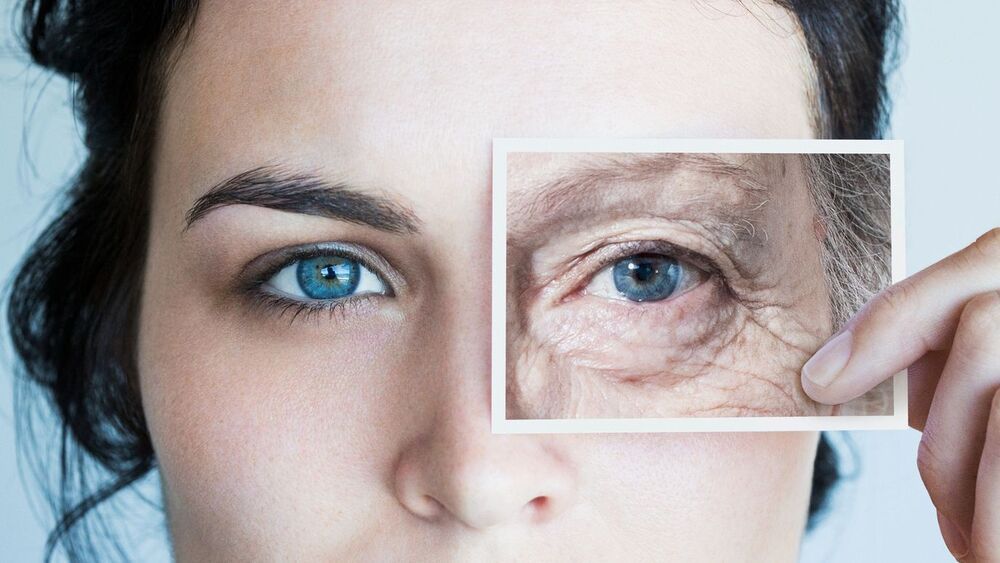
Can science reverse the ageing process?

The idea of slowing down the ageing process and living healthier, more productive lives is hugely appealing. It’s led to a growing trend for people looking to take control of their own biology, optimising their bodies and minds through ‘biohacking’. But how safe and ethical is this pursuit of longevity? And are there more natural ways of expanding your healthy lifespan? Video by Dan John Animation by Adam Proctor.

Do we have to age?

Once, at a friend’s wedding, he left a group of guests mildly incensed for suggesting that near-future humans might live well into their 100s. A similar thing happens at dinner parties, where the responses are more polite but no less sceptical. Eventually, he says, “I think we are very likely to have a drug that treats ageing in the next 10 years.” Steele believes we will be hopelessly unlucky if scientists don’t make a breakthrough within that time, given how many human trials are in progress or upcoming. And although these breakthroughs won’t result in treatments that extend our lives by 100 years, they will give us enough extra time to ensure we’re alive for subsequent breakthroughs, subsequent treatments, subsequent additions in lifespan and so on.


The biologist Andrew Steele thinks ageing is a disease that can be treated. But if we had a cure for getting old, what would that mean for us?

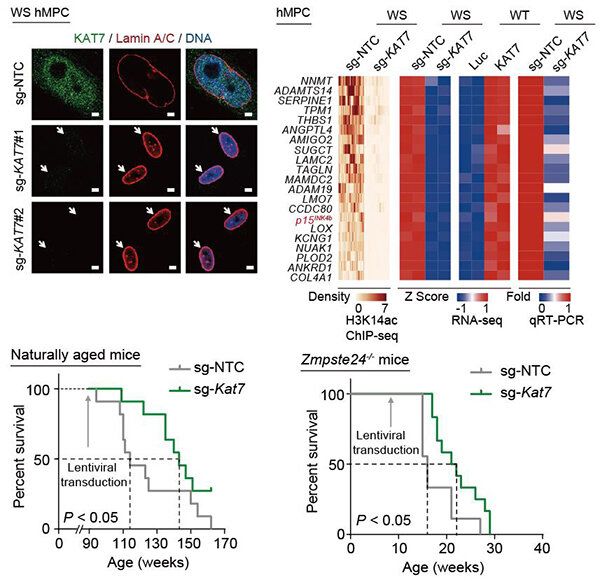
Scientists develop new gene therapy strategy to delay aging

Cellular senescence, a state of permanent growth arrest, has emerged as a hallmark and fundamental driver of organismal aging. It is regulated by both genetic and epigenetic factors. Despite a few previously reported aging-associated genes, the identity and roles of additional genes involved in the regulation of human cellular aging remain to be elucidated. Yet, there is a lack of systematic investigation on the intervention of these genes to treat aging and aging-related diseases.

How many aging-promoting are there in the ? What are the molecular mechanisms by which these genes regulate aging? Can gene therapy alleviate individual aging? Recently, researchers from the Chinese Academy of Sciences have shed new light on the regulation of aging.

Recently, researchers from the Institute of Zoology of the Chinese Academy of Sciences (CAS), Peking University, and Beijing Institute of Genomics of CAS have collaborated to identify new human senescence-promoting genes by using a genome-wide CRISPR/Cas9 screening system and provide a new therapeutic approach for treating aging and aging-related pathologies.

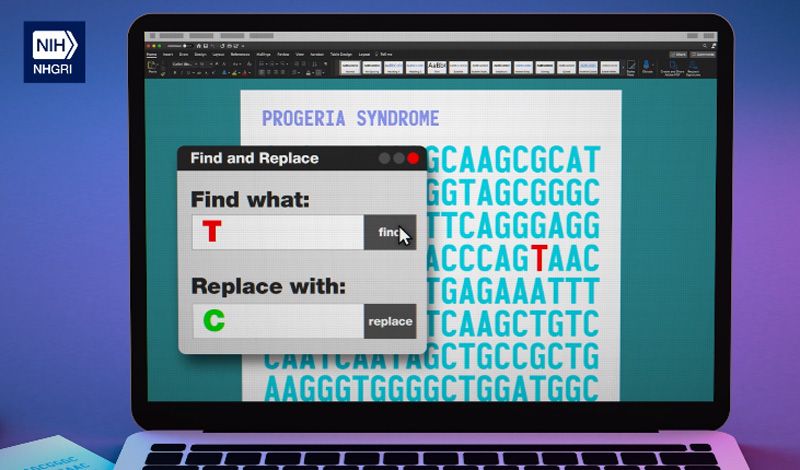
Gene-editing method shows promise for premature-aging syndrome

Gene-editing method shows promise for premature aging syndrome.

Scientists have fixed a genetic mutation in mice with progeria, a rapid aging disease. The treatment could one day be used in humans who would otherwise die in childhood.

Approximately 1 in 4 million children are diagnosed with progeria within the first two years of birth, and virtually all of these children develop health issues in childhood and adolescence that are normally associated with old age – including cardiovascular disease (heart attacks and strokes), hair loss, skeletal problems, subcutaneous fat loss and hardened skin.

How the tangles in your DNA make you age

New channel with new videos.


Like what we do? Join the Lifespan Heroes: https://lifespan.io/hero?source=X10-desc.

▼▼ Description, sources, and more below ▼▼

Two or three meters of DNA are packed into each of your cells, but that careful arrangement gets muddled over time, which is one reason we grow old.

SOURCES AND FURTHER READING

Why We Get Old & How We Can Stop It

Andrew Steele is a scientist, writer and presenter.

Ageing is a phenomenon we’re all familiar with and is completely taken for granted as a fact of reality, but do we have to accept.

Expect to learn why curing ageing might be easier than curing cancer and all other diseases, the unfortunate truth of fasting for longevity, why the next decade will be the most exciting for lifespan research and much more…

Sponsors:
Get 35% discount on everything I use from The Protein Works at https://www.theproteinworks.com/modernwisdom/ (use code MODERN35)

Get 20% discount on Reebok’s entire range including the amazing Nano X at https://geni.us/modernwisdom (use code MW20)

Extra Stuff:

/* */