Toggle light / dark theme

‘Ready-made’ T-cell gene therapy tackles ‘incurable’ T-cell leukemia

A new treatment using genome-edited immune cells, developed by scientists at UCL (University College London) and Great Ormond Street Hospital (GOSH), has shown promising results in helping children and adults fight a rare and aggressive form of blood cancer called T-cell acute lymphoblastic leukemia (T-ALL).

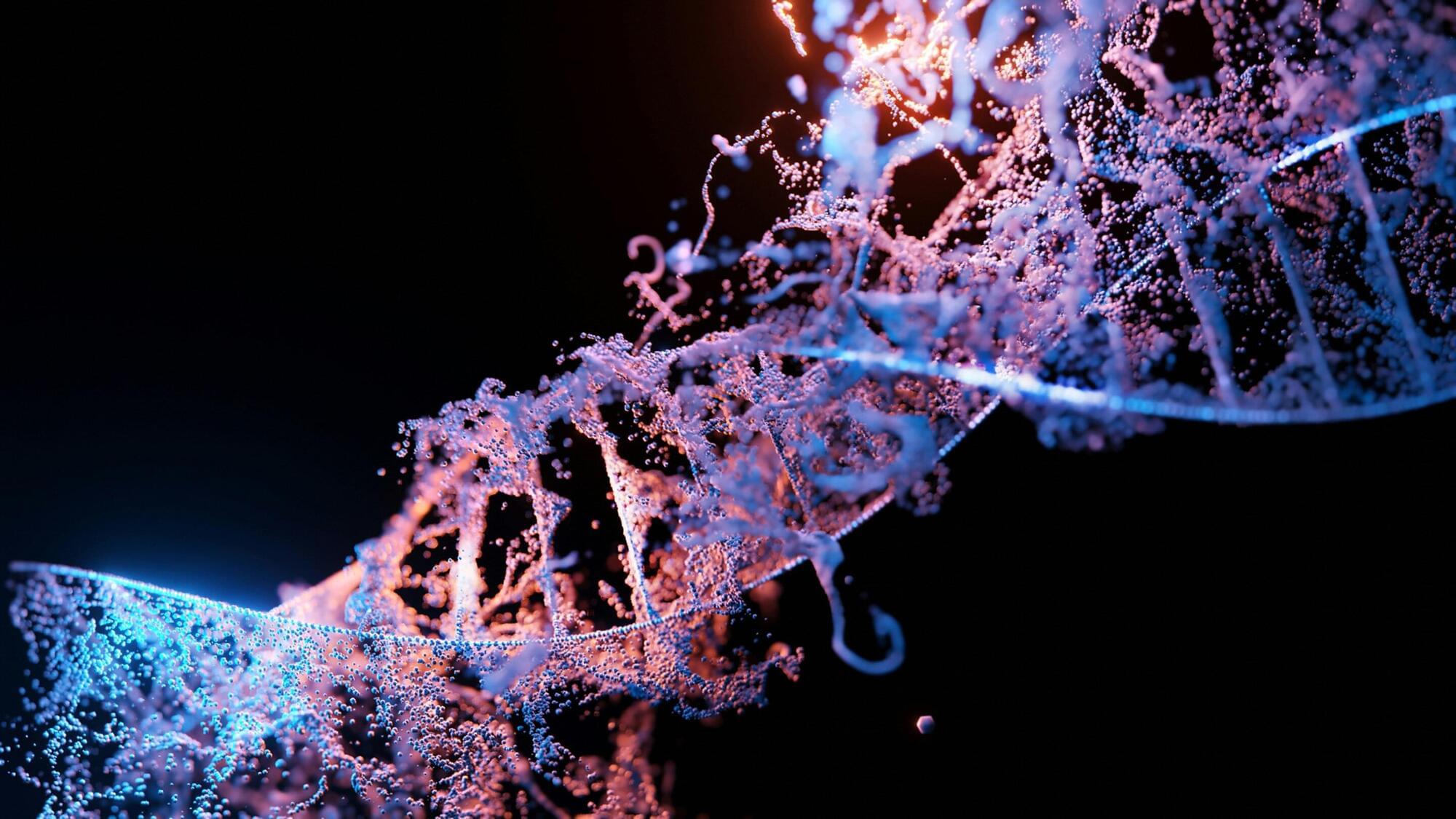
The world-first gene therapy (BE-CAR7) uses base-edited immune cells to treat previously untreatable T-cell leukemia and help patients achieve remission, offering new hope for families facing this aggressive cancer. Base-editing is an advanced version of CRISPR technology, that can precisely change single letters of DNA code inside living cells.

In 2022, researchers from GOSH and UCL delivered the world’s first treatment made using “base-editing” to a 13-year-old girl from Leicester, Alyssa.
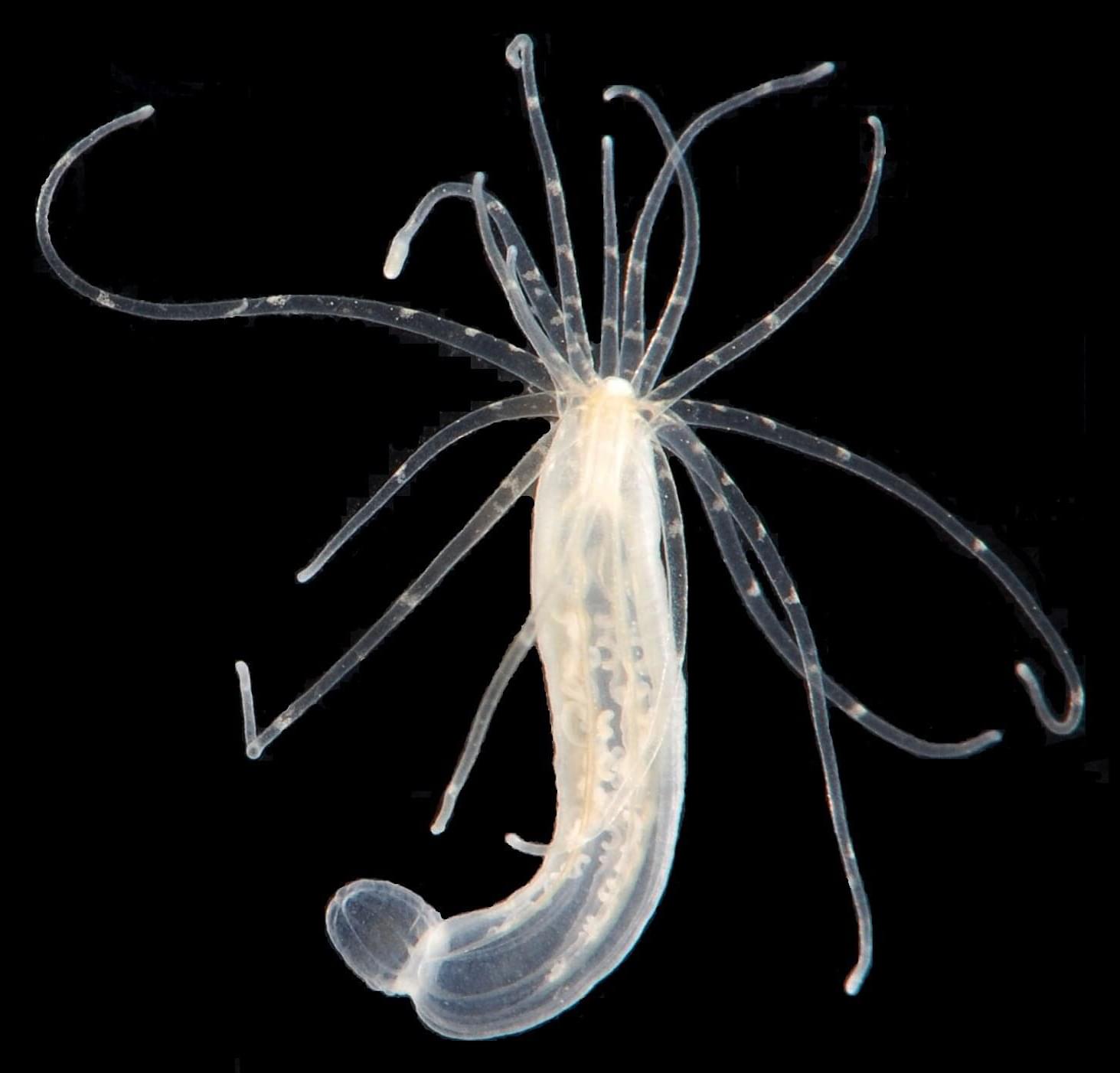
Ancient sea anemone sheds light on animal cell type evolution

One of the biggest quests in biology is understanding how every cell in an animal’s body carries an identical genome yet still gives rise to a kaleidoscope of different cell types and tissues. A neuron doesn’t look nor behave like a muscle cell but has the same DNA.

Researchers think it comes down to how cells allow different parts of the genome to be read. Controlling these permissions are regulatory elements, regions of the genome which switch genes on or off. A detailed overview of how they do this is largely restricted to a handful of classic model organisms like mice and fruit flies.

Prevalence and Factors Associated With Atrial Fibrillation Among Young Patients With Ischemic Stroke

Stra8 links neuronal activity to inhibitory circuit protection in the adult mouse brain.


Huang et al. show that Stra8, a gene previously thought to be germline specific, is expressed in the adult mouse hippocampus in an activity-dependent manner. Stra8 protects neuronal integrity and cognition by regulating neuromodulator genes and preserving inhibitory circuit function.

How natural daylight can help people with diabetes improve blood sugar levels

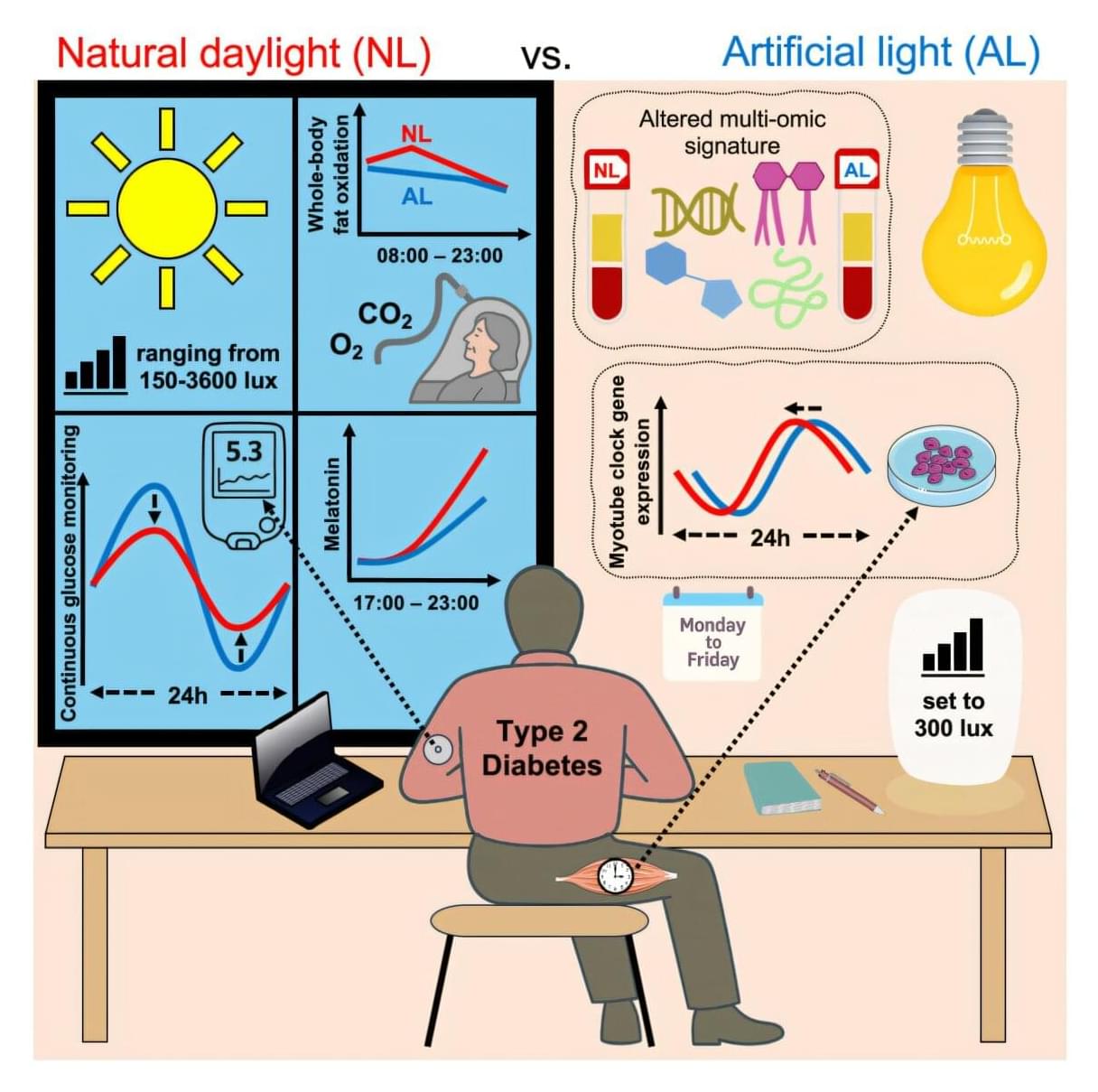
People with type 2 diabetes may be able to improve their blood sugar by doing something as simple as sitting by a window for a few hours each day. In a study published in Cell Metabolism, scientists showed that natural daylight helps maintain healthy glucose levels.

Daylight is known to be a mood enhancer and also beneficial for our health. However, according to the research team, most people living in Western societies typically stay indoors around 80% to 90% of the time under artificial light, which is not as bright or dynamic as sunlight. This is important because the human body operates on circadian rhythms, internal 24-hour clocks that orchestrate a range of biological processes, such as digestion and temperature regulation. These are synchronized by light, and a lack of natural light is a risk factor for type 2 diabetes.

Previous studies have shown that artificial light at night disrupts these rhythms and that daylight outdoors can improve the body’s response to insulin, which helps control blood sugar levels. But no prior research examined how natural light entering a window affects people with diabetes.

Prodrug nanoplatform for triggering ferroptosis to eliminate senescent cells in age-associated pathologies

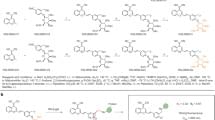
Accumulation of senescent cells is associated with age-related diseases. Here, the authors present a prodrug nanoplatform to trigger ferroptosis specifically and exclusively in senescent cells.

How common is Alzheimer’s? Blood-test study holds surprises

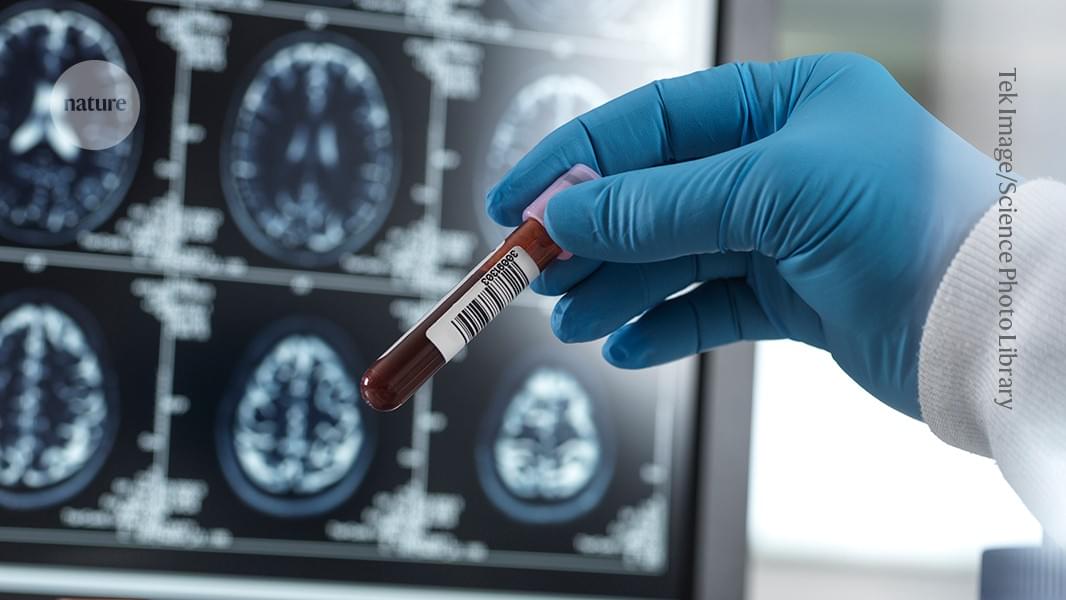
A Nature analysis of a major Norwegian study challenges existing estimates of Alzheimer’s prevalence, finding that 25% of people aged 85–89 have dementia with Alzheimer’s pathology — far higher than previous 7–13% estimates — while preclinical Alzheimer’s in younger seniors (70−74) occurs at only 8% versus earlier 22% estimates. Using blood biomarker pTau217 in 11,486 participants, researchers identified that 10% of over-70s had dementia, 10% had mild cognitive impairment, and 10% had preclinical Alzheimer’s, but warn that blood tests alone are insufficient for widespread screening due to potential harm from false positives. The discrepancies highlight how previous studies may have been skewed by selection bias, while demonstrating that blood-based biomarkers require careful interpretation and comprehensive clinical assessment.


A survey of Alzheimer’s disease prevalence in Norway confirms earlier estimates and might show how education level relates to risk.

Physical and Cognitive Activities and Trajectories of AD Neuroimaging BiomarkersLongitudinal Analysis in the Mayo Clinic Study of Aging

Background and ObjectivesEngagement in physical and cognitive activities is associated with a decreased risk of mild cognitive impairment (MCI) and dementia, but the association with Alzheimer disease (AD) neuroimaging biomarkers is less clear. We thus…

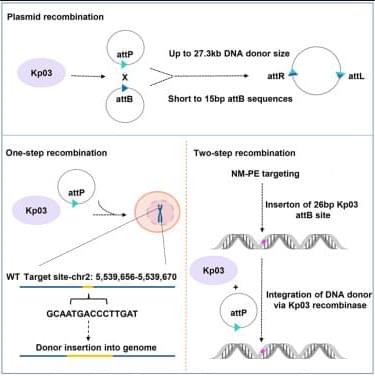
Efficient site-specific integration of kilobase-length DNA fragments in plant cells via Kp03 recombinase

Employing this sensitive assay, we revealed that the integration efficiencies of the 9.9-kb attP-containing DNA donor in rice cells remained remarkably high at 80.5%, relative to the 3.4-kb attP-containing donor, which was set as the baseline for 100% integration efficiency (Figure 2 B). However, a significant decrease in recombination efficiency was observed for donor DNA exceeding 17 kb. The integration efficiency of the 17.4-kb attP-containing plasmid decreased to 42.5% (Figure 2 B), and for the 27.3-kb attP-containing plasmid, it further declined to 8.2% (Figure 2 B). Similar trends were observed in Arabidopsis, with recombination efficiencies of 51.4%, 26.5%, and 9.0% for the 9.9-, 17.4-, and 27.3-kb attP-containing donors, respectively (Figure 2 C). Furthermore, PCR amplification of the attL junctions confirmed that the donor attP sequences had indeed been recombined into the attB as expected (Figures 2 D and 2E). Collectively, these results demonstrate that the Kp03 system can efficiently mediate targeted insertion of large DNA donors up to 27.3 kb in plant cells.

Interestingly, in addition to donor size, we also observed that Kp03-mediated recombination efficiency is sensitive to temperature, exhibiting differential efficiency under varying thermal conditions (Figure S2).

/* */